
 EN
EN

 English
  русский
  Français
  Español
  عربى
عربى 
 Get a Quote
Seam Welding Machines
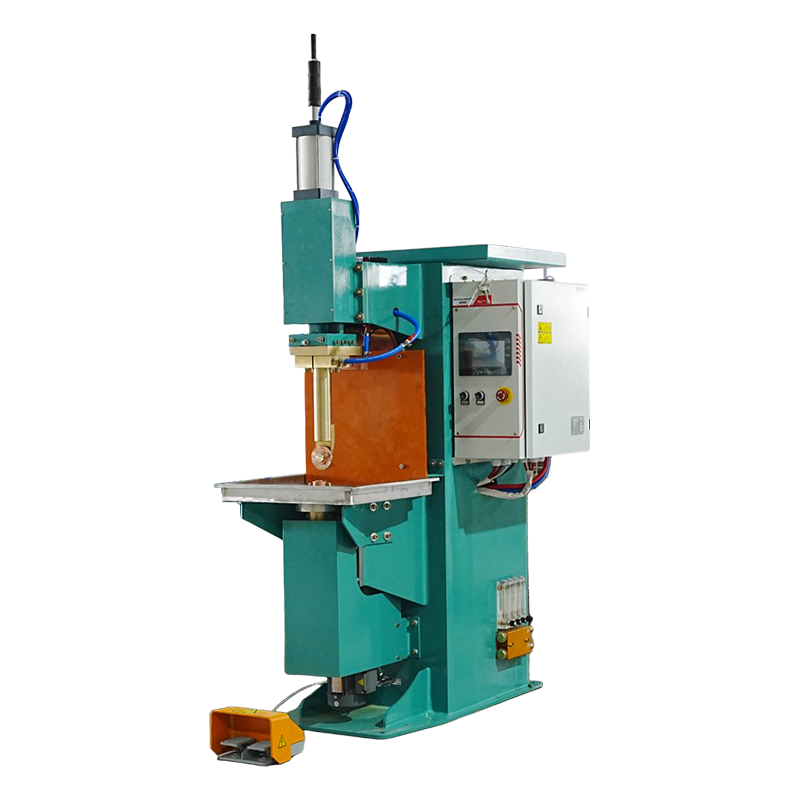
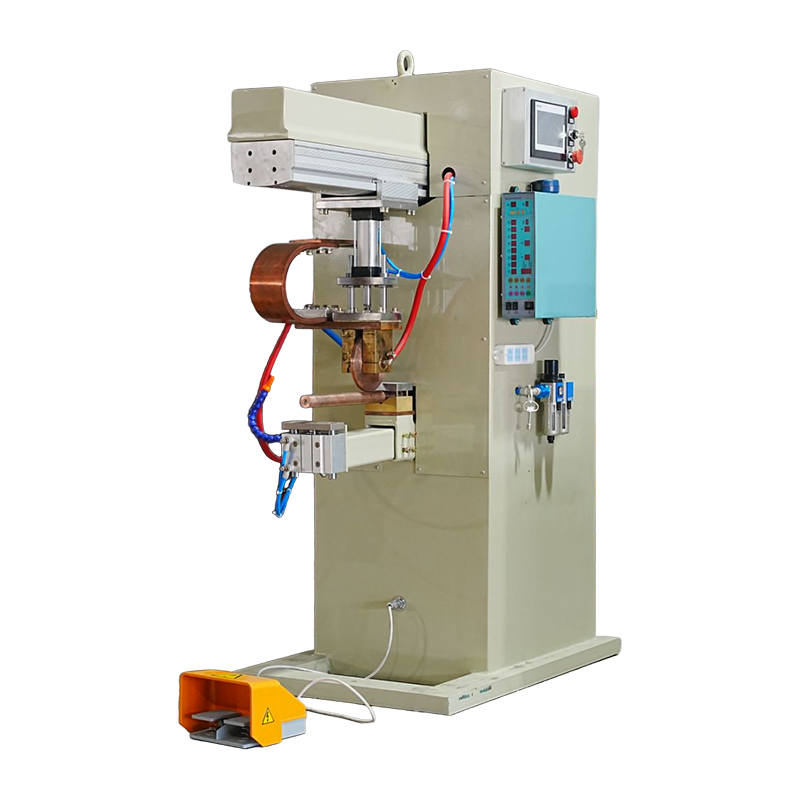
A seam welding machine is a resistance welding device that produces continuous or intermittent welds arranged into a tight seam. Using rotating wheel electrodes to apply pressure and current to the workpieces, it achieves continuous or sealing welds. Seam welding machines offer uniform weld formation, excellent sealing performance, and high productivity. They are suitable for lap welding of thin metal sheets and are widely used in the production of fuel tanks, barrels, metal containers, stainless steel water tanks, pipes, and sealed vessels. Depending on the process, they can be classified into continuous seam welding and intermittent seam welding.
About Us
Yongkang Jiaxiao Welding Automation Equipment Co., Ltd.
Since its establishment 30 years ago, Yongkang Jiaxiao Welding Automation Equipment Co., Ltd. has specialized in the research, development, manufacturing, sales, and service of resistance welding machines, specialized welding machines, Seam Welding Equipment for Continuous Metal Joining, and automated stamping equipment for materials such as copper, aluminum, iron, and stainless steel. The OEM Seam Welding Machine Factory boasts a dedicated R&D team led by experts and comprised of diverse engineers. Its products have passed both the Chinese 3C and European CE certifications, and the company holds dozens of national patents. The company is a leading domestic manufacturer of resistance and automatic welding machines.
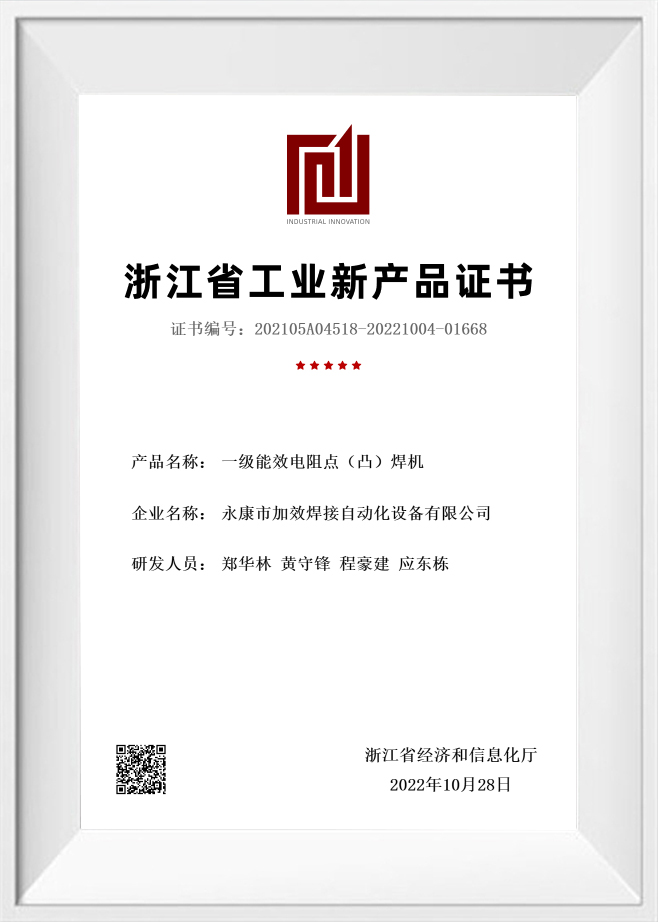
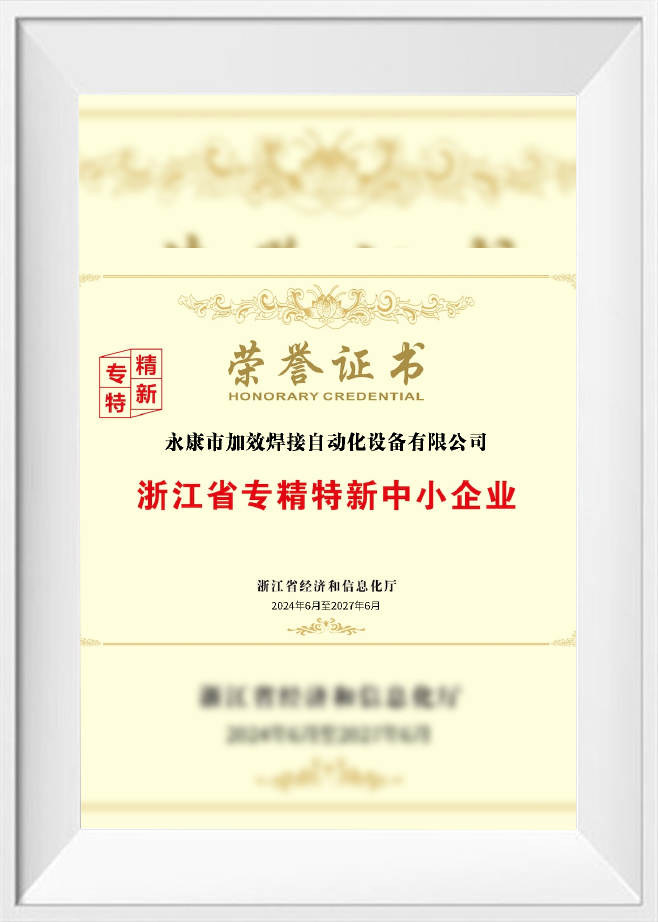
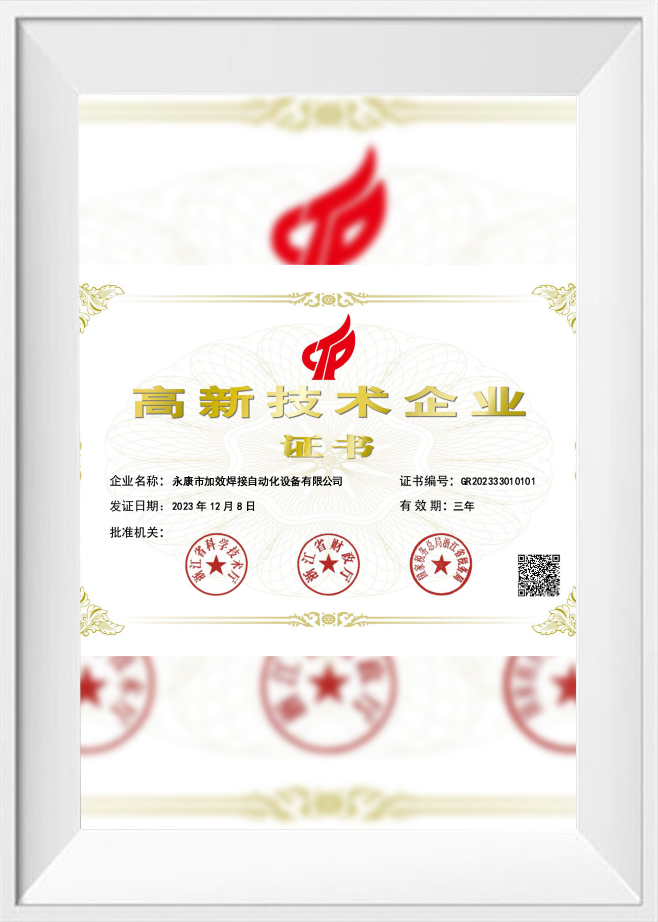
Certificate of Honour
News
Message Feedback
Resistance Seam Welding Machine Selection Guide for Tanks, Containers and Sheet Metal Parts
Seam welding machines create continuous or intermittent welds along overlapping metal sheets or formed metal parts. Unlike spot welding, which lays down individual weld points, resistance seam welding puts rotating wheel electrodes to work generating a line of weld nuggets. When those weld points overlap the right way, the process yields a sealed seam fit for containers, tanks, filters, drums, tubes, and sheet metal assemblies.
For industrial manufacturing projects, picking the right seam welding machine takes a close look at material thickness, weld seam path, sealing requirement, workpiece geometry, roller electrode design, welding speed, pressure control, cooling capacity, and automation level. A well-matched configuration lifts weld continuity, cuts leakage risk, and keeps production steady for metal products carrying linear or circular seams.
What Is a Seam Welding Machine?
A seam welding machine is a type of resistance welding equipment that joins metal sheets or formed components by using rotating roller electrodes. The roller electrodes press the workpieces together while welding current passes through the contact area. Resistance heat is generated between the metal layers, and a series of weld nuggets forms along the welding path.
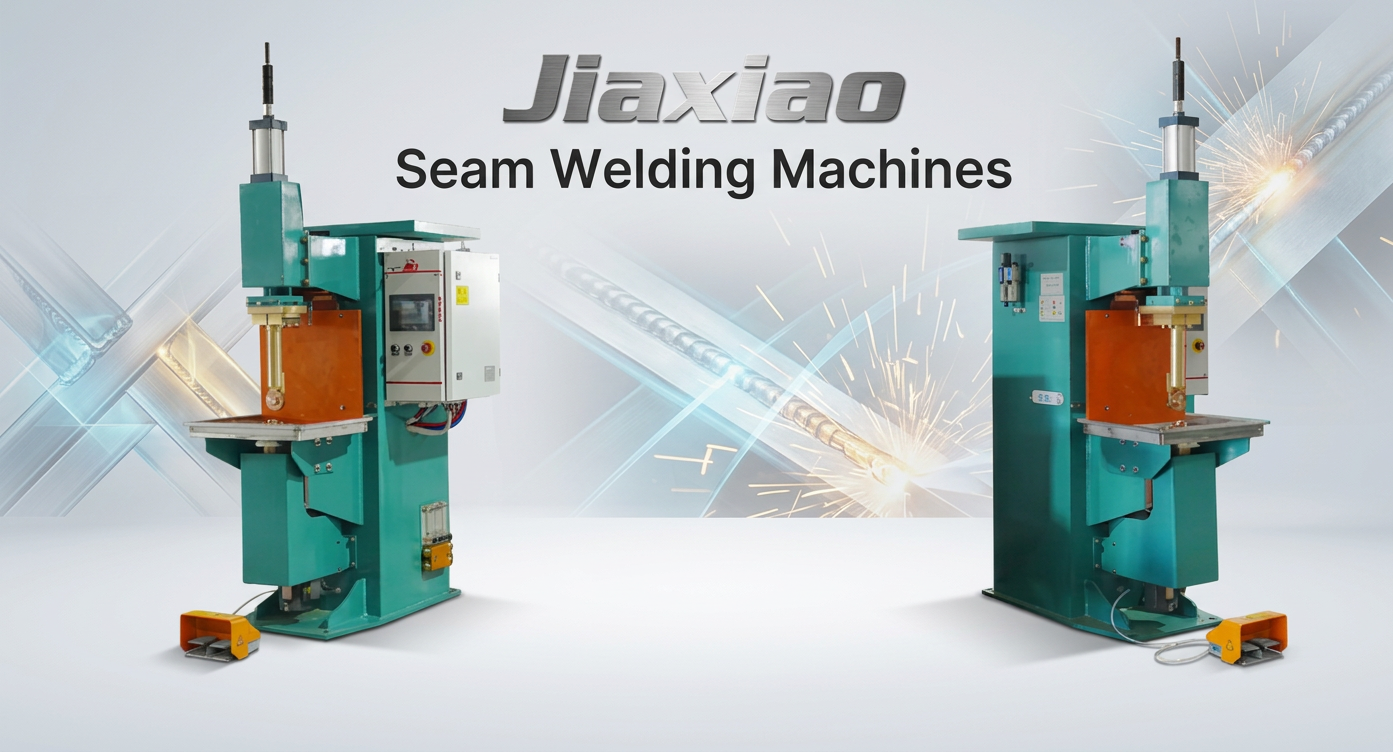
When the weld nuggets overlap, the machine can create a continuous seam. This makes seam welding suitable for products that require air sealing, water sealing, oil sealing, or controlled linear joining.
Common workpieces include:
- Thin carbon steel sheets
- Stainless steel sheets
- Galvanized sheets
- Cold-rolled sheets
- Metal containers
- Fuel tanks
- Water tanks
- Drums and barrels
- Filter mesh and filter housings
- Tube fittings
- Appliance parts
- Sheet metal enclosures
- Burst discs and pressure-related components, depending on process requirements
The process is widely used where a continuous weld line is more suitable than separate spot welds.
How Resistance Seam Welding Works
Resistance seam welding draws on the same working logic as resistance spot welding — current, pressure, and resistance heat forming the backbone of the process. Where seam welding breaks from spot welding is the electrode design: rotating wheel electrodes replace the fixed point electrodes.
- 1. Workpiece Positioning Workpieces are loaded between the upper and lower roller electrodes, or placed into a dedicated fixture. Cylindrical, circular, or irregularly shaped parts need careful guiding and positioning to keep the seam path from wandering.
- 2. Roller Electrode Pressure The rotating wheel electrodes press against the overlapping metal layers. Steady, well-controlled pressure supports reliable electrical contact and helps cut down on leakage, surface burning, splash, and uneven weld penetration.
- 3. Current Output The welding controller channels current through the roller electrodes into the workpieces. Resistance at the metal layer interface converts that electrical energy into heat.
- 4. Continuous Movement The roller electrodes rotate and pull the workpiece along, or a fixture and rotary mechanism drive the workpiece beneath the electrodes. As the material feeds forward, current — whether pulsed or continuous — builds weld nuggets one after another along the seam.
- 5. Seam Formation Weld nuggets line up in sequence. Where nuggets overlap sufficiently, the result is a continuous, sealed seam. Wider spacing between nuggets produces an intermittent seam pattern instead.
- 6. Cooling and Stabilization Once past the roller electrodes, the weld zone begins cooling. Water cooling commonly serves the electrodes, transformers, copper conductors, and high-duty welding zones, keeping the whole process stable through extended production cycles.
Main Seam Welding Processes
Seam welding can be configured in several process forms. The correct process depends on sealing requirement, weld length, workpiece shape, production speed, and material behavior.
Continuous Seam Welding
Continuous seam welding creates a nearly continuous weld line by using overlapping weld nuggets or continuous current control. It is commonly used for products requiring airtight or watertight performance.
Typical applications include:
- Fuel tanks
- Water tanks
- Metal containers
- Drums
- Filter housings
- Sealed sheet metal parts
This process is suitable when leakage control is a key requirement.
Intermittent Seam Welding
Intermittent seam welding creates separated weld nuggets along the seam path. The welds are spaced at controlled intervals rather than fully overlapping.
Typical applications include:
- Structural sheet metal parts
- Reinforcement seams
- Non-sealed joints
- Appliance components
- General metal assemblies
This method may reduce heat input and cycle load when full sealing is not required.
Sealing Seam Welding
Sealing seam welding is used when the seam must resist air, water, oil, or fluid leakage. It requires careful control of nugget overlap, welding current, roller pressure, welding speed, and material surface condition.
Common products include:
- Tanks
- Containers
- Filter bodies
- Stainless steel vessels
- Oil-related parts
- Pressure accessory components, depending on design
Leak testing may be required after welding for critical products.
Longitudinal Seam Welding
Longitudinal seam welding joins a straight seam along the length of a cylindrical or formed part. It is commonly used for tubes, cylinders, barrels, and rolled sheet metal components.
Typical applications include:
- Tube bodies
- Cylindrical containers
- Rolled sheet parts
- Filter shells
- Metal sleeves
- Straight-seam tanks
Fixture alignment is important because seam offset can affect sealing and appearance.
Circumferential Seam Welding
Circumferential seam welding creates a circular weld around a round or cylindrical part. The workpiece is usually rotated while the roller electrode maintains pressure and current output.
Typical applications include:
- Circular tank seams
- Bottom or lid welding
- Pipe fittings
- Cylindrical containers
- Round filter components
- Drum end seams
A stable rotary fixture helps control welding speed, seam overlap, and part runout.
Continuous Seam Welding vs Intermittent Seam Welding
Continuous and intermittent seam welding are selected according to the product’s functional requirement. The main difference is whether the weld nuggets overlap enough to form a sealed seam.
| Item | Continuous Seam Welding | Intermittent Seam Welding |
|---|---|---|
| Weld pattern | Overlapping weld nuggets or continuous seam | Separated weld nuggets along a path |
| Main purpose | Airtight, watertight, or oil-tight sealing | Mechanical joining or reinforcement |
| Heat input | Usually higher | Usually lower |
| Welding speed | Depends on sealing requirement and overlap | Often faster for non-sealed joints |
| Typical products | Tanks, containers, filters, drums | Brackets, panels, appliance parts |
| Quality focus | Leakage control and seam continuity | Weld spacing and joint strength |
If the product requires sealing, continuous seam welding is usually considered. If the product only requires mechanical connection, intermittent welding may be sufficient and may help reduce heat influence.
Application Industries for Seam Welding Machines
Seam welding is used in industries that require linear or circular welds, especially when leakage control or long seam joining is required.
- Automotive Components Automotive applications may include fuel tanks, oil-related parts, structural sheet metal components, exhaust-related parts, and formed metal assemblies. Weld strength, leakage control, and repeatability are common concerns.
- Metal Containers Metal container production often requires longitudinal and circular seam welding. Depending on the product, the welding process may need airtight or watertight performance.
Common products include:- Small tanks
- Cylindrical containers
- Metal boxes
- Storage vessels
- Drums
- Barrels
- Fuel Tanks and Water Tanks Fuel tanks and water tanks usually require continuous sealed seams. Machine selection should consider material thickness, tank shape, seam length, weld path, and leak testing requirements.
- Home Appliance Manufacturing Appliance parts such as drums, shells, covers, internal tanks, and sheet metal housings may use seam welding when a continuous or neat linear joint is required.
- Stainless Steel Products Stainless steel containers, kitchen-related parts, vessels, filter assemblies, and housings often require controlled weld appearance and reduced deformation.
- Filter Manufacturing Filters often involve mesh, perforated sheet, cylindrical shells, and end caps. Seam welding can be used for filter bodies, mesh seams, and circular joining applications.
- Pressure Vessel Accessories Some pressure-related metal parts require stable seam formation and inspection after welding. Equipment selection should be reviewed together with product standard, material grade, and testing requirements.
- Tube and Pipe Processing Tube bodies, sleeves, pipe fittings, and cylindrical components may require longitudinal or circumferential seam welding with customized fixtures.
- Sheet Metal Fabrication Sheet metal workshops use seam welding for covers, housings, enclosures, panels, and formed components where a line weld is more suitable than spot welding.
How to Choose the Right Seam Welding Machine
Selecting a seam welding machine requires understanding both the workpiece and the required weld function. Sealing applications usually require more detailed evaluation than general joining applications.
Key selection factors include:
- Material type
- Sheet thickness
- Number of layers
- Surface coating
- Workpiece shape
- Straight seam or circular seam
- Weld seam length
- Weld path accessibility
- Overlap width
- Airtight or watertight requirement
- Welding speed
- Roller electrode pressure
- Welding current range
- Welding controller type
- Cooling method
- Fixture structure
- Manual, semi-automatic, or automatic operation
- Production capacity
- Inspection or leak testing requirement
- Available installation space
Practical Selection Guide
| Production Requirement | Recommended Direction |
|---|---|
| Straight seam on cylinder or tube body | Longitudinal seam welding machine |
| Circular seam on tank, lid, or pipe fitting | Circumferential seam welding machine |
| Airtight or watertight product | Continuous sealing seam welding process |
| Non-sealed reinforcement seam | Intermittent seam welding process |
| Stainless steel thin sheet | Controlled current, pressure, and cooling design |
| Galvanized sheet | Electrode maintenance and coating behavior evaluation |
| Filter mesh or thin components | Custom roller electrode and precise pressure control |
| High-repeatability production | PLC control, fixture positioning, and automation integration |
A seam welding machine should not be selected only by rated capacity. The weld path, sealing target, roller access, and fixture design are equally important.
Information to Provide Before Quotation
Precise technical details give engineers what they need to assess seam welding feasibility, machine structure, roller electrode design, transformer capacity, fixture layout, and automation level.
Helpful information to prepare includes:
- Product drawings
- Product photos or videos
- Material type
- Material grade, if available
- Sheet thickness
- Number of layers
- Surface coating condition
- Workpiece dimensions
- Workpiece shape
- Straight seam or circular seam
- Weld seam length
- Weld seam width
- Overlap size
- Required sealing level
- Air, water, or oil leakage requirement
- Required welding speed
- Appearance requirement
- Acceptable surface mark
- Production capacity target
- Manual, semi-automatic, or automatic preference
- Whether automatic feeding is required
- Whether automatic rotation is required
- Factory voltage and frequency
- Compressed air condition
- Cooling water condition
- Available installation space
- Existing production process
- Testing method after welding
- Target delivery schedule
- Estimated investment range
For sealed containers, tanks, filters, and pressure-related components, running sample welds followed by leak testing goes a long way toward confirming weld parameters and tooling design before full production begins.
Why Choose Jiaxiao Seam Welding Machines
Jiaxiao builds seam welding machines around the specific workpiece structure, material thickness, seam path, sealing requirement, and production method involved. Equipment configurations cover longitudinal seam welding, circumferential seam welding, continuous sealing seams, intermittent seams, customized roller electrodes, special fixtures, automatic rotation, PLC control, and integration into full production lines.
Working with metal containers, tanks, filters, stainless steel products, tube parts, and sheet metal assemblies, Jiaxiao takes a practical, configuration-first approach rather than pushing standard off-the-shelf setups. Technical evaluation typically covers material analysis, weld path review, fixture planning, roller electrode design, cooling layout, and production rhythm assessment — all aimed at helping manufacturers land on a seam welding system built for their actual processing conditions.



 +86-15268688035
 jx12@4006796688.com
 NO.99,Huaxi Road,Chengxi New District,Yongkang city,Zhejiang China.
Message Us Right Now!
Copyright © Yongkang Jiaxiao Welding Automation Equipment Co., Ltd. All Rights
Reserved
China Welding Equipment Manufacturer
