
 EN
EN

 English
  русский
  Français
  Español
  عربى
عربى 
 Get a Quote
Capacitor Discharge Spot Welding Machine
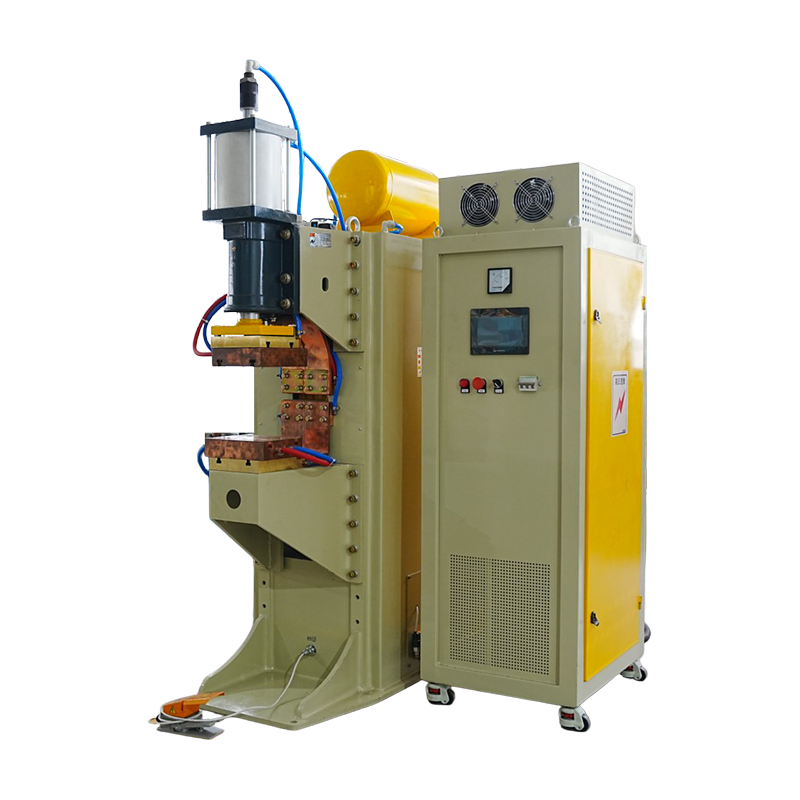
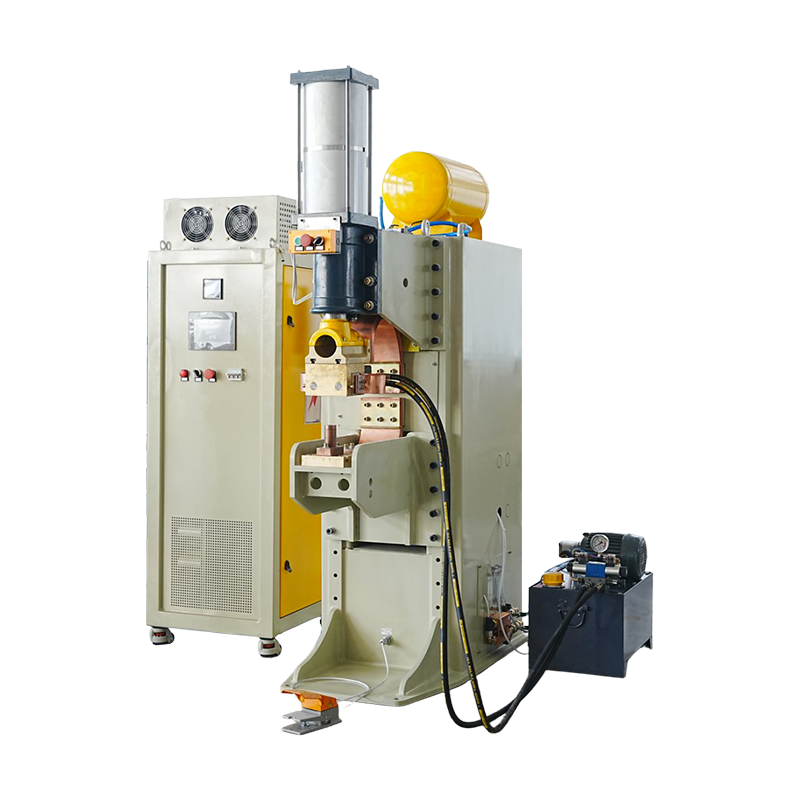
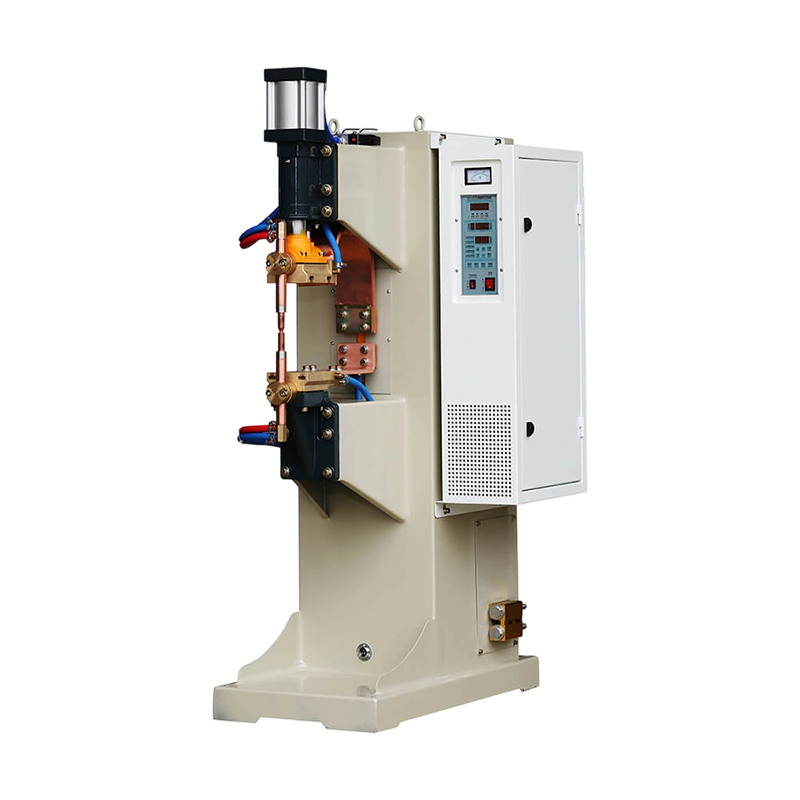
Capacitor discharge spot welding machines store energy in capacitors and release it instantly to generate high welding current. The welding duration is extremely short, the heat-affected zone is small, and the effect on plated or coated surfaces is minimal. This type is ideal for welding miniature metal parts, precision components, nickel-plated or tin-plated pieces, such as electronic components, battery tabs, and small hardware accessories. Key advantages include high welding stability, minimal impact on the power grid, and suitability for precision welding applications.
About Us
Yongkang Jiaxiao Welding Automation Equipment Co., Ltd.
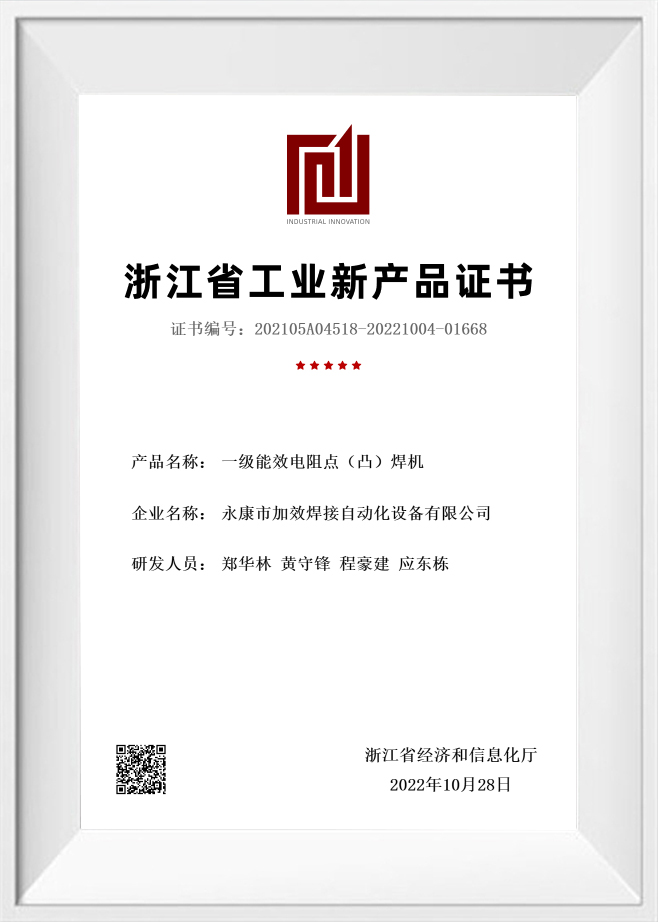
Since its establishment 30 years ago, Yongkang Jiaxiao Welding Automation Equipment Co., Ltd. has specialized in the research, development, manufacturing, sales, and service of resistance welding machines, specialized welding machines, custom Capacitor Discharge Spot Welding Machine, and automated stamping equipment for materials such as copper, aluminum, iron, and stainless steel. The Capacitive Discharge Spot Welder manufacturer & supplier boasts a dedicated R&D team led by experts and comprised of diverse engineers. Its products have passed both the Chinese 3C and European CE certifications, and the company holds dozens of national patents. The company is a leading domestic manufacturer of resistance and automatic welding machines.
Certificate of Honour


News
Message Feedback
Capacitor Energy Storage Spot Welders for Plated Parts, Battery Tabs and Small Metal Components
Capacitor discharge spot welding machines are built for metal joining work where short welding time, concentrated energy release, limited heat influence, and consistent weld appearance all matter. This kind of equipment shows up regularly across plated parts, battery connection tabs, electronic components, precision hardware, thin sheet metal parts, and conductive metal components.
For procurement teams and manufacturing engineers, the decision on a capacitor discharge spot welder involves a lot more than settling on an energy value — 1000J, 10000J, 20000J, or 30000J, whichever it happens to be. Getting it right means weighing material type, thickness, coating condition, weld area, required strength, production capacity, fixture design, and automation level all together.
What Is a Capacitor Discharge Spot Welding Machine?
A capacitor discharge spot welding machine, also called a CD spot welder or capacitor energy storage spot welder, is a resistance welding machine that stores electrical energy in a capacitor bank and releases it rapidly through the welding circuit.
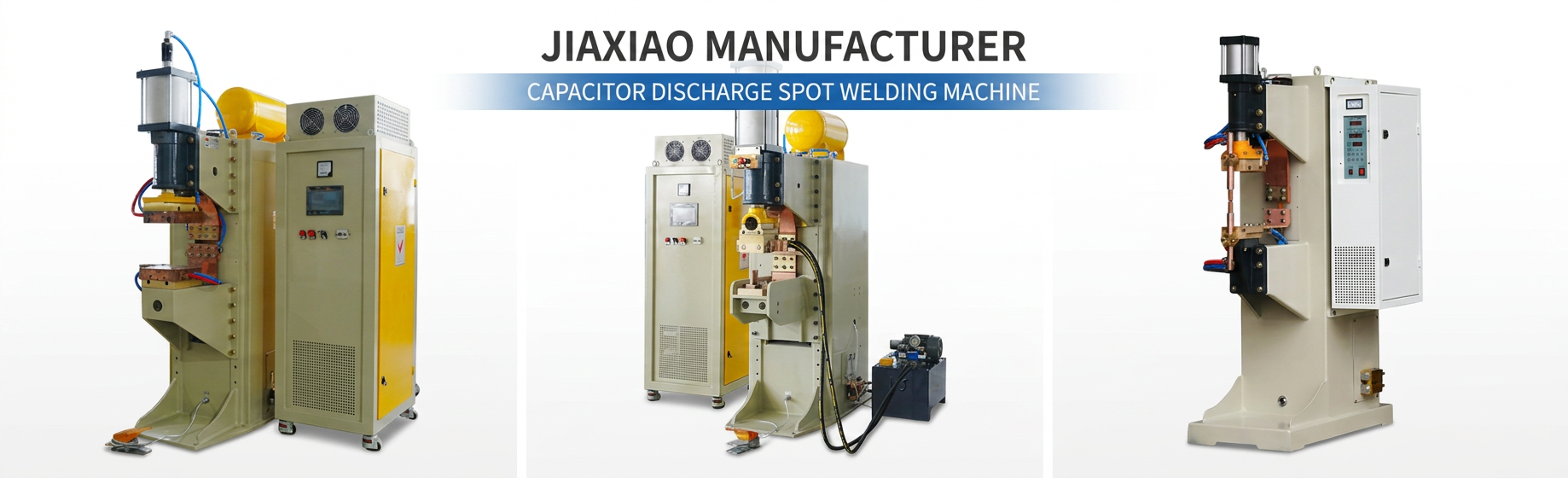
Unlike conventional spot welding machines that draw welding energy directly from the power supply during the weld cycle, a capacitor discharge welder first charges its capacitors to a preset voltage. When welding starts, the stored energy is discharged in a very short time through the transformer, electrodes, and workpiece contact area.
The welding process is mainly controlled by:
- Capacitor energy setting
- Charging voltage
- Discharge time
- Electrode pressure
- Electrode shape
- Workpiece material and thickness
- Fixture positioning
- Surface coating condition
Because the discharge time is short, the heat input is more concentrated around the weld area. This makes the process useful for products that require smaller heat-affected zones, reduced deformation, and controlled surface marks.
Main Advantages of Capacitor Discharge Spot Welding Machines
Capacitor discharge spot welding gets the nod when a job demands fast energy release, minimal heat input, and tight control over weld marks and deformation.
- Short Welding Time The energy fires off in an extremely brief pulse, keeping the workpiece's total heat exposure down and letting suitable parts move through fast welding cycles.
- Smaller Heat-Affected Zone Weld energy stays concentrated rather than spreading out, so heat around the weld point stays contained. That is a real plus for thin metal parts, precision components, and anything with surface finish requirements to protect.
- Reduced Deformation Cut the heat input down, and warping, bending, and thermal distortion drop right along with it — something thin sheets, small metal parts, plated components, and precision assemblies all benefit from.
- Suitable for Plated and Coated Parts Nickel-plated, tin-plated, zinc-plated, and other coated conductive metal parts commonly go through this welding method. Get the parameters right, and coating damage plus visible weld marks stay minimal.
- Good for Precision Metal Components Small parts that need carefully managed weld energy — electronic contacts, battery tabs, copper sheets, nickel strips, terminals, thin conductive parts — all fit naturally into this process.
- Lower Instant Power Demand from the Grid Energy sits stored in capacitors before it discharges, which eases the direct strain on a factory's power supply compared to certain conventional resistance welding setups. Actual electrical demand still comes down to equipment size, the charging system in use, and how the production line runs.
Capacitor Discharge Spot Welder vs AC Spot Welder vs Medium Frequency Spot Welder
Different resistance welding technologies have different strengths. The selection should be based on material, thickness, weld strength, production speed, surface requirement, and automation needs.
| Welding Type | Main Characteristics | Typical Applications |
|---|---|---|
| Capacitor Discharge Spot Welding | Short discharge time, concentrated energy, small heat influence | Precision parts, plated parts, battery tabs, thin conductive metals |
| AC Spot Welding | Mature structure, suitable for general metal joining | Sheet metal, hardware, brackets, wire products, general steel parts |
| Medium Frequency Spot Welding | Stable inverter control, accurate current output, suitable for automated welding | Automotive parts, galvanized steel, stainless steel parts, multi-point welding |
- Capacitor Discharge Spot Welding CD spot welding is often selected when heat control and surface appearance are important. It is suitable for thin materials, plated parts, nickel strips, copper sheets, and small precision components.
- AC Spot Welding AC spot welding is widely used for general-purpose welding of low-carbon steel, iron parts, brackets, cabinets, and common hardware. It is practical for many standard welding tasks.
- Medium Frequency Spot Welding Medium frequency welding provides more stable current control and is commonly used in automotive components, appliance parts, stainless steel products, galvanized sheets, and automated welding systems.
The right technology depends on the product structure and welding requirement, not only the machine name.
How to Choose 1000J, 10000J, 20000J, 30000J and Other Energy Ranges
Picking the right energy range for a capacitor discharge spot welding machine comes down to material type, thickness, weld area, electrical conductivity, weld strength requirement, and how the production line actually runs.
1000J Class
A 1000J capacitor discharge spot welder generally handles small precision parts and thin conductive components.
Typical applications include:
- Small electronic components
- Thin nickel strips
- Small terminals
- Light conductive parts
- Small plated components
- Precision hardware parts
This energy range makes sense when weld size stays small and heat influence needs careful control.
10000J Class
A 10000J capacitor discharge spot welding machine fits medium-sized metal parts, thicker tabs, plated components, and small sheet metal assemblies.
Typical applications include:
- Battery connection tabs
- Nickel-plated parts
- Tin-plated terminals
- Thin stainless steel parts
- Small automotive metal components
- Hardware assemblies
This range steps up the energy compared to small precision welders, while still keeping welding time short.
20000J Class
A 20000J capacitor discharge spot welder takes on larger weld areas, thicker conductive parts, and components that need higher weld strength.
Typical applications include:
- Automotive electrical parts
- Copper sheet connections
- Stainless steel components
- Larger hardware parts
- Precision sheet metal assemblies
- Electrical conductive components
This range often gets consideration when weld strength and heat control both carry equal weight.
30000J Class
A 30000J capacitor discharge spot welding machine suits higher-energy applications, larger parts, and products that need stronger weld formation packed into a short discharge time.
Typical applications include:
- Larger conductive metal parts
- Thicker copper or nickel components
- Automotive metal assemblies
- High-strength hardware components
- Industrial conductive parts
- Multi-layer metal joining, depending on structure
Once you move into high-energy machines, fixture rigidity, electrode cooling, discharge circuit design, and pressure stability all become especially critical.
Practical Energy Selection Notes
Thickness alone should not drive energy selection. Conductivity, coating, contact area, electrode shape, and weld strength requirements all factor into the decision too.
Key factors include:
- Material type
- Sheet thickness or strip thickness
- Number of layers
- Weld area size
- Surface plating
- Required pull strength
- Acceptable weld mark
- Production speed
- Electrode access
- Cooling requirement
Sample testing often proves worthwhile when the material combination or surface coating gets complicated.
Suitable Materials for Capacitor Discharge Spot Welding
Capacitor discharge spot welding mainly serves conductive metal materials, particularly where fast energy release and low heat input are the priority.
Common materials include:
- Low-carbon steel
- Stainless steel
- Nickel-plated steel
- Tin-plated steel
- Galvanized steel
- Nickel strips
- Copper sheets
- Copper alloy parts
- Brass components
- Conductive metal terminals
- Coated metal sheets, depending on coating type
- Battery connection materials, depending on structure and welding requirement
Actual welding performance depends on:
- Material conductivity
- Thickness
- Surface plating
- Oxide layer
- Oil or contamination
- Contact resistance
- Electrode material
- Electrode pressure
- Discharge energy
- Fixture positioning
Copper and aluminum-related applications generally call for careful process evaluation, given how high their conductivity runs and how quickly they dissipate heat. For plated parts, surface condition and electrode maintenance carry significant influence over weld consistency.
Application Industries for Capacitor Discharge Spot Welding Machines
Capacitor discharge spot welding machines find their footing in industries where weld marks, deformation, and heat influence all need to stay under tight control.
Electronic Components
Small conductive parts, terminals, contact pieces, and plated metal parts show up constantly in electronic component work. CD welding fits naturally here, thanks to its short welding time and heating that stays localized.
Common parts include:
- Terminals
- Contact plates
- Conductive tabs
- Small brackets
- Tin-plated or nickel-plated components
Battery Components
Battery-related applications lean on nickel strips, copper sheets, tabs, and conductive connectors quite heavily. Weld consistency, heat control, and fixture positioning all carry real weight in this space.
Typical parts include:
- Battery connection tabs
- Nickel strips
- Copper-nickel connection parts
- Conductive bus parts
- Small battery pack metal components
Process evaluation is worth running through here, since battery component welding hinges on material combination, tab thickness, cell structure, and safety requirements that vary by design.
Automotive Components
Automotive electrical and precision metal parts often need weld strength that holds steady alongside heat input kept under control.
Common parts include:
- Electrical terminals
- Small brackets
- Conductive connectors
- Sensor-related metal parts
- Precision stamped parts
- Plated automotive components
Home Appliance Parts
Appliance manufacturers turn to capacitor discharge spot welding for small metal parts, conductive parts, brackets, contacts, and assemblies where appearance and deformation control matter to the final product.
Small Hardware Products
Small hardware parts generally need welds that hold firm while keeping surface damage to a minimum.
Common parts include:
- Clips
- Brackets
- Springs and contact parts
- Small fittings
- Plated hardware components
Sheet Metal Fabrication
Thin sheet metal parts and coated components benefit from CD welding's ability to hold down deformation and surface damage, provided the machine is configured properly.
Precision Metal Parts
Precision metal components typically call for controlled energy, positioning that stays stable, and welding results that repeat reliably.
Typical applications include:
- Thin stamped parts
- Conductive plates
- Small assemblies
- Plated precision components
- Micro metal fittings, depending on size and weld requirement
Custom Capacitor Discharge Spot Welding Automation Capability
Standard capacitor discharge spot welders are suitable for many precision welding tasks. However, special products may require customized tooling or automated systems.
Custom CD spot welding solutions can include:
- Multi-head welding structure
- Automatic feeding
- Automatic clamping
- Rotary indexing table
- Servo positioning
- Dedicated product fixture
- PLC control
- Touchscreen parameter setting
- Welding data management
- Safety enclosure
- Sensor detection
- Automatic unloading
- Robot interface
- Conveyor connection
- Multi-station welding layout
Customized automation is often considered when the product has:
- Multiple weld points
- Small parts that are hard to position manually
- High repeatability requirements
- Stable mass production demand
- Strict appearance requirements
- Special material combinations
- Integration needs with upstream or downstream equipment
A customized system usually requires product drawings, sample evaluation, fixture design, welding test, and process verification before final configuration.
FAQ
- What is a capacitor discharge spot welding machine used for? It is used for short-time resistance spot welding of conductive metal parts, especially plated parts, thin sheets, nickel strips, copper sheets, terminals, electronic components, battery connection tabs, and precision metal components.
- How does capacitor discharge welding differ from AC spot welding? Capacitor discharge welding stores energy in capacitors and releases it quickly during welding. AC spot welding uses alternating current directly during the weld cycle. CD welding is often selected for shorter welding time and lower heat influence, while AC welding is commonly used for general metal joining.
- What is the difference between capacitor discharge welding and medium frequency welding? Medium frequency welding uses inverter control for stable current output and is widely used in automated sheet metal and automotive applications. Capacitor discharge welding uses stored energy and rapid discharge, making it suitable for precision parts, plated materials, and low heat input applications.
- Is capacitor discharge welding suitable for plated parts? It is often used for nickel-plated, tin-plated, and zinc-plated parts. Actual results depend on coating thickness, surface cleanliness, electrode shape, discharge energy, and pressure setting.
- How can weld marks and deformation be reduced? Weld marks and deformation can be reduced by optimizing discharge energy, electrode pressure, electrode contact area, fixture clamping, cooling, and material surface condition.
- Can the machine be customized for automatic production? Yes. Capacitor discharge spot welding machines can be customized with automatic feeding, rotary tables, multi-head welding, servo positioning, PLC control, touchscreen settings, safety enclosures, and robot or conveyor interfaces.
- What technical information is needed for equipment selection? Important information includes drawings, material type, thickness, plating condition, weld point layout, product dimensions, strength requirements, appearance requirements, production capacity, automation needs, voltage, air supply, and cooling conditions.
Capacitor discharge spot welding machines earn their place in metal joining tasks that call for fast energy release, minimal heat spread, and tightly controlled surface marks. This machine type sees regular use with electronic terminals, battery tabs, nickel strips, copper sheets, automotive electrical components, plated metal parts, appliance accessories, thin sheet metal products, and precision hardware assemblies.
Choosing the right CD spot welder means working through a fairly detailed checklist: material type, thickness, surface coating, weld point size, required weld strength, capacitor energy range, electrode structure, clamping pressure, fixture accuracy, expected output, and the automation level needed. When parts come with unusual shapes, multiple weld points, or strict consistency demands, Jiaxiao factory builds customized capacitor discharge spot welding solutions from the ground up — dedicated fixtures, stable pressure control, and automated handling options included — all aimed at making production more repeatable from batch to batch.
Choosing the right CD spot welder means working through a fairly detailed checklist: material type, thickness, surface coating, weld point size, required weld strength, capacitor energy range, electrode structure, clamping pressure, fixture accuracy, expected output, and the automation level needed. When parts come with unusual shapes, multiple weld points, or strict consistency demands, Jiaxiao factory builds customized capacitor discharge spot welding solutions from the ground up — dedicated fixtures, stable pressure control, and automated handling options included — all aimed at making production more repeatable from batch to batch.



 +86-15268688035
 jx12@4006796688.com
 NO.99,Huaxi Road,Chengxi New District,Yongkang city,Zhejiang China.
Message Us Right Now!
Copyright © Yongkang Jiaxiao Welding Automation Equipment Co., Ltd. All Rights
Reserved
China Welding Equipment Manufacturer
