
 EN
EN

 English
  русский
  Français
  Español
  عربى
عربى 
 Get a Quote
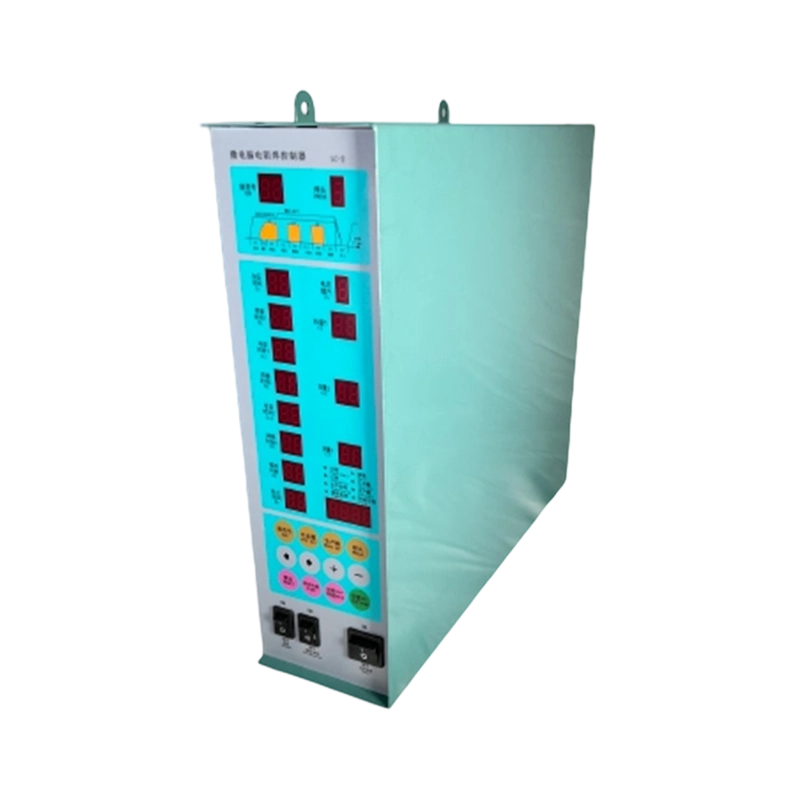
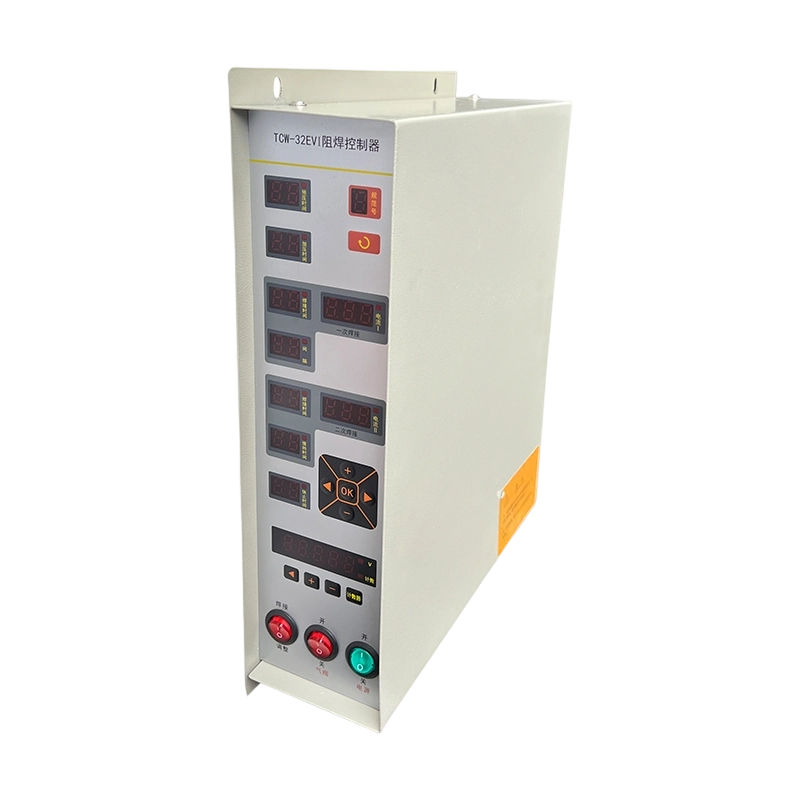
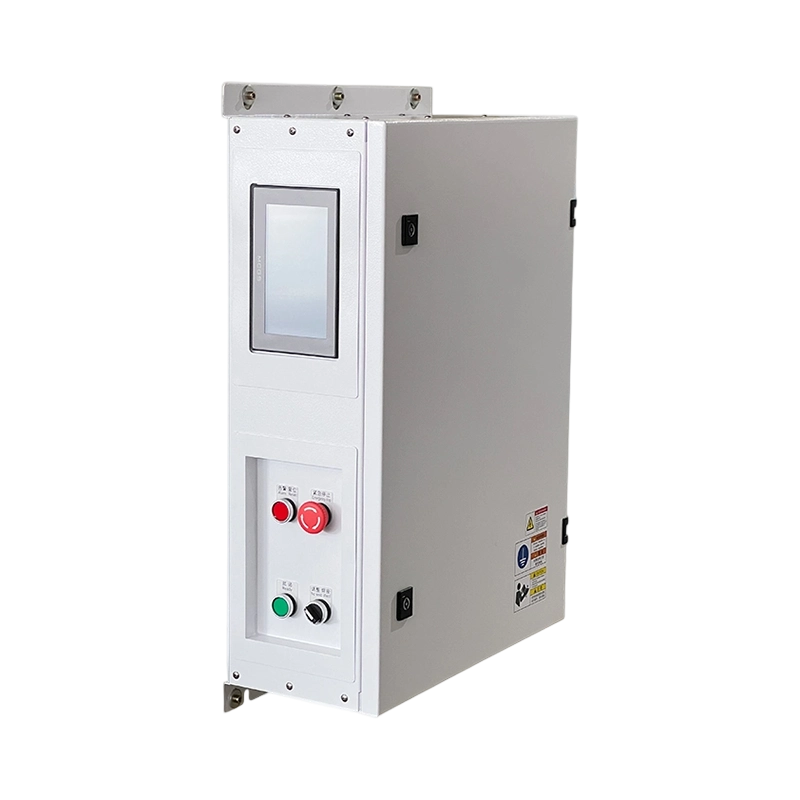
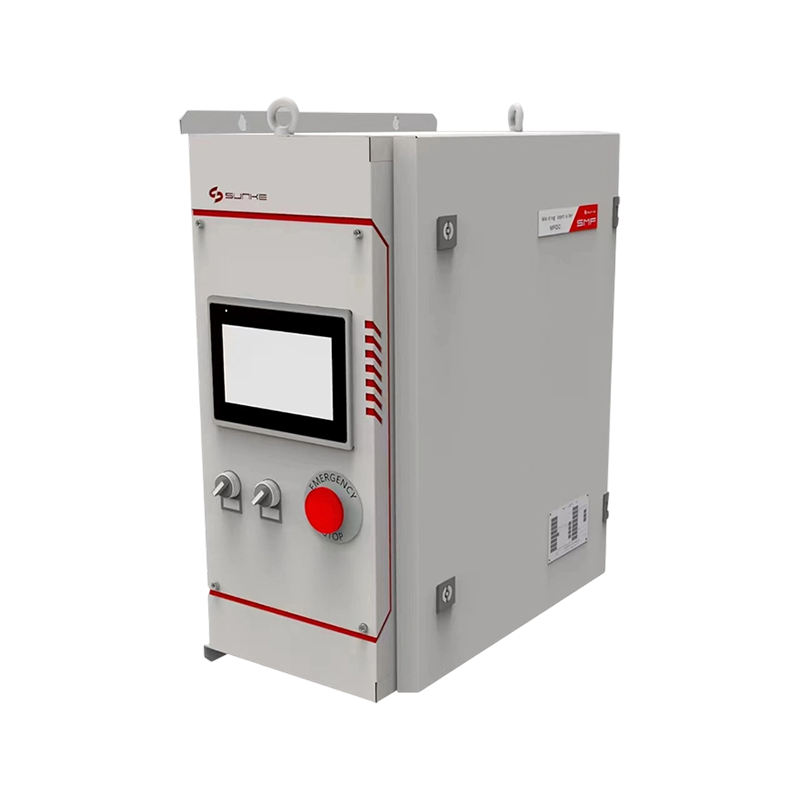
Welding Controller
×
×
×
×
×
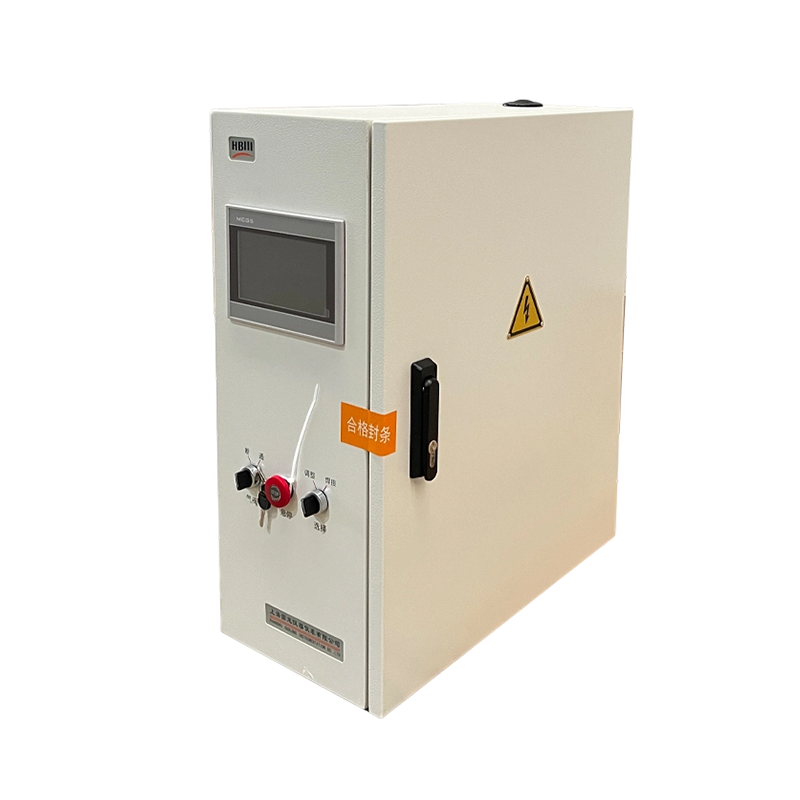
×
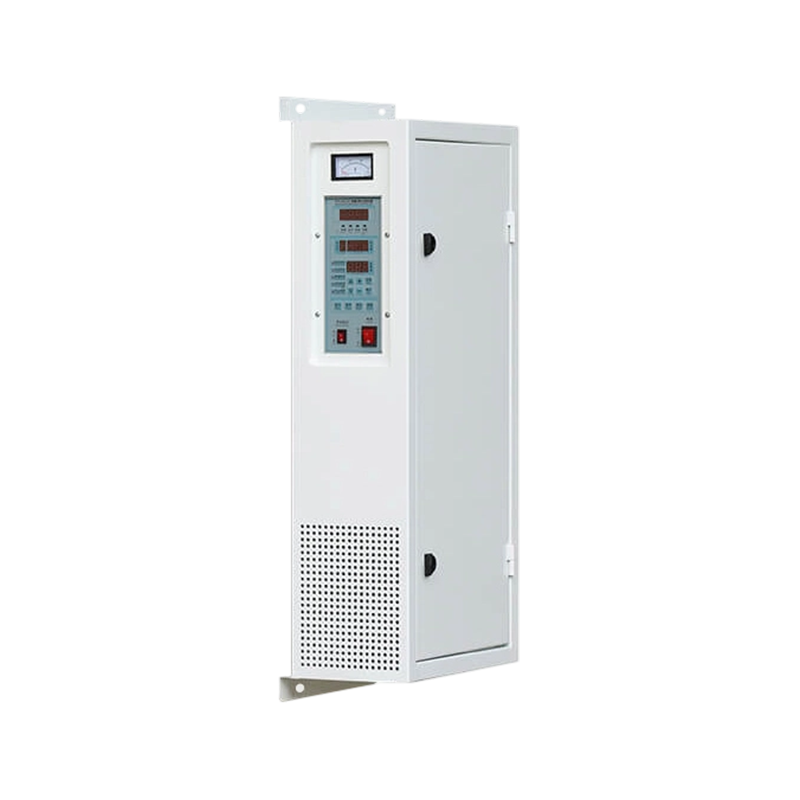
1000J Capacitor Discharge Welding Controller
| Model | K1000J-450V |
| Rated Capacity | 1000J |
| Charging Voltage | 0-450V |
| Capacitance | 10000μF |
×
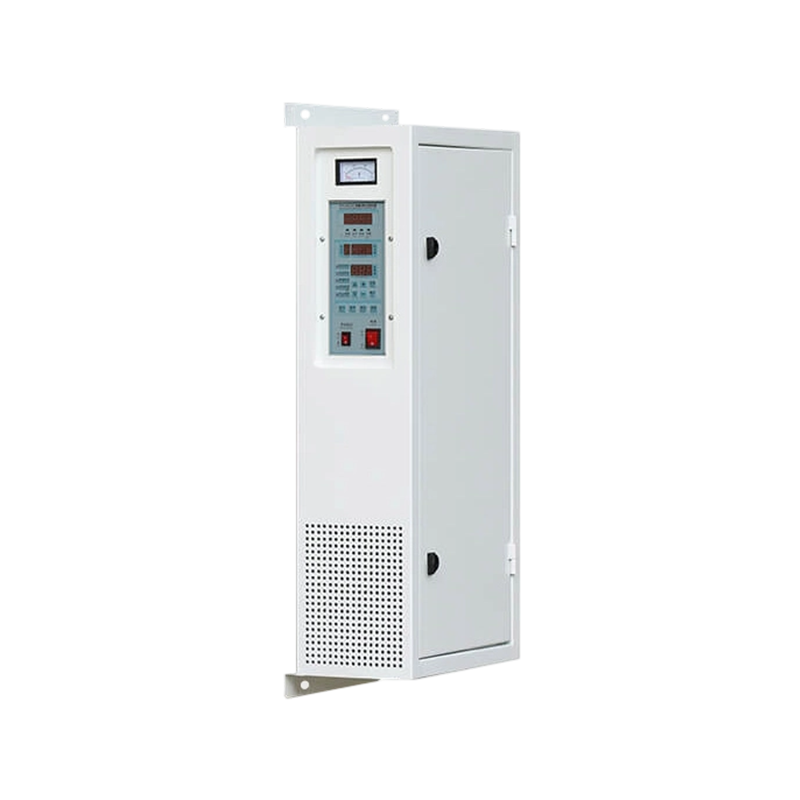
2000J Capacitor Discharge Welding Controller
| Model | K2000J-450V |
| Rated Capacity | 2000J |
| Charging Voltage | 0-450V |
| Capacitance | 20000μF |
×
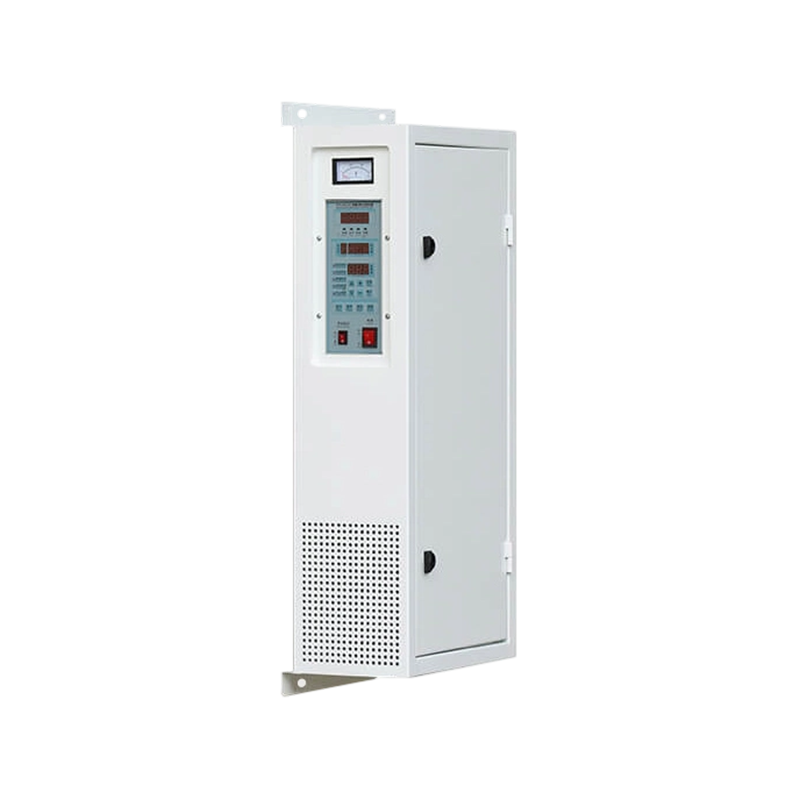
3000J Capacitor Discharge Welding Controller
| Model | K3000J-450V |
| Rated Capacity | 3000J |
| Charging Voltage | 0-450V |
| Capacitance | 30000μF |
×
5000J Capacitor Discharge Welding Controller
| Model | K5000J-450V |
| Rated Capacity | 5000J |
| Charging Voltage | 0-450V |
| Capacitance | 50000μF |
×
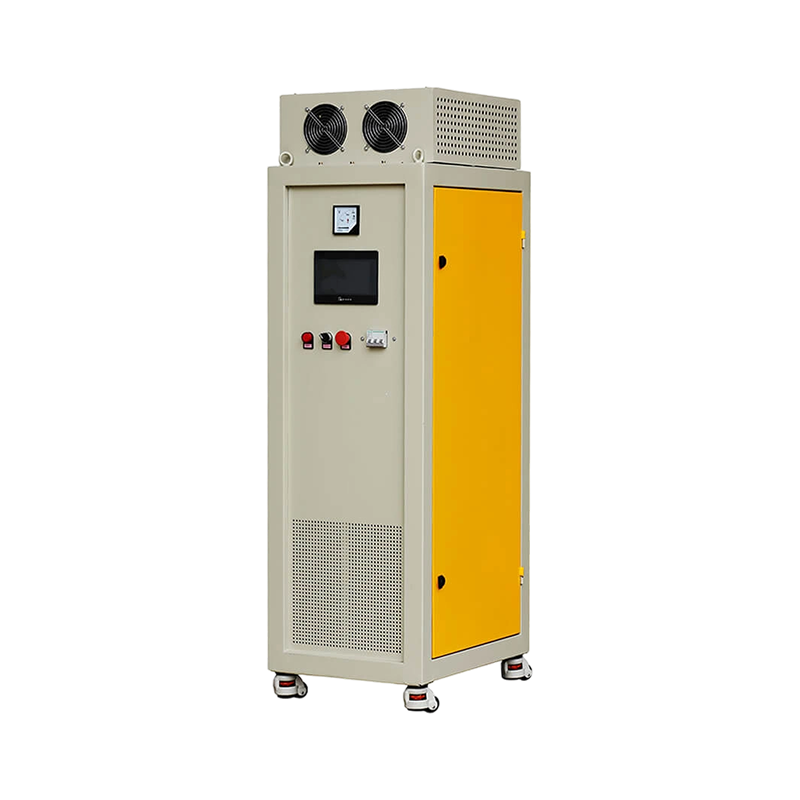
6000J Capacitor Discharge Welding Controller
| Model | K6000J-800V |
| Rated Capacity | 6000J |
| Charging Voltage | 0-800V |
| Capacitance | 18000μF |
| Operation Mode | Touch Screen |
| Discharge Mode | Four Silicon Alternating |
×
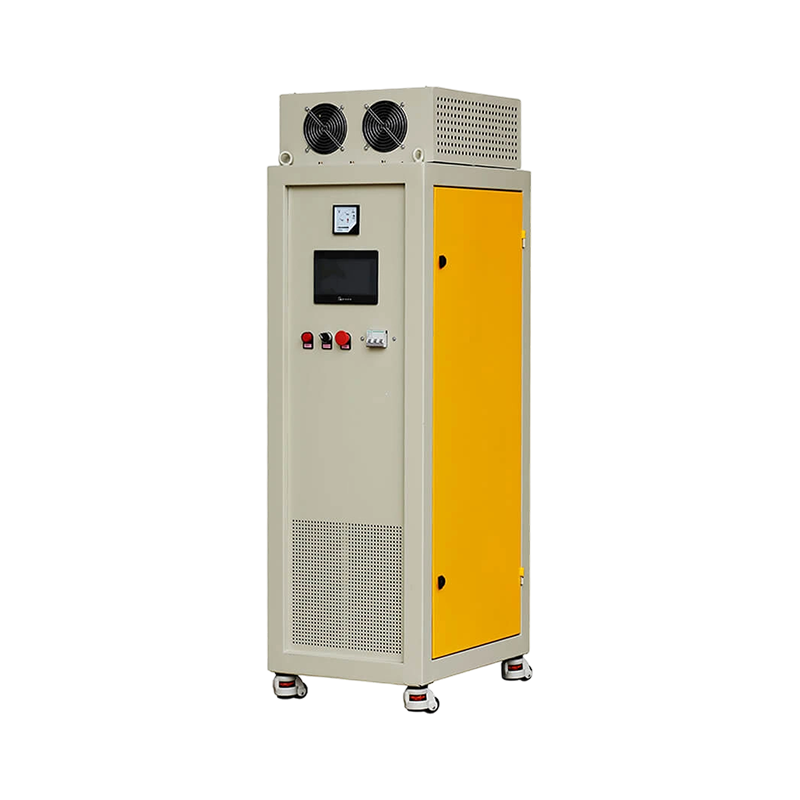
10000J Capacitor Discharge Welding Controller
| Model | K1000J-800V |
| Rated Capacity | 10000J |
| Charging Voltage | 0-800V |
| Capacitance | 30000μF |
| Operation Mode | Touch Screen |
| Discharge Mode | Four Silicon Alternating |
×
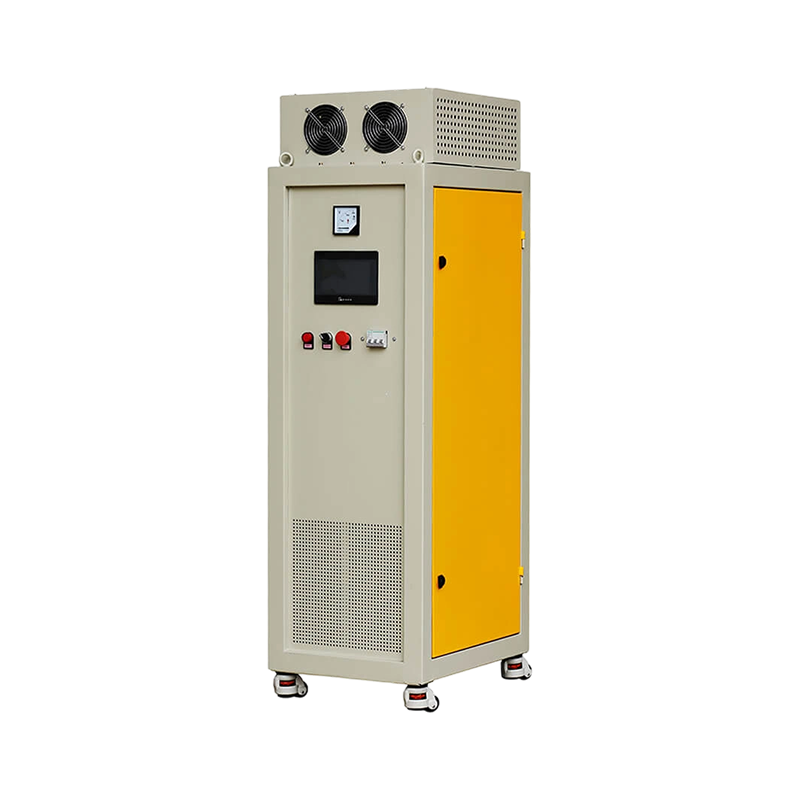
20000J Capacitor Discharge Welding Controller
| Model | K20000J-800V |
| Rated Capacity | 2000J |
| Charging Voltage | 0-800V |
| Capacitance | 60000μF |
| Operation Mode | Touch Screen |
| Discharge Mode | Four Silicon Alternating |
Controllers are the central control units in modern welding systems, responsible for precisely regulating key welding parameters such as current, voltage, frequency, and weld timing. With advanced digital control and feedback algorithms, welding controllers improve weld quality, ensure consistency, shorten production cycles, and integrate seamlessly with PLCs, robots, and other automation systems, playing a critical role in spot welding, projection welding, seam welding, and more.
About Us
Yongkang Jiaxiao Welding Automation Equipment Co., Ltd.
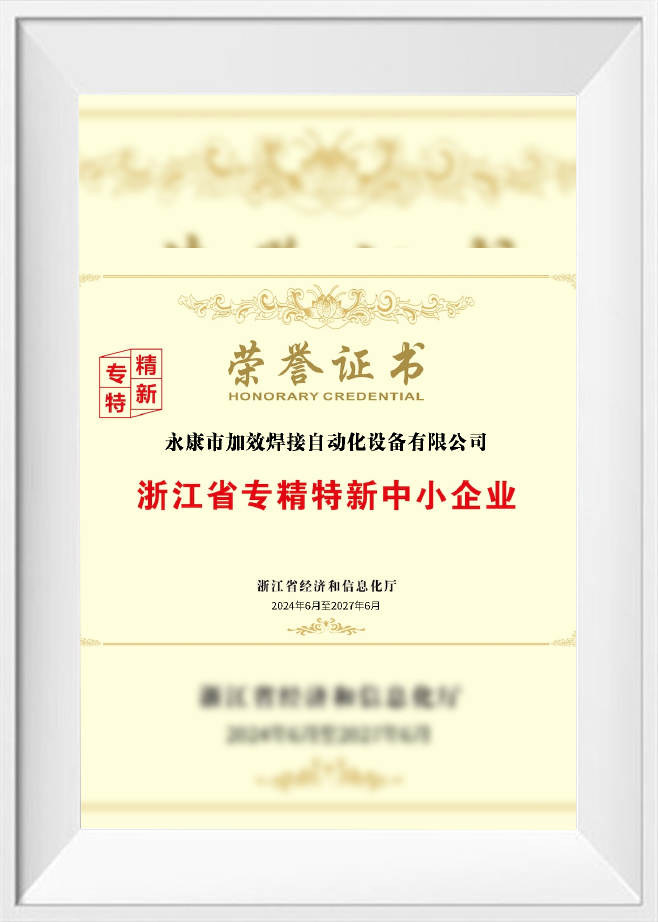
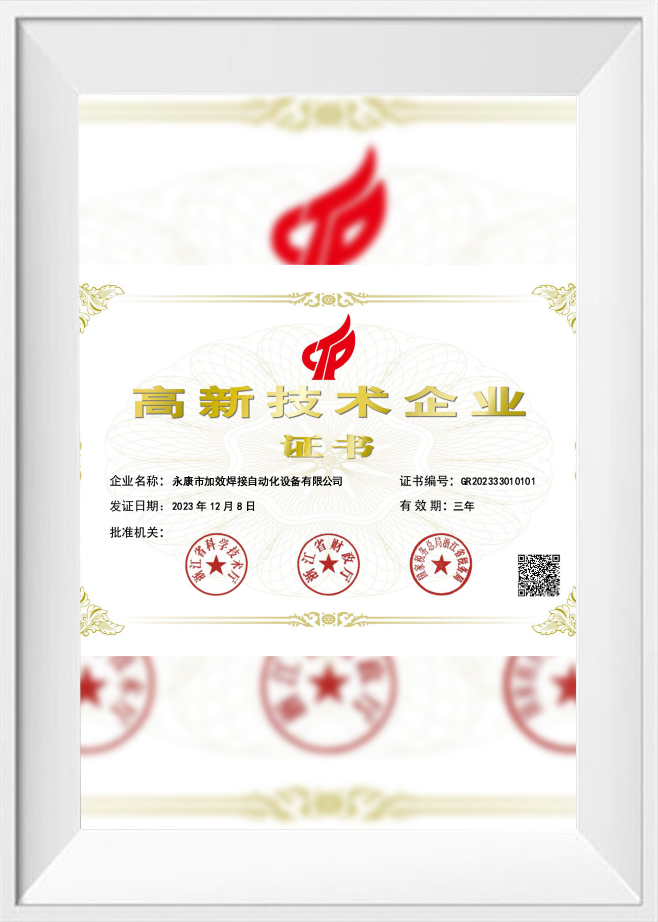
Since its establishment 30 years ago, Yongkang Jiaxiao Welding Automation Equipment Co., Ltd. has specialized in the research, development, manufacturing, sales, and service of resistance welding machines, specialized welding machines, custom Welding Controller, and automated stamping equipment for materials such as copper, aluminum, iron, and stainless steel. The China Welding Controller manufacturer boasts a dedicated R&D team led by experts and comprised of diverse engineers. Its products have passed both the Chinese 3C and European CE certifications, and the company holds dozens of national patents. The company is a leading domestic manufacturer of resistance and automatic welding machines.
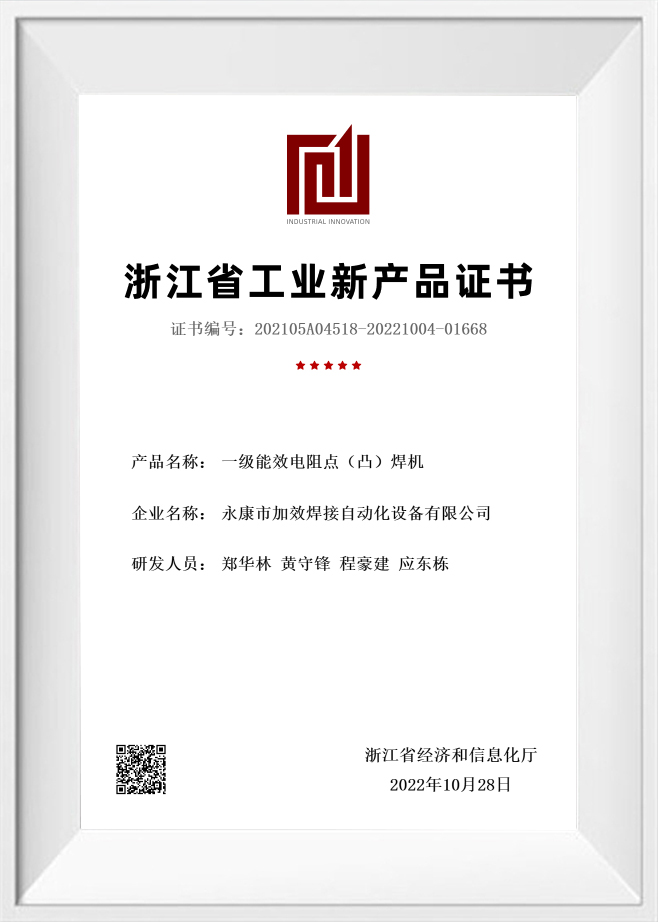
Certificate Of Honour
News
Message Feedback
Welding Controllers for Resistance Welding and Automated Welding Systems
A welding controller is the central control unit of a resistance welding machine. It coordinates welding current, welding time, electrode pressure timing, transformer output, capacitor discharge, safety signals, and automation communication. In spot welding machines, seam welding machines, projection welding machines, capacitor discharge welders, and customized welding stations, the controller determines how welding energy is released and how each welding cycle is executed.
For industrial equipment manufacturers, production plants, system integrators, and maintenance teams, selecting the right welding controller is important for process stability, machine compatibility, parameter management, and long-term equipment operation. The correct controller should match the welding power source, transformer type, welding process, electrical interface, production rhythm, and automation requirements.
What Is a Welding Controller?
A welding controller is an electronic control system used to manage the welding sequence and power output of resistance welding equipment. It sends control signals to the welding power circuit and coordinates related machine actions such as electrode pressing, current output, cooling time, holding time, alarm protection, and communication with external devices.
Core Role in Resistance Welding Equipment
In resistance welding, the controller manages the relationship between current, time, pressure, and energy output. These factors directly influence heat generation, weld nugget formation, projection collapse, surface indentation, spatter, and production repeatability.
A welding controller can be used to control:
- AC spot welding machines
- AC seam welding machines
- Projection welding machines
- Medium frequency inverter welders
- Variable frequency welding systems
- Capacitor discharge spot welders
- Multi-point welding equipment
- Automated resistance welding stations
The controller does not work alone. It must be matched with transformers, electrodes, pneumatic or servo pressing units, sensors, safety circuits, and the overall machine structure.
How a Welding Controller Controls the Welding Process
A welding controller manages the welding cycle by controlling the timing and electrical output of each stage. Different controller types use different power regulation methods, but the basic purpose is the same: release the right amount of energy at the correct time.
Control of Current, Voltage and Frequency
Depending on the welding power system, the controller may regulate:
- Welding current
- Output voltage
- AC conduction angle
- Medium frequency inverter output
- Capacitor charging voltage
- Discharge trigger timing
- Pulse output
- Current feedback correction
- Voltage feedback monitoring
For AC resistance welding, the controller often works with SCR power regulation. For medium frequency systems, it controls inverter output. For capacitor discharge welding, it manages charging voltage, stored energy, and discharge timing.
Control of Welding Timing
Welding quality depends not only on current, but also on the timing sequence. Common timing parameters include:
- Squeeze time
- Preheat time
- Welding time
- Pulse interval
- Cooling time
- Hold time
- Off time
- Discharge delay
- Repeat welding cycle
Correct timing allows the electrodes to press the workpiece before current output, maintain pressure during weld formation, and hold the parts until the joint cools sufficiently.
Main Types of Welding Controllers
Different welding machines require different controller designs. The controller should match the power system, transformer type, welding process, output method, and automation requirement.
- Power Frequency Welding Controllers Power frequency welding controllers are used with 50Hz or 60Hz AC resistance welding transformers. They usually control SCR output and are suitable for AC spot welders, seam welders, projection welders, general resistance welding machines, sheet metal welding equipment, and hardware welding machines.
- Medium Frequency Welding Controllers Medium frequency welding controllers are used in MFDC inverter welding systems. They control inverter output and rectified DC welding current, making them suitable for medium frequency spot welders, automated welding lines, automotive component welding, sheet metal assemblies, and applications requiring stable current control.
- Variable Frequency Welding Controllers Variable frequency welding controllers are used when the welding system requires adjustable frequency output, flexible waveform control, or special process tuning. They are often applied in customized welding machines and non-standard automated welding equipment.
- Capacitor Discharge Welding Controllers Capacitor discharge welding controllers manage capacitor charging, charging voltage, stored energy, and discharge triggering. They are commonly used for capacitor discharge spot welders, thin sheet welding, battery tabs, electronic terminals, plated parts, small hardware, and precision metal components.
- Spot, Seam and Projection Welding Controllers Spot welding controllers manage single-point or repeated spot welding cycles. Seam welding controllers coordinate current output with roller electrode movement for continuous or intermittent seams. Projection welding controllers control energy output for weld nuts, studs, terminals, bosses, raised points, and formed contact areas.
Power Frequency Welding Controllers for AC Resistance Welding
Power frequency welding controllers are widely used in conventional AC resistance welding machines. They work with power frequency transformers and SCR modules to regulate current output during each welding cycle.
- Applications in AC Spot Welding In AC spot welding machines, the controller sets squeeze time, weld time, current level, hold time, and cycle sequence. It is commonly used for low-carbon steel sheets, stainless steel sheets, galvanized sheets, stamped parts, appliance panels, brackets, and hardware products.
- Applications in Seam Welding For seam welding machines, the controller may manage repeated current pulses or continuous output while roller electrodes rotate. Stable timing and current control are important for tanks, filters, containers, cylinders, and sheet metal seams.
- Applications in Projection Welding Projection welding requires sufficient current at the moment the raised point collapses. The controller helps manage pre-pressure, welding time, current output, and holding time to support stable projection weld formation.
Medium Frequency and Variable Frequency Welding Controllers
Medium frequency and variable frequency welding controllers are used in resistance welding systems that require faster current response, stable output control, and better automation compatibility. They are commonly matched with MFDC inverter welders and customized automatic welding equipment.
- Applications in MFDC Welding Machines Medium frequency controllers regulate inverter output and rectified DC welding current. Compared with conventional AC systems, they offer more flexible current adjustment and are suitable for thin sheet welding, precision assemblies, automotive parts, multi-station welding equipment, and applications requiring current feedback control.
- Use in Automated Welding Lines In automatic welding lines, these controllers can connect with PLCs, robots, servo positioning units, safety interlocks, and monitoring systems. Common functions include program selection, parameter storage, fault output, current monitoring, cycle completion feedback, remote start, production counting, and interlock control.
Capacitor Discharge Welding Controllers
Capacitor discharge welding controllers find their place inside welding machines that release stored capacitor energy in one short, focused pulse. Their job covers capacitor charging, charging voltage, discharge triggering, welding timing, and fault protection all at once.
Applications in Precision Welding
You'll come across CD welding controllers most often paired with thin sheets, battery tabs, nickel strips, electronic terminals, plated parts, contacts, small hardware, and precision metal assemblies. They suit processes that call for short heat input, high peak current, limited heat spread, fast welding cycles, and deformation that stays under control.
Common Specifications
Energy ratings for typical capacitor discharge controllers tend to fall around 1000J, 2000J, 5000J, 6000J, 10000J, and 20000J, with 450V and 800V standing out as the go-to charging voltage options.
Making the right selection comes down to weighing capacitor capacity, transformer design, discharge current requirement, material thickness, weld area, and secondary loop layout together.
Operation and Discharge Control
A good number of CD controllers rely on a touchscreen to handle parameter setting, program storage, status monitoring, and fault display. Depending on how the machine itself is built, they may support single discharge, repeated discharge, multi-pulse discharge, or discharge logic that's been customized for a specific application.
Applications of Welding Controllers
Welding controllers are used in resistance welding machines and automated welding stations to manage current output, welding time, pressure sequence, and cycle signals. The controller should be selected according to the welding process and machine structure.
Common Welding Applications
They are commonly applied in:
- Spot welding: sheet metal parts, brackets, panels, wire products, and small assemblies
- Projection welding: weld nuts, studs, bosses, terminals, contacts, and stamped projections
- Seam welding: tanks, filters, containers, cylinders, tube seams, and continuous sheet seams
- Multi-point welding: metal mesh, grids, reinforcement panels, frame parts, and multi-point fixtures
- Capacitor discharge welding: thin sheets, battery tabs, nickel strips, electronic terminals, contacts, and precision parts
- Sheet metal welding: cabinets, enclosures, appliance panels, brackets, and fabricated metal structures
- Automotive and appliance parts: electrical components, fasteners, stainless parts, internal frames, housings, and small metal assemblies
How to Select a Welding Controller
Working out which welding controller fits best should begin with the welding machine type, power system, transformer structure, welding process, and automation requirement. A controller needs to line up with both the electrical output system and the mechanical timing that drives the equipment.
- Match the Welding Power System When it comes to 50Hz or 60Hz AC resistance welding machines, a power frequency controller running SCR control tends to be the standard choice. Medium frequency inverter systems call for something different — here, the controller needs to align with the inverter module, rectifier transformer, feedback method, and current regulation range. Capacitor discharge welders bring their own requirements too, with the controller needing to match the energy level, charging voltage, capacitance, discharge circuit, and CD transformer working together.
- Match the Welding Process Different welding processes demand different logic entirely — spot welding, seam welding, projection welding, multi-point welding, and capacitor discharge welding each rely on their own timing sequence and output control approach. Seam welding often calls for roller synchronization paired with repeated pulse output, while projection welding needs current delivery that stays stable right through the projection collapse. Capacitor discharge welding, by contrast, centers around charging voltage, discharge timing, and how the stored energy gets released.
- Match Automation Requirements Manual machines can usually get by with straightforward parameter setting and steady output — nothing overly complex is needed there. Automated equipment is a different story, though, since the controller should be able to handle PLC signals, program selection, fault feedback, production counting, safety interlock, touchscreen operation, and in some cases, communication with robots or line control systems.
- Match Operation and Parameter Management Touchscreen controllers really prove their worth when a facility needs multiple welding programs, several product models, and reliable parameter storage all working together. In production settings where product changeovers happen frequently, having program memory on hand along with a clear fault display can shave down setup time considerably and keep operation consistency intact across shifts.
Standard Welding Controllers and Custom Control Systems
Standard welding controllers and customized control systems serve different machine requirements. The choice depends on equipment structure, welding process, interface needs, and control complexity.
| Item | Standard Welding Controller | Custom Welding Control System |
|---|---|---|
| Main use | Common spot, seam, projection, or CD welding machines | Special machines, automated cells, multi-station systems |
| Control logic | Built-in welding timing and output control | Designed around process sequence and line logic |
| Interface | Standard I/O and operation panel | Customized PLC, HMI, sensor, robot, and safety interfaces |
| Parameter setting | Regular current, time, voltage, and program settings | Application-specific parameter structure |
| Installation | Standard cabinet or panel mounting | Adapted to machine layout and electrical cabinet design |
| Application | General welding equipment | Non-standard welding systems and retrofit projects |
When a Standard Controller Is Suitable
A standard controller is suitable when the machine type, power system, transformer, output range, timing sequence, and interface requirements match regular specifications.
When a Custom Control System Is Needed
A custom system is useful when the equipment requires multi-station control, special discharge logic, robot coordination, servo positioning, automatic feeding, special safety interlocks, data monitoring, or replacement of an old control platform with different wiring and signal logic.
Why Choose Jiaxiao Welding Controllers
Jiaxiao supplies welding controllers for power frequency AC resistance welding machines, medium frequency welding systems, variable frequency welding equipment, capacitor discharge spot welders, seam welding machines, projection welding machines, and customized automatic welding stations.
Jiaxiao focuses on practical matching between welding control logic and the complete equipment system. Technical evaluation can include welding machine type, transformer specification, SCR or IGBT power module, capacitor energy level, charging voltage, discharge mode, welding current range, timing sequence, touchscreen operation, PLC communication, I/O interface, safety interlock, installation structure, and retrofit wiring requirements.
For new welding equipment, machine upgrading, replacement projects, and automated welding integration, Jiaxiao provides welding controller solutions designed around real process needs, machine compatibility, and industrial operating conditions.



 +86-15268688035
 jx12@4006796688.com
 NO.99,Huaxi Road,Chengxi New District,Yongkang city,Zhejiang China.
Message Us Right Now!
Copyright © Yongkang Jiaxiao Welding Automation Equipment Co., Ltd. All Rights
Reserved
China Welding Equipment Manufacturer
