
 EN
EN

 English
  русский
  Français
  Español
  عربى
عربى 
 Get a Quote
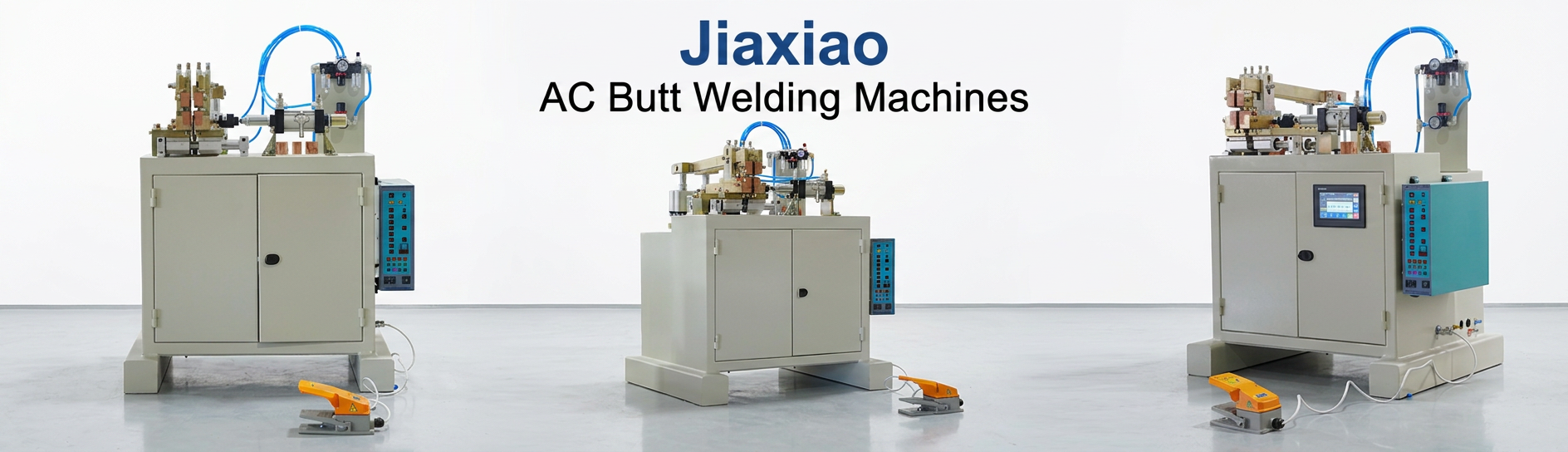
AC Butt Welding Machines
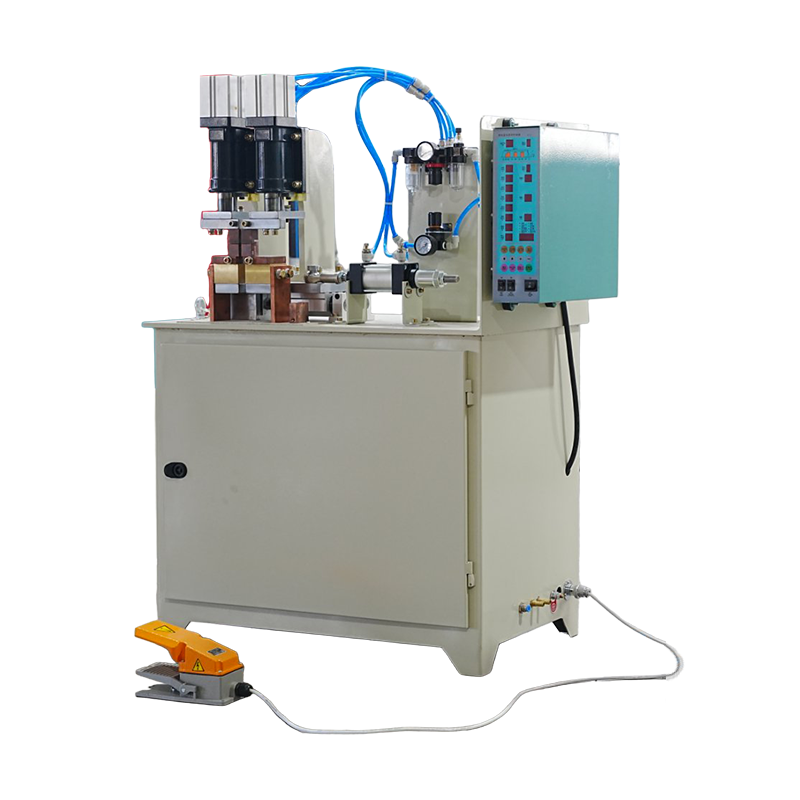
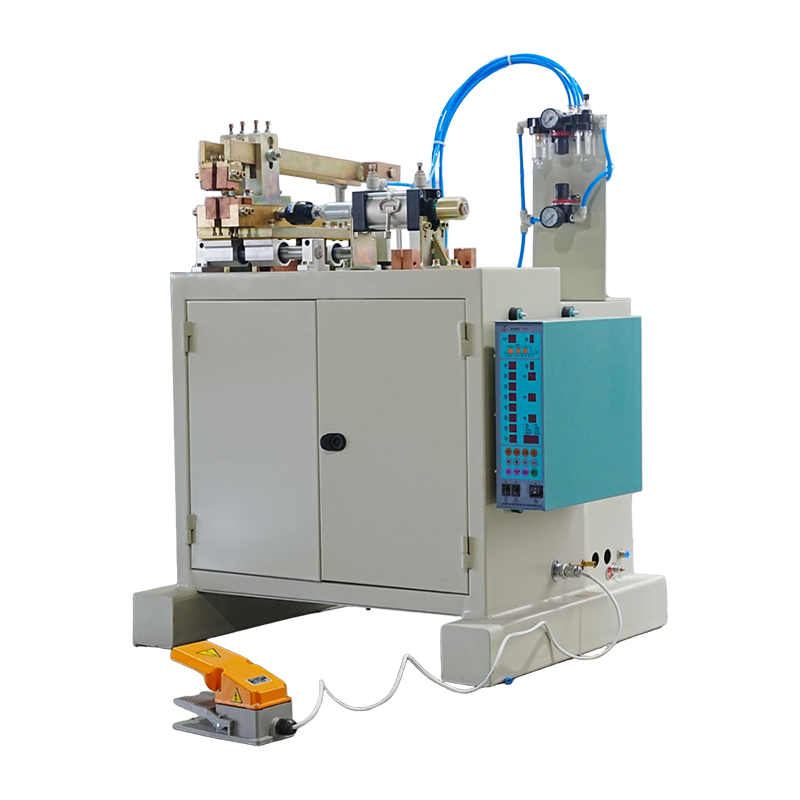
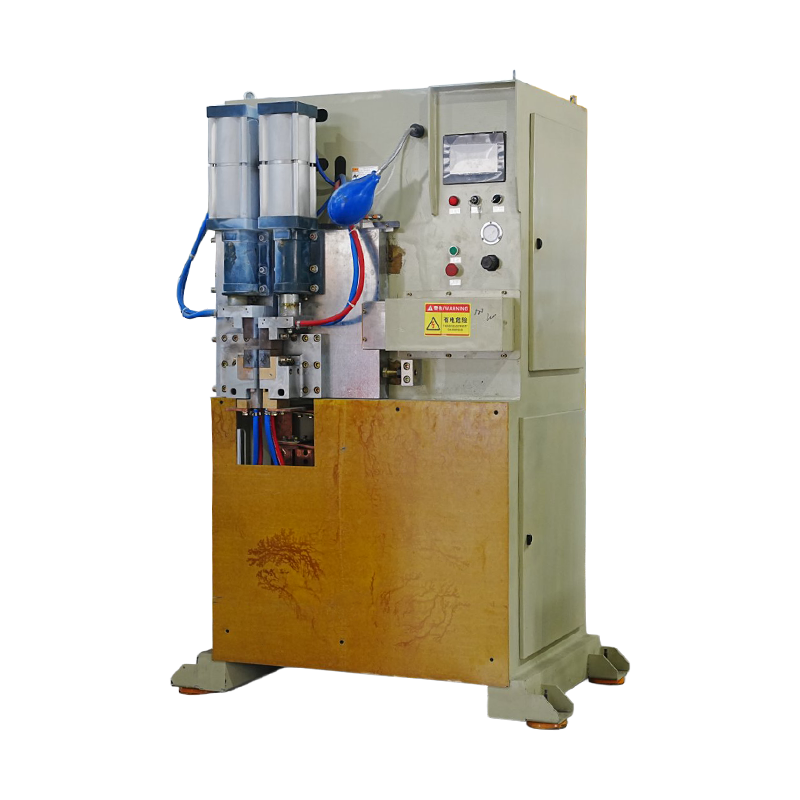
AC butt welding machines use alternating current as the power source to join two metal workpieces end to end through resistance heating and upsetting force. The equipment delivers stable heat input and reliable forging pressure, resulting in strong and consistent joints without the need for filler materials. AC butt welding machines are suitable for welding bars, wires, pipes, profiles, and similar components made of carbon steel, low-alloy steel, and non-ferrous metals. They are widely applied in metal product manufacturing, construction materials, wire and cable processing, automotive parts, and machinery fabrication. The machines are characterized by simple structure, convenient operation, low operating costs, and high production efficiency, making them a practical solution for mass butt-joint production.
About Us
Yongkang Jiaxiao Welding Automation Equipment Co., Ltd.
Since its establishment 30 years ago, Yongkang Jiaxiao Welding Automation Equipment Co., Ltd. has specialized in the research, development, manufacturing, sales, and service of resistance welding machines, specialized welding machines, Butt Welding Machine, and automated stamping equipment for materials such as copper, aluminum, iron, and stainless steel. The Butt Welding Machine supplier boasts a dedicated R&D team led by experts and comprised of diverse engineers. Its products have passed both the Chinese 3C and European CE certifications, and the company holds dozens of national patents. The company is a leading domestic manufacturer of resistance and automatic welding machines.
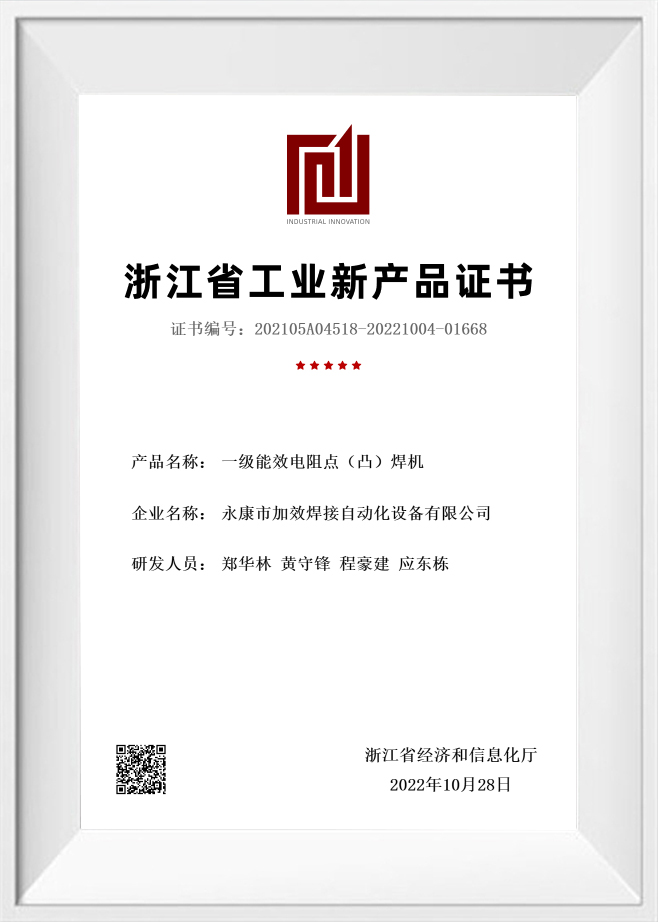
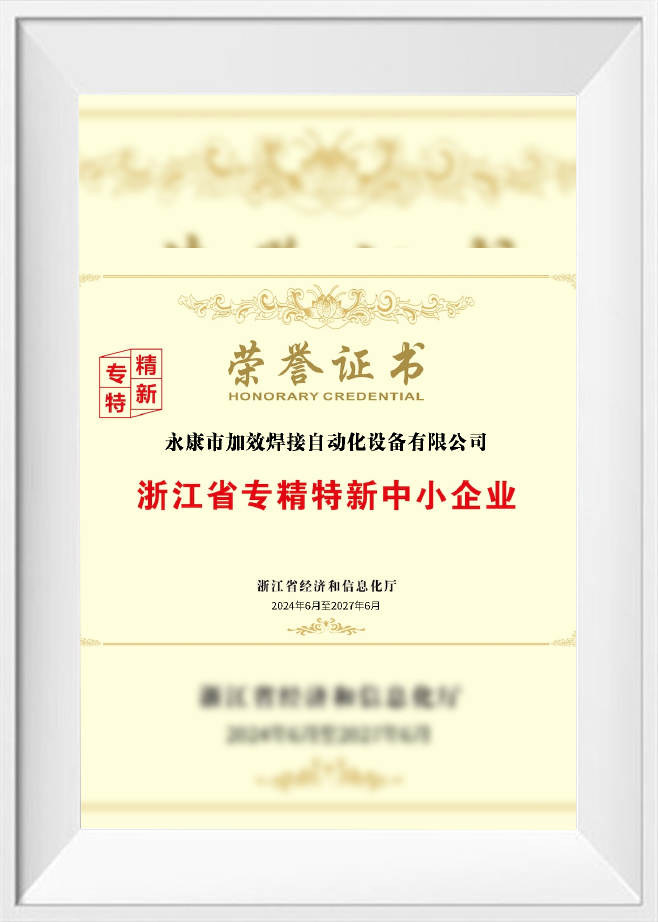
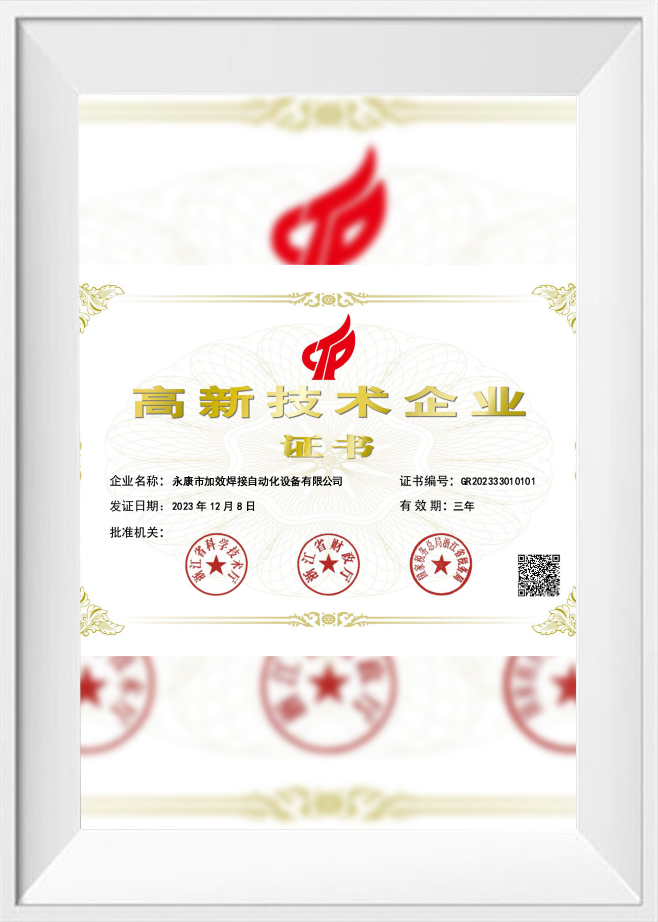
Certificate of Honour
News
Message Feedback
AC Butt Welding Machines for Industrial End-to-End Metal Joining
AC butt welding machines join metal workpieces end to end through resistance heat and upsetting pressure. This process shows up regularly across wires, rods, bars, rebars, tubes, profiles, flat steel, rings, chains, frames, and other continuous or structural metal components.
For manufacturing plants, picking the right AC butt welding machine comes down to material type, diameter, cross-sectional area, end-face size, weld strength requirement, production capacity, clamping method, and automation level. A well-matched machine configuration helps lift welding stability, cut material waste, and back up repeated production of metal parts with consistent joint quality.
What Is an AC Butt Welding Machine?
An AC butt welding machine is a resistance welding machine that puts alternating current to work generating heat at the contact surfaces of two metal workpieces. The two workpieces get clamped, aligned, heated through electrical resistance, then pressed together by upsetting force to form a solid joint.
Unlike spot welding, which joins overlapping sheets at selected points, butt welding brings two workpieces together at their ends. This process suits continuous or linear metal parts where the joint needs to become part of the workpiece body itself.
Typical workpieces include:
- Steel wire
- Steel rods
- Reinforcing bars
- Metal rings
- Tubes
- Profiles
- Flat steel
- Strips
- Tool parts
- Mechanical components
- Automotive metal parts
- Construction material components
The working principle rests on three core factors:
- Electrical resistance heat generated at the workpiece interface
- Clamping force that holds both workpieces securely
- Upsetting pressure that forges the heated ends together
Get these factors properly dialed in, and the welded joint can reach reliable mechanical connection across many metal manufacturing applications.
Main Types of AC Butt Welding Machines
AC butt welding machines come in different forms shaped around workpiece size, production method, and welding process requirements.
Pneumatic Butt Welding Machine
A pneumatic butt welding machine relies on compressed air to control clamping, upsetting, or both. It fits repeated production runs where stable pressure and efficient operation matter.
Common applications cover:
- Steel wire joining
- Small rods
- Metal rings
- Hardware parts
- Light profiles
- Appliance components
Pneumatic control cuts down operator variation and lifts repeatability well above what fully manual operation delivers.
AC Resistance Butt Welding Machine
An AC resistance butt welding machine joins workpieces by pressing their end faces together and running current through the contact area. Heat builds up mainly from resistance at the interface.
This machine type sees regular use for:
- Wires
- Rods
- Bars
- Rings
- Flat steel
- Small metal parts
- Low-carbon steel and low-alloy steel components
The process works well when workpiece ends can be prepped with reasonably clean and consistent contact surfaces.
Flash Butt Welding Machine
A flash butt welding machine uses controlled flashing to heat the workpiece ends before upsetting kicks in. During flashing, small arcs form between the approaching end faces, clearing away surface oxides while heating the metal.
Flash butt welding turns up often for:
- Larger cross-section bars
- Rebars
- Rails, depending on machine design
- Tubes
- Profiles
- Rings
- Heavy-duty steel parts
This process earns its place when end-face preparation gets tricky or when larger parts demand strong end-to-end joining.
AC Resistance Butt Welding vs Flash Butt Welding
AC resistance butt welding and flash butt welding both join metal parts end to end, but their heating methods and suitable applications are different.
| Item | AC Resistance Butt Welding | Flash Butt Welding |
|---|---|---|
| Heating method | Resistance heat at pressed contact surfaces | Flashing and resistance heating before upsetting |
| End-face requirement | Requires cleaner and better-matched end faces | More tolerant of minor surface variation |
| Typical workpieces | Wires, rods, rings, flat steel, small parts | Rebars, tubes, profiles, larger bars, heavy parts |
| Flash formation | Usually less flash | More flash, often requires trimming |
| Equipment complexity | Relatively simpler | More complex control and mechanical structure |
| Main advantage | Practical for regular end joining | Suitable for larger sections and stronger heating needs |
In general, AC resistance butt welding is suitable for smaller and cleaner end-face parts, while flash butt welding is often considered for larger cross sections, rougher ends, or applications requiring stronger heating before upsetting.
Application Industries for AC Butt Welding Machines
AC butt welding machines find their way into many metal processing industries wherever end-to-end joining needs to happen.
- Metal Products Manufacturing Metal product factories rely on butt welding for rings, frames, hooks, handles, brackets, and structural parts. Joint strength, alignment, production efficiency, and finishing work after welding sit at the top of the concern list here.
- Wire Processing Wire processing work covers wire rings, grids, baskets, hooks, chain links, mesh-related parts, and wire frames. Fixture design and jaw shape carry real weight for stable clamping and repeatable joint position.
- Rebar and Construction Materials Rebar and construction material production often calls for butt welding on steel bars, reinforcing components, and building-related metal parts. Weld strength and cross-section suitability drive the selection process.
- Automotive Components Automotive component production turns to AC butt welding for rods, rings, brackets, tool-related parts, seat parts, and small structural elements. Repeatable clamping paired with tight process control keeps joint consistency in check.
- Home Appliance Components Appliance parts like frames, supports, handles, rods, and small metal structures often need butt welding before forming, assembly, or finishing takes place.
- Mechanical Manufacturing Machinery manufacturers put butt welding to work on shafts, rods, tool blanks, structural connectors, and metal parts that need continuous linear joining.
- Hardware Tools Hardware tool production may involve welding rods, rings, handles, frames, clamps, and accessory parts. The machine choice should line up with material strength and post-weld forming requirements.
- Tube and Profile Processing Tube and profile processing often calls for flash butt welding or customized butt welding systems. Alignment, clamping area, and upset control matter a great deal for hollow or shaped sections.
How to Choose the Right AC Butt Welding Machine
Selecting an AC butt welding machine requires evaluation of both the workpiece and the production method. Machine capacity alone is not enough for accurate selection.
Key factors include:
- Material type
- Material grade
- Diameter
- Wall thickness for tubes
- Cross-sectional area
- End-face size
- Solid or hollow structure
- Required weld strength
- Workpiece length
- Weld joint appearance
- Allowable flash size
- Post-weld trimming requirement
- Production capacity
- Manual, pneumatic, or automatic operation
- Clamping method
- Upsetting method
- Factory voltage and frequency
- Cooling method
- Maintenance accessibility
- Project investment range
Practical Selection Guide
| Application Requirement | Recommended Direction |
|---|---|
| Small wire or rod joining | AC resistance butt welding machine |
| Repeated production with stable pressure | Pneumatic butt welding machine |
| Larger bars or rebars | Flash butt welding machine |
| Tubes or profiles | Customized clamps and alignment fixtures |
| High output production | Automatic feeding and unloading design |
| Different product sizes | Adjustable jaw and fixture structure |
| Strict joint alignment | Precision guide rail and clamping system |
| Continuous production | Cooling system and duty cycle evaluation |
The correct machine should match the workpiece cross section and required upset force. For larger materials, transformer capacity, clamping rigidity, and upsetting mechanism strength become more important.
Custom Fixtures, Automatic Feeding and Production Line Integration
A good number of AC butt welding applications call for special fixtures or semi-automatic systems, simply because workpiece shape, length, and production rhythm shift quite a bit from one job to the next.
Customization options may cover:
- Non-standard clamping jaws
- Dedicated fixtures for rods, tubes, profiles, or flat steel
- Automatic feeding system
- Automatic clamping
- Automatic upsetting
- Automatic cutting
- Automatic unloading
- Flash trimming device
- Length positioning device
- PLC control
- Touchscreen parameter setting
- Safety protection structure
- Cooling circuit design
- Conveyor connection
- Integration with forming, cutting, bending, or straightening equipment
- Custom Clamping Jaws Copper jaws get designed around workpiece diameter, shape, and contact area. Sound jaw design lifts current transmission and keeps slipping in check.
- Automatic Feeding and Clamping Automatic feeding and clamping earn their keep in repeated production runs of wires, rods, rings, and cut-length materials. They cut down manual positioning variation and keep production rhythm on track.
- Automatic Upsetting and Cutting Where weld length, upset amount, or end trimming needs tight control, automatic upsetting and cutting mechanisms can slot right into the system.
- Production Line Integration AC butt welding machines connect readily with upstream or downstream equipment — straightening machines, cutting machines, bending machines, forming machines, conveyors, and inspection stations among them. Line integration work should factor in cycle time, workpiece transfer direction, safety protection, and maintenance space.
FAQ
- What is the difference between butt welding and spot welding?
- Butt welding joins two workpieces end to end. Spot welding joins overlapping sheets or parts at selected points through electrode pressure and resistance heat.
- What is the difference between resistance butt welding and flash butt welding?
- Resistance butt welding heats the pressed contact surfaces directly. Flash butt welding uses controlled flashing between the end faces before upsetting. Flash butt welding is often used for larger sections or parts with less consistent end faces.
- How do I choose the right machine capacity?
- Machine capacity should be selected according to material type, diameter, cross-sectional area, end-face size, heating requirement, upset force, production rhythm, and duty cycle.
- Can AC butt welding machines weld steel bars or rebars?
- Yes, steel bars and rebars can be welded by suitable butt welding or flash butt welding equipment. The machine must match the diameter, material grade, and required joint strength.
- Can tubes and profiles be butt welded?
- Yes, tubes and profiles can be butt welded with proper clamping jaws and alignment fixtures. Hollow or shaped sections usually require customized tooling.
- Why does the welded joint become misaligned?
- Misalignment may come from poor fixture design, uneven clamping, bent material, inaccurate end cutting, or unstable upsetting movement. Improving jaw alignment and fixture guidance usually helps.
- How can joint strength be improved?
- Joint strength can be improved by optimizing heating current, heating time, upset pressure, upset amount, end-face preparation, clamping stability, and hold time.
- Is automatic feeding available for butt welding?
- Yes. Automatic feeding can be designed for wires, rods, bars, rings, and cut-length materials. Feasibility depends on workpiece size, shape, and required cycle time.
- Can the machine include automatic cutting after welding?
- Yes. Automatic cutting or trimming can be added when the process requires controlled length, flash removal, or integration with forming and finishing steps.
AC butt welding machines handle end-to-end joining work for wires, rods, bars, rebars, tubes, profiles, flat steel, rings, and a range of industrial metal components. Getting the equipment selection right means weighing material type, cross-sectional area, end-face condition, required weld strength, clamping method, upsetting force, production capacity, and automation needs together.
When a project calls for special jaws, automatic feeding, automatic clamping, automatic upsetting, cutting, or line integration, Jiaxiao develops AC butt welding machine configurations built around workpiece drawings, sample testing results, and real-world production conditions.
When a project calls for special jaws, automatic feeding, automatic clamping, automatic upsetting, cutting, or line integration, Jiaxiao develops AC butt welding machine configurations built around workpiece drawings, sample testing results, and real-world production conditions.



 +86-15268688035
 jx12@4006796688.com
 NO.99,Huaxi Road,Chengxi New District,Yongkang city,Zhejiang China.
Message Us Right Now!
Copyright © Yongkang Jiaxiao Welding Automation Equipment Co., Ltd. All Rights
Reserved
China Welding Equipment Manufacturer
