
 EN
EN

 English
  русский
  Français
  Español
  عربى
عربى 
 Get a Quote
-
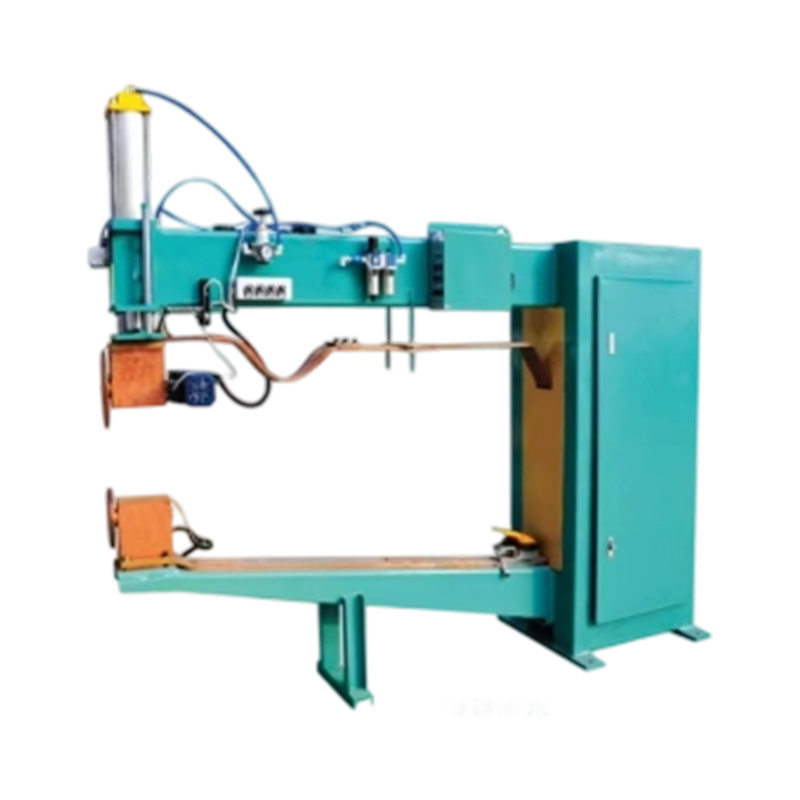
Secondary Rectifier Water Tank Seam Welding Machine
The Secondary Rectifier Water Tank Seam Welding Machine is a high-precision automated welding solution designed specifically for water tank steel plate seams. It combines advanced resistance seam welding technology with stable power delivery and rolling electrodes, ensuring consistent and strong weld joints on side panels and tops of water tanks. This machine supports various material thicknesses, enhances welding quality and consistency, improves overall production efficiency, and offers easy operation and maintenance—making it a key piece of equipment in modern water tank fabrication.Contact Us -
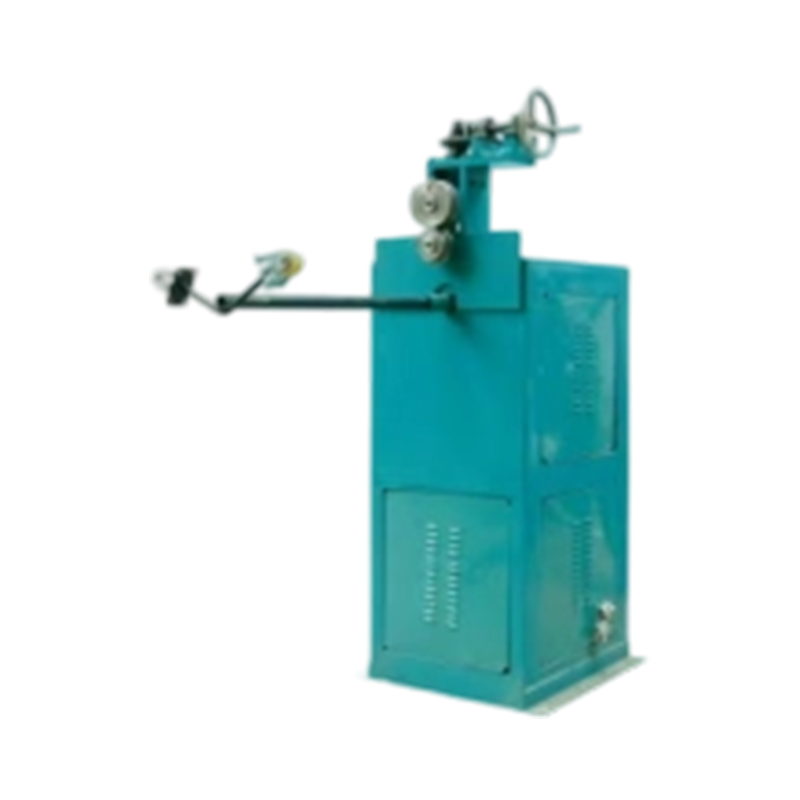
Single Rib Rolling Machine for Water Tanks
The Single Tendon Rolling Machine is a forming machine designed to add reinforcement ribs onto steel plates used in water tanks. By rolling a single rib onto the surface of the plate, it significantly enhances bending and compression strength. The machine’s compact structure ensures stable operation and adapts to various plate thicknesses. Ribbed plates increase structural rigidity and improve weld quality in downstream processes, making this rolling machine a crucial auxiliary device in water tank fabrication.Contact Us -
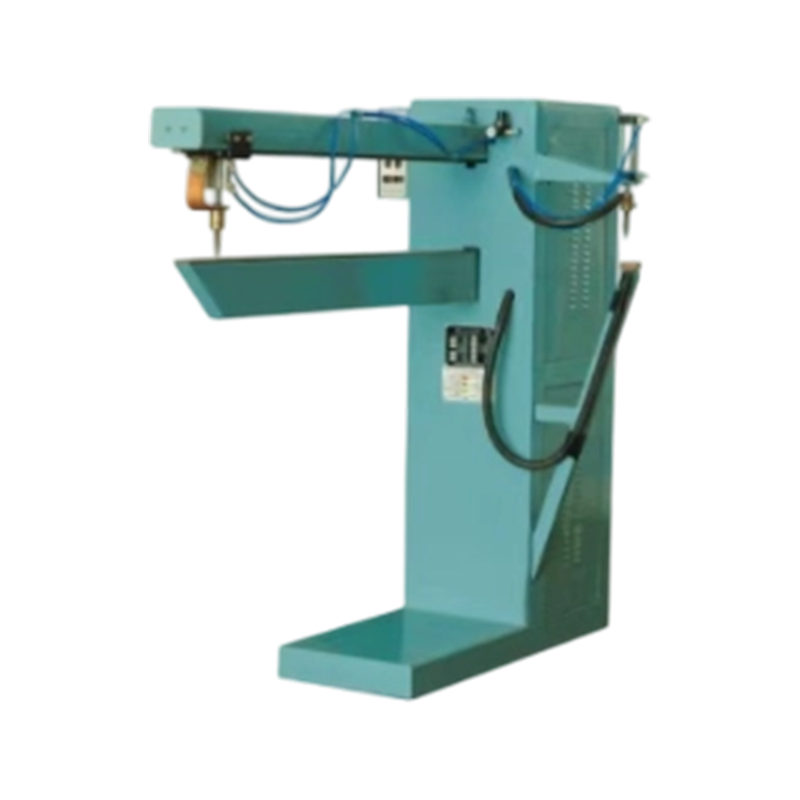
Orbit Form Spot Welding Machine
The Orbit Form Spot Welding Machine is an automated welding system that employs a guided rail to continuously perform spot welds along a specified path. With precise control over weld points and parameters, it delivers high stability and repeatability—ideal for metal connections in water tank side panels, brackets, and structural parts. Using two electrodes to clamp and heat the joint via electrical resistance, this machine produces strong welds quickly and efficiently, providing a reliable solution for high-volume production.Contact Us -
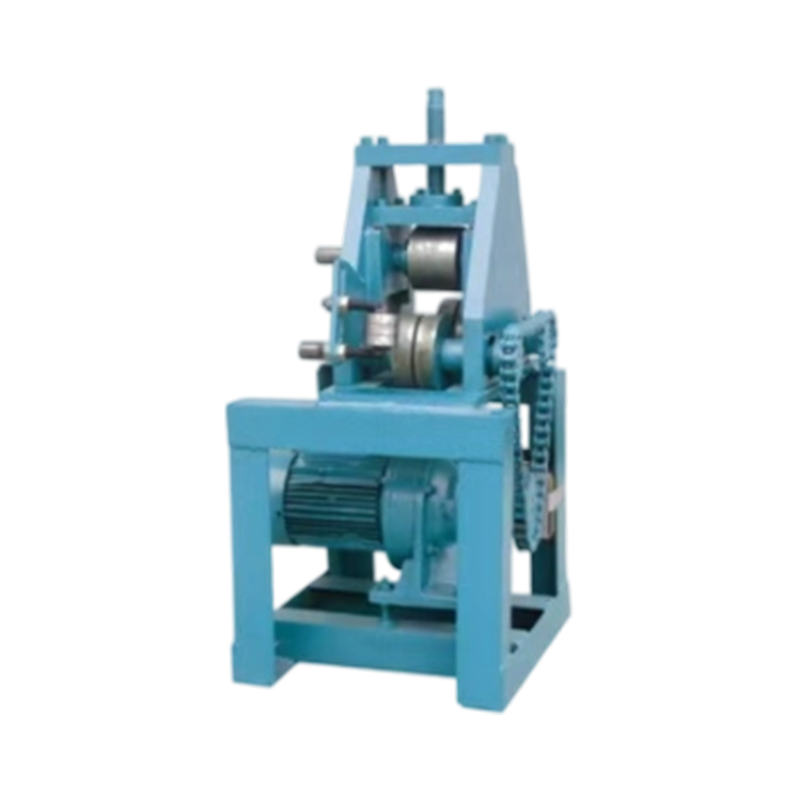
Angle Iron Square Pipe Tube Bender Machine
The Angle Iron Square Pipe Tube Bender Machine is a versatile metal forming solution capable of bending angle iron and square tubes into curves, circles, and custom shapes. It is particularly suited for producing structural elements like water tank frames and support brackets. Equipped with robust transmission and precise control systems, this machine ensures accurate bend radii and angles, significantly improving processing efficiency and consistency. As a specialized forming device, it is widely used in water tank fabrication.Contact Us -
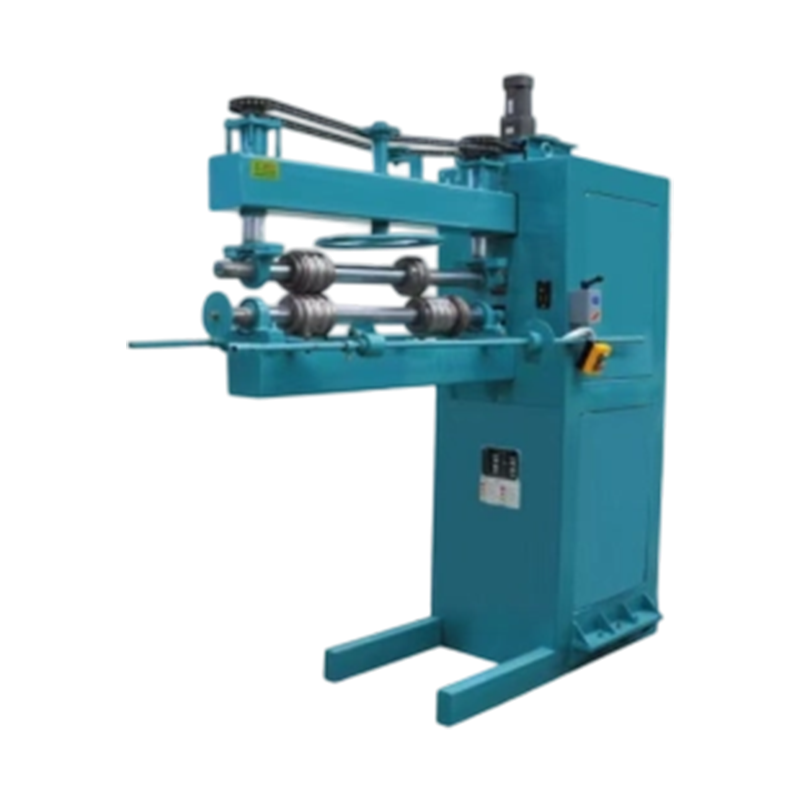
Manual Electric Rising and Falling Roll-Tenon Machine
The Manual Electric Rising and Falling Roll-Tenon Machine combines electric drive power with manual vertical adjustment, offering flexibility and precision in rib rolling. The electric system ensures stable performance, while the manual lift allows fine-tuning for plate thickness and rib depth. Ideal for reinforcement processing on water tank side and bottom plates, this machine improves structural strength and weld quality, offering easy operation and suitability for small to medium batch production.Contact Us -
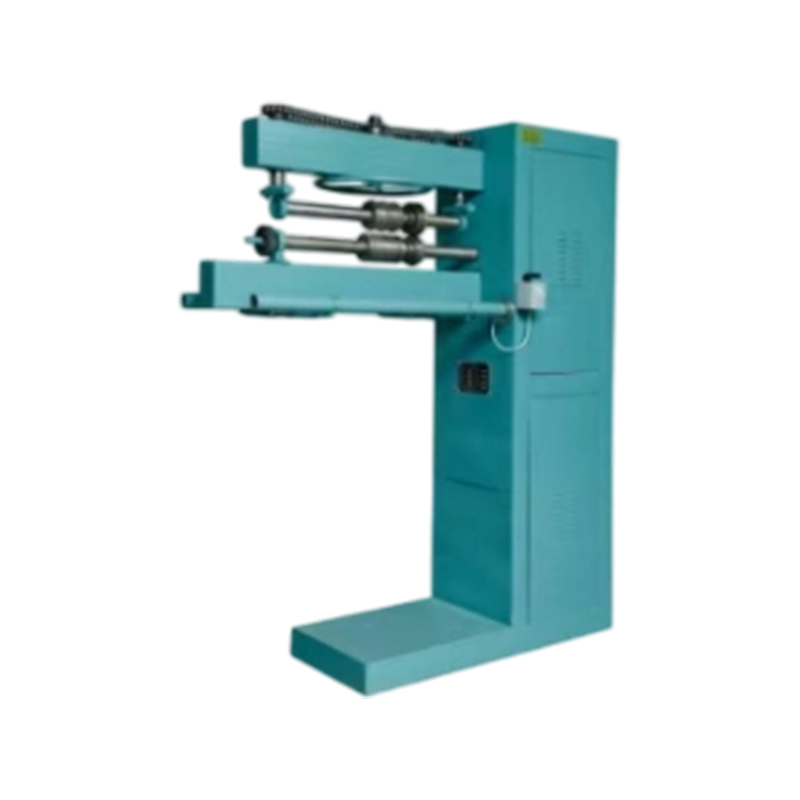
Manual Rising and Falling Roll-Tenon Machine
The Manual Rising and Falling Roll-Tenon Machine is a cost-effective rib rolling device that uses manual adjustments of the rolling shafts to form reinforcing ribs on metal plates. With a simple and durable design, it operates without external power and has a low failure rate, making it ideal for on-site or auxiliary workshop use. Ribbed plates significantly increase water tank bending resistance and overall stability, offering an economical solution for cost-sensitive production environments.Contact Us -
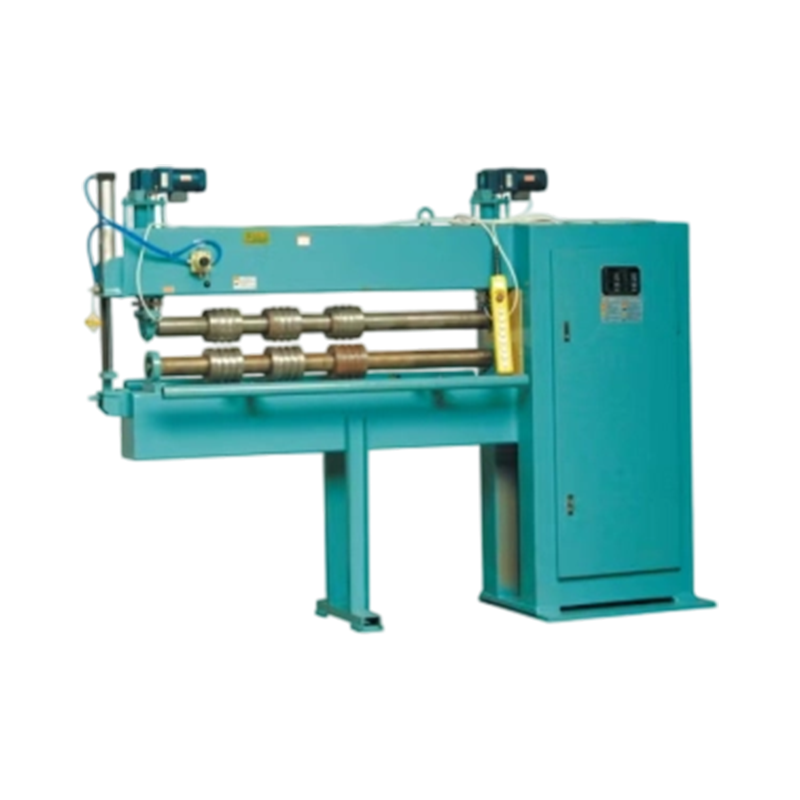
Double-electric Rising and Falling Roll-tenon Machine
The Double-electric Rising and Falling Roll-tenon Machine features dual electric motors driving two rolling units simultaneously, delivering greater power and greater stability compared to single-motor models. This enables faster processing of large batches of water tank plates. The electronic control system allows precise adjustments of height and rolling force, producing uniform rib profiles and improving productivity while reducing operator fatigue—ideal for high-volume manufacturing.Contact Us -
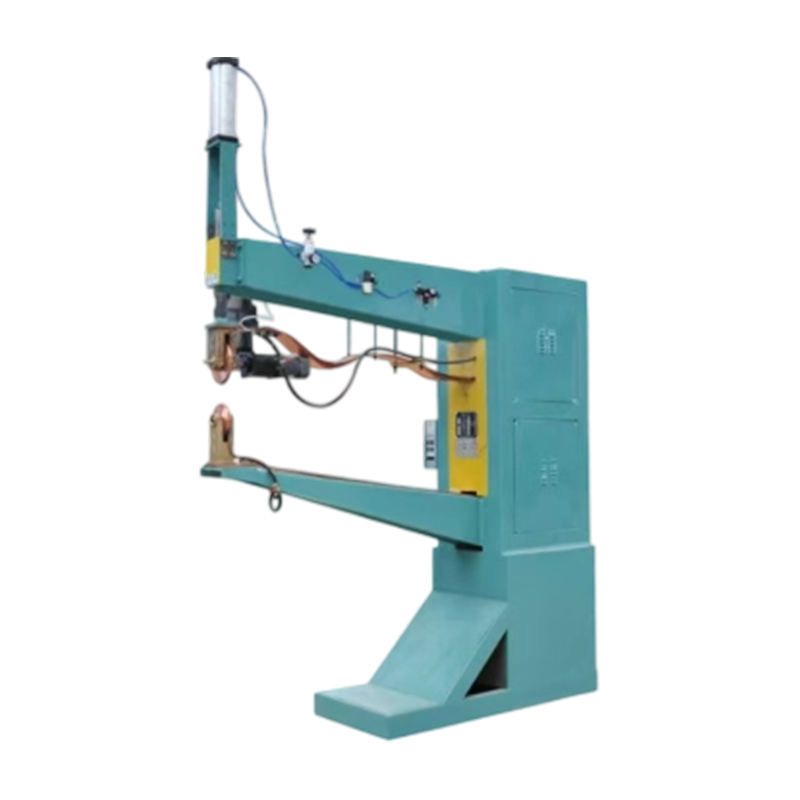
Water Tank Seam Welding Machine
The Water Tank Seam Welding Machine utilizes continuous seam welding technology to create tight, strong welds on steel tank seams. Using rolling electrodes to clamp and pass current through the workpiece ensures high-quality and consistent weld joints. This machine is suitable for welding cylindrical bodies and flat panels of water tanks, enhancing durability and leak resistance. Highly automated and easy to use, it significantly improves welding efficiency in modern production lines.Contact Us -
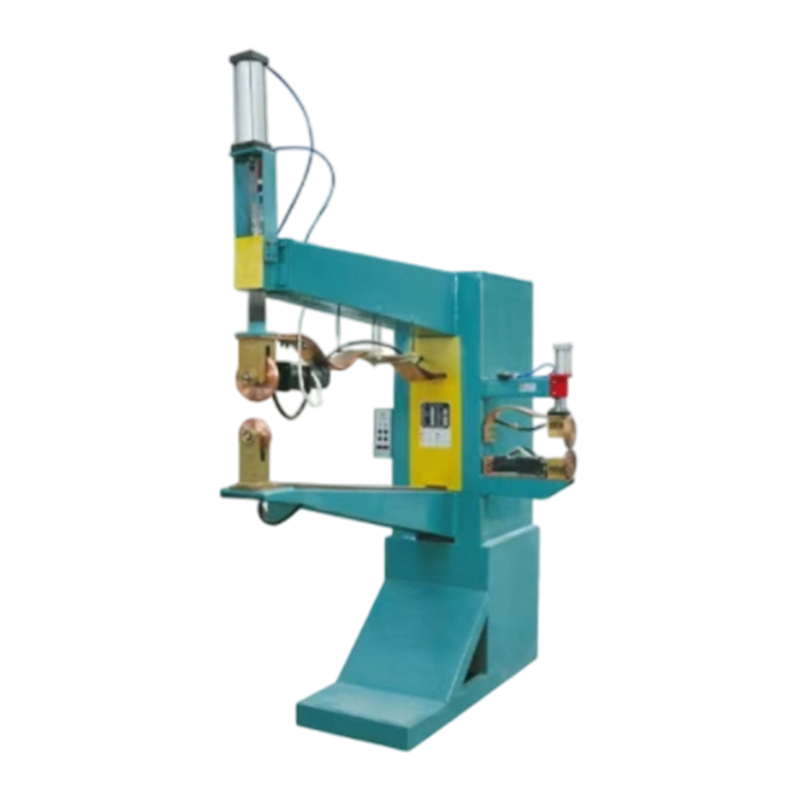
Dual-Head Water Tank Seam Welding Machine
The Dual-Head Water Tank Seam Welding Machine is equipped with two independent welding heads that perform simultaneous welding on multiple seams. This dual-head configuration significantly increases productivity for large water tank panels or multiple weld lines. With individual control systems for each head, welding parameters can be finely tuned, ensuring consistent weld quality. It is an efficient solution for high-volume water tank welding operations.Contact Us -
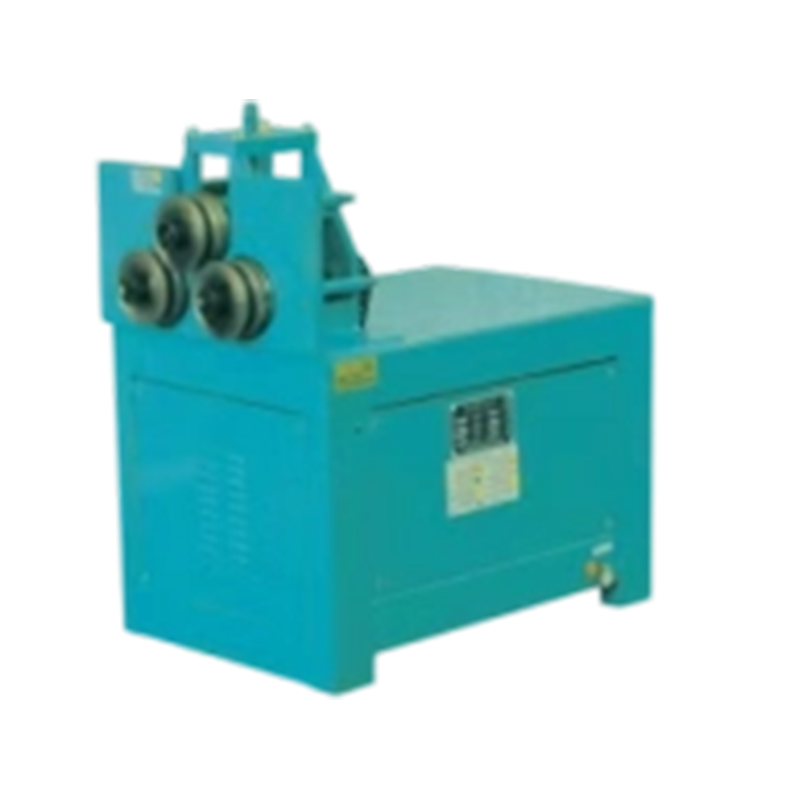
Square Pipe Bending Machine for Making Bracket
The Square Pipe Bending Machine for Making Bracket enhances traditional bending capabilities by offering multiple forming methods for angle irons and square pipes. It is ideal for producing support brackets, frames, and circular structural parts for water tanks, supporting a wide range of material sizes. With robust transmission and precise control systems, it ensures accurate bend dimensions and consistent production quality—making it an excellent choice for fabricating complex bracket components.Contact Us -
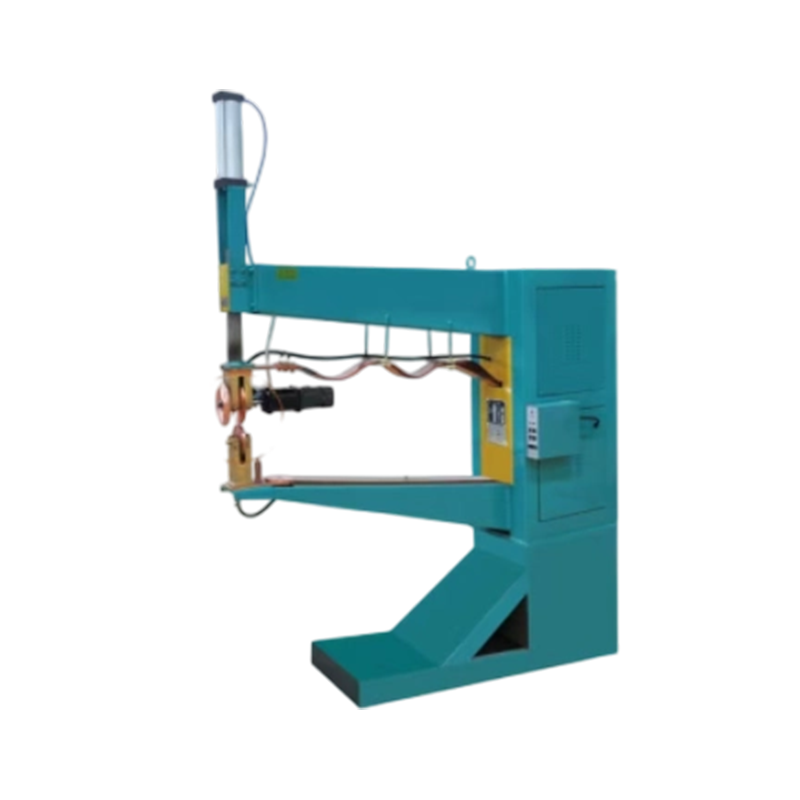
Horizontal Water Tank Seam Welding Machine
The Horizontal Water Tank Seam Welding Machine features a horizontal layout that is especially suited for transverse seam welding of large water tank plates. This design offers ample workspace for fixture and movement of components, improving weld precision and continuity. With an automated feed system and precise controls, it delivers high-efficiency seam welding and consistent quality, making it an essential piece of equipment for large water tank fabrication.Contact Us -
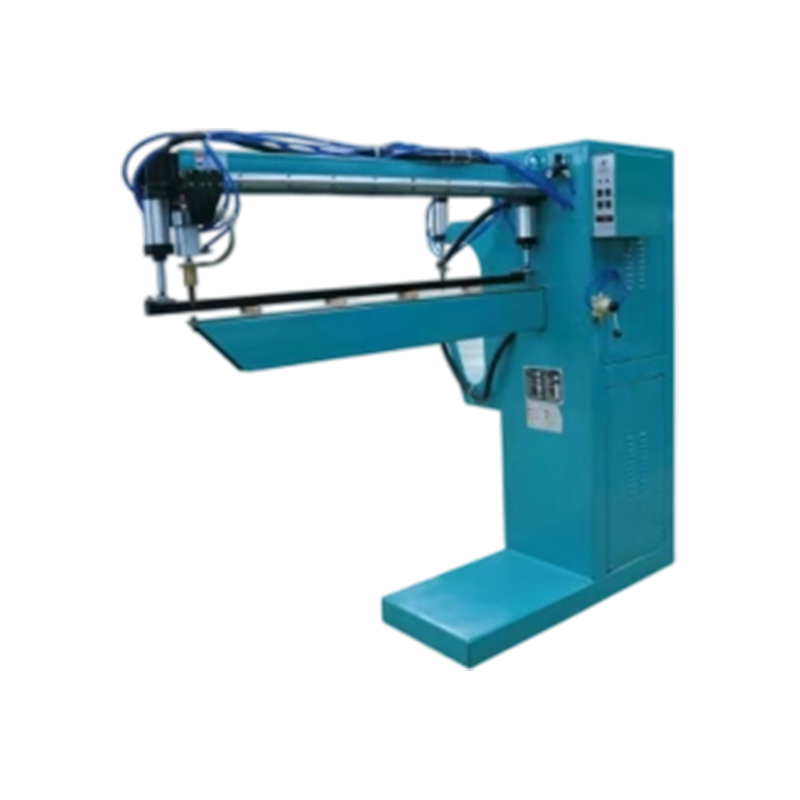
Orbital Spot Welding Machine for Making Water Tank
The Orbital Spot Welding Machine uses resistance spot welding to clamp metal workpieces and apply high current, quickly producing strong weld points. Ideal for connecting steel plates, brackets, and other water tank components, it delivers high-strength welds with fast processing speed and easy operation. Its compact design and simple maintenance make it an essential welding tool for efficient component joining.Contact Us
About Us
Yongkang Jiaxiao Welding Automation Equipment Co., Ltd.
Since its establishment 30 years ago, Yongkang Jiaxiao Welding Automation Equipment Co., Ltd. has specialized in the research, development, manufacturing, sales, and service of resistance welding machines, specialized welding machines, Water Tank Manufacturing Machine for Automated Production, and automated stamping equipment for materials such as copper, aluminum, iron, and stainless steel. The Automatic Tank Welding Machine supplier boasts a dedicated R&D team led by experts and comprised of diverse engineers. Its products have passed both the Chinese 3C and European CE certifications, and the company holds dozens of national patents. The company is a leading domestic manufacturer of resistance and automatic welding machines.
Certificate Of Honour
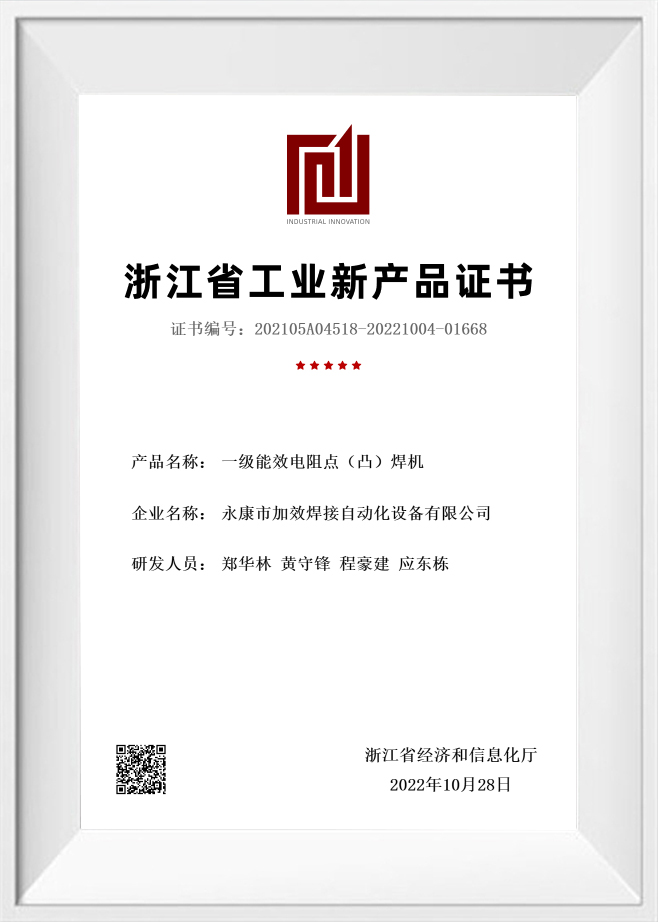
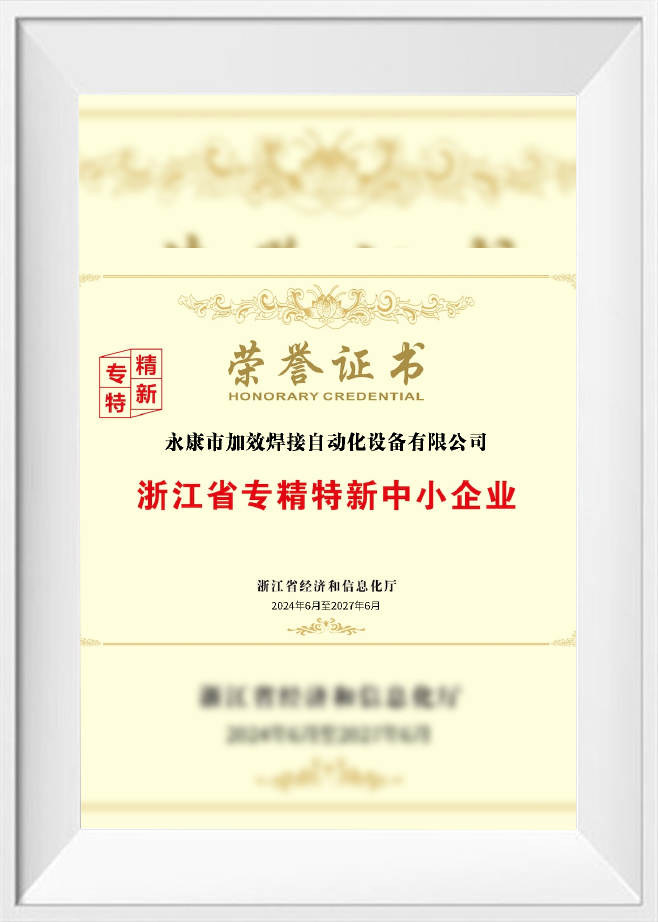
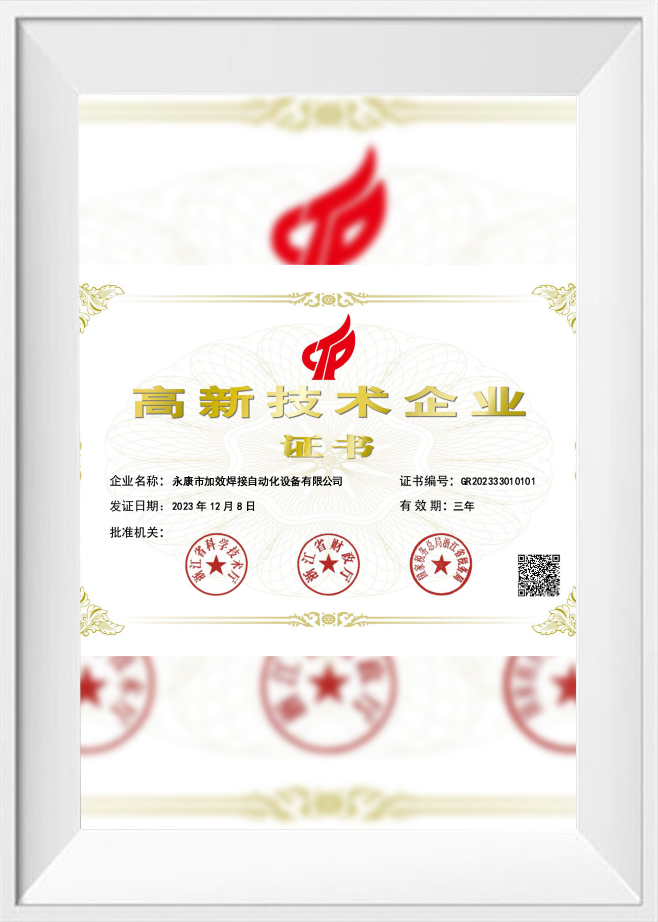
News
Message Feedback
Complete Water Tank Manufacturing Equipment for Welding, Reinforcement and Support Frame Production
Water tank making machines cover the full range of tasks needed to turn raw sheet metal into a finished tank — processing sheet metal, forming reinforcement structures, welding tank seams, manufacturing support frames, and assembling the final product. A full water tank production setup typically brings together seam welding machines, spot welding systems, rib forming machines, seaming machines, tube bending machines, angle iron bending machines, fixtures, positioning devices, and inspection support equipment.
When it comes to planning industrial production, equipment selection should be grounded in tank size, sheet thickness, seam length, sealing requirement, reinforcement design, frame structure, production capacity, available workshop space, and the automation level being targeted. A practical water tank manufacturing solution needs to match the real tank structure — not just stitch together a set of separate machines and call it a system.
What Are Water Tank Making Machines?
Water tank making machines refer to a group of metal processing and welding equipment used to manufacture stainless steel water tanks, galvanized water tanks, carbon steel tanks, storage containers, and related metal assemblies.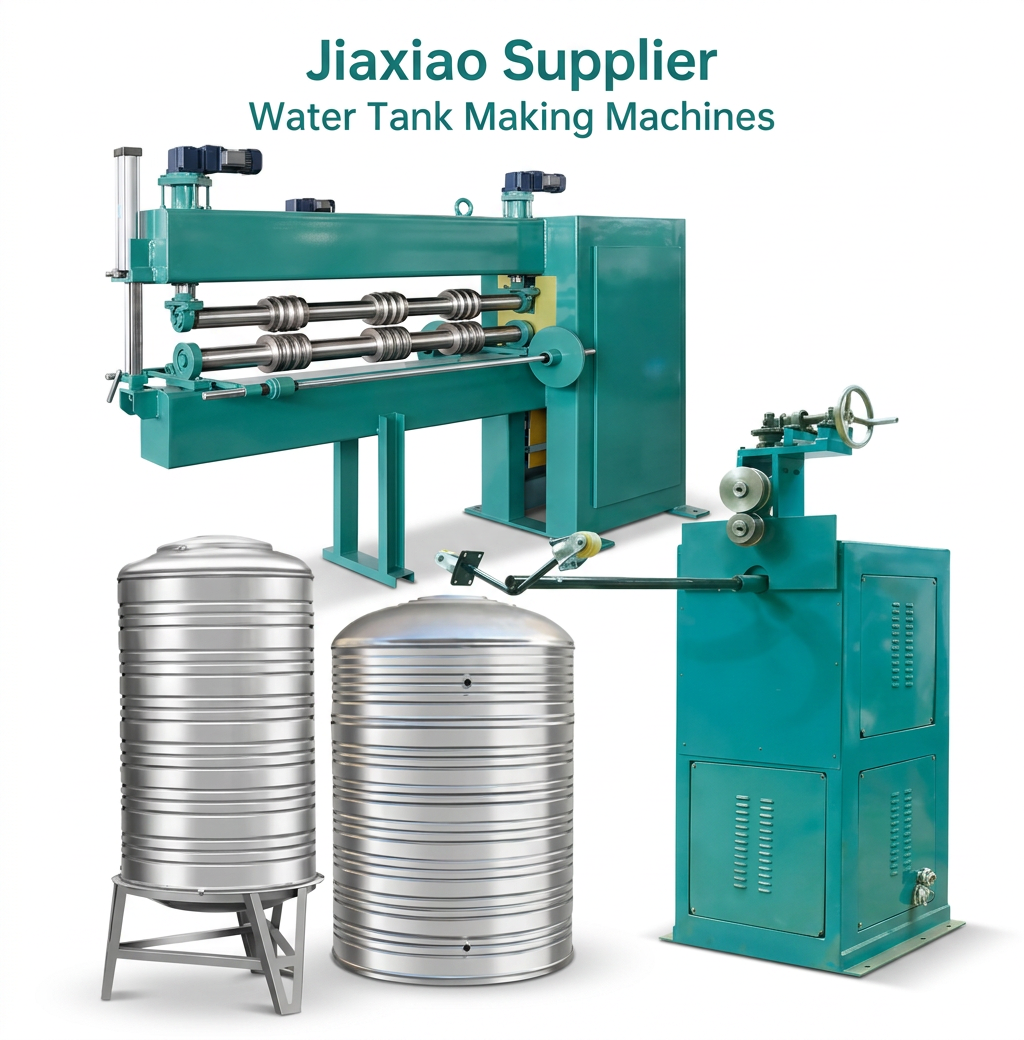
A water tank is usually not produced by one machine only. It normally requires several processes, including:
- Sheet cutting and preparation
- Panel positioning
- Reinforcement rib forming
- Spot welding for positioning or structural connection
- Seam welding for sealing
- Bracket and frame fabrication
- Tank body assembly
- Leak testing and quality inspection
Depending on the product design, the production line may be manual, semi-automatic, or integrated with automatic feeding, PLC control, servo positioning, and customized fixtures.
Complete Water Tank Production Process
Manufacturing a water tank usually pulls together sheet metal forming, resistance welding, structural fabrication, and testing into one connected workflow. Each stage leaves its mark on the finished tank's strength, sealing performance, appearance, and how efficiently the whole line runs.
- 1. Sheet Metal Preparation Everything begins with getting the sheet ready. Stainless steel sheet, galvanized sheet, cold-rolled sheet, or low-carbon steel sheet gets cut and prepped to match the tank's dimensions.
What matters most here:- Sheet thickness
- Cutting accuracy
- Edge condition
- Surface cleanliness
- Coating or protective film condition
- Flatness before forming and welding
Solid sheet preparation pays off later — it makes seam alignment easier and cuts down on welding defects. - 2. Reinforcement Rib Forming Water tank panels typically need reinforcement ribs to hold up against deformation and add rigidity. This step usually runs through a reinforcement rib rolling machine or similar forming equipment.
The rib design should be matched to:- Tank size
- Sheet thickness
- Water pressure requirement
- Panel span
- Welding position
- Assembly method
Get the rib forming right, and panel strength improves without having to pile on extra sheet thickness. - 3. Spot Welding Positioning Before seam welding or final assembly happens, spot welding often steps in first — holding side panels, brackets, reinforcement parts, and structural components firmly in place.
This covers jobs like:- Side panel positioning
- Bracket attachment
- Frame connection
- Reinforcement strip fixing
- Temporary positioning before seam welding
- Structural point joining
For larger panels, a rail spot welding machine extends positioning range and keeps welding consistency in check. - 4. Seam Welding for Sealing Seam welding stands out as one of the most critical steps in water tank production. A water tank seam welding machine combines rotating roller electrodes, applied pressure, and welding current to lay down a continuous, sealed seam.
This process typically handles:- Longitudinal seams
- Side seams
- Bottom seams
- Tank body seams
- Stainless steel sheet seams
- Galvanized sheet seams, depending on coating condition
How well this seam welding turns out has a direct bearing on leakage control. - 5. Bracket and Frame Manufacturing Most water tanks need frames, supports, handles, mounting structures, or base brackets to go with them. These components often come from square tube, round tube, angle iron, or flat steel stock.
Machines commonly involved:- Square tube bending machine
- Round tube bending machine
- Angle iron bending machine
- Tube frame forming equipment
- Spot welding machine for frame assembly
Frame accuracy carries through to tank installation, load support, and how smoothly assembly goes. - 6. Assembly and Inspection Once forming and welding wrap up, the tank body gets assembled together with frames, fittings, covers, handles, or other accessories. Inspection at this stage may cover:
- Visual weld inspection
- Dimension inspection
- Leakage testing
- Pressure or water filling test, depending on product design
- Weld strength check
- Surface finishing review
Exactly which testing standards apply comes down to the tank's intended application and the specific project requirements.
Main Types of Water Tank Making Machines
Water tank manufacturing typically pulls together several different machine types, with each one handling a specific job — sealing, positioning, rib forming, frame bending, or component assembly.
Water Tank Seam Welding Machine
A water tank seam welding machine produces continuous weld seams for tank bodies and sheet metal containers. It matters most where the finished tank has to hold water or resist fluid leakage.
It gets chosen for jobs like:
- Stainless steel water tanks
- Galvanized water tanks
- Metal containers
- Cylindrical tanks
- Rectangular tanks
- Sheet metal storage vessels
Secondary Rectifier Seam Welding Machine
A secondary rectifier seam welding machine takes the welding current and converts it into a steadier output on the transformer's secondary side. Manufacturers turn to this option when they need tighter current stability, less heat fluctuation, or better control over seam quality.
Good fits include:
- Stainless steel sheet seams
- Long weld seams
- Continuous tank welding
- Products requiring stable heat input
- Applications with higher sealing requirements
Double-Head Water Tank Seam Welding Machine
A double-head seam welding machine runs two welding heads at once, working two seams or two welding positions depending on how the tank is built. When the workpiece design allows both paths to be processed together, production rhythm improves noticeably.
Typical uses cover:
- Symmetrical tank seams
- Long side seam welding
- Higher-output tank production
- Multi-seam sheet metal products
- Rectangular or special tank bodies
Horizontal Seam Welding Machine
A horizontal seam welding machine is built for workpieces better suited to horizontal loading and welding. This setup works well for larger tank bodies, cylindrical components, or anything that needs stable support throughout the seam welding process.
Factors worth weighing include:
- Tank size
- Loading direction
- Seam position
- Workpiece weight
- Operator access
- Fixture support
Rail Spot Welding Machine
A rail spot welding machine lets the welding head travel along a rail or guide system. This proves useful for large water tank panels, side plates, brackets, and structural parts that need multiple weld points spread across a long distance.
Common applications include:
- Water tank side panel welding
- Reinforcement bar attachment
- Bracket welding
- Large sheet positioning
- Structural component connection
Reinforcement Rib Rolling Machine
A reinforcement rib rolling machine presses ribs or strengthening patterns into tank sheets, boosting panel rigidity and cutting down deformation under the weight of stored water.
Key adjustment factors include:
- Rib depth
- Rib width
- Roller profile
- Sheet thickness
- Material hardness
- Panel size
Seaming Machine
A seaming machine, sometimes called an edge locking machine, forms mechanical seams, folds, or joint edges before welding or assembly happens. It helps with sheet positioning and can make assembly easier for certain tank structures.
Square Tube Bending Machine
A square tube bending machine bends square tube stock into tank frames, support structures, base frames, or mounting brackets.
Selection should factor in:
- Tube size
- Wall thickness
- Bend radius
- Frame shape
- Production quantity
- Required bending accuracy
Angle Iron and Square Tube Bending Machine
An angle iron bending machine, or combined tube-and-angle bending equipment, forms support rings, frames, brackets, and structural parts for tanks and containers.
This works well for:
- Tank support frames
- Base structures
- Protective frames
- Mounting brackets
- Metal container frames
- Industrial equipment supports
Role of Water Tank Seam Welding Machines in Sealing
Seam welding sits at the heart of getting water tanks properly sealed. Unlike spot welding, which lays down individual weld points, seam welding builds a continuous or overlapping weld line through rotating roller electrodes.
In water tank production, seam welding quality shapes several outcomes directly:
- Leakage resistance
- Seam appearance
- Weld continuity
- Heat deformation
- Production speed
- Post-weld finishing
- Tank service performance
Key Process Parameters
- Welding current
- Welding speed
- Roller electrode pressure
- Electrode profile
- Nugget overlap
- Sheet overlap width
- Cooling water flow
- Fixture positioning
Weak seam control on a water tank can open the door to leakage, burn-through, heavy surface marks, or distortion. That is exactly why machine rigidity, current control, roller alignment, and cooling design deserve close attention during equipment selection and setup.
Secondary Rectifier, Double-Head and Horizontal Water Tank Seam Welding Machines
Different water tank seam welding machines serve different production needs. The selection should be based on tank geometry, seam direction, material thickness, sealing requirement, and production rhythm.
| Machine Type | Main Features | Suitable Applications |
|---|---|---|
| Secondary rectifier seam welding machine | Stable current output, controlled heat input | Stainless steel tanks, long seams, sealing applications |
| Double-head water tank seam welding machine | Two welding heads for improved cycle arrangement | Symmetrical seams, multi-seam tanks, repeated production |
| Horizontal seam welding machine | Horizontal loading and stable workpiece support | Larger tanks, cylinders, heavy or long workpieces |
- Secondary Rectifier Seam Welding Machine This machine is often selected when current stability and weld consistency are important. It can support long seam welding and applications where sealing performance needs careful process control.
- Double-Head Water Tank Seam Welding Machine A double-head design can reduce handling time when two seams are accessible in one setup. It is suitable for tank structures that have symmetrical weld paths or repeated seam layouts.
- Horizontal Seam Welding Machine Horizontal machines help support larger or heavier tank components. They can improve workpiece stability during welding and make loading more practical for certain product designs.
Application Industries for Water Tank Making Machines
Water tank making machines find their place across industries producing containers, fluid storage products, sheet metal structures, and related metal assemblies.
- Water Tank Manufacturing This equipment handles sheet forming, seam welding, rib forming, support frame production, and final assembly for stainless steel or carbon steel water tanks.
- Building Water Supply and Drainage Equipment Water tanks and similar metal containers show up throughout building systems, storage units, and water supply infrastructure. Picking the right equipment means weighing tank size range against sealing requirements.
- Environmental Water Treatment Water treatment setups often call for stainless steel tanks, filter housings, storage vessels, and metal frames. Seam welding and frame fabrication tend to be the processes that matter most here.
- Industrial Equipment Manufacturing Manufacturers in this space frequently produce tanks, reservoirs, housings, covers, and support structures — all of which lean on welding, forming, and bending processes to come together.
- Metal Container Manufacturing Metal containers, drums, vessels, and storage boxes can draw on the same seam welding, rib forming, and frame fabrication equipment used elsewhere.
- Stainless Steel Products Working with stainless steel demands controlled heat input, stable welding pressure, and proper surface protection throughout forming and welding.
- Sheet Metal Fabrication Sheet metal shops put tank making machines to work on enclosures, containers, cabinets, housings, and other formed sheet assemblies.
- Home Appliance and Automotive Components Certain appliance and automotive parts rely on tank-like structures, sheet containers, brackets, frames, or welded metal assemblies. When specifications line up, the same equipment can support these production needs just as well.
How to Choose the Right Water Tank Making Equipment
Selecting water tank making machines requires reviewing the full production process, not just one welding station. Different tank designs need different combinations of machines.
Key selection factors include:
- Tank length, width, and height
- Cylindrical or rectangular tank shape
- Sheet material
- Sheet thickness
- Weld seam length
- Straight seam or circular seam
- Required sealing level
- Water, air, or pressure testing requirement
- Reinforcement rib shape
- Rib depth and spacing
- Frame material and size
- Square tube or angle iron specifications
- Production capacity target
- Manual, semi-automatic, or automatic operation
- Available workshop layout
- Power supply and compressed air
- Cooling water condition
- Future product size range
Practical Selection Guide
| Production Requirement | Recommended Equipment Direction |
|---|---|
| Long sealed seams on tank panels | Water tank seam welding machine |
| Higher seam current stability | Secondary rectifier seam welding machine |
| Two seams or symmetrical welding | Double-head seam welding machine |
| Large or heavy tank body welding | Horizontal seam welding machine |
| Large side panel positioning | Rail spot welding machine |
| Panel strength improvement | Reinforcement rib rolling machine |
| Folded or locked sheet edge | Seaming machine |
| Tank frame fabrication | Square tube bending machine |
| Angle frame or support ring production | Angle iron bending machine |
| Repeated tank production | PLC control, fixtures, and semi-automatic handling |
The right configuration should match current tank models and possible future product changes.
Why Choose Jiaxiao Water Tank Making Machines
Jiaxiao designs water tank making machines based on the actual tank structure, sheet material, seam path, reinforcement design, frame specification, and production method at hand. Equipment options span water tank seam welding machines, secondary rectifier seam welding systems, double-head seam welding machines, horizontal seam welding machines, rail spot welding systems, rib rolling machines, seaming machines, square tube bending machines, angle iron bending machines, customized fixtures, PLC control, servo positioning, automatic pressing, and support for full line integration.
When it comes to stainless steel water tanks, galvanized tanks, metal containers, sheet metal assemblies, and support frame manufacturing, Jiaxiao puts the emphasis on process matching and configuring equipment that fits the job. Technical evaluation generally runs through tank drawing review, material and thickness analysis, seam welding planning, reinforcement rib design, frame bending assessment, fixture layout, cooling design, and production capacity calculation.



 +86-15268688035
 jx12@4006796688.com
 NO.99,Huaxi Road,Chengxi New District,Yongkang city,Zhejiang China.
Message Us Right Now!
Copyright © Yongkang Jiaxiao Welding Automation Equipment Co., Ltd. All Rights
Reserved
China Welding Equipment Manufacturer
