
 EN
EN

 English
  русский
  Français
  Español
  عربى
عربى 
 Get a Quote
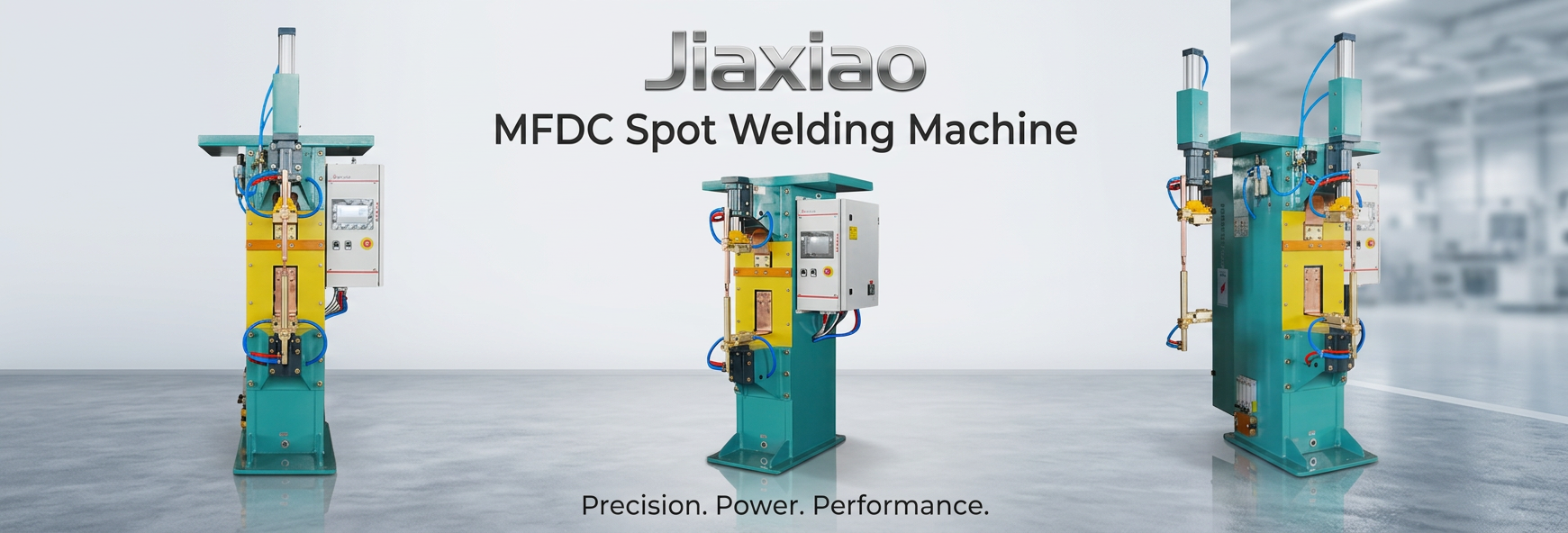
MFDC Spot Welding Machine
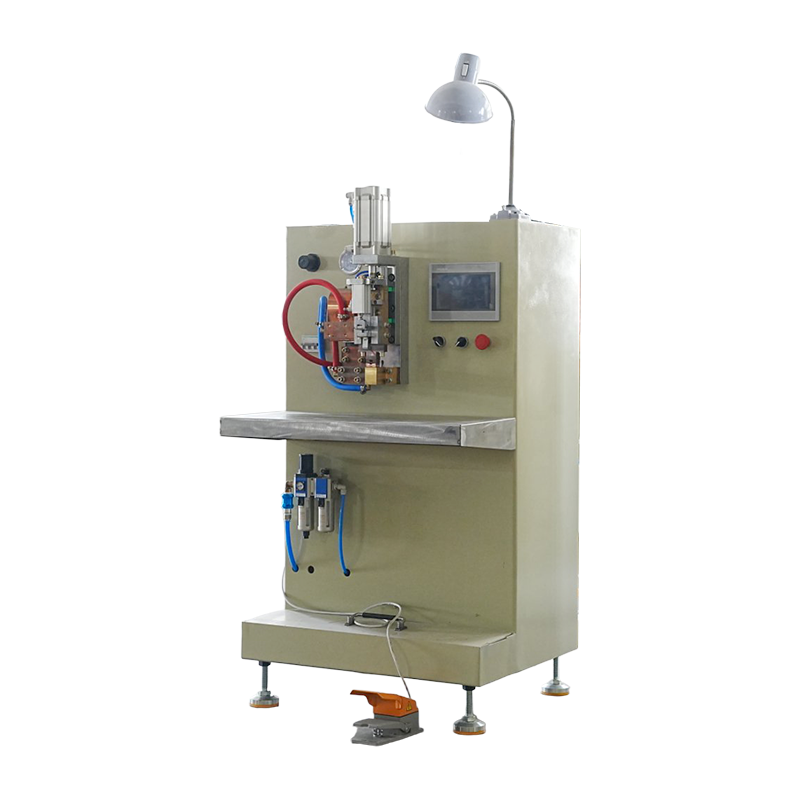
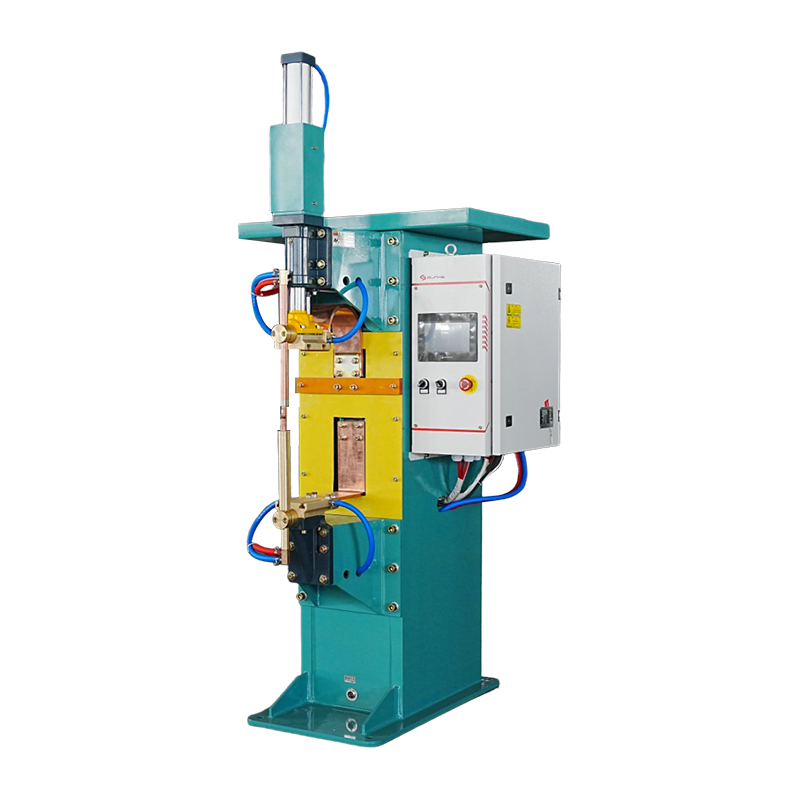
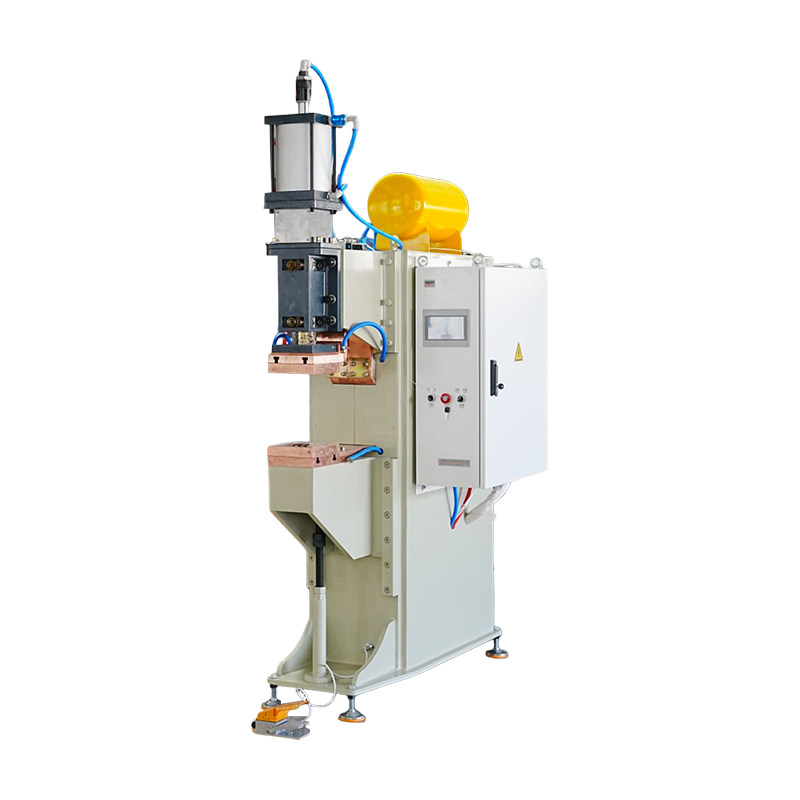
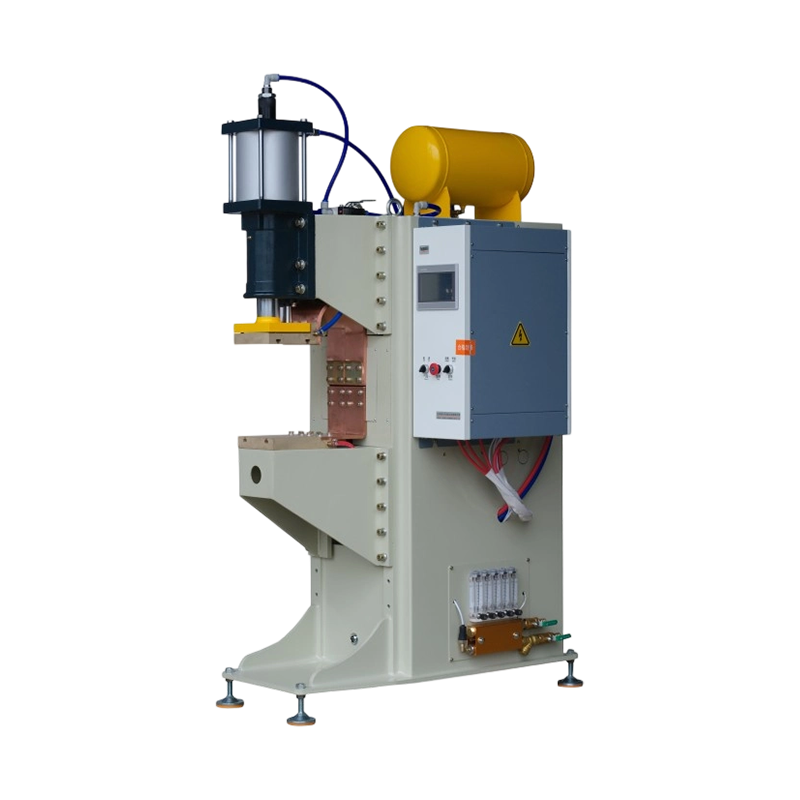
The MFDC spot welding machine uses medium frequency inverter DC technology, offering high precision in controlling welding current and concentrated heat input. This effectively reduces spatter and improves the consistency of weld points, making it particularly suitable for welding materials with high thermal conductivity or high demands, such as aluminum alloys, stainless steel, and high-strength steel. The equipment has advantages such as low energy consumption, high welding efficiency, and stable welding quality. Notably, the medium frequency welder performs excellently in energy saving, significantly reducing power consumption and minimizing the impact on the power grid, making it an environmentally friendly and cost-effective welding solution. It is widely used in automotive manufacturing, precision hardware, electronics, and battery industries.
About Us
Yongkang Jiaxiao Welding Automation Equipment Co., Ltd.
Since its establishment 30 years ago, Yongkang Jiaxiao Welding Automation Equipment Co., Ltd. has specialized in the research, development, manufacturing, sales, and service of resistance welding machines, specialized welding machines, Inverter Spot Welding Machine, and automated stamping equipment for materials such as copper, aluminum, iron, and stainless steel. The DC Spot Welding Machine factory boasts a dedicated R&D team led by experts and comprised of diverse engineers. Its products have passed both the Chinese 3C and European CE certifications, and the company holds dozens of national patents. The company is a leading domestic manufacturer of resistance and automatic welding machines.
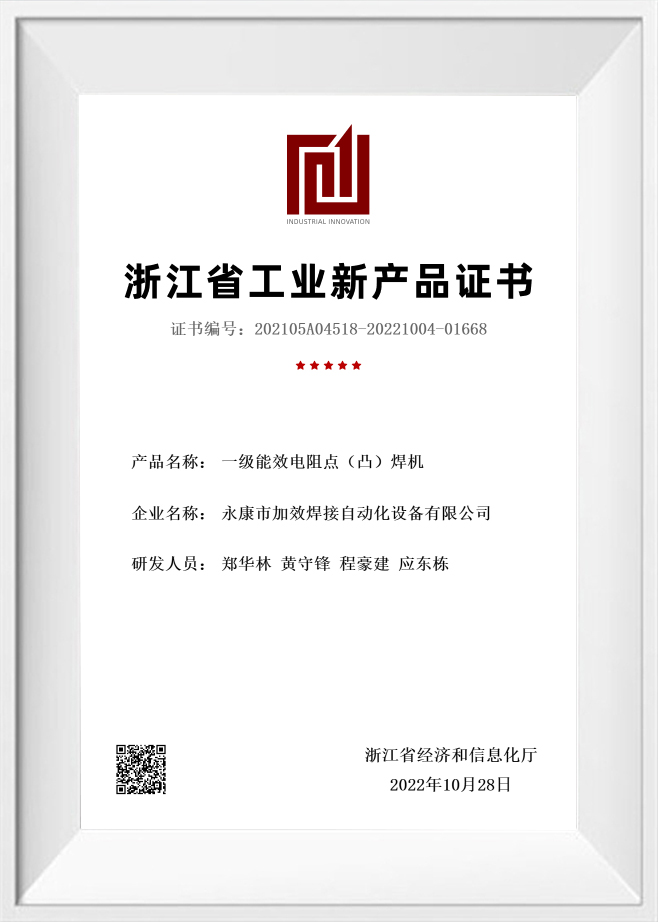
Certificate of Honour


News
Message Feedback
MFDC Spot Welding Machines for High-Consistency Industrial Metal Joining
MFDC spot welding machines see broad use across industrial resistance welding applications where stable current control, concentrated heat input, reduced spatter, and repeatable weld quality all matter. Set against traditional AC spot welding equipment, an MFDC system draws on medium frequency inverter technology to turn input power into controlled DC welding current — a trait that suits automotive components, appliance parts, sheet metal products, precision hardware, battery connection parts, and automated welding lines well.
For manufacturing teams sizing up equipment, MFDC spot welding machine selection needs to look past rated power alone. Material type, thickness, weld point size, joint structure, electrode access, production capacity, welding cycle, fixture accuracy, cooling design, and automation requirements — all of these shape the final configuration.
What Is an MFDC Spot Welding Machine?
An MFDC spot welding machine, also known as a medium frequency DC spot welding machine or medium frequency inverter spot welder, is a resistance welding machine that uses inverter technology to generate controlled direct current for spot welding.
In a typical MFDC welding system, the input power is first converted through an inverter circuit into medium frequency current. This current is then processed by an inverter welding transformer and rectified into DC output. The DC welding current passes through copper electrodes and the workpiece contact area, generating resistance heat to form a weld nugget.
The process is mainly controlled by:
- Welding current
- Welding time
- Electrode pressure
- Current rise time
- Hold time
- Electrode shape
- Material thickness
- Surface coating
- Fixture positioning
- Cooling condition
Because the output current can be controlled more precisely than many conventional AC systems, MFDC welding is often selected for applications requiring stable weld strength, lower spatter, reduced thermal variation, and better process repeatability.
How MFDC Spot Welding Works
The MFDC spot welding process brings together inverter power conversion, electrode pressure, controlled current output, weld nugget formation, and pressure holding — with each stage leaving its mark on welding quality.
- 1. Medium Frequency Inverter DC Output The welding power source runs incoming electricity through an inverter, converting it into medium frequency current. After transformation and rectification take their course, the system pushes out DC welding current.
That controlled DC output helps hold heat generation steady at the weld area, a real advantage for materials or products that need consistent welding energy from start to finish. - 2. Workpiece Positioning and Electrode Pressing Workpieces settle into the fixture or welding position first. Copper electrodes then press the parts together with a set force. Stable electrode pressure carries real weight here — poor contact opens the door to spatter, weak welds, excessive indentation, or inconsistent nugget formation.
- 3. Current Control and Heat Generation The MFDC welding controller regulates current output based on the programmed welding parameters. Once current runs through the contact area, resistance heat builds up between the metal layers.
Key parameters worth tracking:- Welding current
- Welding time
- Current ramp-up
- Pulse setting
- Electrode force
- Hold time
Get current control right, and weld consistency improves — a difference that shows up clearly in repeated production or automated welding stations. - 4. Weld Nugget Formation Once the contact area hits welding temperature, the metal softens and a weld nugget takes shape under electrode pressure. Nugget size and strength trace back to current density, heating time, material type, surface condition, and electrode contact.
- 5. Holding and Cooling After current output cuts off, the electrodes keep holding pressure while the weld nugget cools and solidifies. Getting hold time right helps cut down on cracks, looseness, and unstable weld strength.
Main Advantages of MFDC Spot Welding Machines
MFDC spot welding machines get the nod for applications that demand repeatable welding performance, tight energy control, and smooth production line compatibility.
- Higher Current Control Accuracy The MFDC welding controller regulates current with more precision than many traditional power frequency systems manage. That precision pays off with materials carrying narrow process windows — galvanized steel, stainless steel, high-strength steel, aluminum alloy, and coated sheets all benefit.
- Concentrated Heat Input DC output drives efficient heat generation right at the welding area. Match parameters, electrodes, and pressure properly, and unnecessary heat spread gets held in check.
- Reduced Spatter Steady current output paired with controlled pressure cuts down on spatter compared to poorly managed welding conditions. That matters a great deal for parts where appearance, cleaning work, or downstream assembly quality carries weight.
- Consistent Weld Points MFDC spot welding suits products that need repeated weld points holding steady strength and appearance. Fixture-based production, robotic welding stations, and multi-point welding equipment all lean on this consistency regularly.
- Energy Efficiency in Many Applications Set against traditional AC welding systems, MFDC equipment can push electrical conversion efficiency higher across many production scenarios. Actual energy performance still comes down to machine configuration, duty cycle, material, and welding schedule.
- Suitable for Automation MFDC spot welding machines pair naturally with PLC control, servo positioning, automatic feeding, robot handling, multi-station fixtures, and production line systems. Stable output and programmable control make the whole process far easier to manage once automated manufacturing enters the picture.
MFDC Spot Welding vs AC Spot Welding vs Capacitor Discharge Spot Welding
Different resistance welding technologies have different strengths. Selection should be based on material, thickness, welding quality requirements, cycle time, surface condition, and automation level.
| Welding Type | Main Characteristics | Typical Applications |
|---|---|---|
| MFDC Spot Welding | Medium frequency inverter DC output, accurate current control, suitable for automation | Automotive parts, appliance components, galvanized sheets, stainless steel, battery parts |
| AC Spot Welding | 50/60Hz power frequency output, mature structure, practical for general metal joining | Carbon steel parts, hardware, wire products, common sheet metal |
| Capacitor Discharge Spot Welding | Stored energy discharge, very short welding time, limited heat spread | Plated parts, precision components, battery tabs, thin conductive parts |
- MFDC Spot Welding Machine MFDC equipment is often selected when weld consistency, current control, and automated production compatibility are important. It is suitable for high-repeatability parts and production lines.
- Power Frequency AC Spot Welding Machine AC spot welding machines are practical for general-purpose welding, especially carbon steel sheet, iron parts, small hardware, and wire products. They are often simpler in structure and lower in equipment complexity.
- Capacitor Discharge Spot Welding Machine Capacitor discharge welding is suitable for applications requiring rapid energy release and low heat influence, such as nickel strips, plated terminals, battery tabs, and precision metal parts.
For products with strict consistency requirements or multi-station automated welding needs, MFDC spot welding is often a suitable direction for technical evaluation.
How to Choose 100KVA, 130KVAx2, 160KVAx4, 100KVA to 320KVA Configurations
MFDC spot welding machines come in different power ratings and transformer combinations. Landing on the right pick hinges on material thickness, welding area, number of weld points, production rhythm, and whether the machine runs single-head, dual-head, or multi-head welding.
100KVA MFDC Spot Welding Machine
A 100KVA MFDC spot welding machine finds regular work in medium-duty welding applications, including:
- Thin to medium sheet metal parts
- Stainless steel parts
- Galvanized sheet components
- Appliance brackets
- Precision hardware parts
- Small automotive metal parts
- Battery connection components, depending on structure
This configuration fits well when the weld area sits at a moderate scale and production calls for stable current control.
130KVAx2 MFDC Spot Welding Configuration
A 130KVAx2 configuration typically points to two welding transformers or two welding heads working within one system. It gets picked for dual-station or dual-head welding applications.
Common uses span:
- Two-point welding
- Left-right symmetrical parts
- Dual-station fixtures
- Automotive brackets
- Appliance components
- Products requiring higher output
Running multiple welds in one sequence, this configuration can push cycle efficiency higher.
160KVAx4 MFDC Spot Welding Configuration
A 160KVAx4 configuration shows up often in multi-head spot welding systems, large fixtures, or automated welding equipment that needs multiple weld points.
Typical applications reach into:
- Multi-point automotive components
- Large sheet metal assemblies
- Metal frames
- Battery module components
- Production line welding stations
- High-repeatability welded structures
With this kind of system, fixture rigidity, cooling capacity, electrical layout, and welding sequence control all take on extra importance.
100KVA to 320KVA MFDC Range
MFDC spot welding equipment spanning 100KVA to 320KVA gets chosen according to the real welding load at hand.
Key selection factors worth weighing:
- Material type
- Single-layer and total thickness
- Weld point diameter
- Number of layers
- Surface coating
- Electrode contact area
- Required weld strength
- Weld points per cycle
- Duty cycle
- Cooling capacity
- Automation layout
- Available factory power
Higher KVA does not automatically mean better. The right configuration should line up with the workpiece and production process, without dragging in unnecessary energy waste or mechanical complexity.
Key Components That Affect MFDC Welding Quality
MFDC spot welding quality rests on electrical control, mechanical pressure, fixture accuracy, electrode design, and cooling stability all working in concert.
- MFDC Welding Controller The MFDC welding controller handles welding current, welding time, pulse settings, current ramp-up, pressure timing, and parameter storage. It has a direct hand in current stability and how repeatable the welds turn out.
- Inverter Welding Transformer The inverter welding transformer takes medium frequency power and turns it into high welding current. Transformer capacity, cooling design, and response speed all leave their fingerprints on welding performance and duty cycle.
- Copper Electrodes Copper electrodes carry both current and pressure to the workpiece. Electrode material, tip size, shape, alignment, and how well they are maintained shape weld mark, nugget size, spatter, and electrode life.
- Pneumatic Cylinder Pneumatic cylinders supply electrode pressure across many MFDC spot welding machines. Keep that pressure steady, and part movement drops while weld consistency climbs.
- Servo Positioning System Automated systems lean on servo positioning to move parts, welding heads, or fixtures with precision. It earns its keep in multi-point welding and on parts with complex weld layouts.
- Welding Fixture A dedicated fixture keeps the workpiece anchored in the correct position while welding happens. Fixture accuracy governs weld point location, part gap control, and how repeatable everything stays.
- Cooling System Cooling stands guard over transformers, electrodes, cables, copper parts, and high-duty welding heads. It carries extra weight in automated or continuous welding applications where things run hot for longer stretches.
MFDC spot welding machines suit industrial applications that need precise current control, stable weld formation, reduced spatter, and smooth compatibility with automated production. Automotive components, new energy vehicle parts, home appliance components, electronics, battery connection parts, sheet metal fabrication, precision hardware, and production line welding stations all draw on this equipment regularly.
Landing on the right MFDC welding solution takes a close look at material type, thickness, surface coating, weld point layout, welding strength, production capacity, KVA configuration, electrode design, fixture accuracy, cooling method, and automation requirements. For projects that call for multi-head welding, dual-station operation, automatic feeding, robot interface, or production line integration, Jiaxiao can develop customized MFDC spot welding equipment built around product drawings, sample testing, and real manufacturing conditions.
Landing on the right MFDC welding solution takes a close look at material type, thickness, surface coating, weld point layout, welding strength, production capacity, KVA configuration, electrode design, fixture accuracy, cooling method, and automation requirements. For projects that call for multi-head welding, dual-station operation, automatic feeding, robot interface, or production line integration, Jiaxiao can develop customized MFDC spot welding equipment built around product drawings, sample testing, and real manufacturing conditions.



 +86-15268688035
 jx12@4006796688.com
 NO.99,Huaxi Road,Chengxi New District,Yongkang city,Zhejiang China.
Message Us Right Now!
Copyright © Yongkang Jiaxiao Welding Automation Equipment Co., Ltd. All Rights
Reserved
China Welding Equipment Manufacturer
