
 EN
EN

 English
  русский
  Français
  Español
  عربى
عربى 
 Get a Quote
-
 View Products
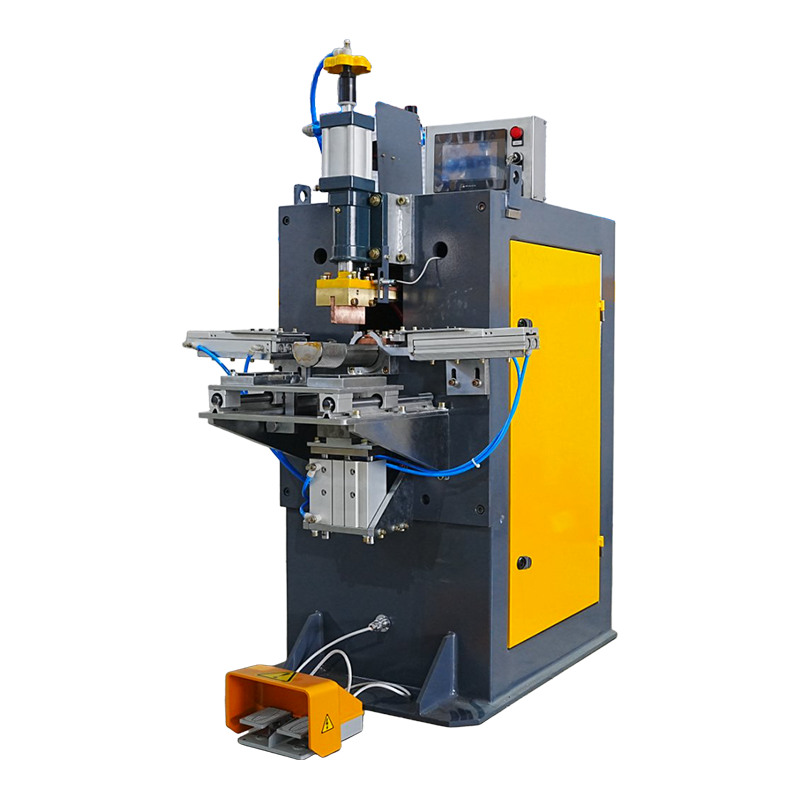
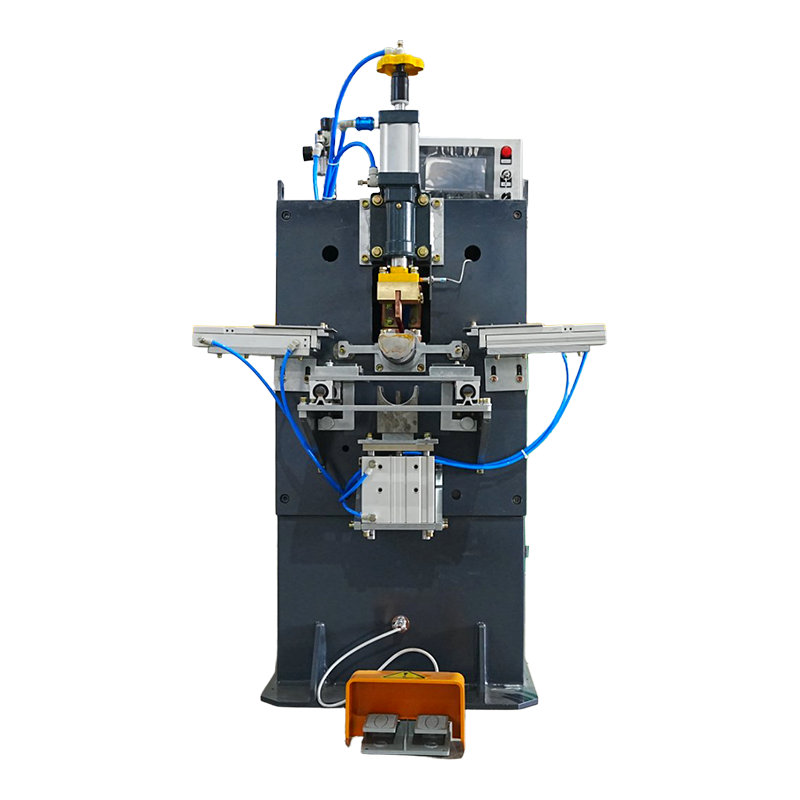
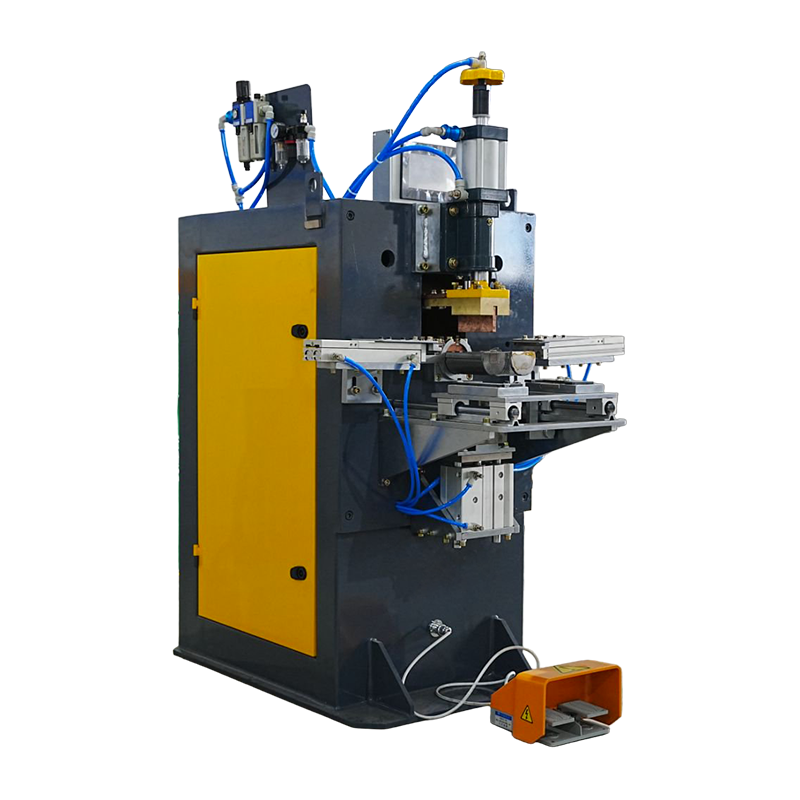
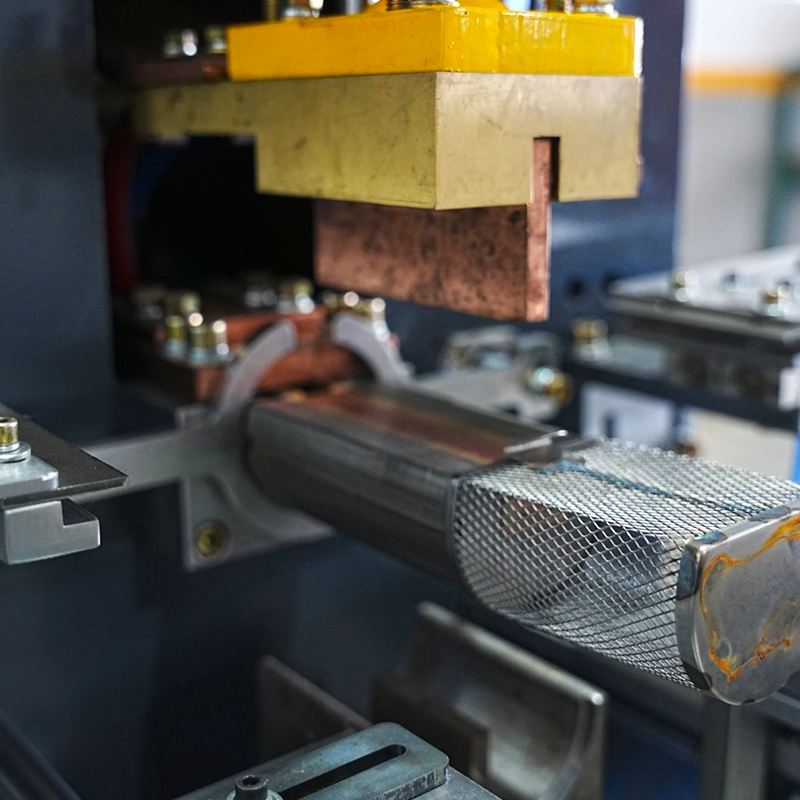
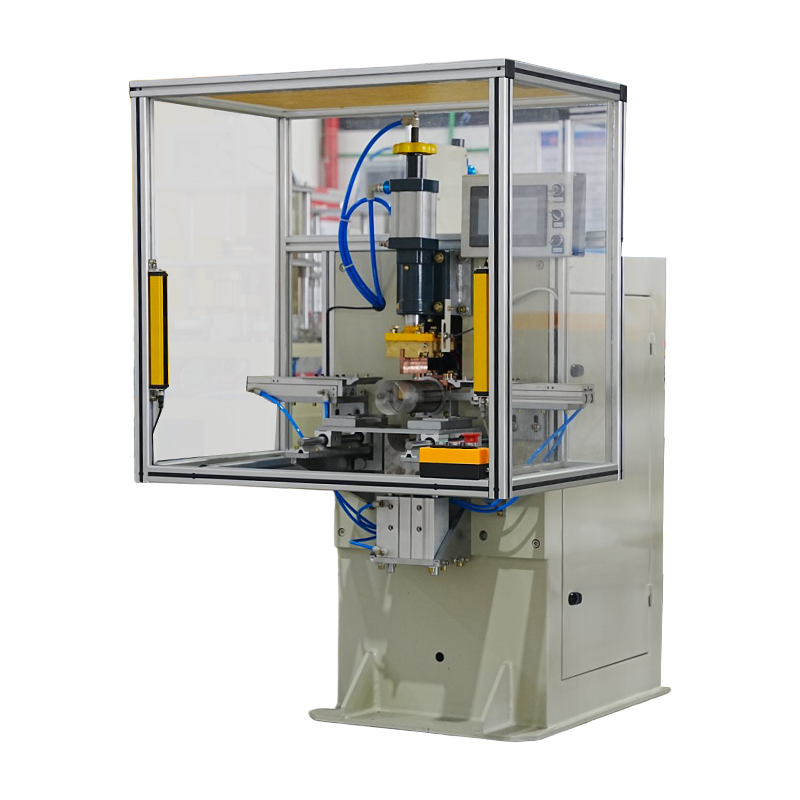
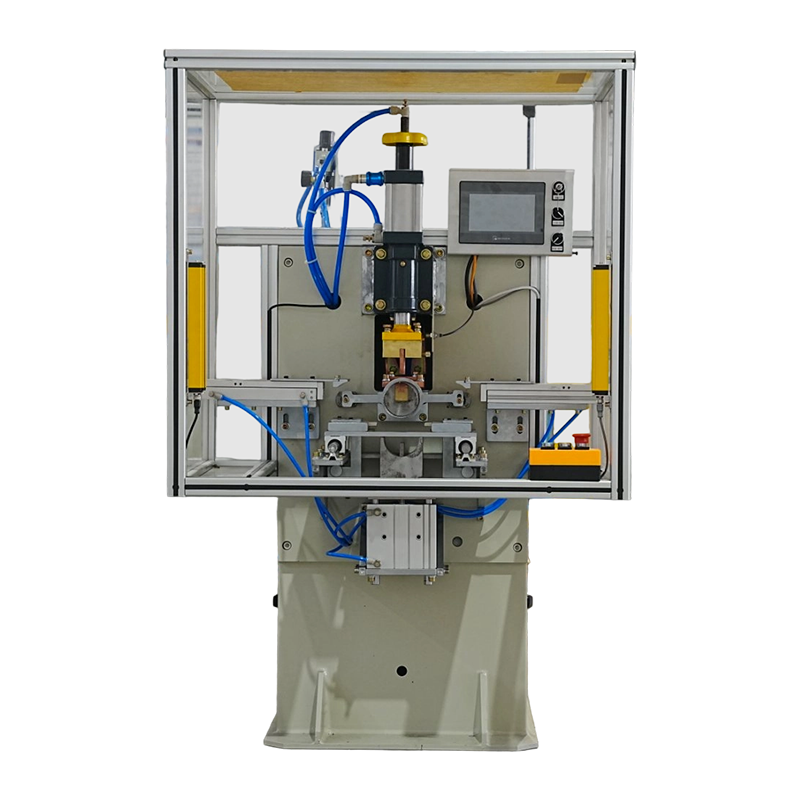
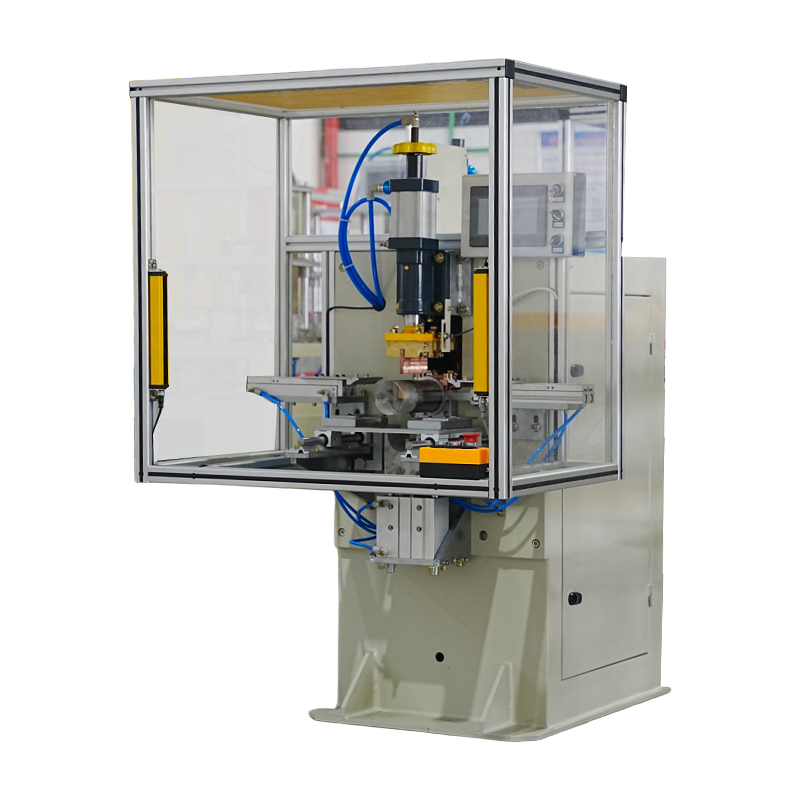
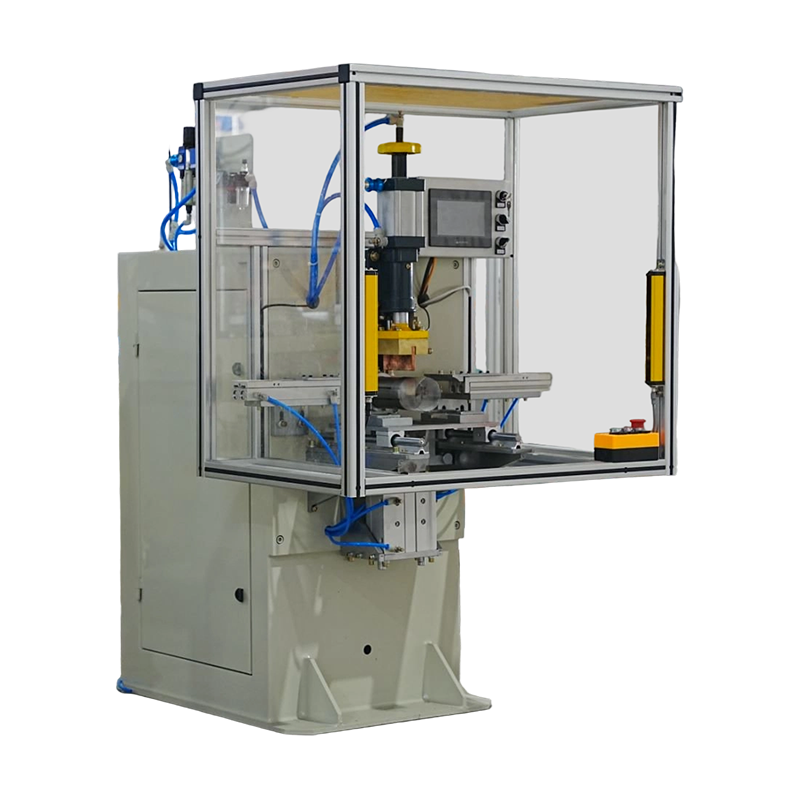
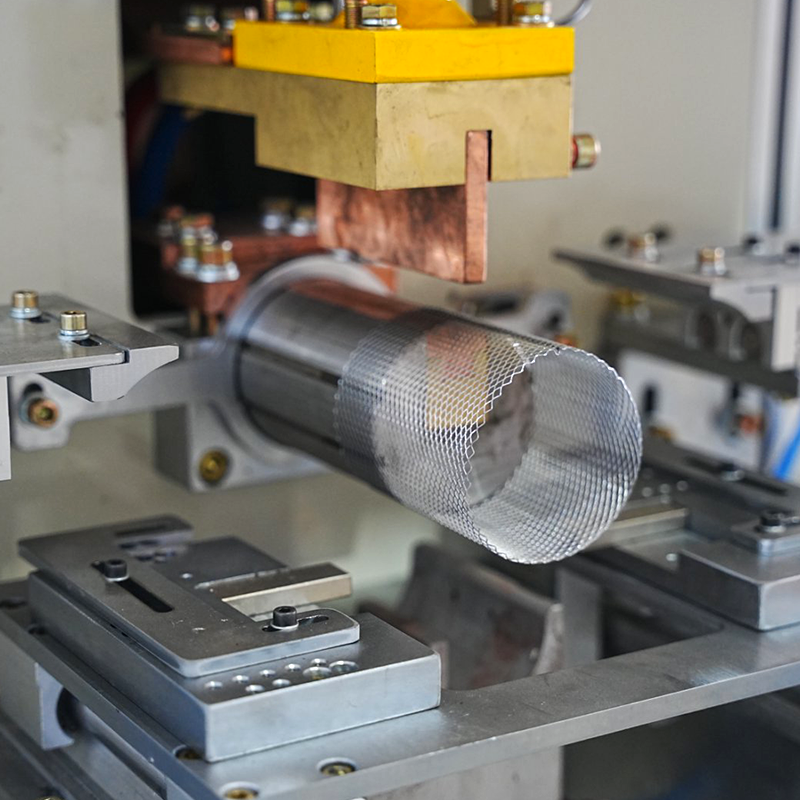
The Welding Machine for Semi-Circular Pen Holder is engineered for precision welding of semi-circular pen holders, integrating high‑accuracy automated positioning and servo control systems to deliver consistent, high‑quality welds. Equipped with robust fixtures and advanced welding heads, this machine ensures smooth, clean weld seams even during high‑speed production, enhancing the final product’s durability and appearance.
-
 View Products
The Roll & Weld Integrated Machine for Pen Holder seamlessly combines rolling and welding in a single automated process. With servo‑driven precision and tailored tooling, this machine transforms flat sheet material into a finished pen holder efficiently.
-
 View Products
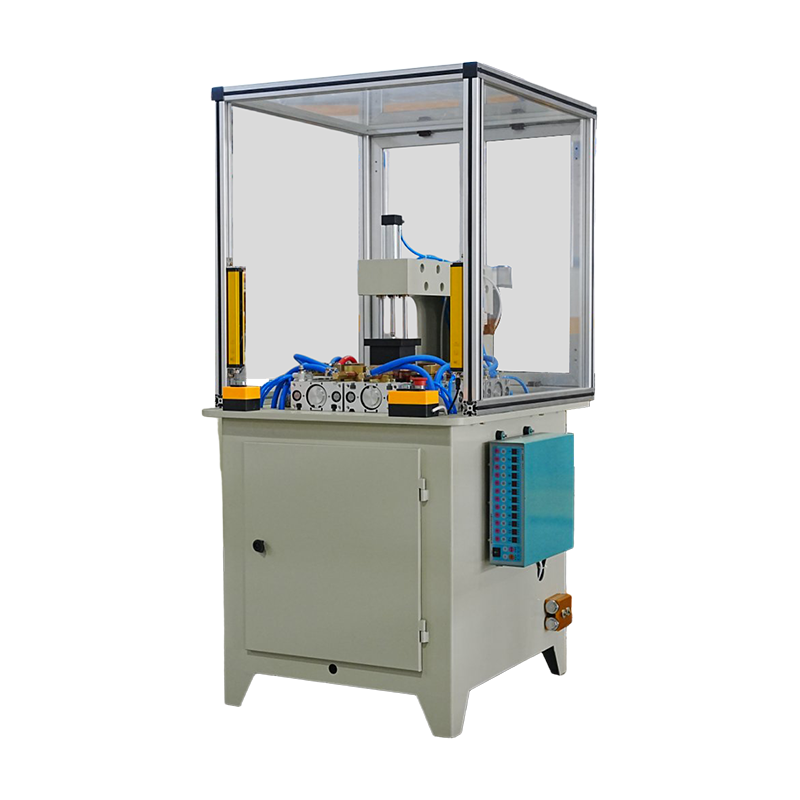
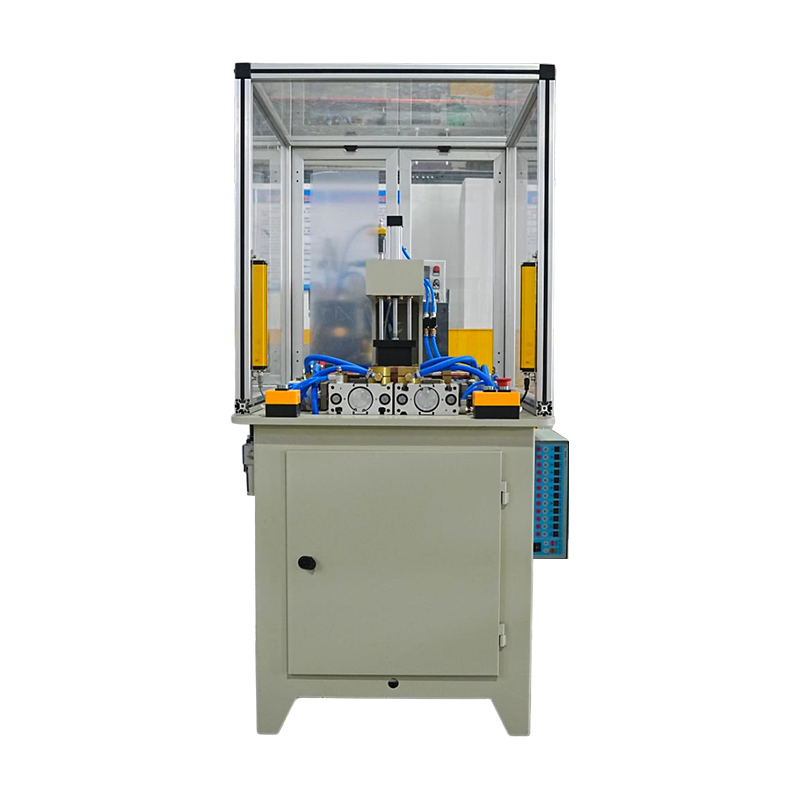
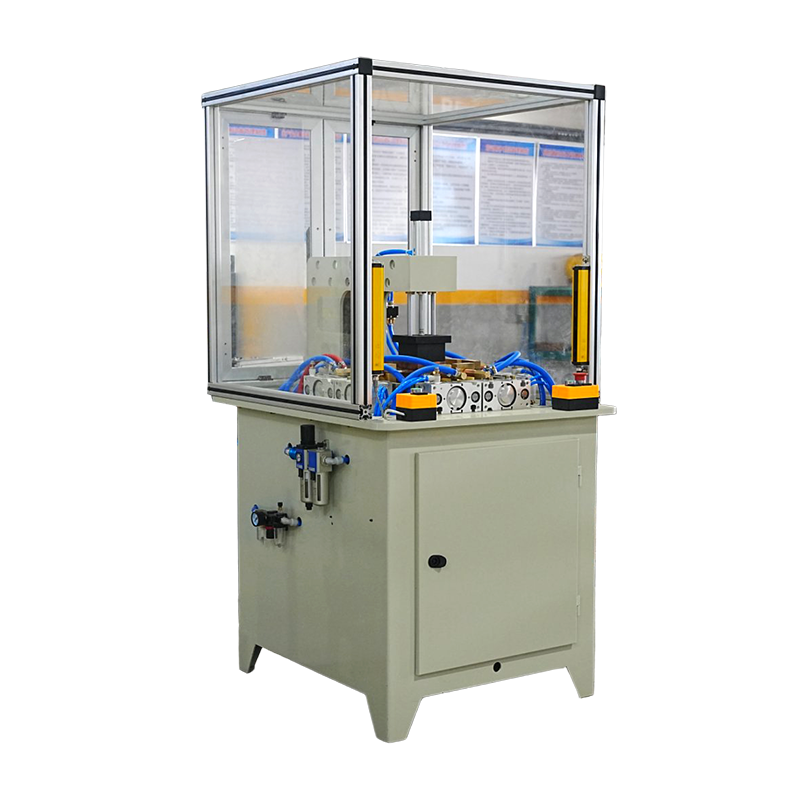
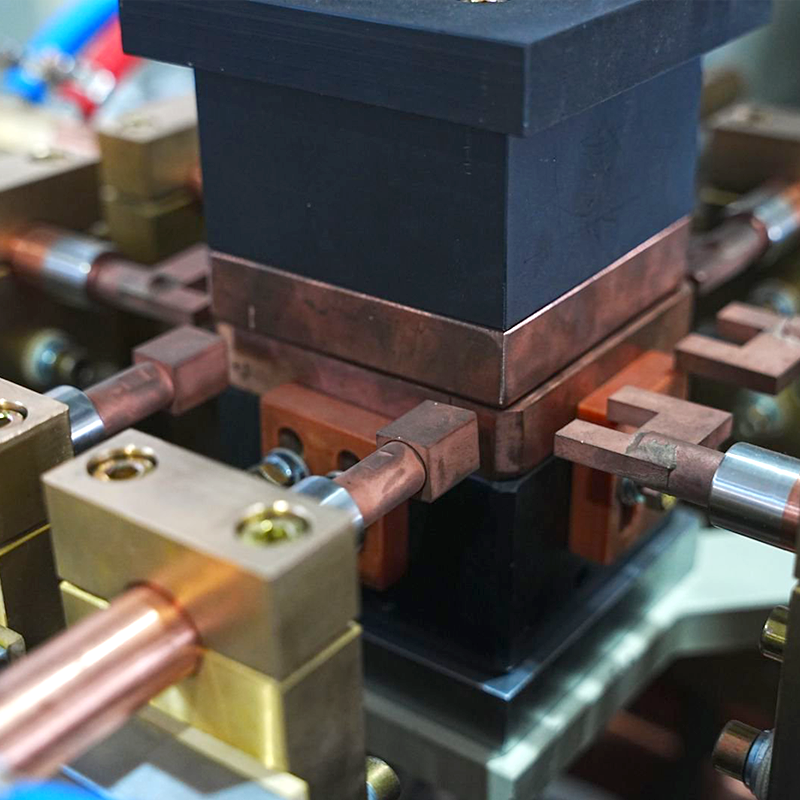
The Welding Machine for Box Bottom is designed for precise bottom‑plate welding of memo boxes. Featuring a stable welding unit and precise positioning fixtures, it ensures accurate alignment and consistent weld quality.
-
 View Products
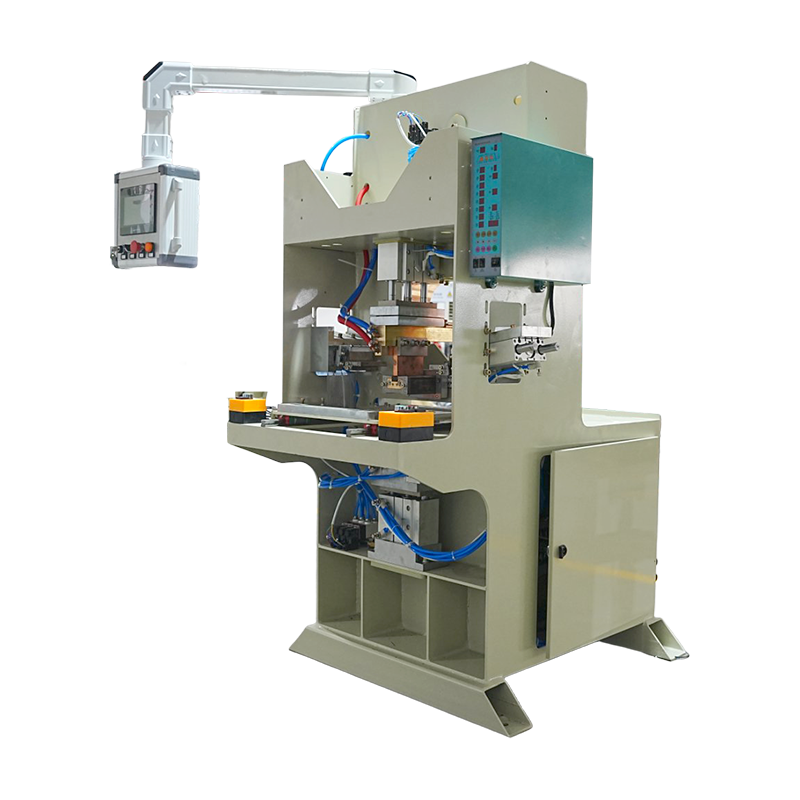
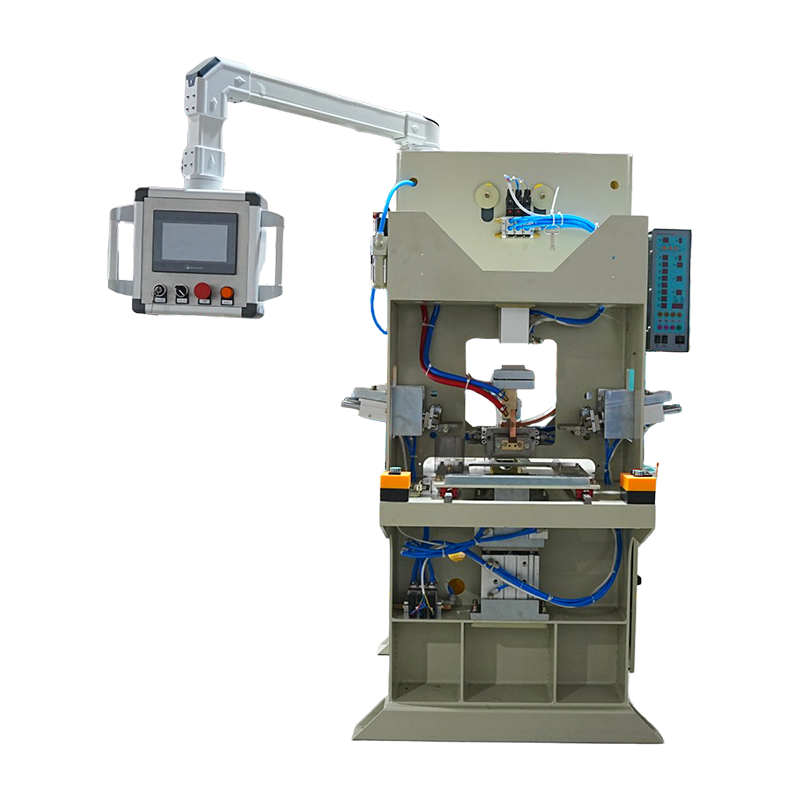
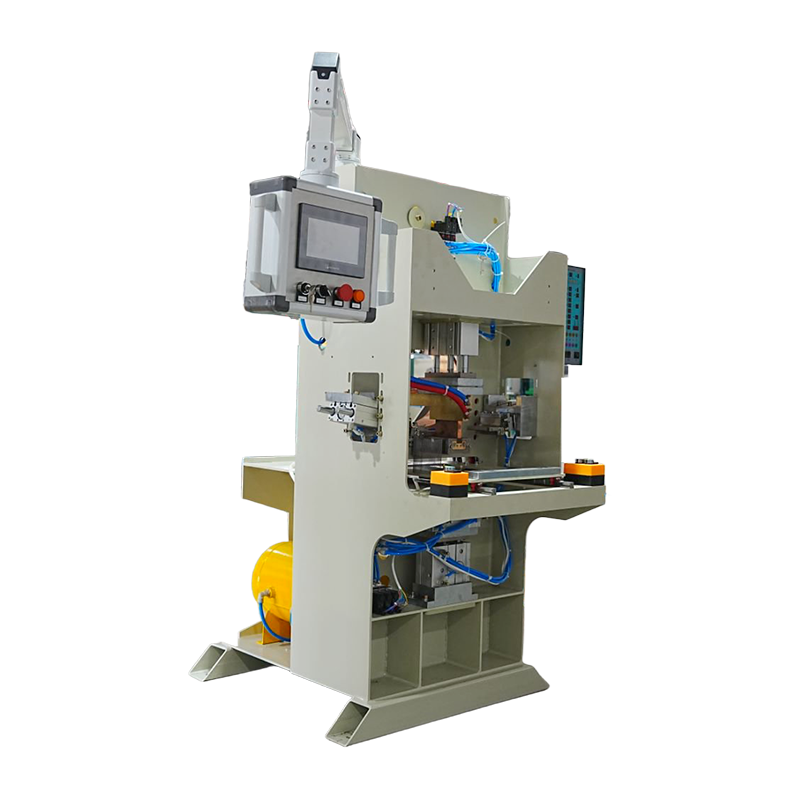
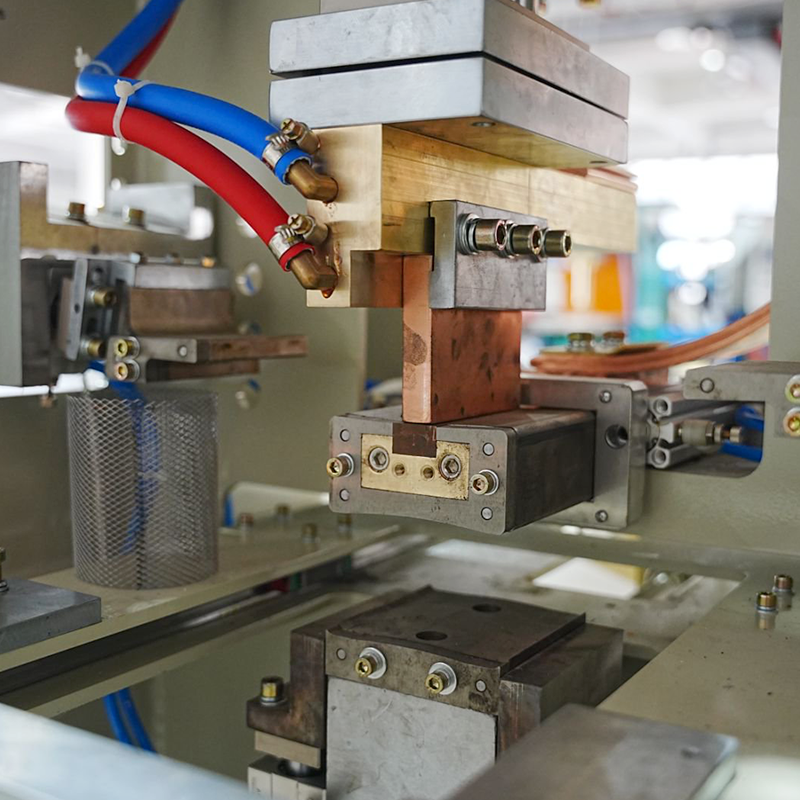
The Square Frame Forming & Welding Integrated Machine combines cutting, bending, forming, and welding in one system, enabling streamlined production of square memo box frames.
-
 View Products
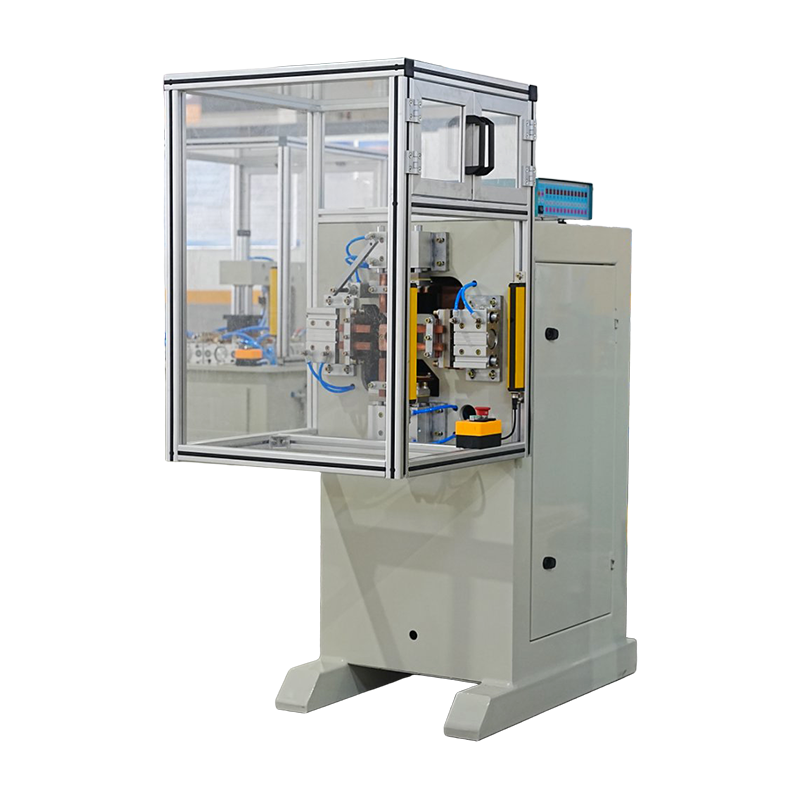
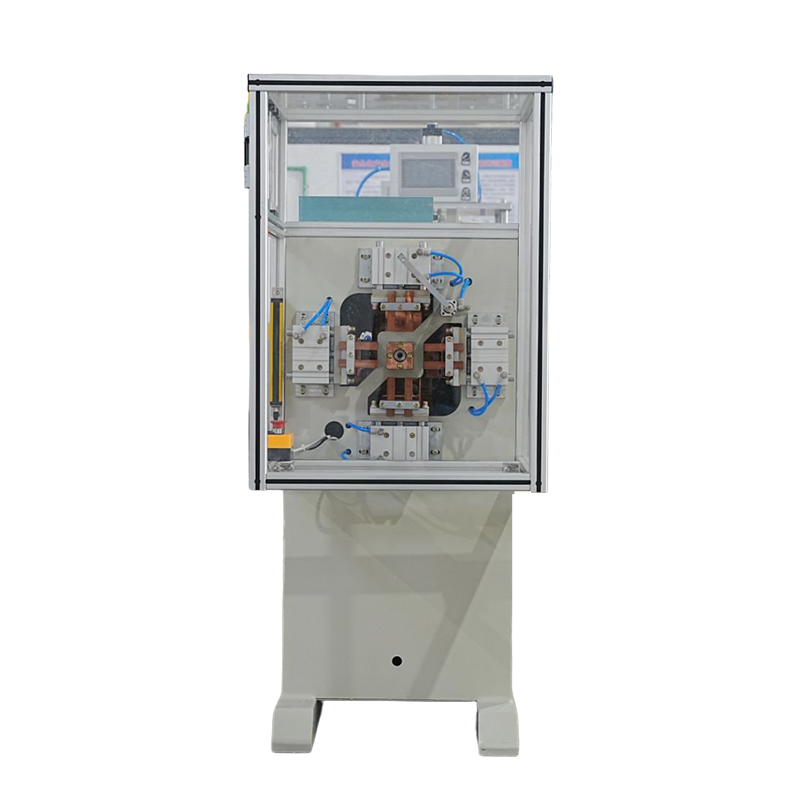
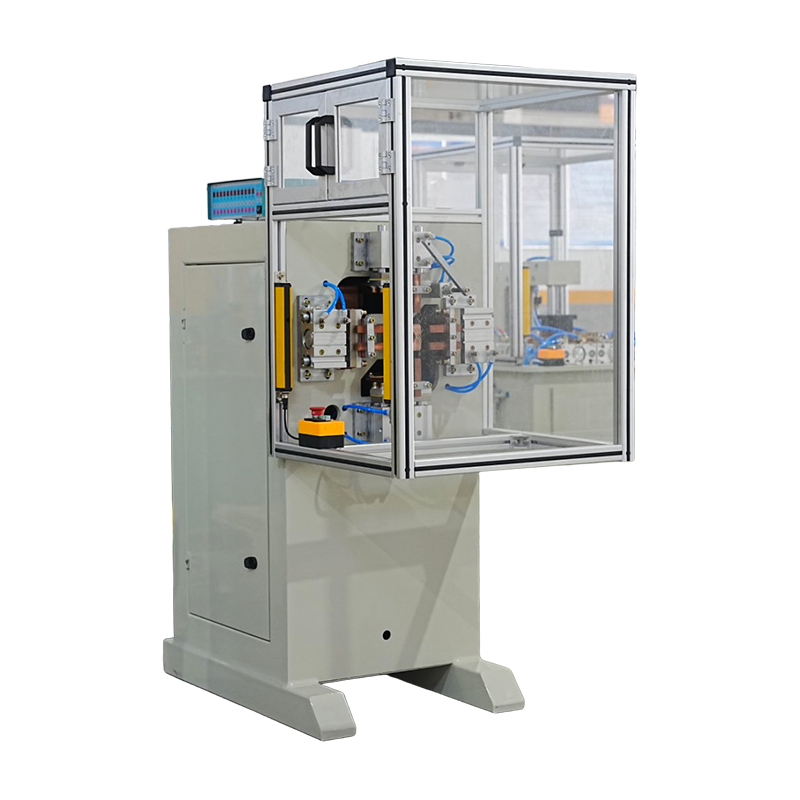
The Welding Machine for Square Pen Holder Bottom is optimized for welding the bottom of square pen holders. Featuring precise positioning and efficient welding modules, it ensures robust weld points and a stable structure.
-
 View Products
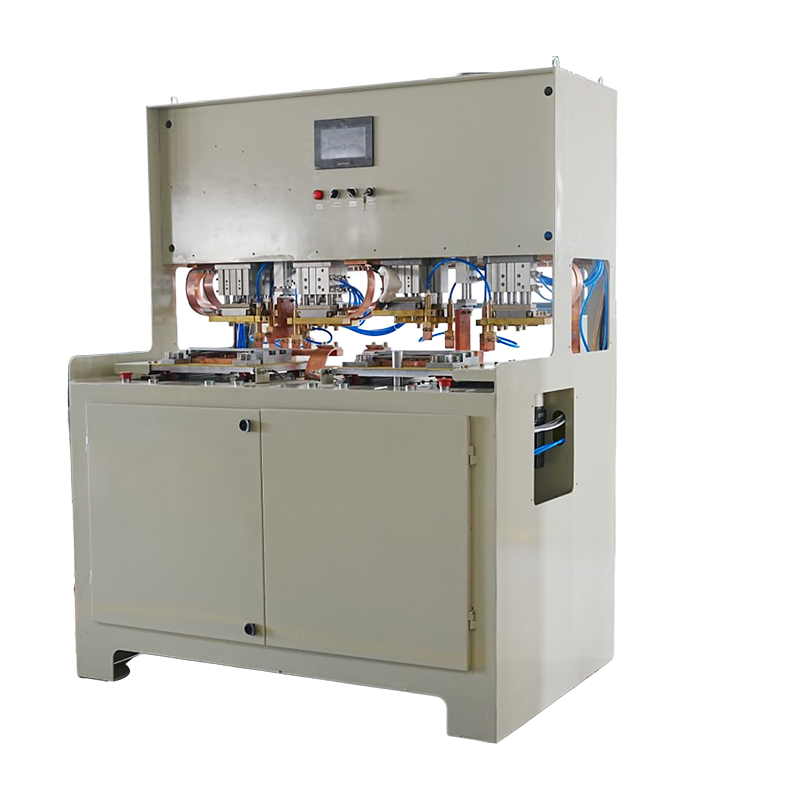
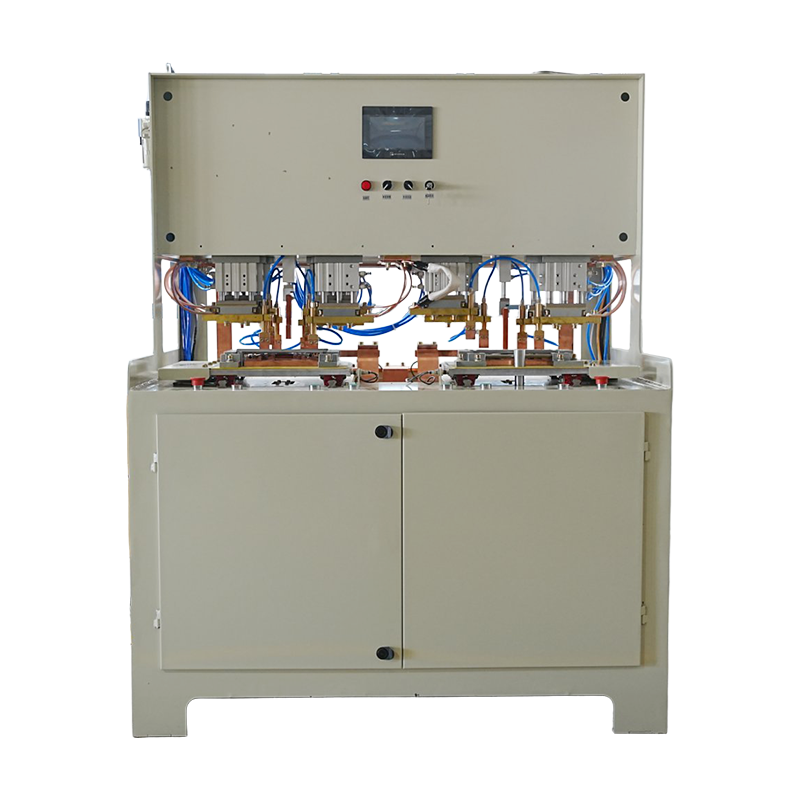
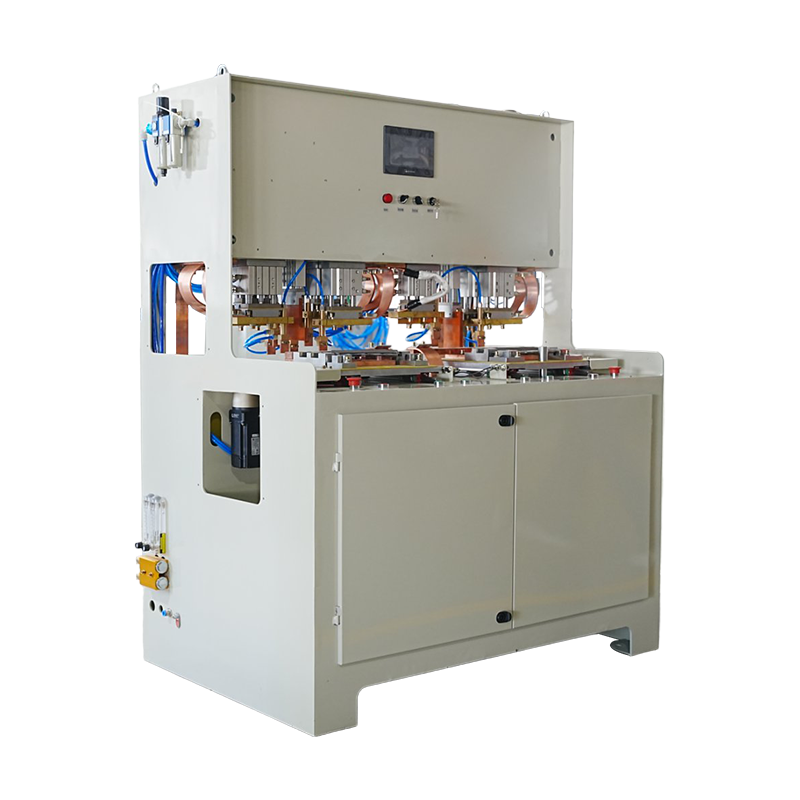
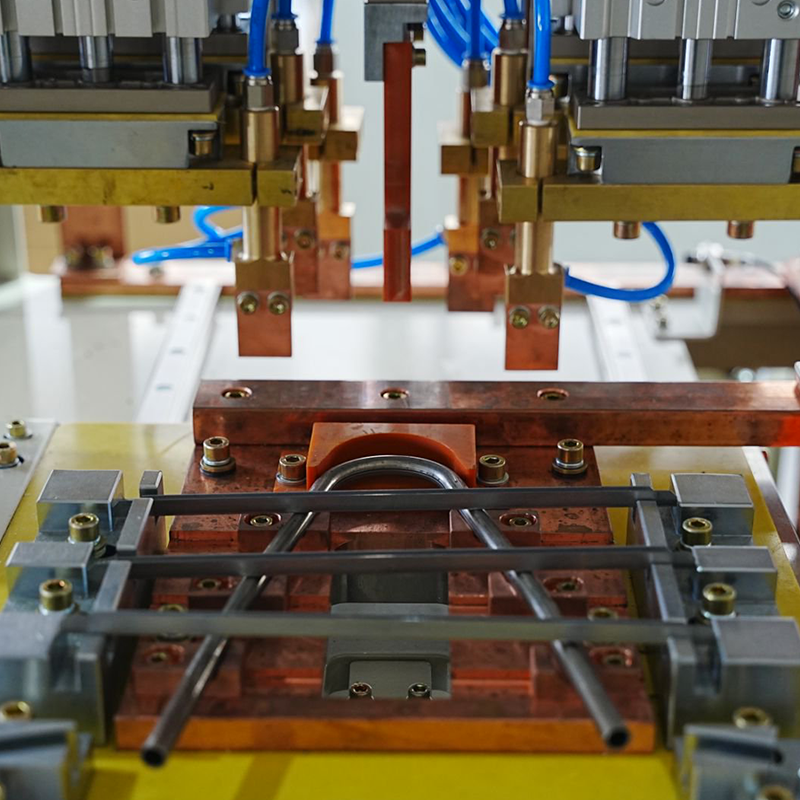
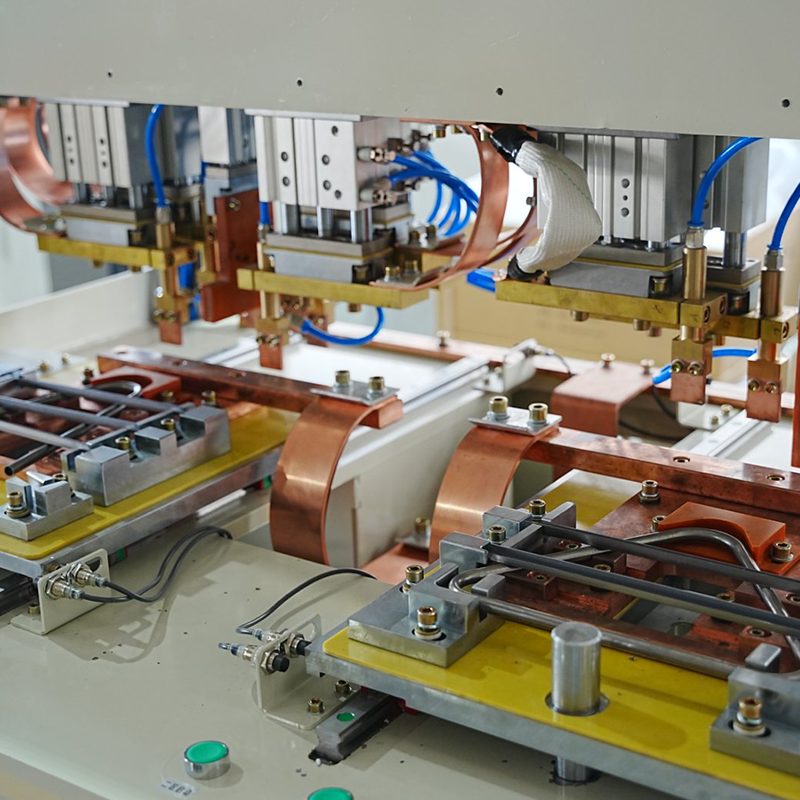
The Document Tray Bracket & Slot Rail Welding Machine is designed specifically for welding connections between tray brackets and slot rails.
-
 View Products
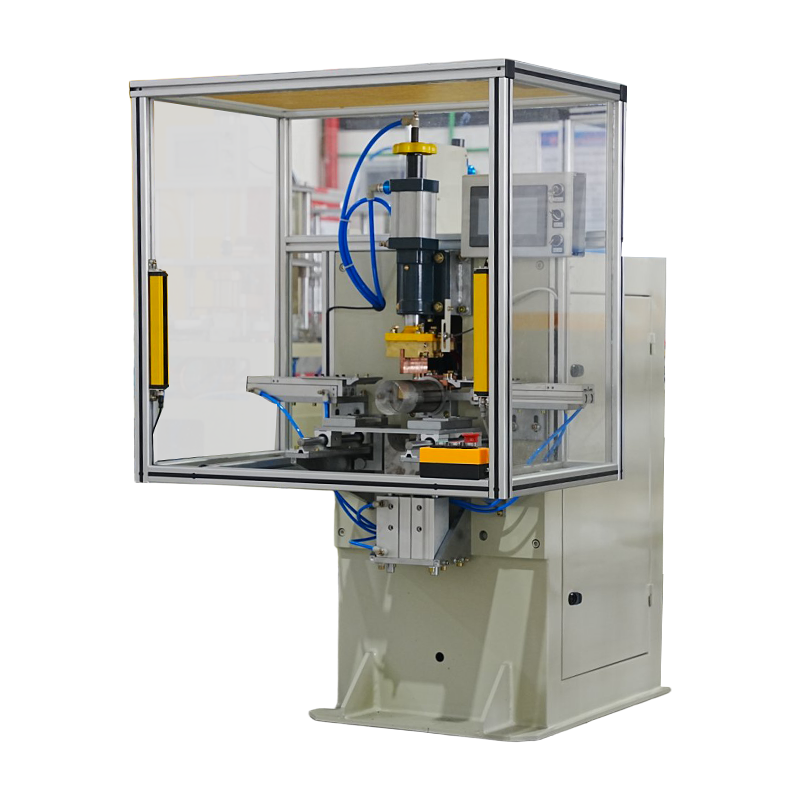
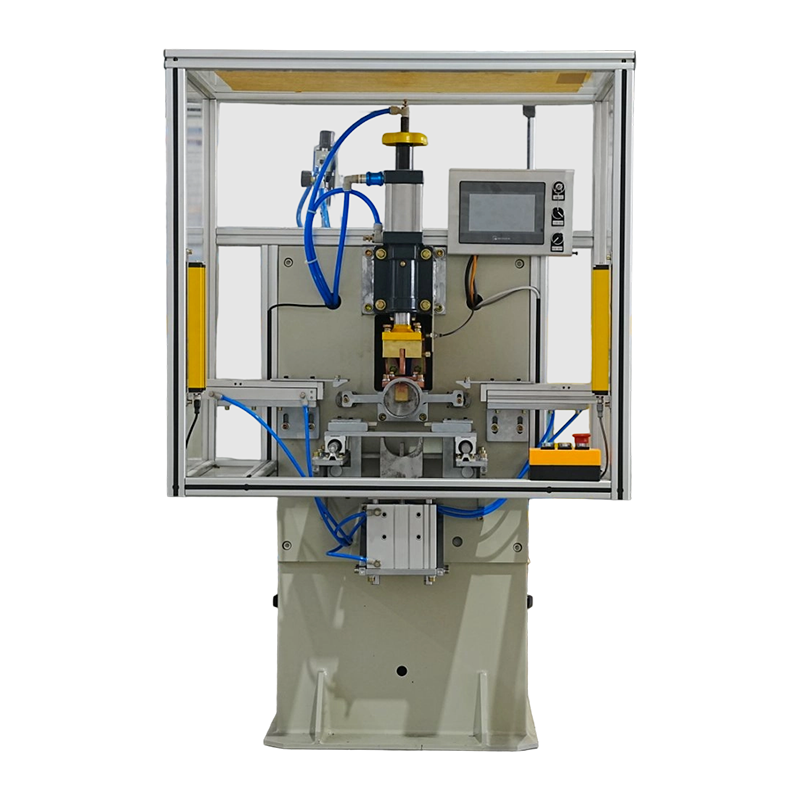
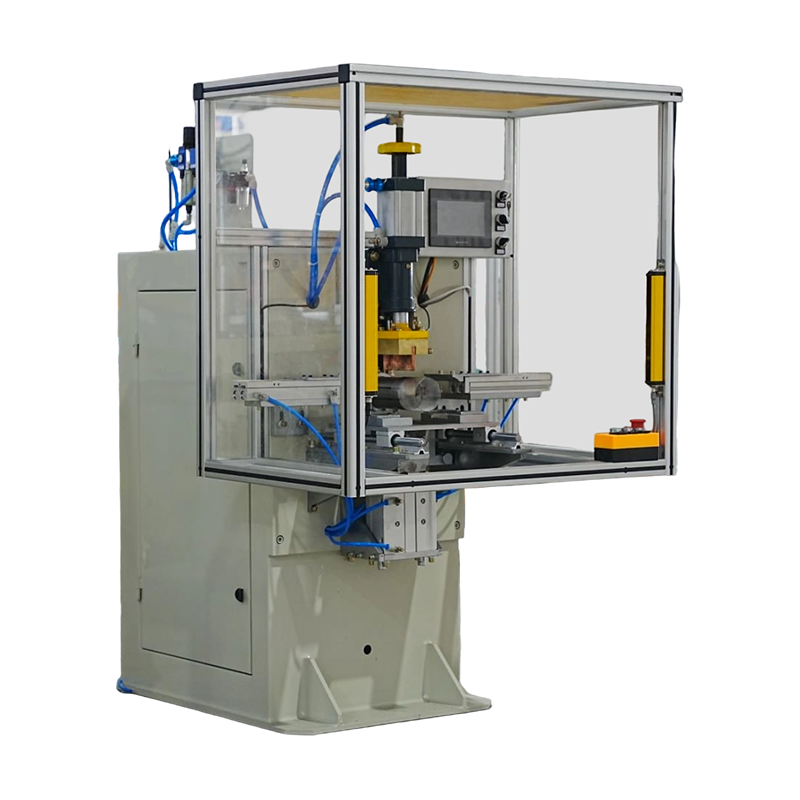
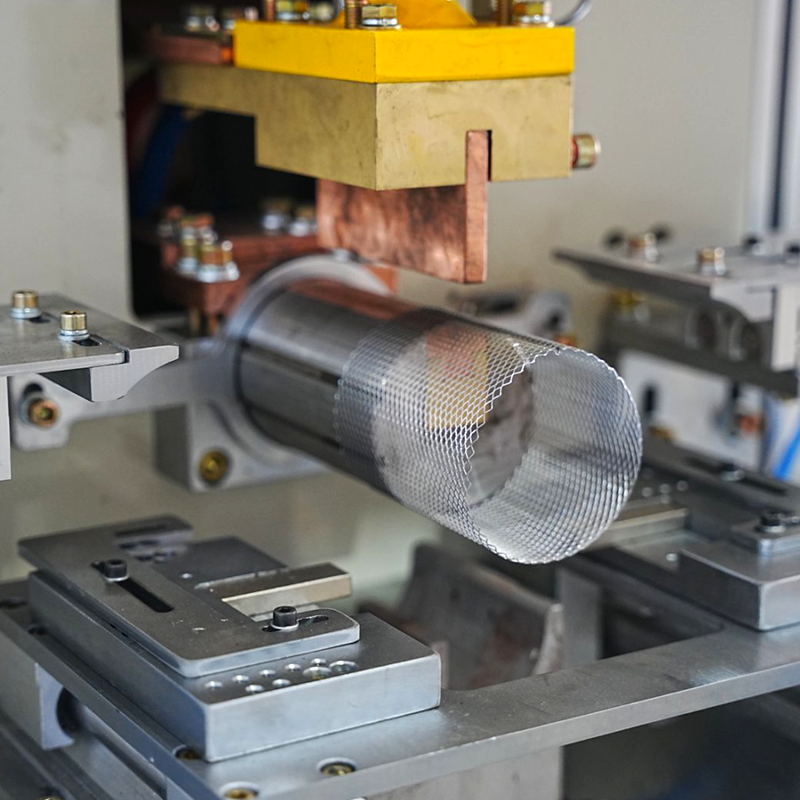
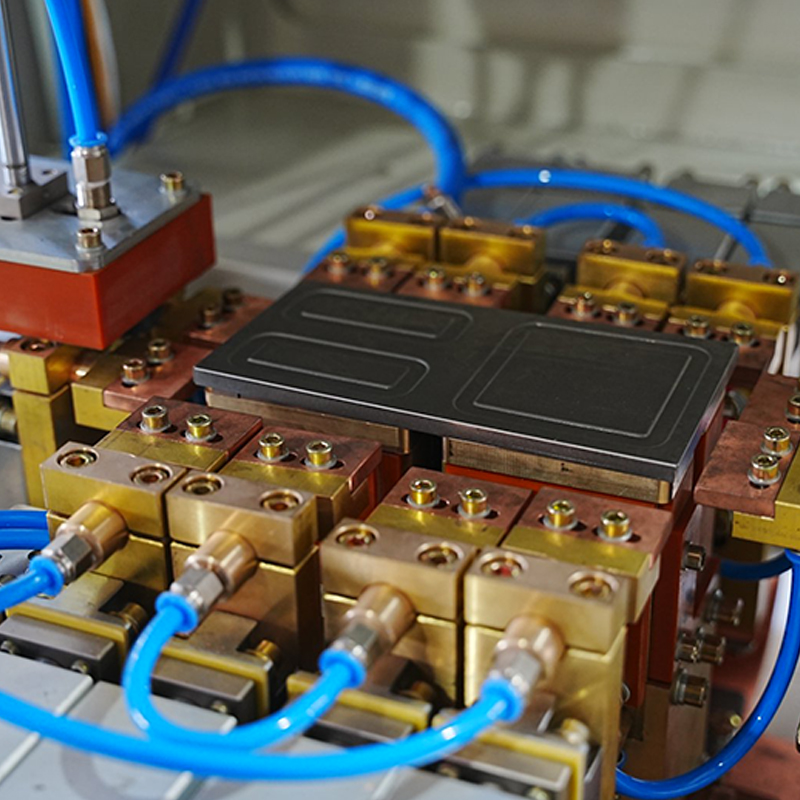
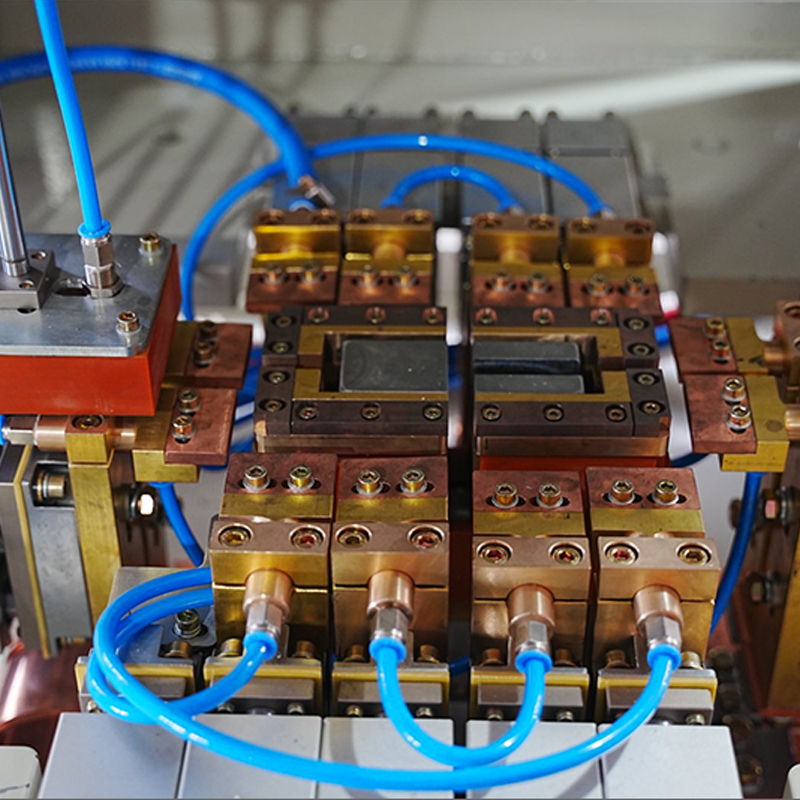
The Welding Machine for Desktop Organizer Base is engineered for precise base welding of desktop storage products. Automated positioning, precise clamping, and efficient welding units ensure strong welds between base and side panels.
-
 View Products
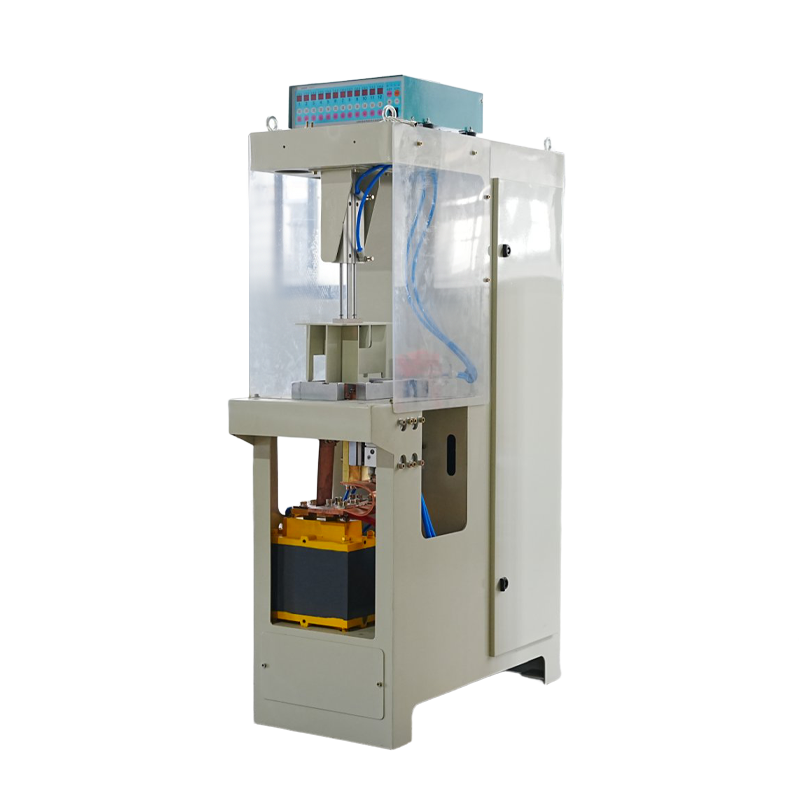
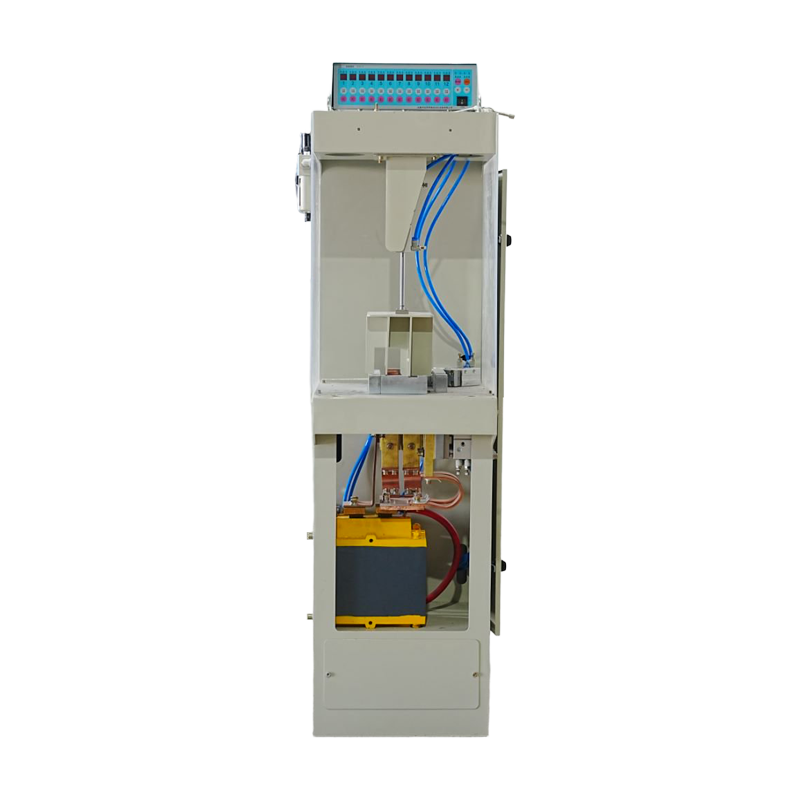
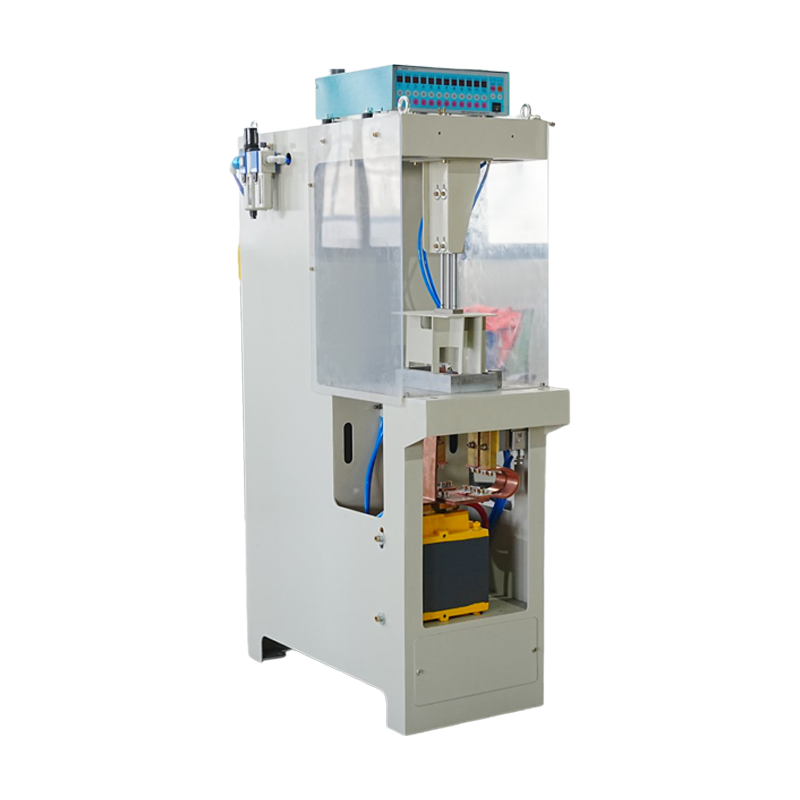
The Assembly Welding Machine for Storage Box integrates multiple welding stations to perform combined welding and forming of storage box components on a single platform.
-
 View Products
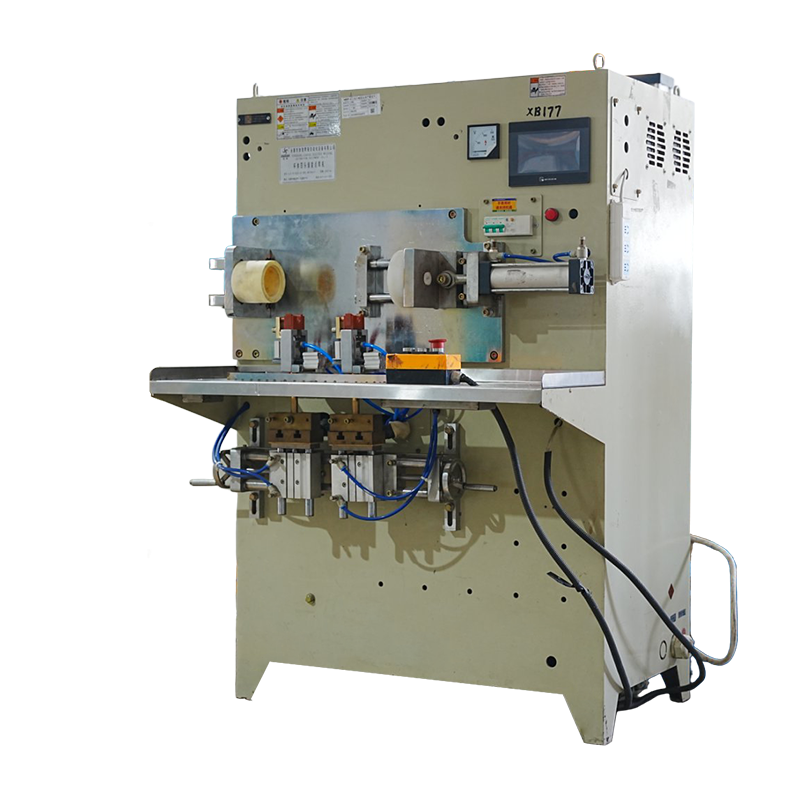
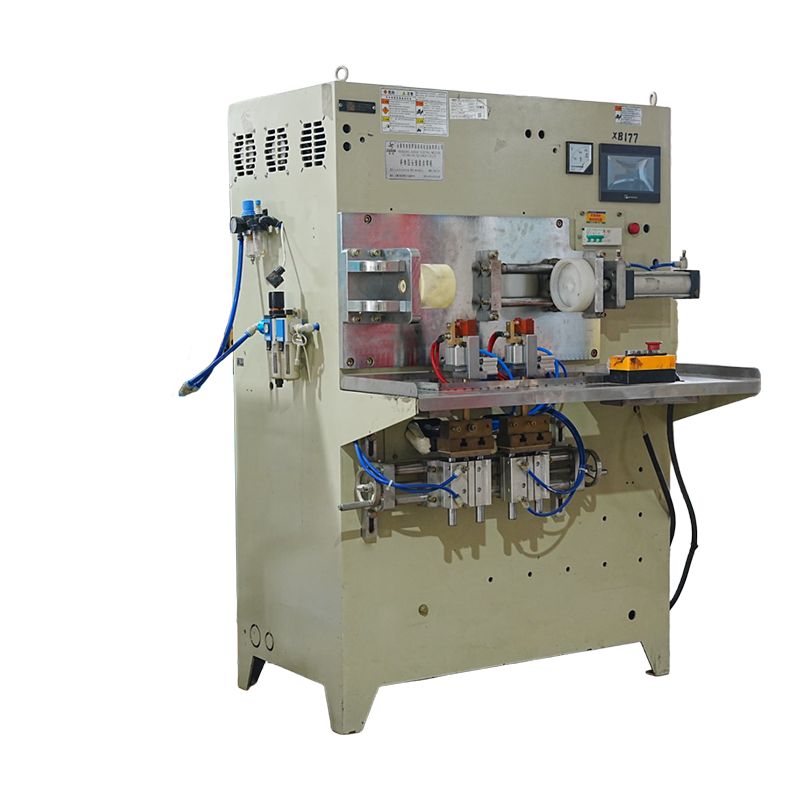
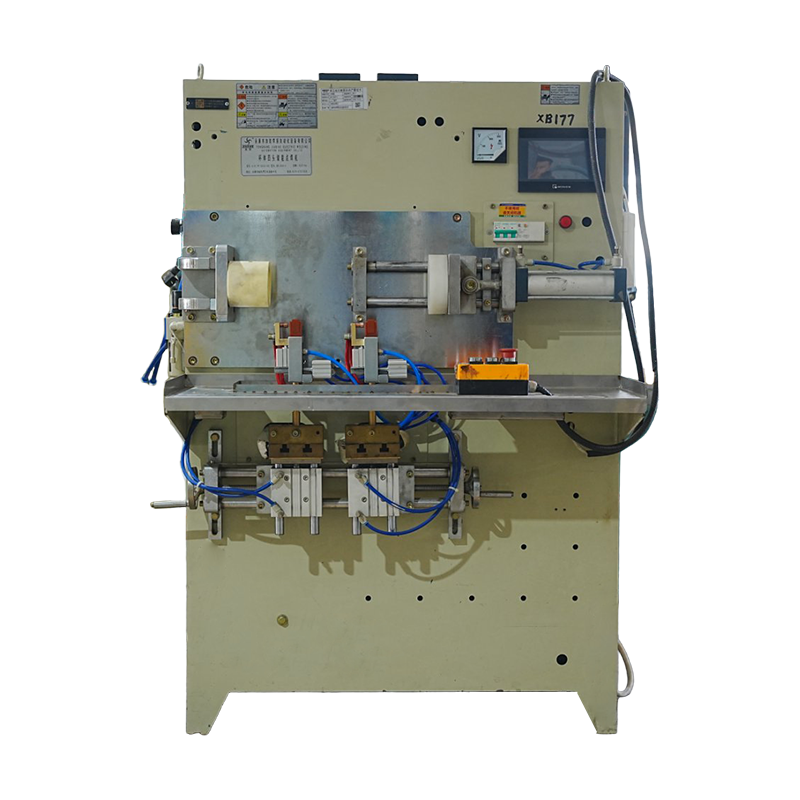
The 4‑Head Capacitor Discharge Welding Machine for Cup Bodies is a high‑precision automatic welding solution designed specifically for stainless‑steel insulated cup manufacturers.
-
 View Products
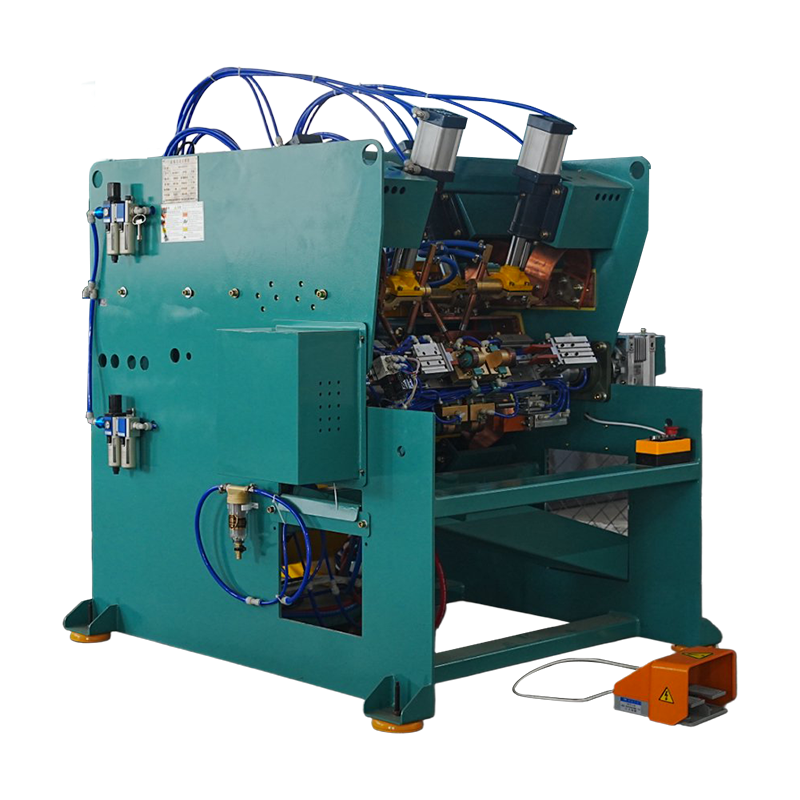
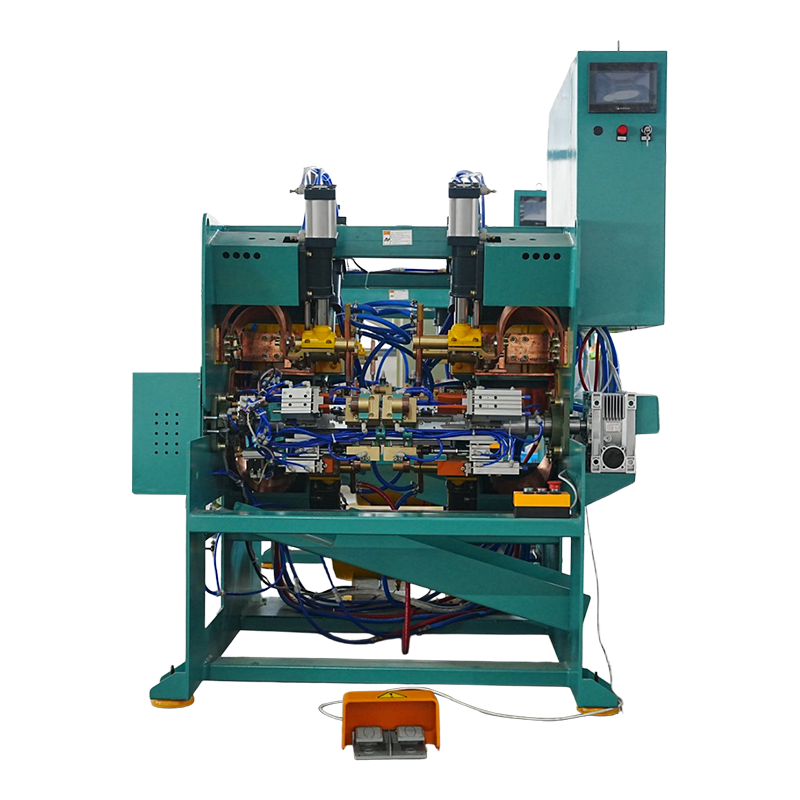
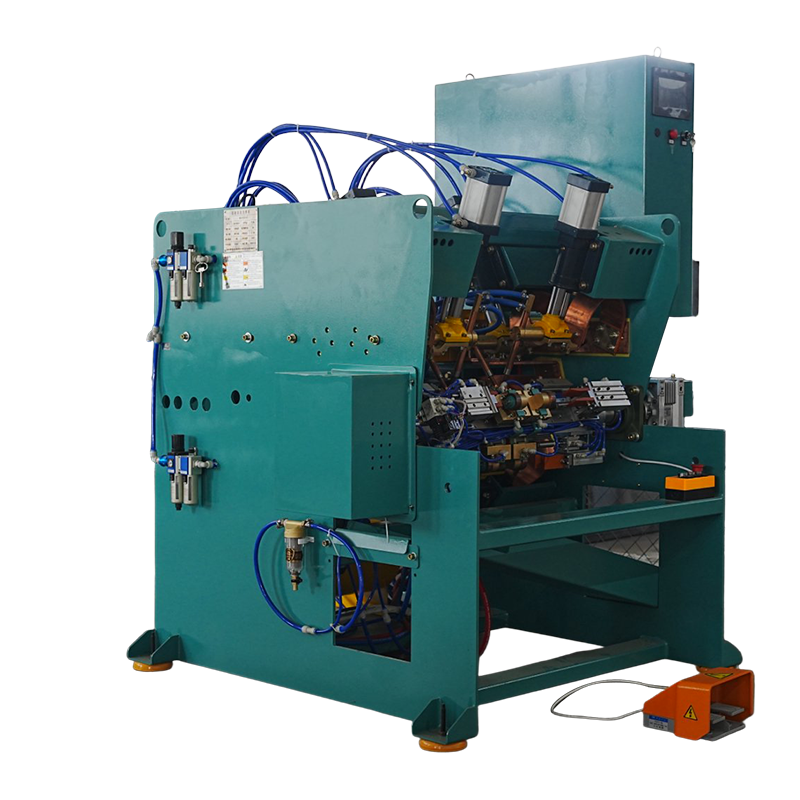
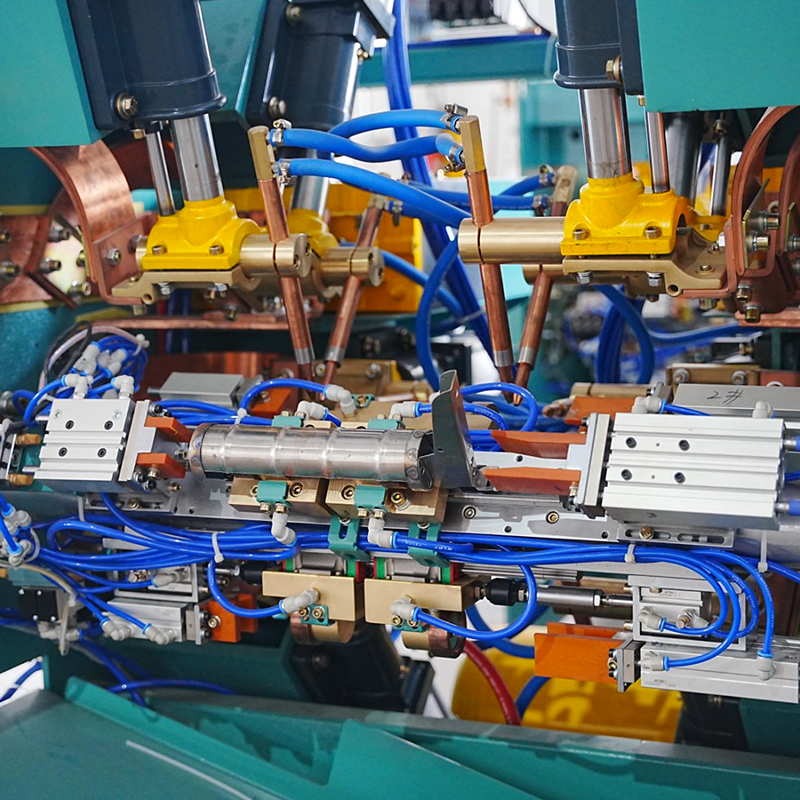
The 3‑Head Automatic Rotary Welding Machine for Hot Glue Gun is engineered for high‑volume welding of plastic or metal components on glue gun assemblies.
-
 View Products
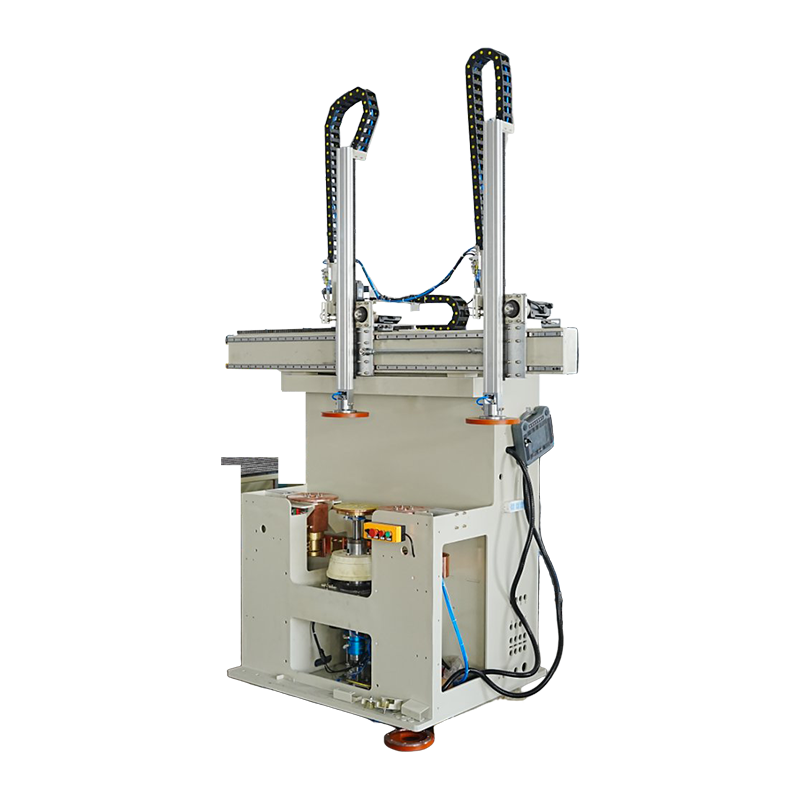
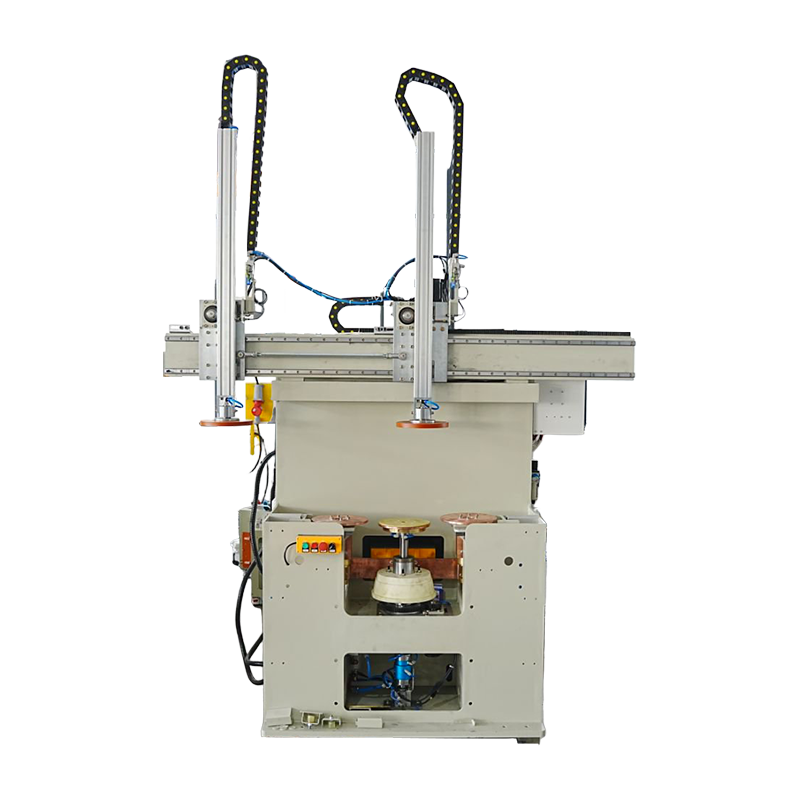
The Drum Bottom Roll Welding Machine provides an automated solution for welding the bottom of cylindrical drums to their sidewalls, delivering high‑strength, smooth weld seams using continuous roll welding technology. This system accommodates a wide range of drum sizes and material thicknesses through adjustable guides and customizable weld parameter profiles. The roll welding process ensures uniform penetration and minimal heat‑affected zones, which helps preserve the integrity of both drum body and bottom. Integrated PLC controls with touch panel interface allow operators to monitor weld speed, current, and pressure in real time, while safety sensors help prevent misfeeds or collisions. This machine is ideally suited to industries such as petrochemical, paint, lubricant, and food packaging where reliable sealing and weld integrity are critical. With enhanced automation and stable feed mechanisms, manufacturers achieve higher production consistency and lower reject rates.
-
 View Products
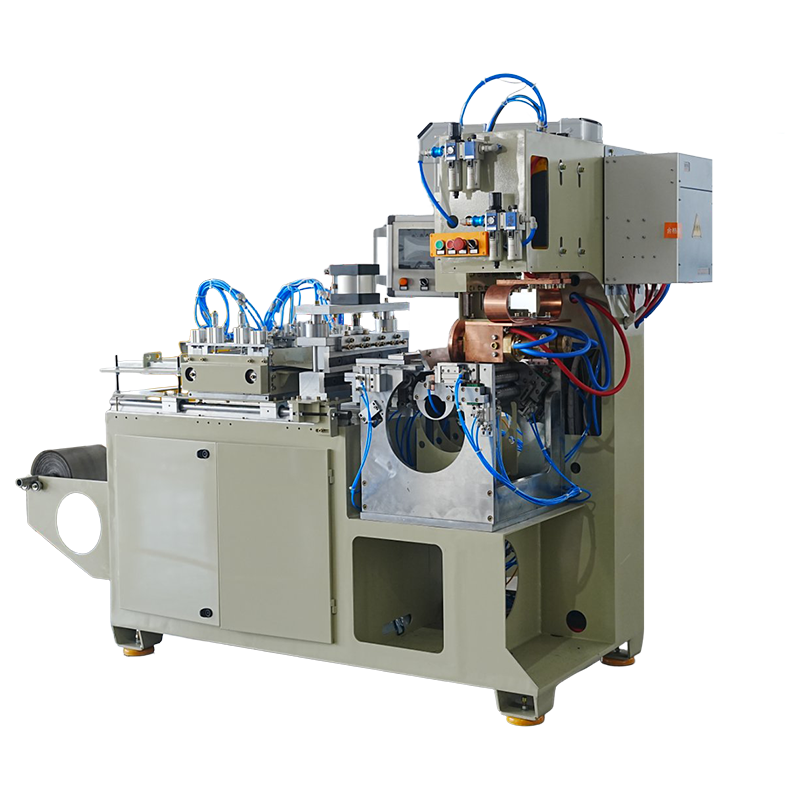
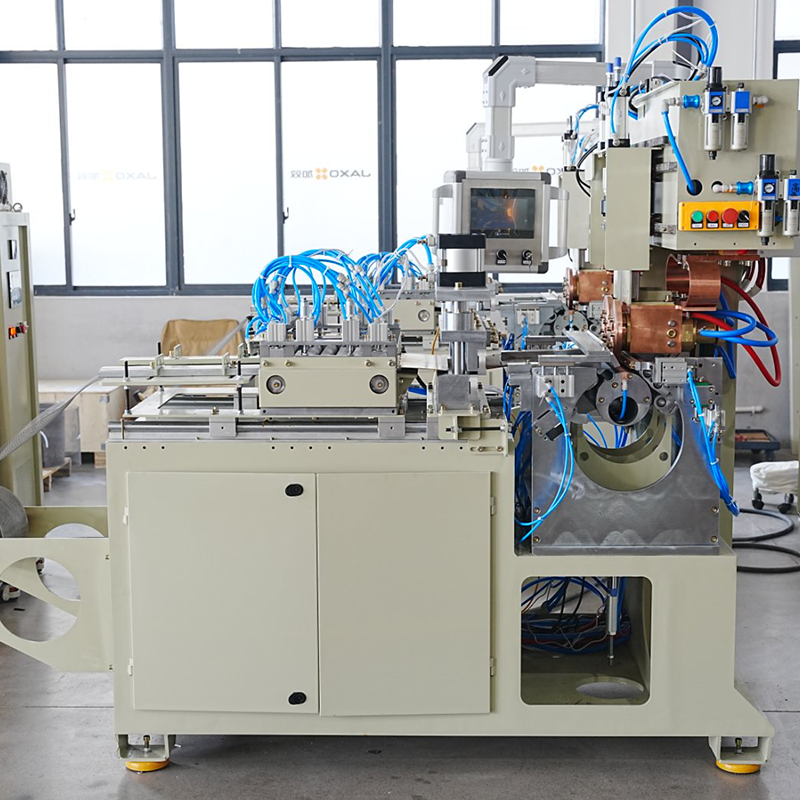
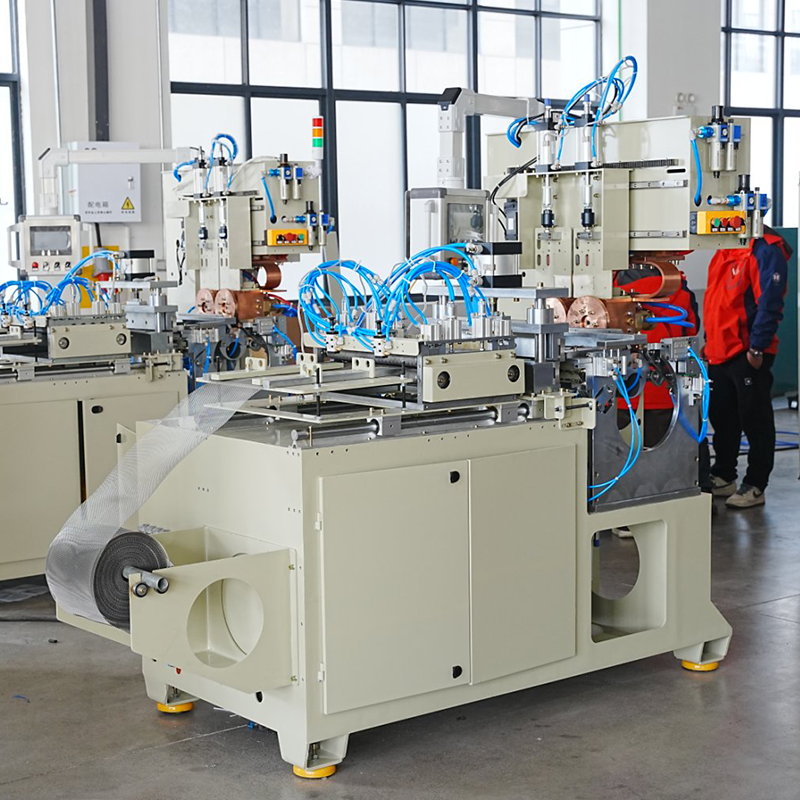
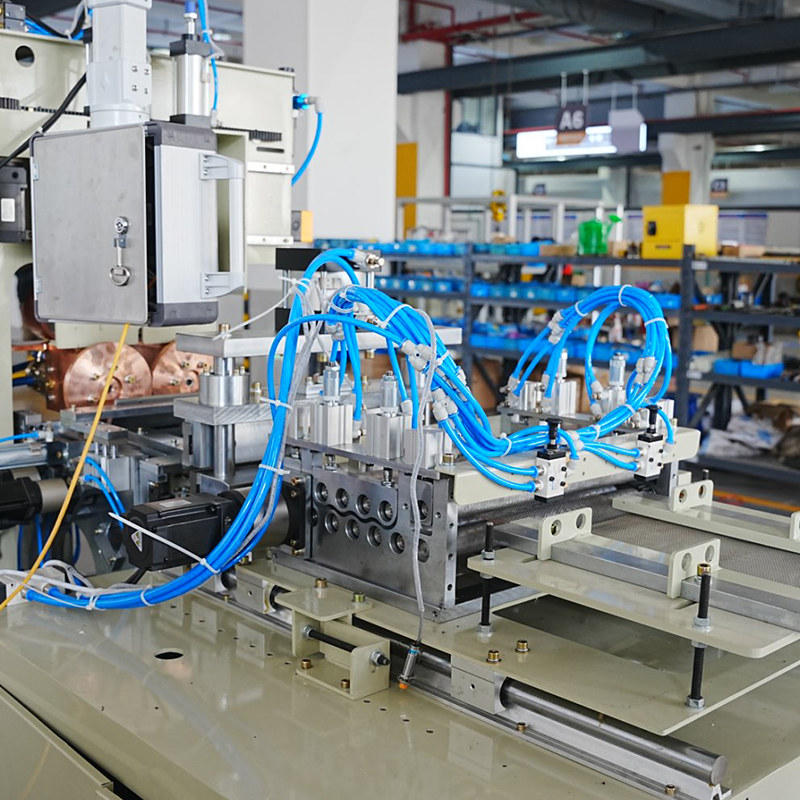
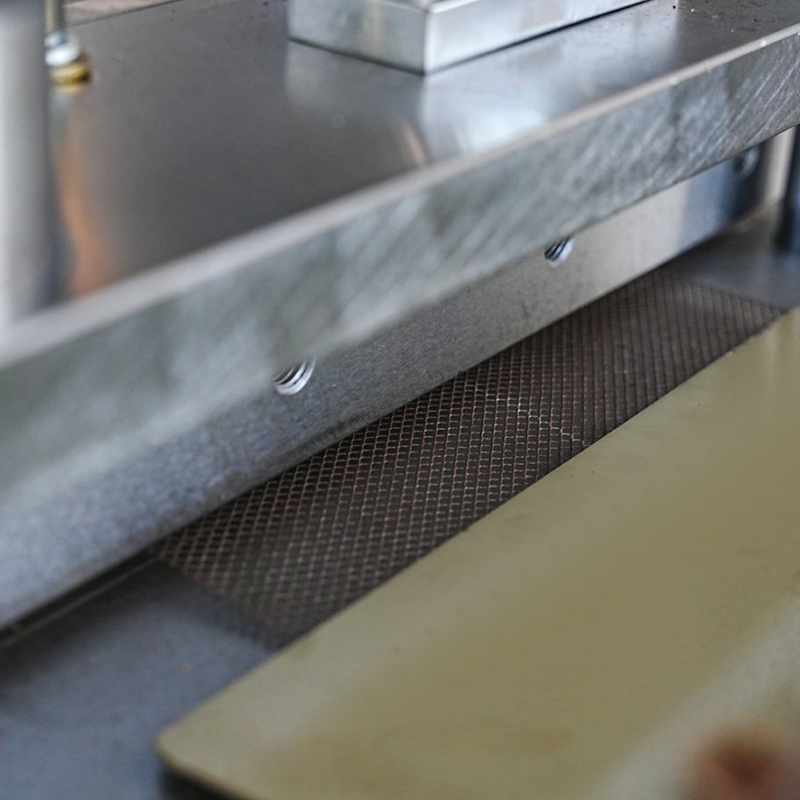
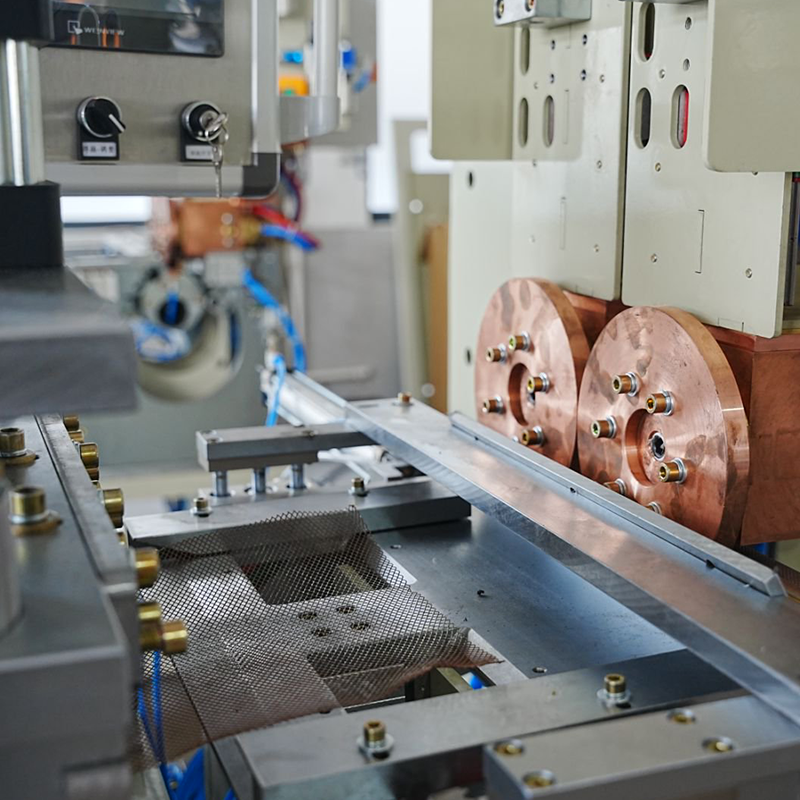
The Drum Roll Mesh Welding Integrated Machine combines drum body welds and wire mesh attachments in a single automated workflow, streamlining assembly processes for mesh‑reinforced drums or filtration barrels. This integrated system unifies precision roll welding with coordinated mesh positioning and welding, reducing manual handling and alignment errors. A high‑rigidity frame paired with servo‑controlled indexing ensures accurate placement of mesh sections, while the welding modules deliver consistent joint strength even on complex geometries. Operator ease is enhanced through an advanced human‑machine interface (HMI) for parameter setting, process visualization, and quick tool adjustments. The modular design also supports rapid conversion between different product configurations, making it ideal for diversified manufacturing needs. Applicable to industries such as industrial filtration, material handling, and storage solutions, this machine delivers improved throughput, reduced operator fatigue, and excellent weld quality.
Customized Welding Machine
Our customized welding machines are specially designed welding solutions tailored to specific industries and product structures. They address application scenarios that cannot be covered by standard welding equipment, offering modular design, automated control, and customized fixtures to achieve efficient and stable welding processes. These machines are suitable for complex structures, multi-station welding, and customized mass production. Configurations can be flexibly adjusted according to material characteristics, welding methods, and production requirements, helping manufacturers improve consistency, reduce labor costs, and optimize overall productivity.
Water Storage Tank Making Machines for Metal Tank Manufacturing
Water storage tank making machines are used to process metal sheets, form reinforcement structures, weld tank seams, produce support frames, and complete tank assembly. A complete production setup may include seam welding machines, rail spot welding machines, rib rolling machines, seaming machines, square tube bending machines, angle iron bending machines, fixtures, positioning systems, and inspection support equipment.
For industrial manufacturers, selecting suitable water storage tank production equipment requires a full review of tank dimensions, sheet thickness, seam length, sealing requirement, reinforcement rib structure, support frame specification, production capacity, workshop layout, and automation level. The right solution should match the actual tank design and production process rather than relying on a single machine model.
What Is a Water Storage Tank Making Machine?
A water storage tank making machine refers to a group of sheet metal forming, resistance welding, bending, assembly, and inspection-related equipment used to manufacture water storage tanks and related metal containers.
These machines are commonly used for:
- Stainless steel water storage tanks
- Galvanized water tanks
- Carbon steel tanks
- Fire water tanks
- Building water supply tanks
- Industrial storage tanks
- Water treatment containers
- Metal reservoirs
- Sheet metal tank assemblies
A water storage tank is usually made through several connected processes, including sheet preparation, reinforcement rib rolling, spot welding, seam welding, bracket fabrication, frame assembly, and leakage testing.
A complete water storage tank production system may include:
- Water storage tank seam welding machine
- Secondary rectifier seam welding machine
- Double-head seam welding machine
- Horizontal seam welding machine
- Rail spot welding machine
- Rib rolling machine
- Seaming machine
- Square tube bending machine
- Angle iron bending machine
- Customized fixtures
- PLC control system
- Servo positioning system
- Cooling system
Main Types of Water Storage Tank Making Machines
Water storage tank production draws on multiple pieces of equipment, with each machine handling a specific job — sealing, positioning, strengthening, edge forming, bending, or assembly.
Water Storage Tank Seam Welding Machine
A water storage tank seam welding machine creates continuous weld seams across tank bodies and sheet metal containers, playing a key role wherever watertight or airtight performance is required.
Common applications include:
- Stainless steel water storage tanks
- Galvanized tanks
- Rectangular tanks
- Cylindrical tanks
- Metal reservoirs
- Fire water tanks
- Industrial storage containers
Secondary Rectifier Seam Welding Machine
A secondary rectifier seam welding machine delivers steadier welding current by rectifying it on the secondary side of the transformer — a good fit whenever seam quality and current stability carry real weight.
It tends to suit:
- Stainless steel tank seams
- Long seam welding
- Continuous sealing seams
- Products requiring controlled heat input
- Higher-duty tank production
Double-Head Seam Welding Machine
A double-head seam welding machine runs two welding heads to work on two seam positions at once, based on the tank structure — a real time-saver for repeated production runs with symmetrical or parallel weld paths.
Common applications include:
- Two-side seam welding
- Symmetrical tank seams
- Long panel seam welding
- Rectangular tank production
- Multi-seam sheet metal containers
Horizontal Seam Welding Machine
A horizontal seam welding machine handles horizontal loading and welding, commonly serving larger workpieces, cylindrical structures, or tank bodies that need steady support while being welded.
Selection should factor in:
- Tank weight
- Loading direction
- Seam position
- Workpiece stability
- Operator access
- Fixture layout
Rail Spot Welding Machine
A rail spot welding machine takes on large side panels, brackets, and structural components. The welding head travels along a rail to reach multiple weld points, sparing the need to keep repositioning large panels.
It suits:
- Tank side plate welding
- Support strip fixing
- Bracket positioning
- Frame part welding
- Large sheet metal spot welding
- Reinforcement structure connection
Rib Rolling Machine
A rib rolling machine forms reinforcement ribs directly onto tank panels, boosting panel strength and cutting down deformation under water load.
Important factors include:
- Rib depth
- Rib profile
- Rib spacing
- Sheet thickness
- Material hardness
- Roller shaft strength
- Feeding stability
Seaming Machine
A seaming machine shapes folded edges, lock seams, or edge structures on metal sheets, supporting panel assembly and sharpening edge positioning ahead of welding or mechanical joining.
Typical uses include:
- Sheet edge forming
- Panel connection preparation
- Tank edge locking
- Assembly support
- Structural seam preparation
Square Tube Bending Machine
A square tube bending machine forms support frames, base structures, and protective frames for water storage tanks.
Selection depends on:
- Tube size
- Wall thickness
- Bend radius
- Frame shape
- Required bending accuracy
- Production quantity
Angle Iron Bending Machine
An angle iron bending machine handles tank support rings, base frames, brackets, and structural reinforcement parts.
It can process:
- Angle iron
- Flat steel
- Square tube, depending on tooling
- Support frame sections
- Mounting structures
Role of Water Storage Tank Seam Welding Machines in Sealing
Seam welding sits at the core of water storage tank manufacturing, since every tank seam has to hold up against leakage throughout its service life. A seam welding machine works by running rotating roller electrodes along the joint path, applying pressure and current as it goes.
The seam welding process shapes several critical outcomes:
- Watertight performance
- Airtight performance, when required
- Seam strength
- Seam appearance
- Heat deformation
- Welding speed
- Post-weld finishing work
- Tank reliability during inspection
Key parameters to keep in check include:
- Welding current
- Welding speed
- Roller electrode pressure
- Roller electrode profile
- Sheet overlap width
- Weld nugget overlap
- Cooling water flow
- Fixture alignment
Secondary Rectifier, Double-Head and Horizontal Seam Welding Machines
Different seam welding machine structures are used for different tank designs and production methods. The table below provides a practical comparison.
| Machine Type | Main Characteristics | Suitable Applications |
|---|---|---|
| Secondary rectifier seam welding machine | Stable output, controlled heat input, suitable for continuous seams | Stainless steel tanks, long seams, sealing applications |
| Double-head seam welding machine | Two welding heads for two seams or symmetrical weld paths | Rectangular tanks, repeated seam layouts, higher production rhythm |
| Horizontal seam welding machine | Horizontal loading, stable workpiece support | Larger tanks, cylindrical parts, heavy panels |
- Secondary Rectifier Water Tank Seam Welding Machine This machine is often selected when stable current and continuous seam quality are important. It is suitable for stainless steel tanks, galvanized tanks, and long weld seams.
- Double-Head Water Tank Seam Welding Machine A double-head configuration can reduce repeated handling when two seams can be welded in one setup. It is useful for tank structures with symmetrical seam positions.
- Horizontal Water Tank Seam Welding Machine Horizontal seam welding equipment supports larger or heavier tank bodies during welding. It is useful when vertical loading is difficult or when seam position requires stable horizontal support.
Application Industries for Water Storage Tank Making Machines
Water storage tank production equipment serves industries manufacturing fluid storage products, metal containers, sheet metal assemblies, and support structures.
- Water Storage Tank Manufacturing This equipment covers sheet forming, rib rolling, seam welding, spot welding, frame bending, assembly, and testing across various tank structures.
- Building Water Supply and Drainage Water storage tanks show up throughout building supply systems, drainage support systems, and water storage facilities, where sealing performance and structural strength remain top priorities.
- Fire Protection Equipment Fire water tanks demand a stable structure paired with tight leakage control. Equipment selection here should weigh tank size, panel rigidity, seam quality, and inspection requirements.
- Environmental Water Treatment Water treatment setups commonly involve stainless steel tanks, filter housings, reservoirs, and support frames — with seam welding and frame fabrication standing out as the recurring production steps.
- Industrial Equipment Industrial equipment can include storage tanks, cooling tanks, reservoirs, metal housings, and fluid containers. Production equipment needs to be matched to the material and tank structure the project actually calls for.
- Metal Container Manufacturing Metal container production leans on many of the same processes — seam welding, rib forming, edge seaming, frame bending, and assembly welding.
- Stainless Steel Products Stainless steel water tanks and containers call for controlled welding heat, well-matched electrode design, and surface protection throughout processing.
- Sheet Metal Fabrication Sheet metal workshops put water storage tank making machines to work on tanks, enclosures, containers, covers, and other formed sheet assemblies.
- Home Appliance and Automotive Parts Certain appliance and automotive components rely on tank-like structures, reservoirs, brackets, frames, and welded sheet metal parts. When product dimensions and welding requirements line up, the same equipment adapts to these applications just as effectively.
How to Choose the Right Water Storage Tank Making Equipment
Selecting water storage tank making machines requires evaluating the full product design and production route. A suitable setup should match tank dimensions, material, seam path, reinforcement design, frame structure, and output target.
Key selection factors include:
- Tank length, width, and height
- Rectangular, cylindrical, or special tank shape
- Sheet material
- Sheet thickness
- Weld seam length
- Seam position
- Straight seam or circular seam
- Required watertight or airtight level
- Reinforcement rib shape
- Rib depth and spacing
- Seaming height
- Support frame design
- Square tube size
- Round tube size
- Angle iron size
- Flat steel size
- Required production capacity
- Manual, semi-automatic, or automatic operation
- Workshop layout
- Factory voltage and frequency
- Compressed air condition
- Cooling water condition
- Future product size range
Practical Selection Guide
| Production Requirement | Recommended Equipment Direction |
|---|---|
| Long sealed seams | Water storage tank seam welding machine |
| More stable seam current output | Secondary rectifier seam welding machine |
| Two-side or symmetrical seam welding | Double-head seam welding machine |
| Large or heavy tank body welding | Horizontal seam welding machine |
| Large panel structural welding | Rail spot welding machine |
| Panel reinforcement | Rib rolling machine |
| Edge forming or locking | Seaming machine |
| Support frame production | Square tube bending machine |
| Angle frame or bracket production | Angle iron bending machine |
| Repeated production | PLC control, fixtures, and semi-automatic handling |
Key Components That Affect Equipment Performance
How well water storage tank making equipment performs comes down to welding stability, forming accuracy, bending precision, positioning reliability, and cooling capacity.
- Welding Controller The welding controller oversees current, time, pulse control, welding sequence, and process settings — directly shaping seam weld continuity and how repeatable spot welds turn out.
- Welding Transformer The welding transformer supplies welding current, and it needs to be matched against material thickness, seam length, production rhythm, and duty cycle.
- Roller Electrodes Roller electrodes drive the seam welding process. Their diameter, width, profile, cooling, and surface condition all leave their mark on seam appearance and sealing quality.
- Spot Welding Electrodes Spot welding electrodes handle brackets, side plates, reinforcement strips, and frame components. Electrode shape needs to align with workpiece geometry and where the weld point sits.
- Rib Rolling Shafts Rib rolling shafts set rib depth, width, shape, and how consistent the results come out. Shaft rigidity and profile accuracy matter a great deal for stable panel forming.
- Seaming Shafts Seaming shafts control folded edge height, profile shape, and edge consistency. Get the shaft design right, and assembly plus welding preparation both go more smoothly.
- Bending Rollers Bending rollers shape how accurately tube, angle iron, and flat steel get bent. Roller material, profile, and adjustment method all need to fit the section shape being processed.
- PLC Control System A PLC control system coordinates welding, clamping, feeding, forming, positioning, and safety logic together — a real asset for semi-automatic and integrated systems.
- Servo Positioning System Servo positioning sharpens repeated positioning accuracy for rail spot welding, automatic feeding, rib spacing, and multi-step processing.
- Fixtures Fixtures keep panels, frames, and tank bodies locked in the correct position. Solid fixture design cuts down on misalignment, weld deviation, and assembly variation.
- Cooling System The cooling system protects transformers, roller electrodes, conductive parts, welding cables, and high-duty forming or welding stations — a factor that becomes especially critical during continuous seam welding.
Custom Fixtures, Double-Head Seam Welding and Line Integration
Water storage tank production frequently calls for customized equipment, since tank size, seam path, reinforcement layout, and frame design shift from one project to the next.
Customization options may include:
- Non-standard positioning fixtures
- Double-head seam welding
- Horizontal seam welding
- Rail spot welding
- Automatic feeding
- Automatic pressing
- Automatic clamping
- Rib depth adjustment
- Seaming height adjustment
- Customized roller electrodes
- Square tube bending tooling
- Angle iron bending tooling
- PLC control
- Touchscreen parameter setting
- Servo positioning
- Cooling circuit design
- Safety protection
- Conveyor connection
- Integrated line planning
- Double-Head Seam Welding Double-head seam welding fits well when a tank has symmetrical or repeated seam paths. It cuts down on repeated loading steps and keeps production rhythm running smoothly.
- Horizontal Seam Welding Horizontal seam welding suits larger or heavier tank bodies that need steady support while welding takes place. This setup tends to improve loading convenience and seam tracking for certain structures.
- Rail Spot Welding Rail spot welding proves valuable for large panels, side plates, support strips, and bracket welding. Since the welding head moves instead of the sheet, there is far less need to reposition large panels repeatedly.
- Automatic Feeding and Pressing Automatic feeding and pressing boost consistency across repeated rib rolling, seaming, and welding cycles — particularly useful when the product size range stays fairly stable.
- Custom Tube and Angle Bending Square tube, round tube, flat steel, and angle iron bending tooling gets designed around support frame drawings, bend radius, material section, and the accuracy the project calls for.
- Full-Line Integration A complete water storage tank production line can bring together sheet preparation, rib rolling, seaming, spot welding, seam welding, frame bending, assembly, and inspection support. Planning this kind of integration means thinking through material flow, cycle time, safety protection, maintenance access, and available floor space.
Why Choose Jiaxiao Water Storage Tank Making Machine
Jiaxiao builds water storage tank making machines around the actual tank structure, sheet material, seam path, reinforcement design, support frame specification, and production method at hand. Equipment options span water storage tank seam welding machines, secondary rectifier seam welding systems, double-head seam welding machines, horizontal seam welding machines, rail spot welding systems, rib rolling machines, seaming machines, square tube bending machines, angle iron bending machines, customized fixtures, PLC control, servo positioning, automatic pressing, and production line integration support.



 +86-15268688035
 jx12@4006796688.com
 NO.99,Huaxi Road,Chengxi New District,Yongkang city,Zhejiang China.
Message Us Right Now!
Copyright © Yongkang Jiaxiao Welding Automation Equipment Co., Ltd. All Rights Reserved.
OEM and ODM Customized Welding Solutions
