
 EN

 English
 русский
 Français
 Español
 عربى

 Get a Quote
How Does Seam Welding Equipment Affect Weld Quality in Production
Date:Sep 18, 2026
A continuous weld can look simple from the outside, but its quality depends on what happens throughout the welding process. As metal sheets move through the working area, the equipment needs to maintain steady contact and apply heat and pressure in a controlled way. Small changes in these conditions can influence how the joint forms and how consistent the finished weld appears.
For manufacturers, weld quality is not only related to the material being joined. The way a machine operates, how the electrodes contact the workpiece, and how the sheets are positioned can all affect the result. Production conditions can also change during extended operation, making consistency an important consideration when selecting and operating Seam Welding Equipment.
Rather than treating each factor separately, it is useful to look at how they interact. Welding speed and current affect the heat applied to the joint, while electrode pressure and wheel condition influence contact. Material thickness, surface condition, and sheet alignment introduce additional variables. When these conditions remain reasonably stable, the welding process is easier to control.
Why Does Welding Speed Matter for Seam Welding Equipment
Welding speed determines how long the welding area remains under the influence of the electrode wheels. When the workpiece moves faster, the welding area has less time to receive heat. When movement slows, the joint remains under the welding action for longer.
This relationship means that speed cannot be considered independently from the other welding conditions. A change in movement may alter the way the joint forms even when the material and equipment remain unchanged.
A suitable production speed should therefore correspond with the material and the desired joint condition. If the movement is inconsistent, the weld may also show visible changes along its length. Areas that receive different amounts of heat can have a different appearance or bonding condition.
Operators may notice signs such as:
- Changes in weld appearance along the same joint
- Uneven areas where the sheets meet
- Localized overheating
- Sections that appear less firmly joined
- A weld pattern that changes as production continues
Maintaining steady movement is therefore part of maintaining a stable welding process. Speed control becomes especially relevant when long joints or repeated production runs are involved.
How Does Welding Current Affect Continuous Seam Welds
Welding current provides the electrical energy used to create heat at the contact area between the electrodes and the workpiece. Its effect is closely connected with material thickness, electrode contact, welding speed, and the condition of the surfaces being joined.
When the current changes, the amount of heat generated at the welding area can also change. Too much heat may affect the surrounding metal or produce an irregular weld. Too little heat may make it difficult for the sheets to join consistently.
This does not mean that current should be considered as an isolated setting. A production line may have a stable current reading while other conditions change. For example, worn electrode wheels or poor sheet contact can alter how electrical energy reaches the workpiece.
| Production condition | Possible effect on the weld |
|---|---|
| Stable current with steady movement | More consistent heat application |
| Current changes during welding | Variation along the joint |
| Poor electrode contact | Uneven heat transfer |
| Different material thickness | Different heat requirements |
| Surface contamination | Less consistent electrical contact |
The relationship between current and speed is particularly important. If movement changes without an appropriate adjustment to the welding conditions, the amount of heat applied to each section of the joint may change. For this reason, Seam Welding Equipment needs to operate as a coordinated system rather than as a collection of independent settings.
How Does Electrode Wheel Pressure Change Seam Weld Results
Electrode wheels do more than deliver electrical energy. They also press the sheets together as they pass through the welding area. This pressure helps maintain contact between the materials and influences how the joint behaves during welding.
If the pressure is inconsistent, contact between the wheels and the sheets may change along the joint. The result can be a weld that looks different from one section to another.
Excessive pressure can also affect the working surfaces of the electrodes and the appearance of the joined material. On the other hand, insufficient pressure may make it harder to maintain reliable contact as the sheets move through the machine.
Several practical conditions can influence pressure:
- Electrode wheel condition
- Workpiece thickness
- Sheet positioning
- Mechanical adjustment
- Changes in the material surface
Pressure should therefore be considered together with speed and current. A change in one condition can alter the effect of another. Keeping these relationships in mind makes it easier to identify why a weld may change even when the basic production setup appears unchanged.
What Happens When Seam Welding Wheels Become Worn
Electrode wheels are exposed to repeated contact with metal surfaces during production. Over time, their working surfaces can change. Wear may affect the shape of the contact area, the way pressure is applied, and the consistency of electrical contact.
A worn wheel does not necessarily create an obvious problem immediately. Changes may appear gradually as differences in weld appearance, contact marks, or joint consistency.
Wheel condition can be affected by several factors, including:
- Repeated contact with the workpiece
- Material residue on the wheel surface
- Uneven pressure
- Incorrect alignment
- Insufficient maintenance
Regular inspection can help identify changes before they become more noticeable in finished parts. The purpose is not simply to keep the wheels visually clean. Their working condition directly influences how they interact with the material.
Wheel alignment is also relevant. When the wheels do not meet the workpiece in the intended position, pressure and electrical contact may vary. This can create a connection between mechanical condition and weld quality that is easy to overlook during routine production checks.
How Does Material Thickness Affect Seam Welding Conditions
Material thickness changes the way heat moves through the workpiece. A thicker sheet and a thinner sheet may respond differently to the same welding conditions, even when they are made from similar material.
This is why a setting that works for one production requirement cannot automatically be transferred to another. The welding process needs to account for how much material is being joined and how quickly heat moves through it.
Thickness can influence several parts of the process:
| Material consideration | Why it matters |
|---|---|
| Sheet thickness | Changes heat transfer through the material |
| Thickness consistency | Affects the stability of the joint |
| Different sheet thicknesses | May require different welding conditions |
| Sheet overlap | Influences the area being joined |
| Material condition | Can affect contact during welding |
Thickness also interacts with welding speed and current. A change in material may require a corresponding change in production conditions to keep the weld consistent.
When different materials or sheet sizes are handled on the same production equipment, it is useful to treat each application according to its own requirements rather than assuming one general setting will work across all situations.
Why Can Surface Condition Cause Inconsistent Seam Welds
The surface of a metal sheet forms part of the contact path between the electrode and the workpiece. If the surface contains oil, dirt, oxidation, residue, or other contamination, the contact condition may change.
Even when two sheets have the same dimensions, differences in surface condition can lead to different welding behavior. A clean and consistent surface allows the electrode wheels to contact the material in a more predictable way.
Surface condition can also change during production. Material handling, storage, transportation, and previous processing may all affect the surface before welding begins.
For production teams, checking the material before it reaches the welding area can therefore be useful. Attention may be given to:
- Visible residue on the sheet
- Oxidized areas
- Surface damage
- Uneven contact areas
- Differences between batches of incoming material
This is particularly relevant when weld quality changes unexpectedly. If the equipment settings have remained stable, the material surface may provide another explanation for the variation.
Good surface preparation does not replace correct equipment adjustment. Instead, it removes one source of uncertainty from the welding process and makes the behavior of the equipment easier to assess.
How Does Sheet Alignment Affect Seam Welding Quality
Even with stable equipment conditions, the sheets still need to arrive at the welding area in the intended position. Poor alignment can change the overlap between sheets and affect where the electrode wheels make contact.
When the sheet edges move out of position, the welding path may no longer remain consistent. This can influence the appearance and strength of the joint and may create uneven contact between the electrodes and the workpiece.
Alignment becomes particularly important for long continuous joints. A small positioning change at one point can continue along the production path if the material is not corrected.
Common areas to check include:
- Sheet edges before entering the welding area
- Overlap consistency
- Position of the welding path
- Movement of the workpiece during feeding
- Alignment between the workpiece and electrode wheels
The condition of the incoming material also matters. Sheets that are bent, distorted, or unevenly positioned can make consistent welding more difficult.
For this reason, Seam Welding Equipment should be viewed together with the way workpieces are fed and positioned. Welding quality is affected not only by what happens at the electrode wheels but also by whether the material reaches them in a stable condition.
Why Does Seam Welding Quality Change During Long Production Runs
A production process may begin with stable conditions and gradually develop differences as operation continues. Heat can build up in working components, electrode wheels can experience wear, and material conditions can vary as different workpieces enter the welding area.
These changes do not necessarily indicate a major equipment problem. They can result from the interaction of several smaller factors.
For example, electrode wheels may gradually change their contact condition while the machine continues operating. At the same time, material surfaces may vary between workpieces. If speed, current, pressure, or alignment also changes, the combined effect can become visible in the finished weld.
A practical approach is to monitor the process from several angles rather than focusing on one setting. Operators can compare:
- The appearance of the weld along its length
- The condition of the electrode wheels
- The position of the sheets
- The consistency of material surfaces
- Changes in machine operation during production
This approach makes it easier to separate equipment-related changes from material or handling issues.
Long production runs also show why stable operating conditions matter. A machine may produce an acceptable joint at the beginning of production but behave differently later if its working surfaces, contact conditions, or surrounding components have changed.
The role of Seam Welding Equipment is therefore closely connected with the entire production process. Welding speed affects the time available for heat application. Current influences the heat created at the joint. Electrode pressure affects contact, while wheel condition can change that contact over time. Material thickness and surface condition introduce further differences, and sheet alignment determines whether the welding path remains where it should be.
When these factors are considered together, weld quality becomes easier to assess in practical production terms. Instead of looking at a weld only after a problem appears, production teams can pay attention to the conditions that shape the joint while the workpiece is being processed.
Related products
-
-
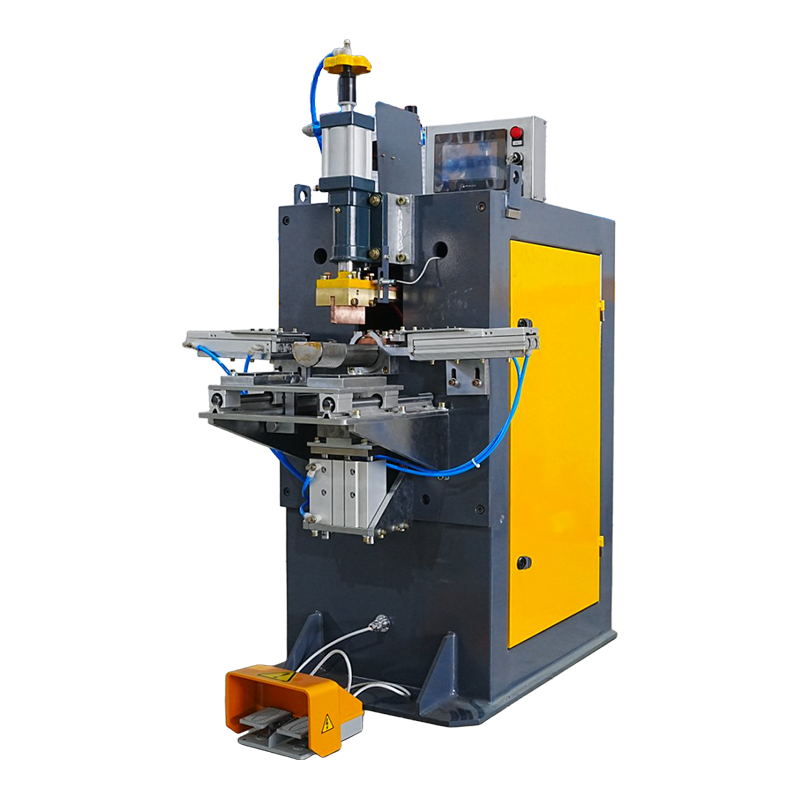
The Welding Machine for Semi-Circular Pen Holder is engineered for precision welding of semi-circular pen holders, integrating high‑accuracy automated positioning and servo control systems to deliver ...
See Details -
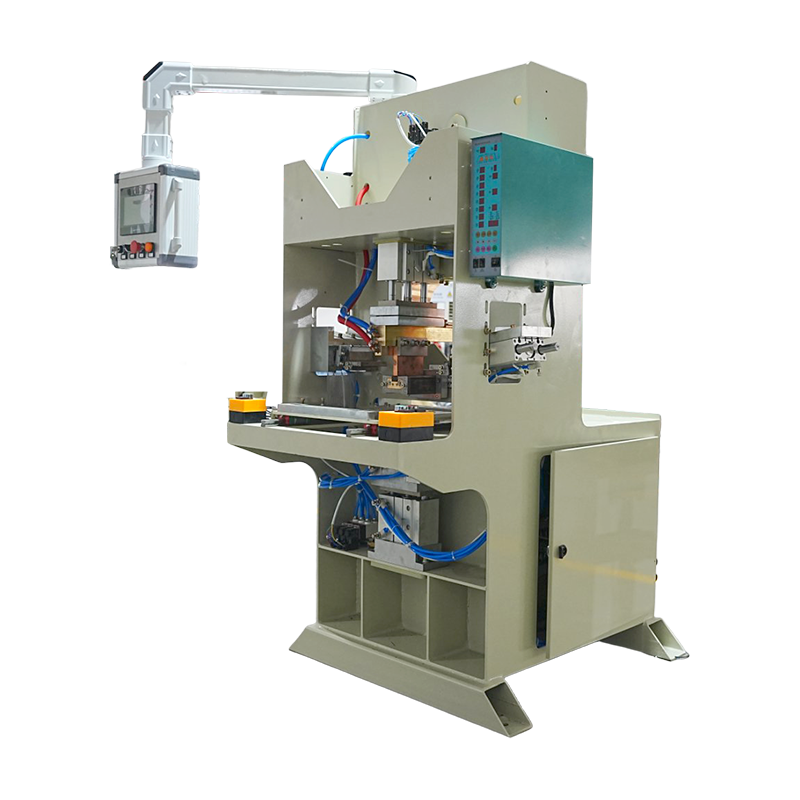
The Square Frame Forming & Welding Integrated Machine combines cutting, bending, forming, and welding in one system, enabling streamlined production of square memo box frames.
See Details -
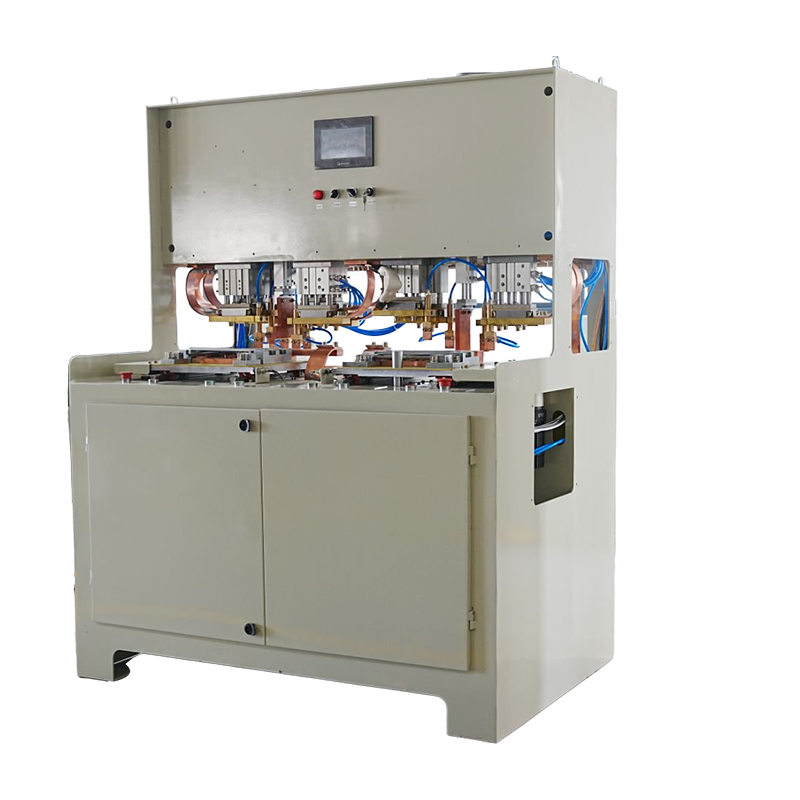
The Document Tray Bracket & Slot Rail Welding Machine is designed specifically for welding connections between tray brackets and slot rails.
See Details -
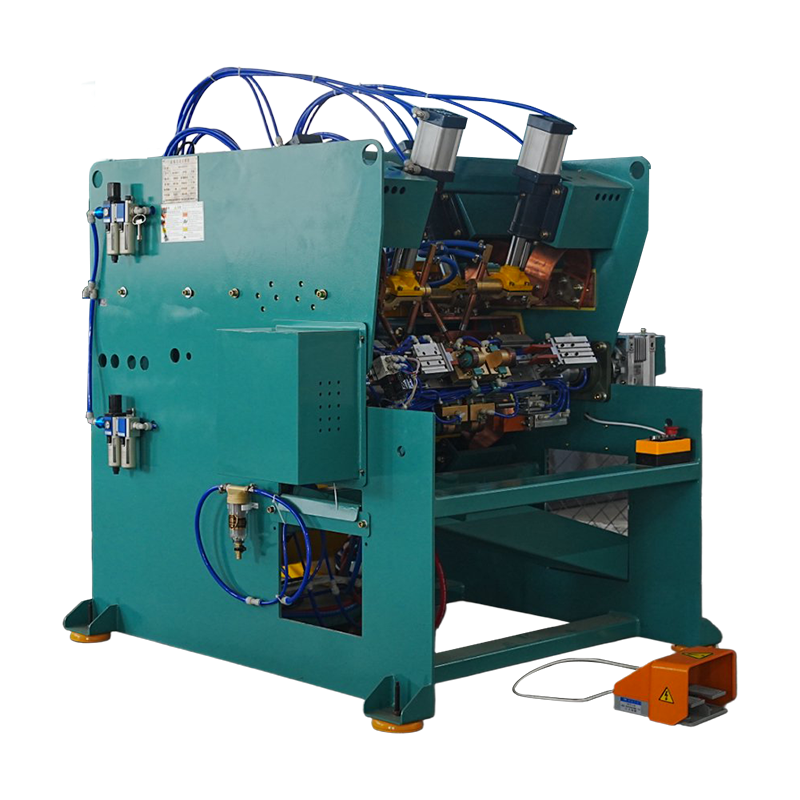
The 3‑Head Automatic Rotary Welding Machine for Hot Glue Gun is engineered for high‑volume welding of plastic or metal components on glue gun assemblies.
See Details -
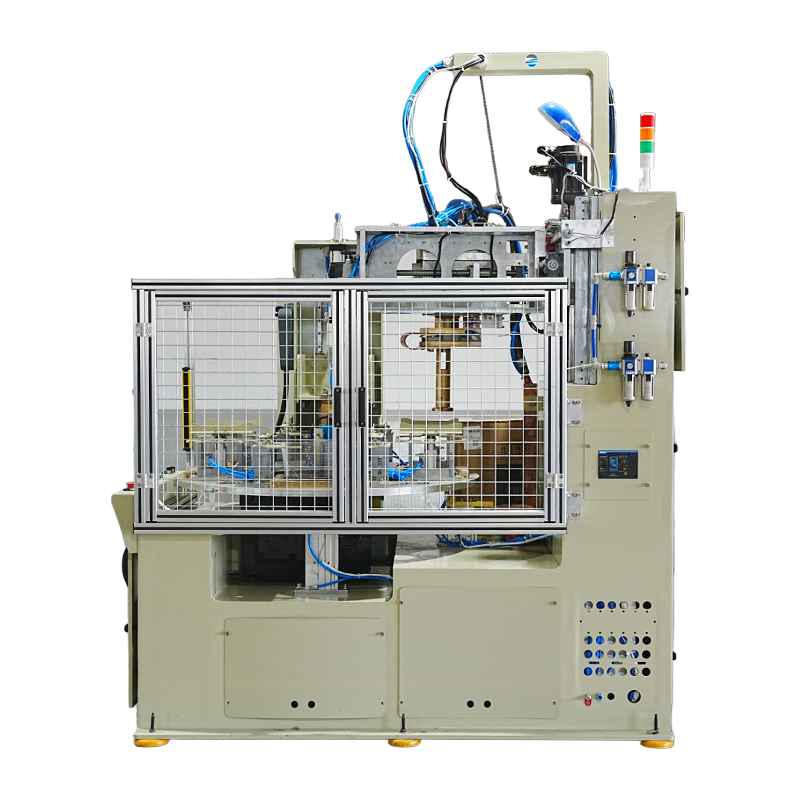
The 4‑Station Automatic Rotary Mesh Basket Roll Welding Machine is a turnkey solution for mass production of wire mesh‑type baskets and cages. Four synchronized welding stations operate around an auto...
See Details -
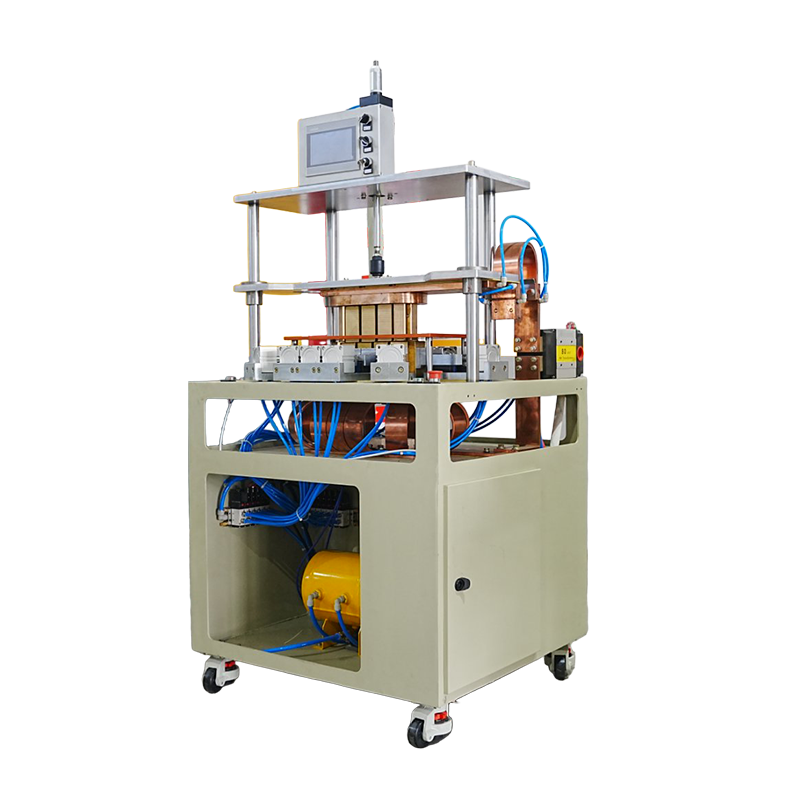
The 12‑Head Spot Welding Machine for Round Hanging Baskets is designed to deliver ultra‑fast, high‑volume welding for circular wire and sheet assemblies such as hanging baskets, display racks, and han...
See Details -
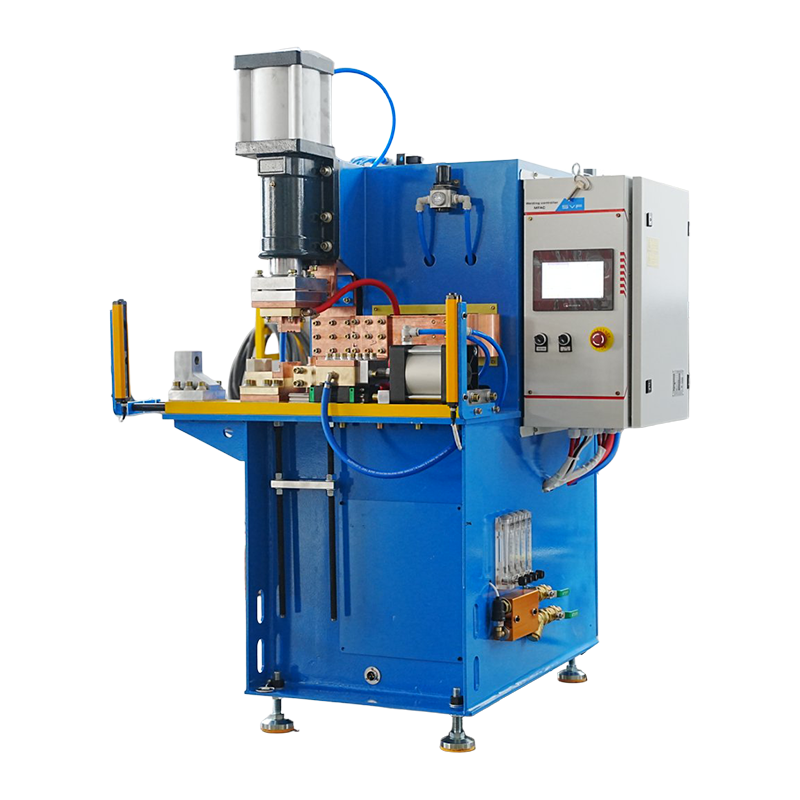
The AC Butt Welding Machine for Shock Absorber Eyelet is a specialized resistance welding system designed to join cylindrical or tubular shock absorber eyelet components with precision and strength.
See Details



 +86-15268688035
 jx12@4006796688.com
 NO.99,Huaxi Road,Chengxi New District,Yongkang city,Zhejiang China.
Message Us Right Now!
Copyright © Yongkang Jiaxiao Welding Automation Equipment Co., Ltd. All Rights
Reserved
China Welding Equipment Manufacturer
