
 EN
EN

 English
  русский
  Français
  Español
  عربى
عربى 
 Get a Quote
Capacitor Discharge Welding Controller
×
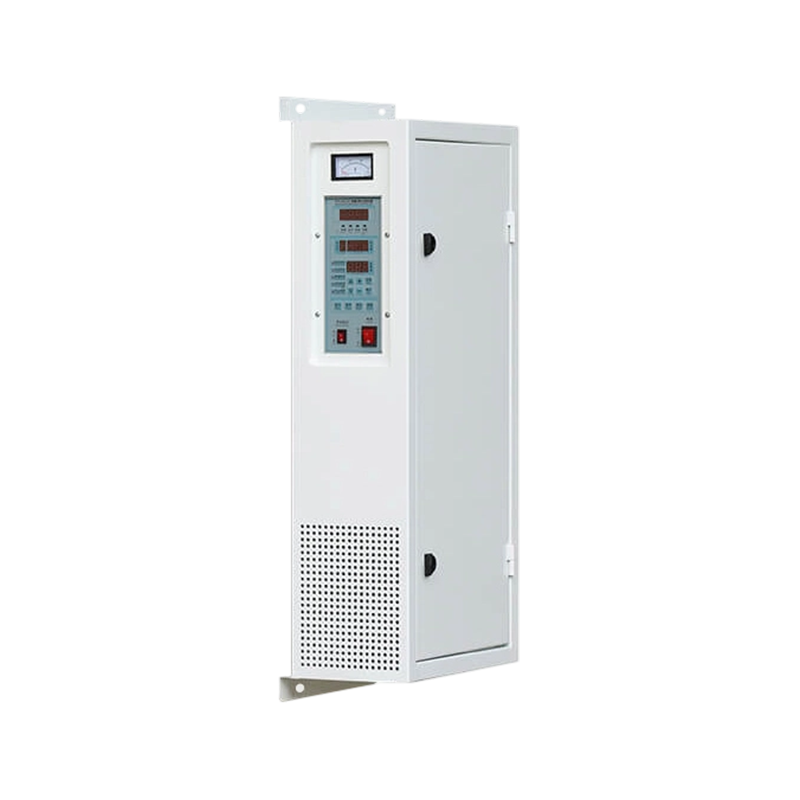
1000J Capacitor Discharge Welding Controller
| Model | K1000J-450V |
| Rated Capacity | 1000J |
| Charging Voltage | 0-450V |
| Capacitance | 10000μF |
×
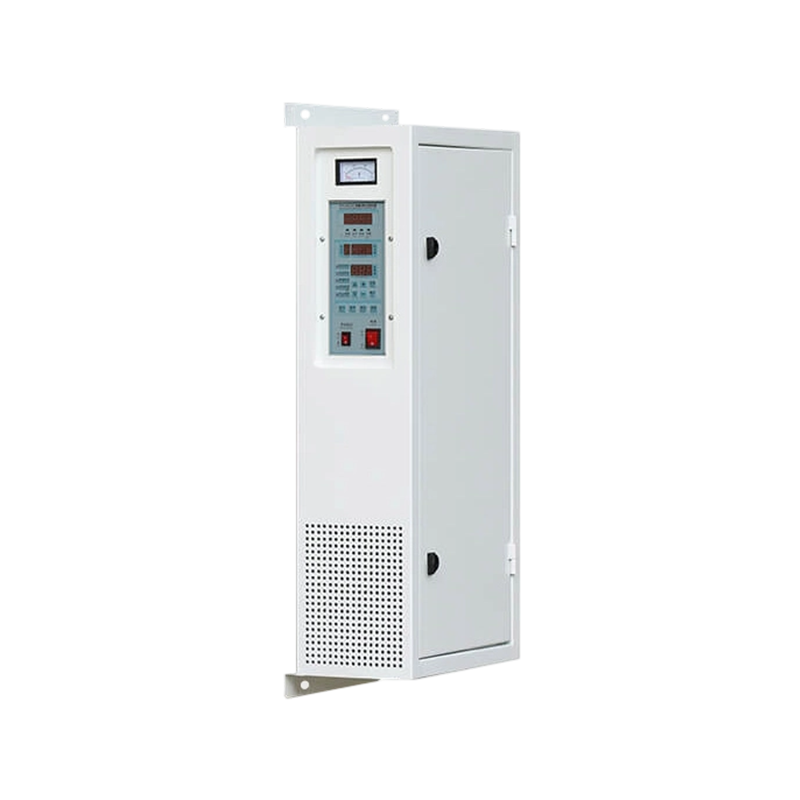
2000J Capacitor Discharge Welding Controller
| Model | K2000J-450V |
| Rated Capacity | 2000J |
| Charging Voltage | 0-450V |
| Capacitance | 20000μF |
×
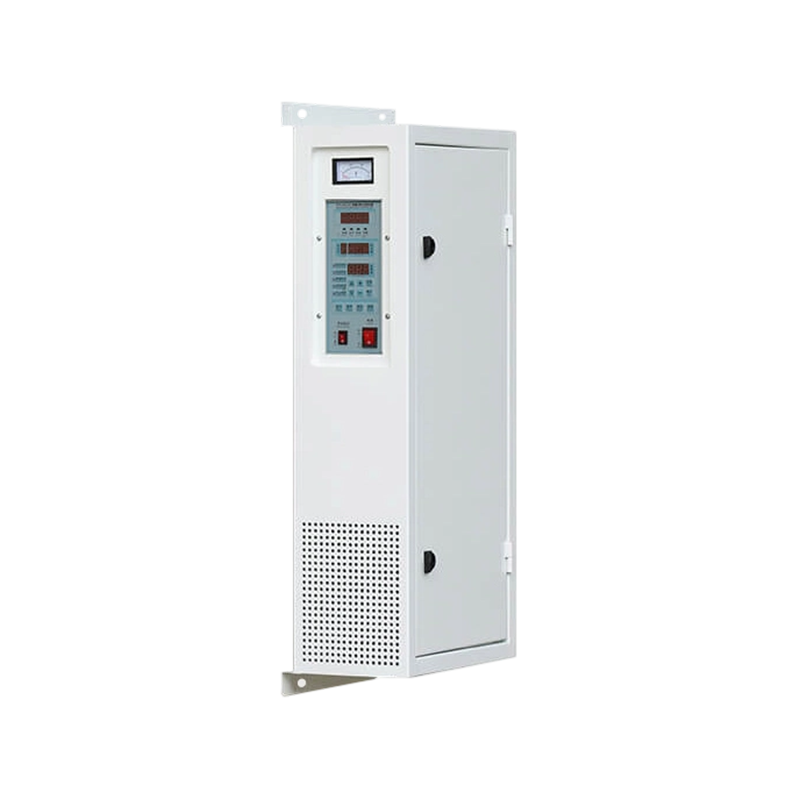
3000J Capacitor Discharge Welding Controller
| Model | K3000J-450V |
| Rated Capacity | 3000J |
| Charging Voltage | 0-450V |
| Capacitance | 30000μF |
×
5000J Capacitor Discharge Welding Controller
| Model | K5000J-450V |
| Rated Capacity | 5000J |
| Charging Voltage | 0-450V |
| Capacitance | 50000μF |
×
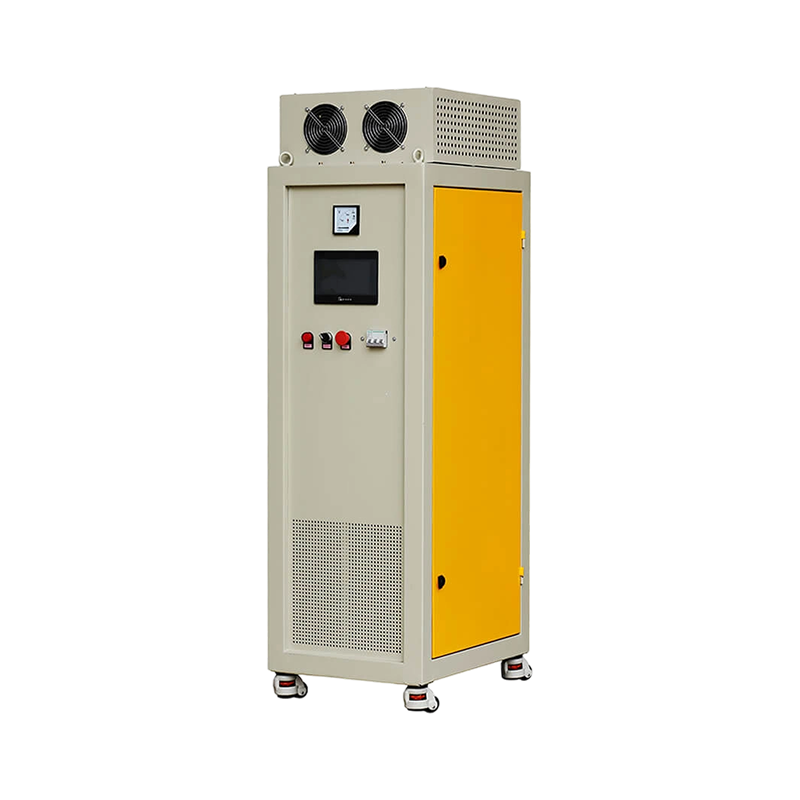
6000J Capacitor Discharge Welding Controller
| Model | K6000J-800V |
| Rated Capacity | 6000J |
| Charging Voltage | 0-800V |
| Capacitance | 18000μF |
| Operation Mode | Touch Screen |
| Discharge Mode | Four Silicon Alternating |
×
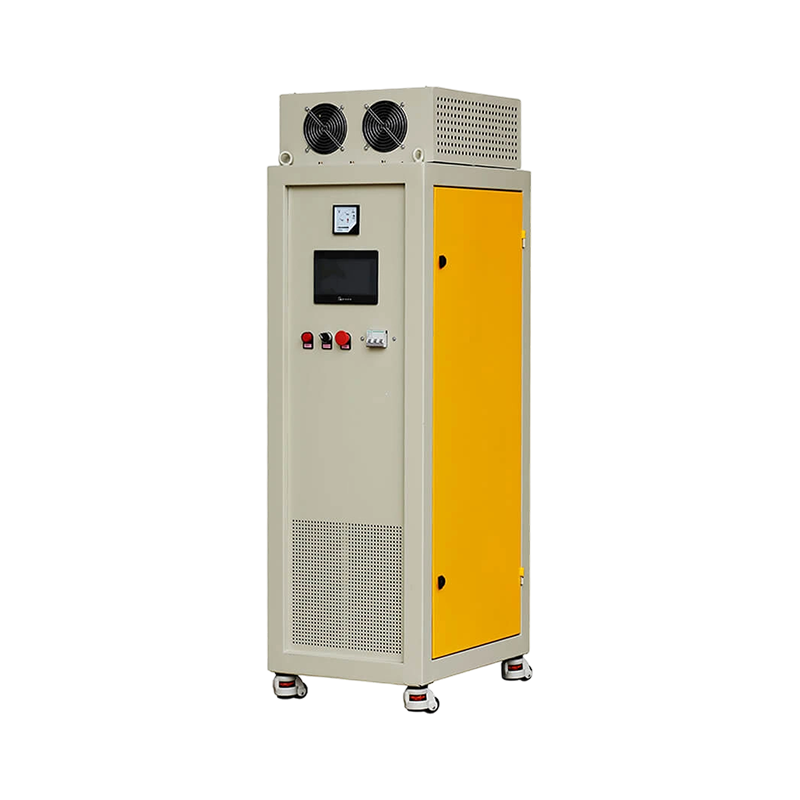
10000J Capacitor Discharge Welding Controller
| Model | K1000J-800V |
| Rated Capacity | 10000J |
| Charging Voltage | 0-800V |
| Capacitance | 30000μF |
| Operation Mode | Touch Screen |
| Discharge Mode | Four Silicon Alternating |
×
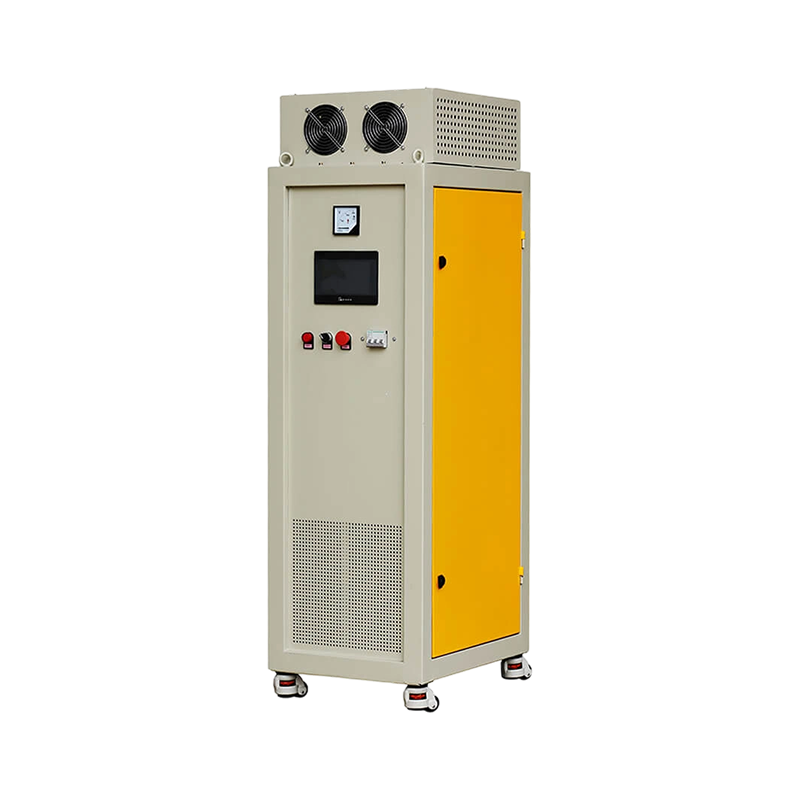
20000J Capacitor Discharge Welding Controller
| Model | K20000J-800V |
| Rated Capacity | 2000J |
| Charging Voltage | 0-800V |
| Capacitance | 60000μF |
| Operation Mode | Touch Screen |
| Discharge Mode | Four Silicon Alternating |
×
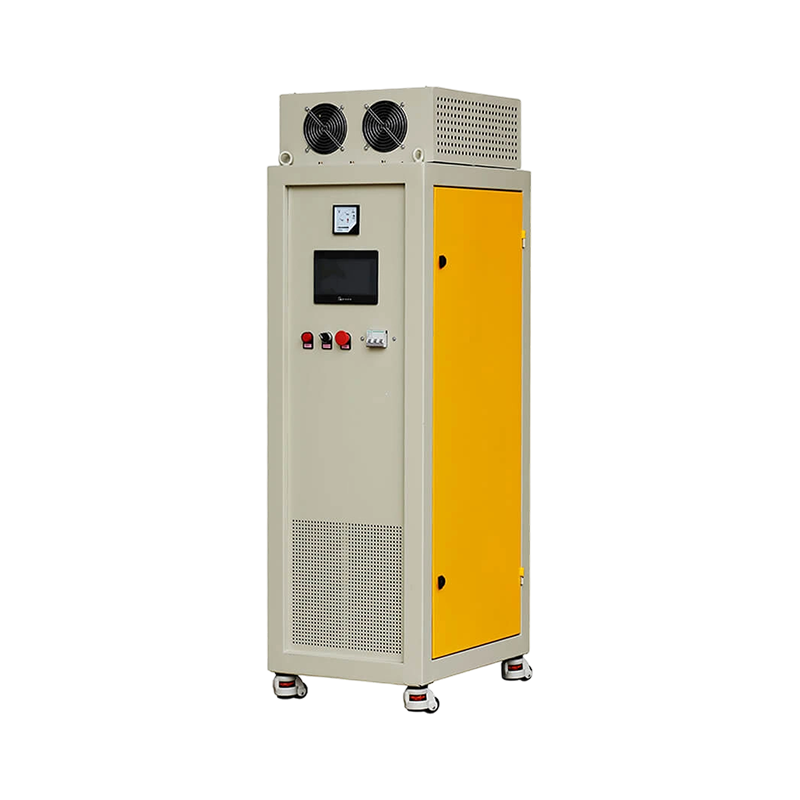
30000J Capacitor Discharge Welding Controller
| Model | K30000J-800V |
| Rated Capacity | 30000J |
| Charging Voltage | 0-800V |
| Capacitance | 90000μF |
| Operation Mode | Touch Screen |
| Discharge Mode | Four Silicon Alternating |
Capacitor Discharge Welding Controllers are used in capacitor discharge welding systems where energy is stored in large capacitors before welding and then rapidly released to produce high peak current in a very short period. This method is ideal for fast welding of highly conductive or thin materials, such as precision electronic connections and small component welding. The rapid energy discharge reduces heat‑affected zones and improves weld speed and repeatability.
About Us
Yongkang Jiaxiao Welding Automation Equipment Co., Ltd.
Since its establishment 30 years ago, Yongkang Jiaxiao Welding Automation Equipment Co., Ltd. has specialized in the research, development, manufacturing, sales, and service of resistance welding machines, specialized welding machines, CD Welding Controller for Precision Resistance Welding, and automated stamping equipment for materials such as copper, aluminum, iron, and stainless steel. The wholesale CD Welding Controller supplier boasts a dedicated R&D team led by experts and comprised of diverse engineers. Its products have passed both the Chinese 3C and European CE certifications, and the company holds dozens of national patents. The company is a leading domestic manufacturer of resistance and automatic welding machines.
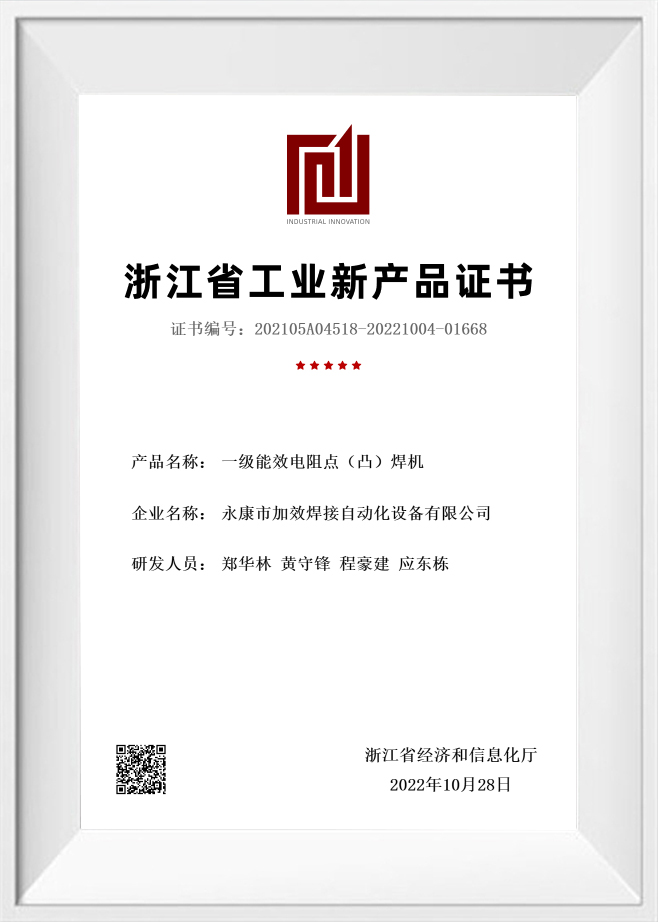
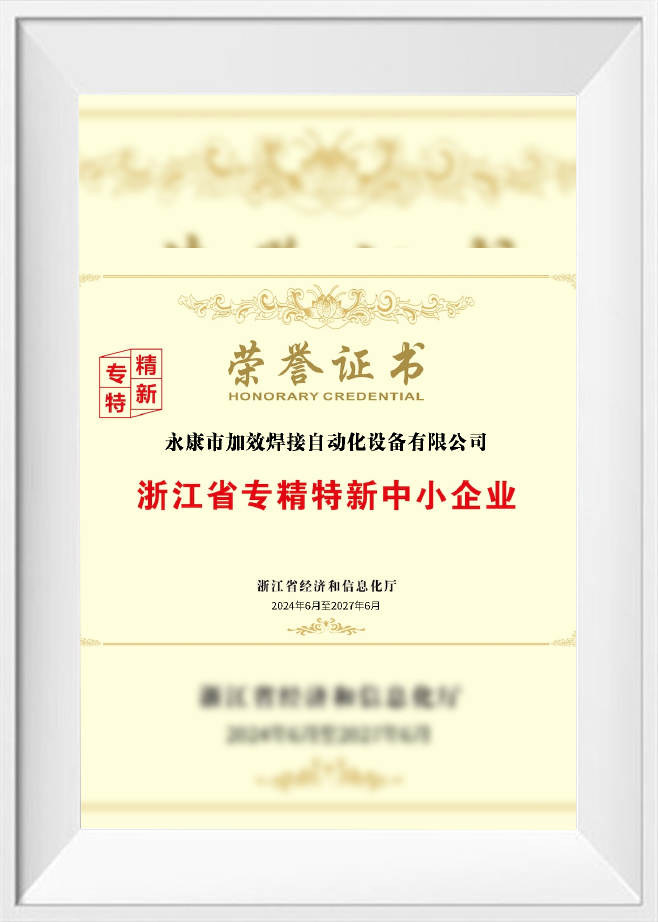
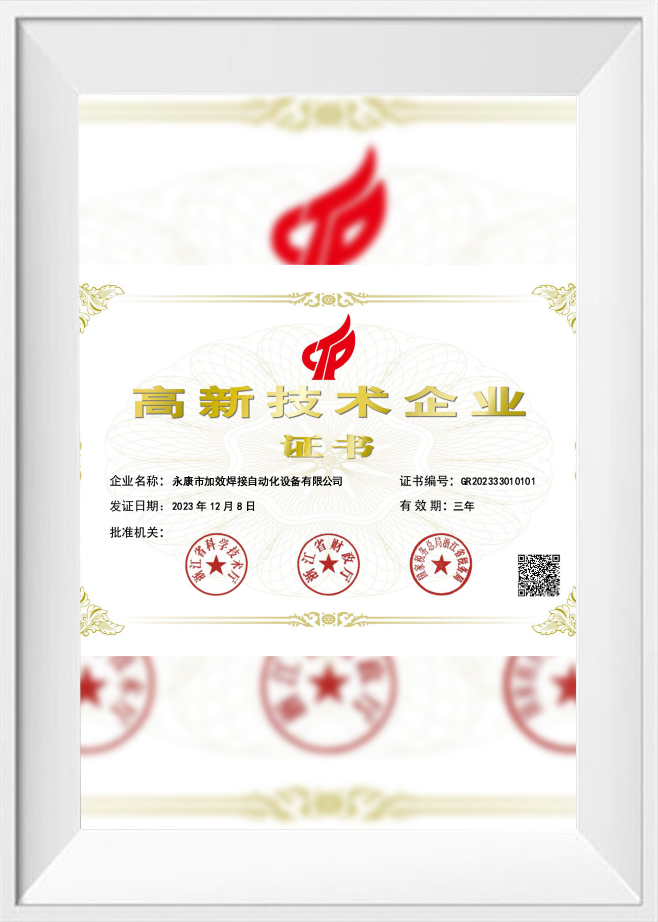
Certificate Of Honour
News
Message Feedback
Capacitor Discharge Welding Controller for Precision Resistance Welding
A capacitor discharge welding controller serves as the main control unit inside capacitor discharge spot welders and precision resistance welding equipment. It takes charge of capacitor charging, stored energy, discharge triggering, welding timing, voltage monitoring, fault protection, and automation signals — all working together under one system.
Conventional AC resistance welding works quite differently from capacitor discharge welding. Here, electrical energy gets stored in a capacitor bank first, then released within a very short window through the welding transformer and electrodes. The result is a high peak current pulse that concentrates heat input right where it's needed, which is exactly why this method suits thin metal parts, battery tabs, electronic terminals, small hardware, metal contacts, and precision welded components so well.
For welding machine manufacturers, automation equipment builders, production plants, and maintenance teams alike, getting the capacitor discharge welding controller selection right carries real weight — it directly shapes energy output stability, weld appearance, cycle efficiency, machine compatibility, and how well the equipment holds up over the long haul.
What Is a Capacitor Discharge Welding Controller?
Think of a capacitor discharge welding controller as the brain behind CD spot welders and precision resistance welding machines. It handles capacitor charging, stored energy, discharge triggering, welding timing, voltage monitoring, fault protection, and external automation signals — pulling all these pieces into one system.
Core Function in CD Welding Equipment
Inside a capacitor discharge welding setup, the controller brings together the charging circuit, capacitor bank, SCR discharge module, welding transformer, electrodes, and overall machine control system. This is what allows every welding cycle to run according to the preset charging voltage, discharge condition, timing sequence, and protection logic, cycle after cycle.
The functions it oversees include:
- Input power and charging control
- Capacitor voltage detection
- Energy storage and discharge triggering
- SCR discharge circuit control
- Welding timing and cycle control
- Fault alarm and protection output
- HMI operation and parameter setting
- PLC or automation interface signals
Applications of Capacitor Discharge Welding Controllers
Precision resistance welding processes that demand short discharge time, high peak current, and concentrated heat input are exactly where capacitor discharge welding controllers do their best work.
Common Applications
- Battery tab welding Nickel tabs, battery tabs, conductive strips, and certain battery structural parts all benefit here, especially when fast, localized heating is required.
- Electronic terminal welding Terminals, connectors, contact plates, lead wires, and other small conductive components rely on this approach when energy output has to be held under tight control.
- Thin sheet welding Thin steel sheet, stainless sheet, galvanized sheet, and small formed parts turn to this method whenever limiting heat spread becomes a priority.
- Small hardware welding Brackets, clips, springs, fasteners, precision stamped parts, and small metal assemblies all fall within this scope.
- Metal contact welding Electrical contacts, relay parts, switch components, contact plates, and terminal assemblies are handled well by this process.
- Wire and mesh products Wire frames, mesh parts, filters, support frames, and light wire structures can be welded successfully here, provided weld size and material thickness are matched with care.
- High-conductivity materials Copper, aluminum, nickel-plated parts, and copper-aluminum composite parts are all workable, as long as energy, electrodes, and pressure settings are configured correctly.
- Automotive electrical parts Select automotive terminals, brackets, sensor parts, contact components, and small conductive assemblies round out the list of typical uses.
Capacitor Discharge Controller vs AC and MFDC Welding Controllers
Different resistance welding controllers use different power output principles. The selection depends on welding material, heat input requirement, weld size, and equipment structure.
| Controller Type | Output Principle | Typical Application |
|---|---|---|
| Capacitor Discharge Controller | Stores energy in capacitors and releases it as a short high-current pulse | Battery tabs, terminals, thin parts, precision hardware |
| Power Frequency AC Controller | Controls 50Hz / 60Hz AC output through SCR phase control | General spot welding, seam welding, projection welding |
| MFDC Controller | Uses inverter output and secondary rectification to produce DC welding current | Automated resistance welding, automotive parts, high-repeatability stations |
Practical Difference
A capacitor discharge controller is often selected when the process requires short weld time, low thermal spread, and concentrated energy.
A power frequency controller is suitable for conventional AC resistance welders.
An MFDC controller is used when closed-loop current control, automation integration, and medium frequency inverter output are required.
How to Select a Capacitor Discharge Welding Controller
Picking the right capacitor discharge welding controller comes down to weighing the welding machine structure, energy requirement, capacitor bank, transformer specification, workpiece condition, and automation interface together.
Key Selection Factors
- Machine type Pin down whether the controller is going into a CD spot welder, battery tab welder, electronic terminal welder, thin sheet welder, small hardware welder, automated welding station, custom precision welder, or retrofit machine.
- Rated capacity Choose the energy level based on material thickness, weld size, strength requirement, and transformer output. Ratings commonly seen include 1000J, 2000J, 3000J, 5000J, 6000J, 10000J, 20000J, and 30000J.
- Charging voltage Decide between 450V and 800V depending on the energy range needed, capacitor voltage rating, insulation design, and the welding application at hand.
- Capacitance Line up capacitor capacity — 10000μF, 20000μF, 30000μF, 50000μF, 60000μF, or 90000μF — with discharge energy, charging time, and production rhythm.
- Discharge mode Verify whether the process calls for single discharge, repeated discharge, multi-pulse discharge, or four-SCR alternating discharge.
- Workpiece condition Look into material type, thickness, coating, weld spot size, strength requirement, appearance standard, heat input limit, and electrode structure.
- Transformer and secondary circuit Confirm transformer capacity, turns ratio, cable length, secondary loop resistance, electrode holder, cooling method, and fixture design.
- Automation interface For equipment built around automation, check PLC signals, feeding sequence, pneumatic clamping, servo positioning, safety interlocks, touchscreen recipes, production counting, and data monitoring needs.
Why Choose Jiaxiao Capacitor Discharge Welding Controller
Jiaxiao supplies capacitor discharge welding controllers and complete control system solutions built for precision resistance welding machines, battery tab welding equipment, electronic terminal welding systems, small hardware welding machines, and customized automated welding equipment.
- Practical Engineering Support At the core of Jiaxiao's approach is matching each controller to the actual welding machine structure, capacitor bank, transformer, discharge circuit, workpiece material, and automation interface. Working this way cuts down on compatibility headaches whether the project involves building a new machine, swapping out a controller, or retrofitting existing equipment.
- Multiple Energy and Voltage Options Controller configurations can be tailored around different rated capacities, charging voltage levels, capacitance ranges, and discharge modes, with 450V and 800V capacitor discharge welding systems being among the most requested setups.
- Support for Automation Integration When automated welding equipment is involved, Jiaxiao's controllers can accommodate PLC signals, touchscreen parameter management, production counting, alarm output, safety interlock, automatic feeding coordination, pneumatic clamping, servo positioning, and data monitoring needs.
- Custom Control System Capability Non-standard welding machines call for a different kind of flexibility, and Jiaxiao delivers that through customized control logic, interface configuration, discharge sequence design, HMI layout, cabinet integration support, and technical matching geared toward retrofit projects.
- Maintenance and Retrofit Compatibility Before recommending a suitable control solution for equipment maintenance or controller replacement, Jiaxiao helps verify rated capacity, charging voltage, capacitance, SCR module, transformer specification, I/O signals, installation layout, and safety circuits.
FAQ About Capacitor Discharge Welding Controllers
- What are common capacity ratings for CD welding controllers?
- Common rated capacities include 1000J, 2000J, 3000J, 5000J, 6000J, 10000J, 20000J, and 30000J. The correct capacity depends on material, thickness, weld size, strength requirement, and transformer design.
- What is the difference between 450V and 800V CD welding controllers?
- A 450V controller is often used for thin parts, battery tabs, terminals, and small precision components. An 800V controller is suitable for higher-energy applications, larger weld areas, thicker parts, or selected high-conductivity materials. The complete machine must be designed for the selected voltage level.
- How does capacitance affect welding energy?
- At the same charging voltage, larger capacitance stores more energy and can produce stronger discharge output. However, excessive capacitance may increase weld marks, spatter, or deformation if the process is not properly matched.
- What is four-SCR alternating discharge?
- Four-SCR alternating discharge is a discharge circuit design that distributes current stress across multiple SCR paths. It is often used in medium and large CD welding systems or repeated discharge applications.
- Can a CD welding controller connect with a PLC?
- Yes. Many capacitor discharge welding controllers can connect with PLC systems through digital I/O or communication interfaces. Common signals include start, ready, charging complete, discharge complete, alarm, reset, and program selection.
- What materials can be welded with capacitor discharge welding?
- Common materials include thin steel sheet, stainless steel sheet, nickel-plated sheet, galvanized sheet, copper sheet, aluminum sheet, copper-aluminum composite parts, electronic terminals, battery tabs, metal contacts, and precision stamped parts.
- What should be checked if there is no discharge output?
- Check whether the capacitor voltage has reached the set value, whether the trigger signal is valid, whether safety interlocks are active, whether the SCR module is normal, and whether the discharge circuit is correctly connected.
- Can an old capacitor discharge welding controller be replaced?
- Yes, but replacement requires checking rated capacity, charging voltage, capacitance, SCR module, transformer specification, trigger signals, PLC interface, safety circuits, cabinet size, and wiring layout.



 +86-15268688035
 jx12@4006796688.com
 NO.99,Huaxi Road,Chengxi New District,Yongkang city,Zhejiang China.
Message Us Right Now!
Copyright © Yongkang Jiaxiao Welding Automation Equipment Co., Ltd. All Rights
Reserved
China Welding Equipment Manufacturer
