
 EN

 English
 русский
 Français
 Español
 عربى

 Get a Quote
How Can a Resistance Spot Welding Machine Improve Weld Consistency
Date:Sep 25, 2026
Resistance spot welding is often used when two or more metal sheets need to be joined at defined points. The process may appear straightforward, but producing similar welds across an assembly depends on several conditions working together. A change in electrical input, electrode pressure, sheet thickness, or surface contact can alter the way heat develops at the joint.
For production teams, weld consistency is therefore not controlled by one setting alone. The condition of the electrodes, the fit between sheets, the distance between nearby welds, and the way the process is checked can all affect the finished joint. A Resistance Spot Welding Machine needs to work within conditions that remain reasonably stable from one weld point to another.
Looking at these factors separately makes it easier to identify why welds may change during production and which parts of the process deserve closer attention.
How Does Welding Current Affect Spot Weld Formation
Electrical current supplies the heat needed to form a weld between contacting metal sheets. When current passes through the joint, resistance at the contact area causes heat to develop. The amount of heat affects how the joined area develops during the welding cycle.
A current setting that is too low for the material and joint arrangement may not create enough heat for a sound connection. If the current is increased without considering the other conditions, excessive heating can occur around the contact area. This may lead to unwanted marks, material expulsion, or changes in the shape of the welded area.
Current should therefore be considered together with:
- Sheet thickness and material combination
- Electrode condition
- Electrode force
- Weld time
- Surface contact between the sheets
The relationship between these factors matters because changing one condition can alter the effect of another. For example, a change in electrode contact can affect the path taken by the current. The same machine setting may consequently produce a different result when the electrode tip has changed shape or when the sheets are not sitting closely together.
For consistent production, current is better treated as part of a group of connected welding conditions rather than as an isolated control.
Why Does Weld Time Matter for Nugget Development
The length of time that current passes through the joint affects how heat builds within the sheets. A short welding period may limit heat development, while a longer period allows more heat to accumulate around the joining area.
The relationship is not simply a matter of making the welding period longer. Heat can spread beyond the intended joining area when the process continues for too long. This can increase surface marking and may change the shape of the welded region.
Weld time also interacts with current. A change in one can alter the effect of the other. This is why changing the welding period without considering the existing current condition may produce an unexpected result.
When checking weld time, production personnel can pay attention to:
- Whether the joined area develops consistently from point to point
- Whether visible marks change during repeated welding
- Whether the material shows signs of excessive heating
- Whether changes occur after the machine has been running for a period of time
A stable process depends on keeping the relationship between current and welding time suitable for the particular sheet arrangement. The same approach cannot automatically be transferred to every combination of material and thickness.
How Does Electrode Force Change the Welding Result
Electrode force determines how firmly the sheets are held together during welding. It also affects the contact condition between the electrode and the workpiece.
If the force changes, the contact area can change as well. This influences how current passes through the joint and how heat develops. Too much pressure may reduce the electrical resistance at the contact area, while insufficient pressure may allow movement or poor contact between the sheets.
The electrode needs to hold the sheets firmly enough for the joint to remain stable during the welding cycle. At the same time, the pressure needs to work with the selected electrical conditions rather than being considered separately.
| Process factor | Possible effect on the joint | What to observe |
|---|---|---|
| Welding current | Changes heat generation at the contact area | Weld formation and surface condition |
| Weld time | Changes heat accumulation | Shape and consistency of the joined area |
| Electrode force | Changes contact between electrode and sheet | Stability and visible indentation |
| Electrode condition | Changes the contact surface | Variation between repeated welds |
Mechanical contact is particularly important when several sheets are joined in sequence. If the force varies between welding points, the resulting contact conditions may also vary. This can make otherwise similar welds look or behave differently.
A Resistance Spot Welding Machine should therefore be considered together with the mechanical condition of its electrodes and the way those electrodes meet the workpiece.
What Happens When Electrode Tips Become Worn
Electrode tips are repeatedly pressed against metal sheets and exposed to heat. Over time, their contact surfaces can change. The tip may become wider, less uniform, or otherwise different from its original condition.
This change matters because the contact area influences current distribution and pressure. A worn tip can spread the contact over a larger area, changing how heat develops at the joint. If the two electrode tips do not remain in similar condition, the welding result may also become less consistent.
Signs that electrode condition deserves attention can include:
- Changes in the appearance of weld marks
- Increasing variation between nearby weld points
- A change in the contact shape
- Greater difficulty maintaining similar weld conditions
- Visible wear on the electrode surface
Electrode maintenance is therefore connected to weld consistency rather than being a separate equipment task. Regular inspection can help identify changes before they become noticeable through a wider variation in finished joints.
The condition of both electrodes also matters. Alignment, contact surface, and wear should be considered together because an uneven pair can create different pressure and contact conditions on opposite sides of the sheet.
How Does Sheet Thickness Affect Spot Welding Conditions
Sheet thickness changes the amount of material that heat must pass through before a joint can develop. It can also affect how quickly heat moves away from the welding area.
When sheets with different thicknesses are joined, the electrical and mechanical conditions at the contact area may not be identical on both sides. A setting that works for one sheet arrangement may therefore require adjustment when the thickness combination changes.
Thickness should be considered alongside the material itself. Two sheets with similar dimensions may still respond differently if their electrical and thermal behavior is different.
The sheet arrangement also matters. For example, joining two sheets of similar thickness presents a different condition from joining a thin sheet to a substantially thicker sheet. The position of the welding point and the way the sheets are held can further affect the result.
For this reason, production preparation should identify the actual sheet combination before welding conditions are established. Keeping similar assemblies within clearly defined material groups can also make process changes easier to track.
Why Can Sheet Gaps Cause Weak Spot Welds
The sheets need to remain in close contact around the intended welding point. A gap between them changes the way pressure is transferred and can make the joining process less stable.
Small gaps may result from material shape, handling, forming, or assembly. Even when the sheets appear correctly positioned, local separation can remain around a welding point.
When a gap is present, the electrodes may need to close the sheets before the intended contact condition is established. This changes the mechanical behavior of the process and can affect how heat develops.
Before welding, attention can be given to:
- Whether the sheets sit closely together
- Whether the edges or formed sections have shifted
- Whether clamping keeps the joint in position
- Whether the welding point is located on a flat and stable area
- Whether repeated assemblies show similar fit
Poor sheet fit can be mistaken for a machine setting problem. Adjusting current or weld time may not address the underlying issue when the sheets themselves are not positioned consistently.
This is why joint preparation has a direct connection with the performance of a Resistance Spot Welding Machine. Stable contact gives the welding process a more consistent starting condition.
How Does Weld Spacing Affect Nearby Spot Welds
A single assembly may require many weld points rather than one isolated joint. The position of each point can influence the conditions around nearby points, particularly when welding takes place repeatedly along the same area.
When welds are placed close together, heat from one joining point can affect the surrounding material. The next welding operation may therefore begin under a different thermal condition from an earlier one.
Weld spacing also relates to the physical layout of the assembly. Points placed too close to an edge, a formed section, or another joining area may have different contact conditions from points positioned in a more open section.
A practical way to consider weld placement is to examine the relationship between each point and its surroundings:
| Weld location factor | Condition to consider | Possible concern |
|---|---|---|
| Distance from another weld | Nearby heat and material condition | Variation between adjacent points |
| Distance from sheet edge | Available surrounding material | Changes in joint behavior |
| Position on formed sheet | Shape and access | Uneven electrode contact |
| Order of welding | Previous heat in the area | Changing conditions between points |
The welding sequence can also matter. Moving from one point to another in a consistent pattern may help keep the process easier to monitor. If the sequence changes frequently, differences between points may become harder to identify.
How Can Process Checks Keep Spot Welds Consistent
Consistency depends on keeping several conditions within a controlled process. Instead of focusing only on the finished weld, production checks can follow the conditions that lead to it.
A useful inspection routine can include the machine settings, electrode condition, sheet fit, welding position, and visible weld characteristics. These checks do not need to be complicated. Their purpose is to identify changes early and connect those changes with a possible cause.
The process can be reviewed through several areas:
- Equipment condition: Check whether electrodes remain aligned and whether their contact surfaces have changed.
- Material condition: Confirm that the intended sheet combination and surface condition remain consistent.
- Joint fit: Check whether sheets remain properly positioned before welding.
- Welding sequence: Keep the movement between welding points consistent where the assembly requires repeated joints.
- Weld appearance: Watch for changes in indentation, marking, shape, or other visible characteristics.
When a weld begins to differ from nearby joints, changing several settings at once can make the cause difficult to identify. A controlled adjustment process makes it easier to connect a change in the weld with a change in the welding condition.
The same principle applies when a Resistance Spot Welding Machine is used across different assemblies. Material thickness, sheet arrangement, electrode condition, and welding requirements can vary, so the process needs to be considered according to the actual joint rather than treated as a fixed routine.
Consistent spot welding is ultimately linked to the interaction between electrical conditions, mechanical contact, electrode condition, material thickness, sheet fit, and weld placement. Keeping these factors visible during production makes it easier to recognize why one weld may differ from another and where process conditions may need attention.
Related products
-
-
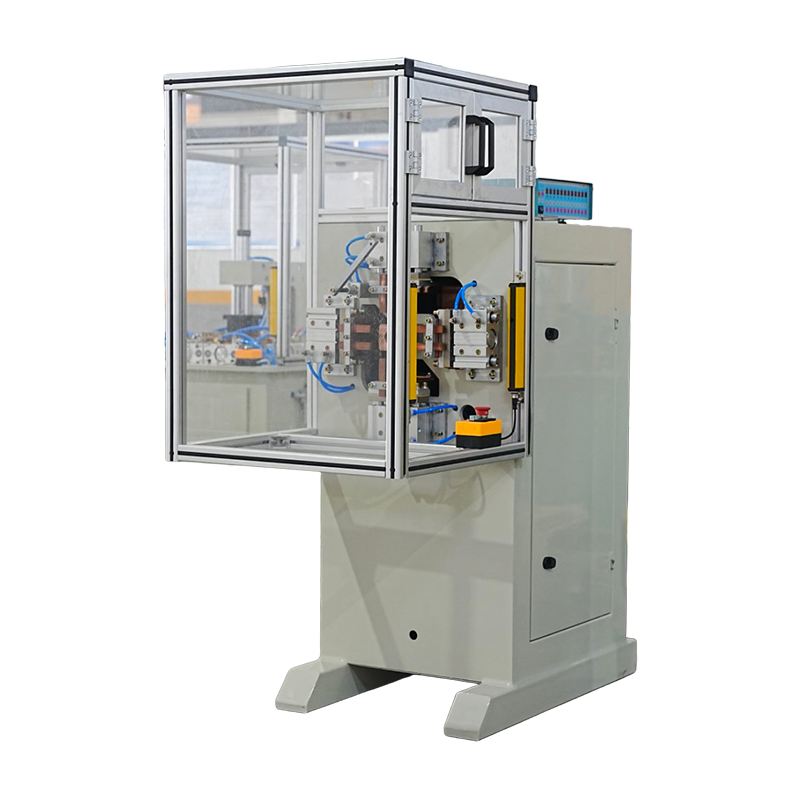
The Welding Machine for Square Pen Holder Bottom is optimized for welding the bottom of square pen holders. Featuring precise positioning and efficient welding modules, it ensures robust weld points a...
See Details -
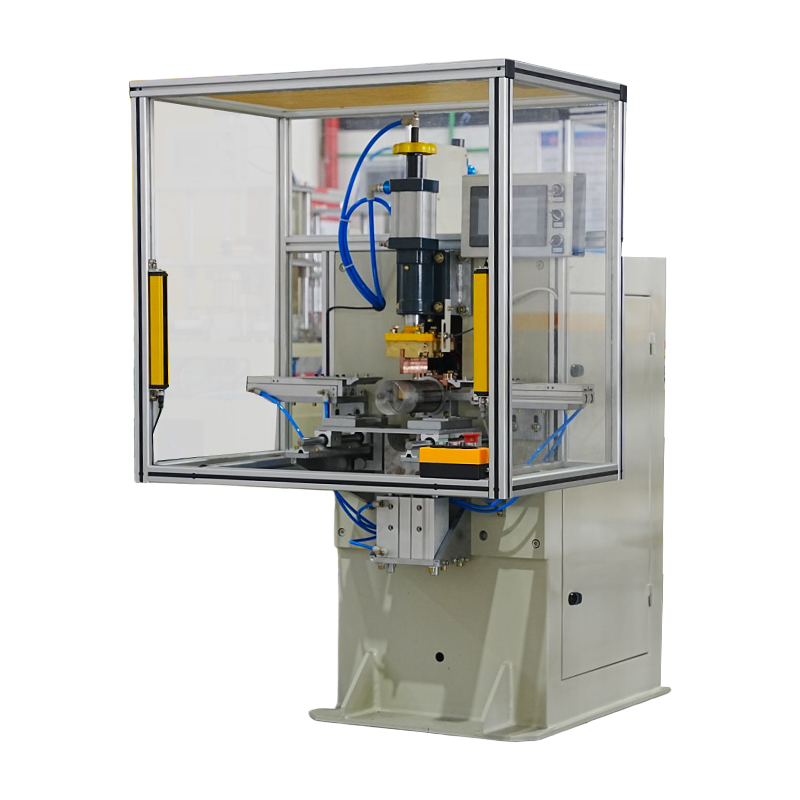
The Welding Machine for Desktop Organizer Base is engineered for precise base welding of desktop storage products. Automated positioning, precise clamping, and efficient welding units ensure strong we...
See Details -
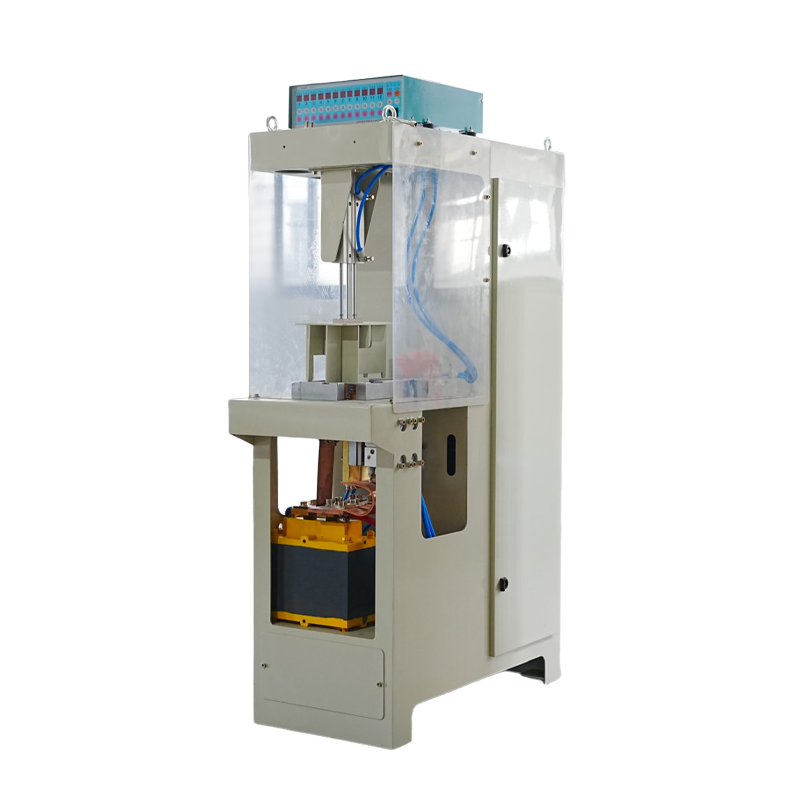
The Assembly Welding Machine for Storage Box integrates multiple welding stations to perform combined welding and forming of storage box components on a single platform.
See Details -
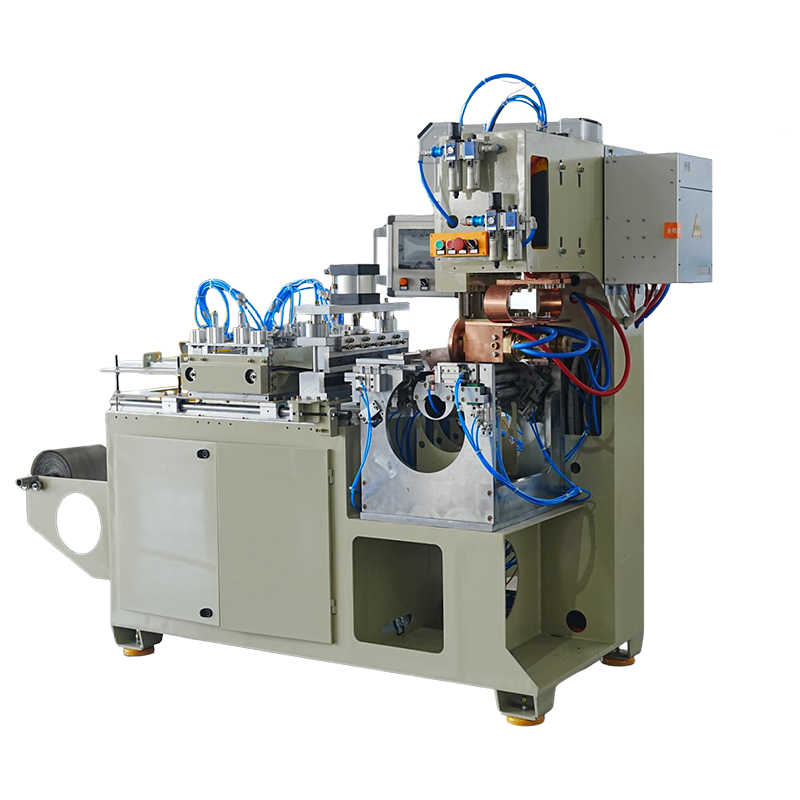
The Drum Roll Mesh Welding Integrated Machine combines drum body welds and wire mesh attachments in a single automated workflow, streamlining assembly processes for mesh‑reinforced drums or filtration...
See Details -
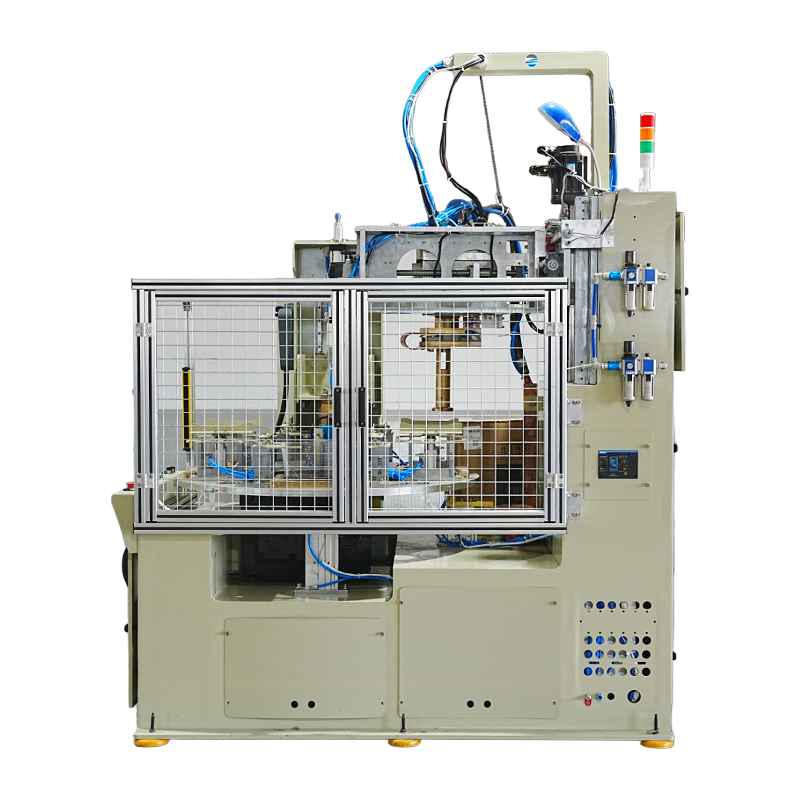
The 4‑Station Automatic Rotary Mesh Basket Roll Welding Machine is a turnkey solution for mass production of wire mesh‑type baskets and cages. Four synchronized welding stations operate around an auto...
See Details -

The 160KVAx2x16 Gantry Frame Resistance Spot Welding Machine is a high-performance automatic welding system engineered for demanding industrial production.
See Details -

The Welding Machine for Furnace Frame is a heavy‑duty resistance welding solution tailored for joining large furnace structural components. Engineered with reinforced frames and industrial‑grade power...
See Details -
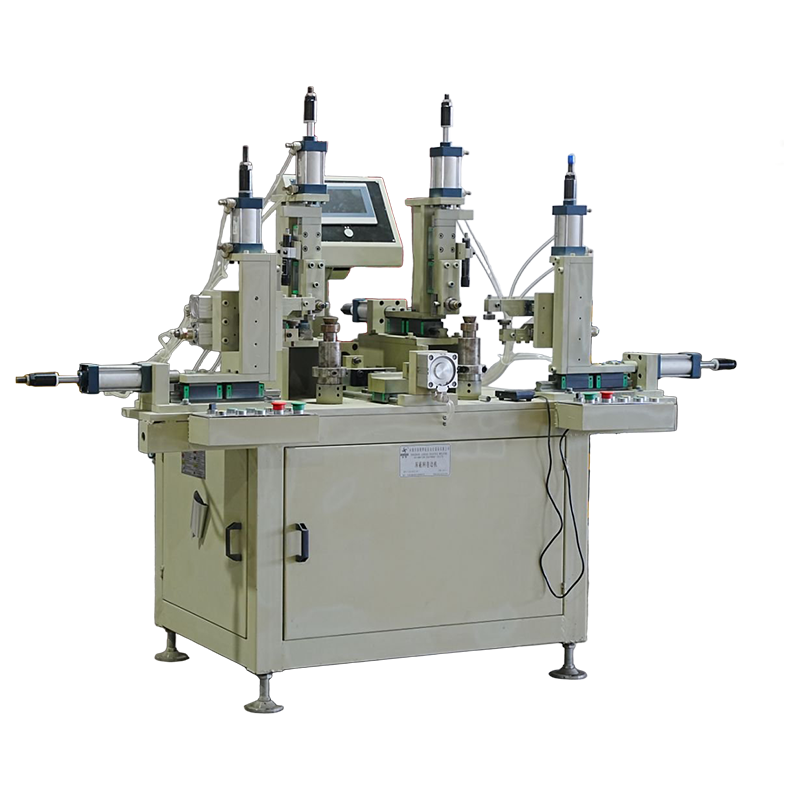
The Automatic Edge Folding Machine for Wire Mesh is a specialized forming system designed to automatically roll or fold the edges of welded wire mesh panels, enhancing structural strength and finished...
See Details



 +86-15268688035
 jx12@4006796688.com
 NO.99,Huaxi Road,Chengxi New District,Yongkang city,Zhejiang China.
Message Us Right Now!
Copyright © Yongkang Jiaxiao Welding Automation Equipment Co., Ltd. All Rights
Reserved
China Welding Equipment Manufacturer
