
 EN

 English
 русский
 Français
 Español
 عربى

 Get a Quote
Spot Welding Equipment Trials: Bring Representative Parts to the Discussion
Date:Oct 09, 2026
A spot welding machine demonstration is most useful when the buyer can connect the result to the parts it intends to produce. A successful weld on a convenient sample does not automatically establish suitability for a different joint or production arrangement.
Before a trial, agree the representative parts and the evaluation record. That gives the supplier and buyer a defined task to discuss.
Identify the proposed joint
Provide drawings and relevant material information for the actual components. Identify the assembly arrangement and the requirements the joint must satisfy.
If several versions are planned, state which the initial trial covers. Do not describe a demonstration on one part as evidence for the entire future product range.
Agree how parts are presented
Discuss the proposed handling and positioning arrangement with the supplier. Fixtures, access and the interfaces to other equipment should be visible in the trial scope where relevant.
The responsible technical personnel should establish the process requirements. A purchasing article cannot determine welding parameters or a suitable setup for an unknown joint.
Set the evaluation basis before the trial
The sample record should connect the trial configuration to the parts evaluated. A compact structure can include:
| Trial record | Information to retain |
| Part reference | Drawing revision and representative version |
| Material | Documented material and relevant condition |
| Trial configuration | Equipment and agreed process record |
| Evaluation | Method, result and acceptance requirement |
| Open work | Further trials or unresolved questions |
Do not replace a required evaluation with a visual impression. The appropriate assessment depends on the joint and applicable requirements.
Keep the scope of the result clear
Record which conditions and parts were used. If changes are made after the trial, identify whether the earlier results remain applicable or need further review.
Ask which tooling, documents and support items are included in the proposed equipment supply. Trial success and complete project delivery are related questions, but they should not be confused.
A useful trial provides more than an attractive demonstration sample. It leaves the buyer with a traceable result for a defined part and a clear view of remaining work. Bringing representative components and agreed acceptance criteria to the discussion makes the machine proposal easier to assess against the intended production task.
Related products
-
-
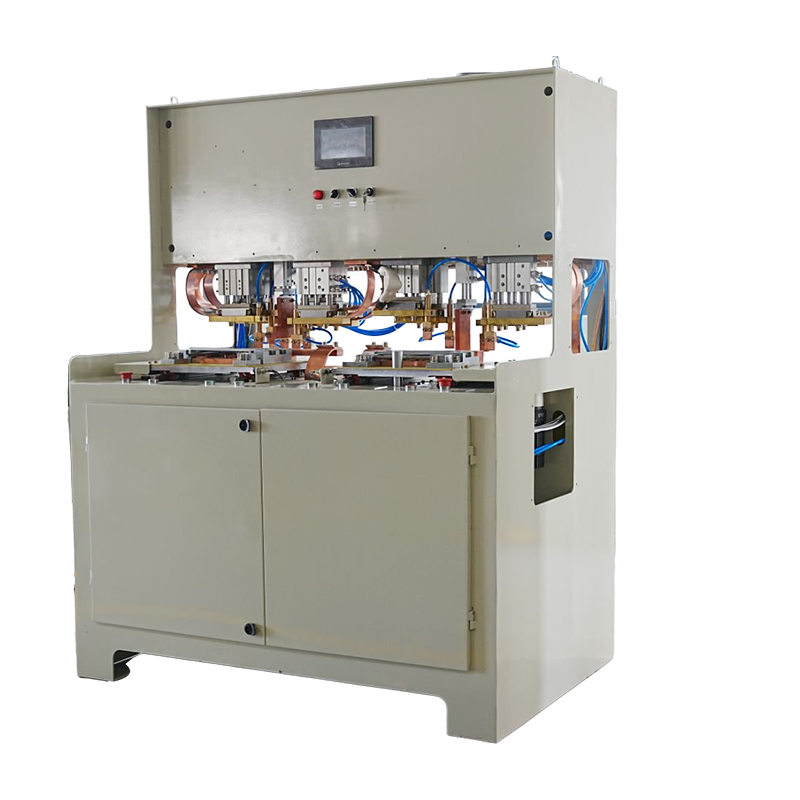
The Document Tray Bracket & Slot Rail Welding Machine is designed specifically for welding connections between tray brackets and slot rails.
See Details -
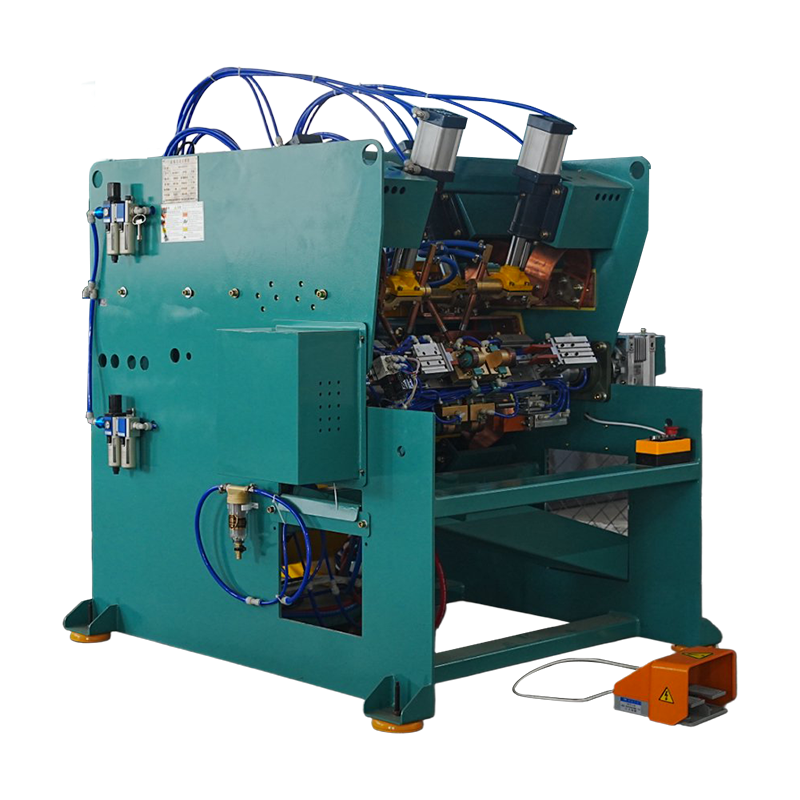
The 3‑Head Automatic Rotary Welding Machine for Hot Glue Gun is engineered for high‑volume welding of plastic or metal components on glue gun assemblies.
See Details -
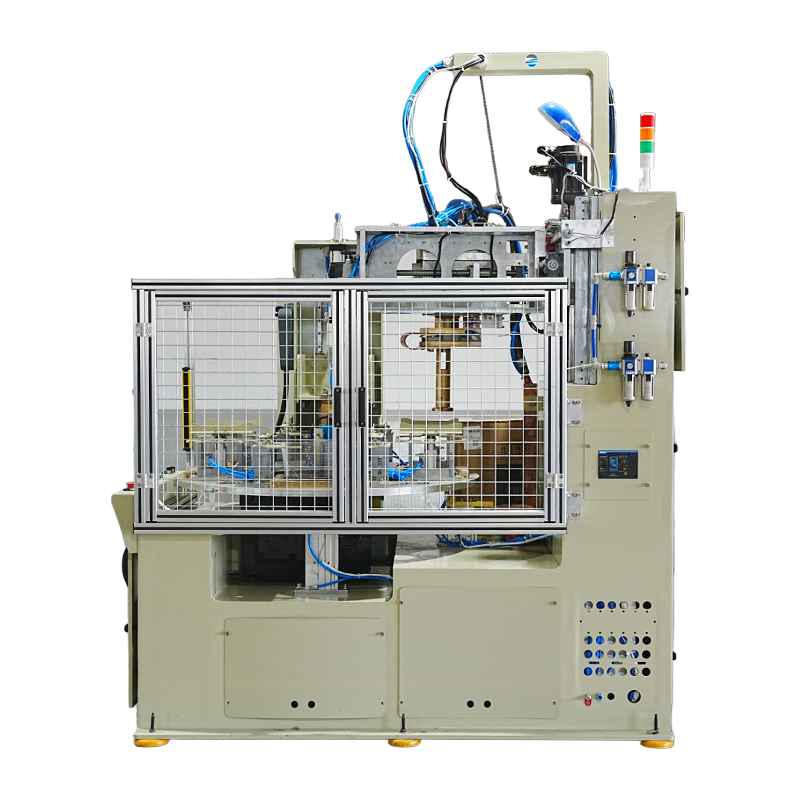
The 4‑Station Automatic Rotary Mesh Basket Roll Welding Machine is a turnkey solution for mass production of wire mesh‑type baskets and cages. Four synchronized welding stations operate around an auto...
See Details -
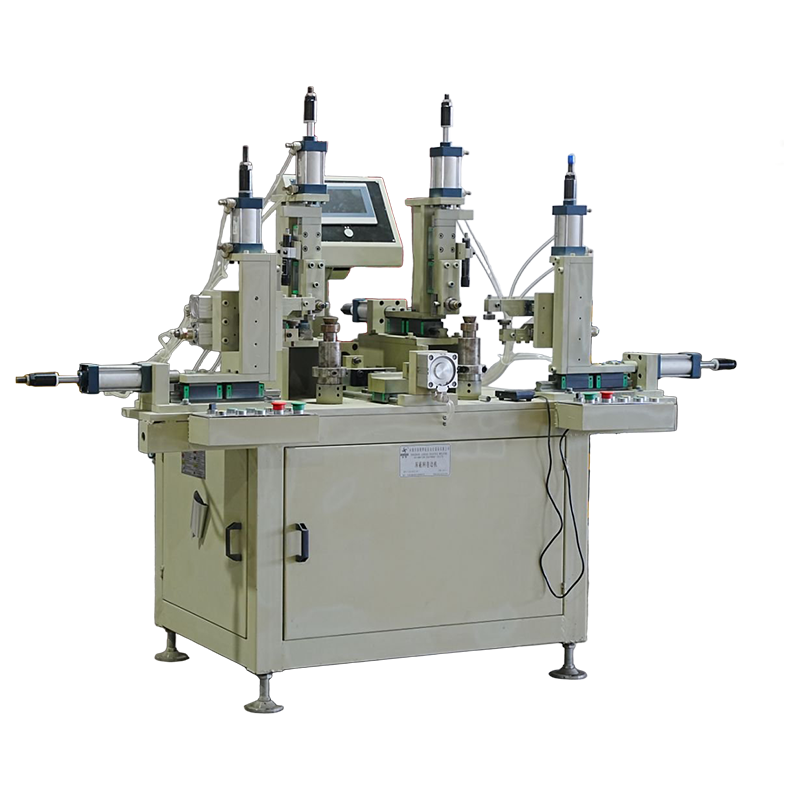
The Automatic Edge Folding Machine for Wire Mesh is a specialized forming system designed to automatically roll or fold the edges of welded wire mesh panels, enhancing structural strength and finished...
See Details



 +86-15268688035
 jx12@4006796688.com
 NO.99,Huaxi Road,Chengxi New District,Yongkang city,Zhejiang China.
Message Us Right Now!
Copyright © Yongkang Jiaxiao Welding Automation Equipment Co., Ltd. All Rights
Reserved
China Welding Equipment Manufacturer
