AC Resistance Butt Welding Machine
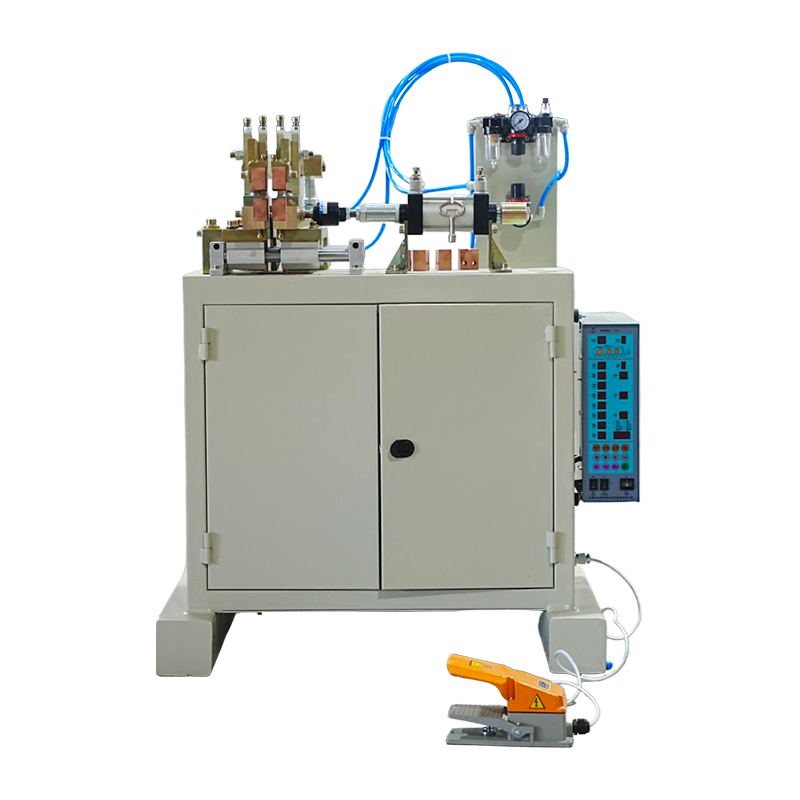
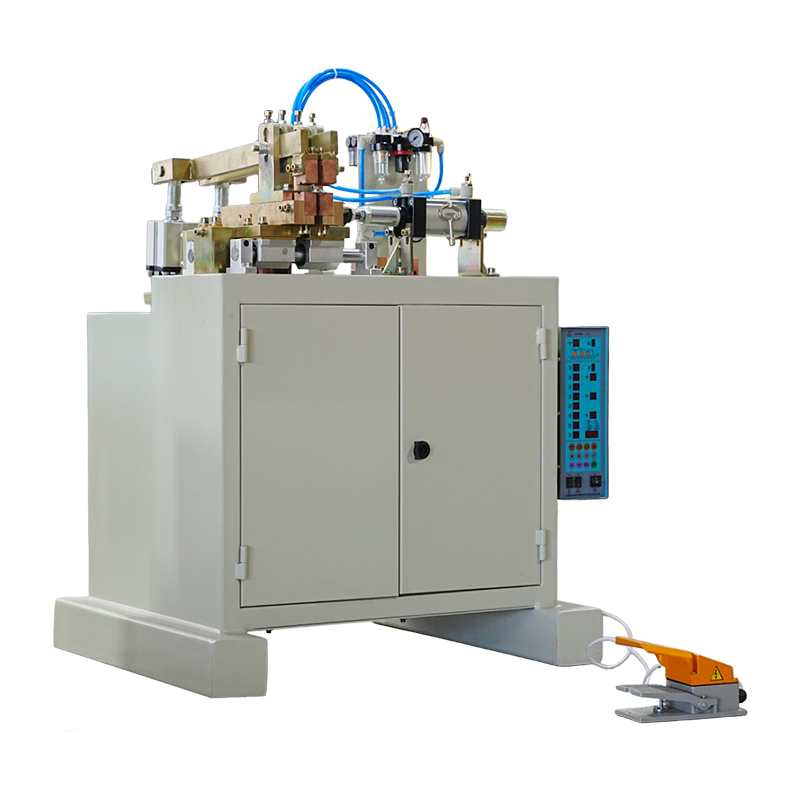
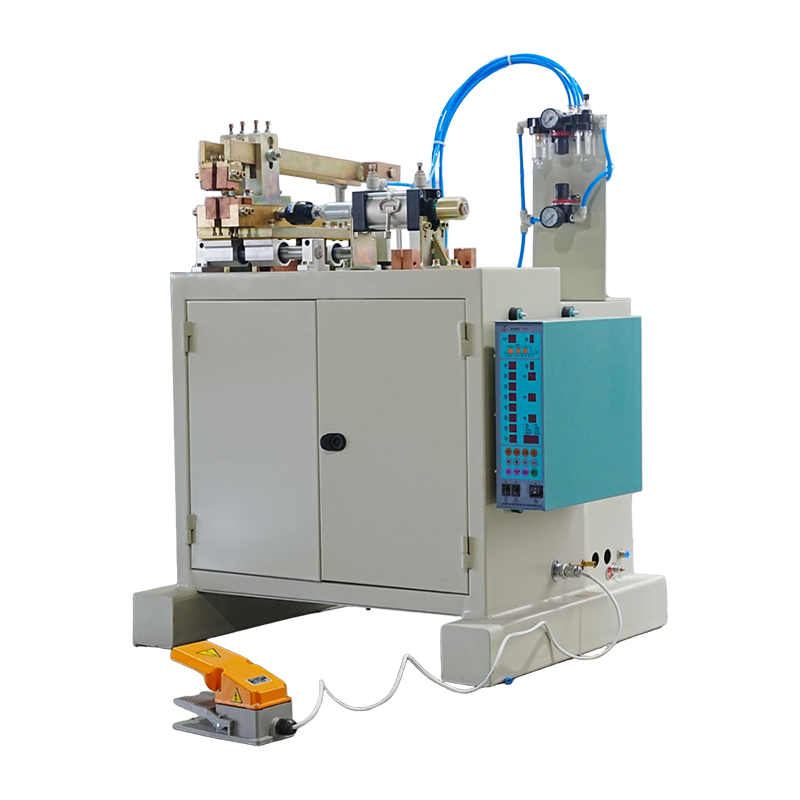
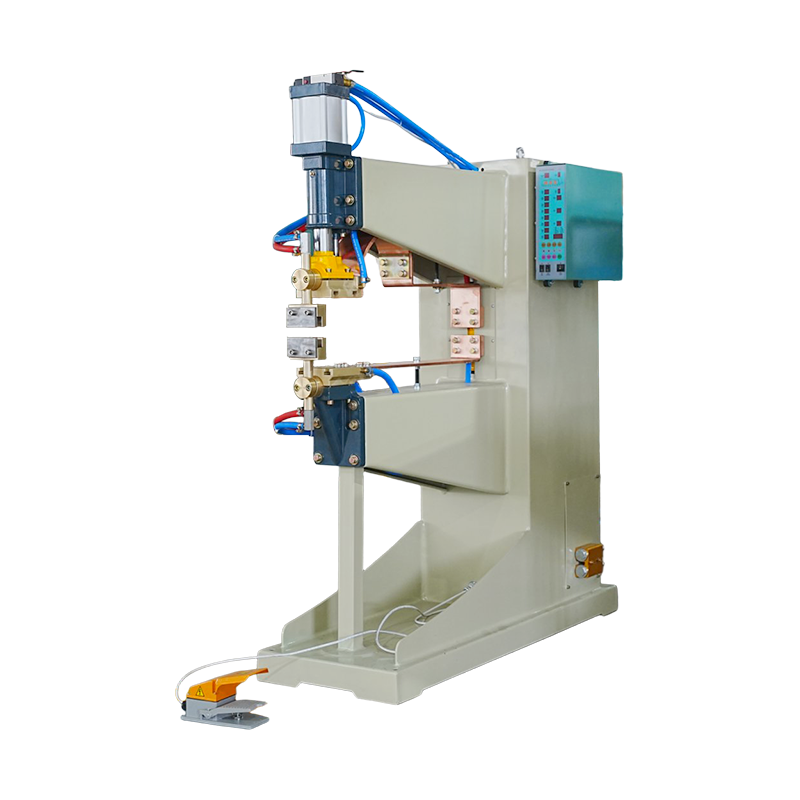
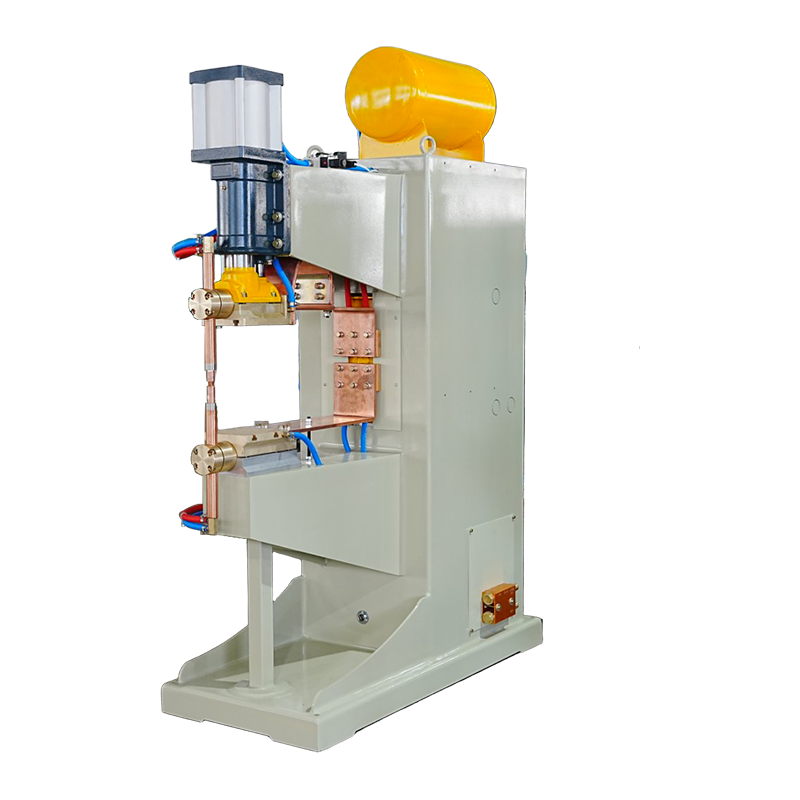
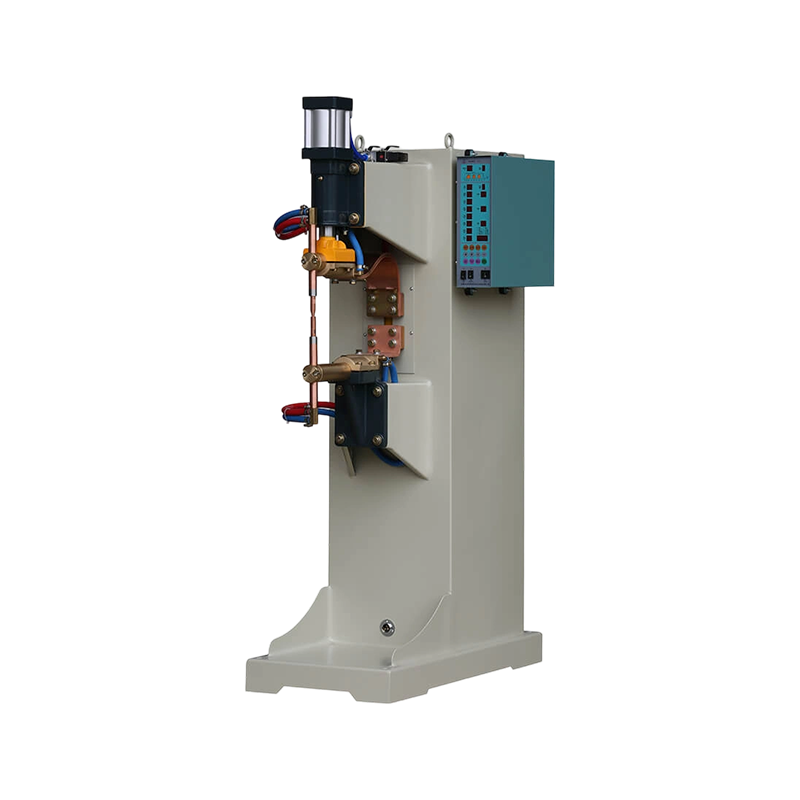
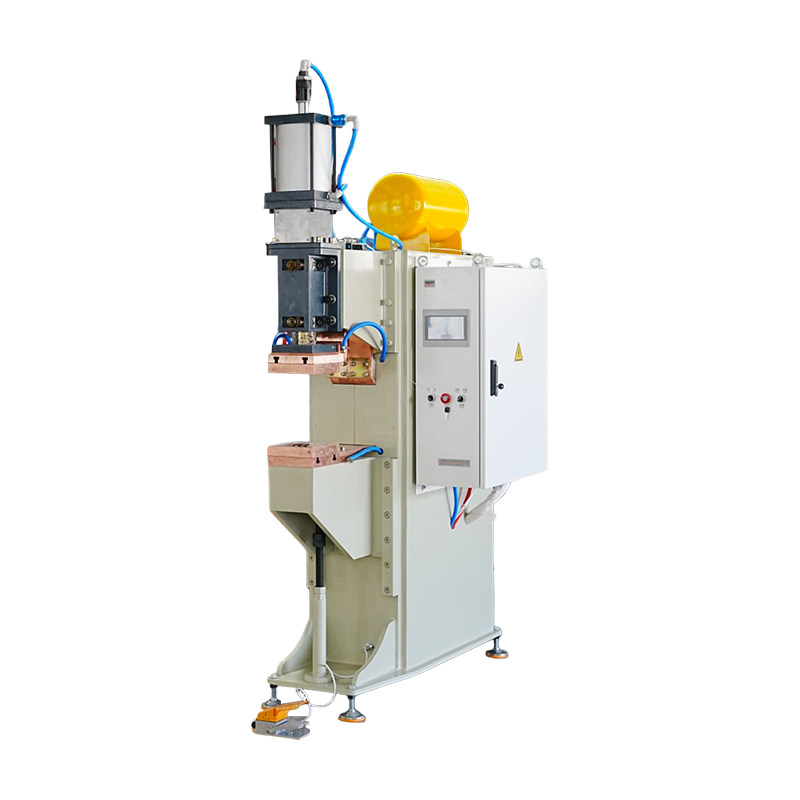
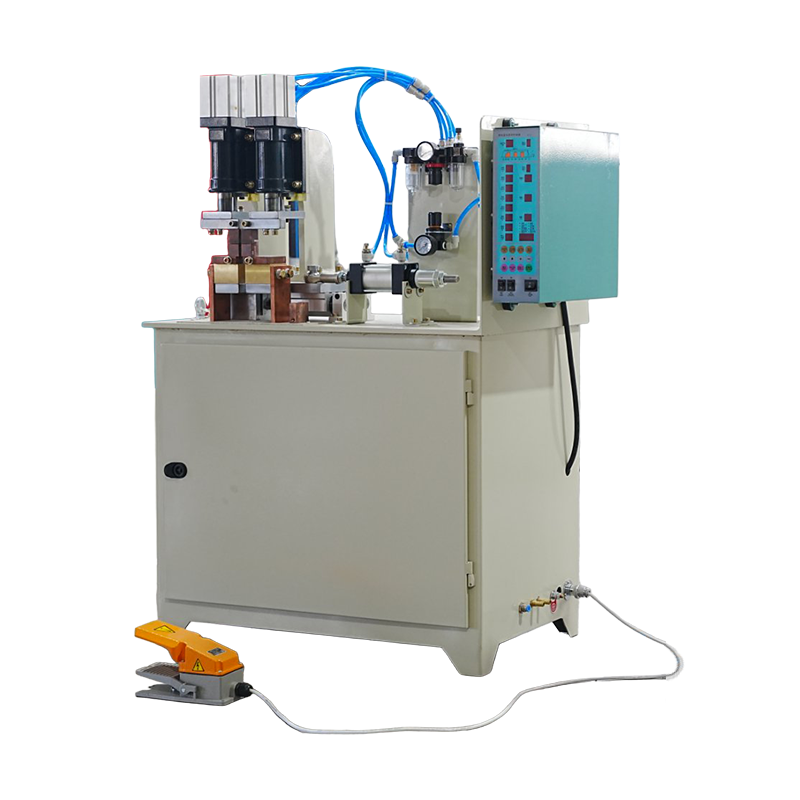
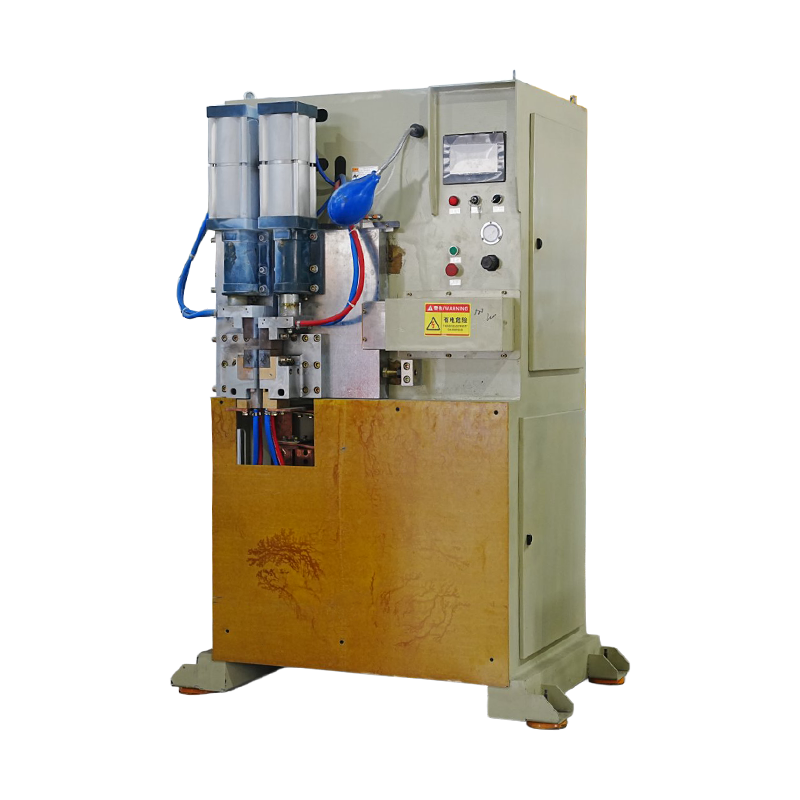
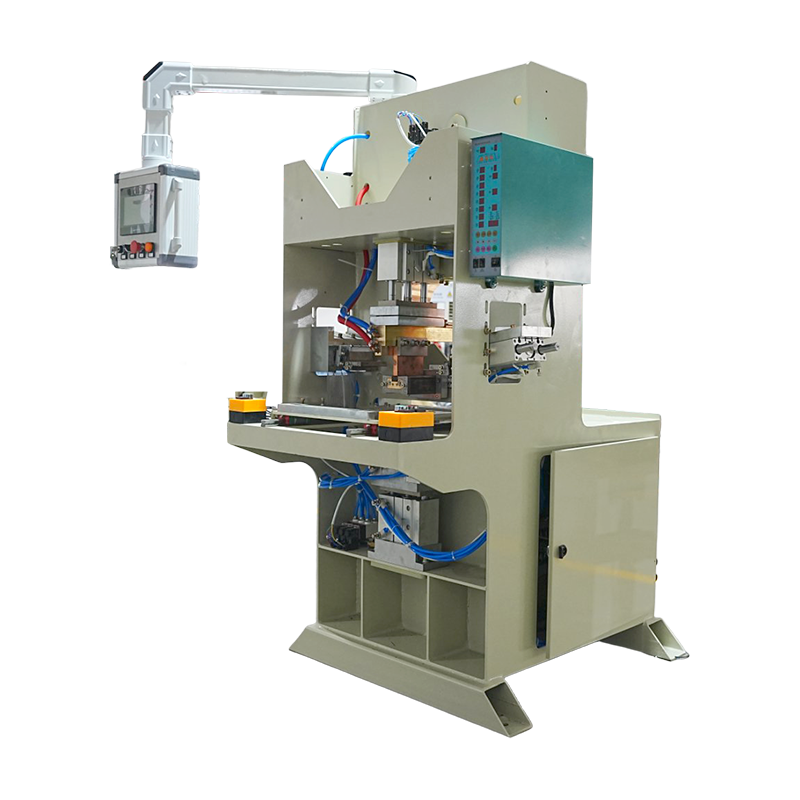
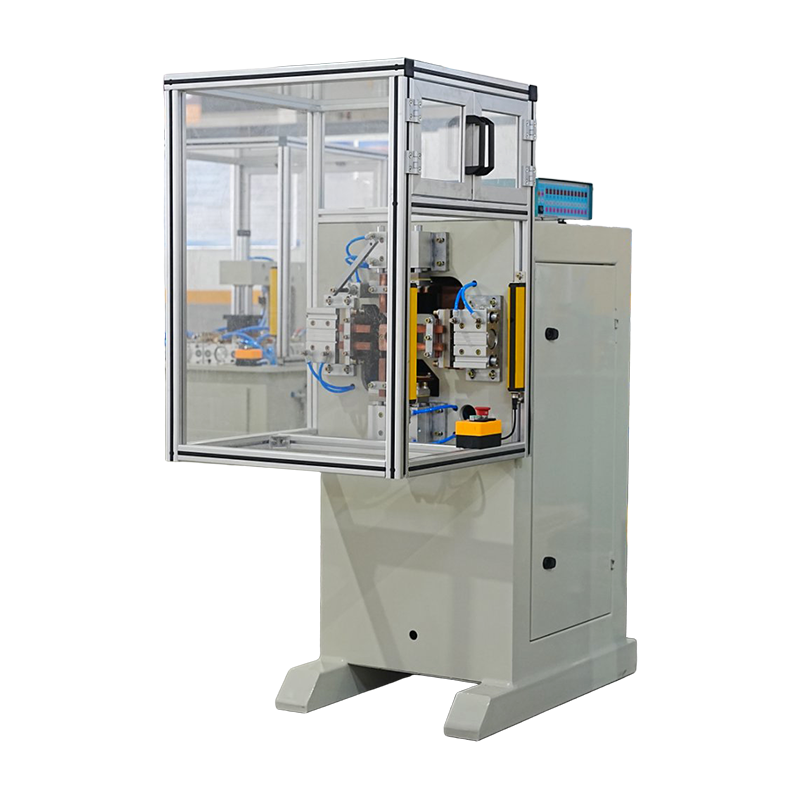
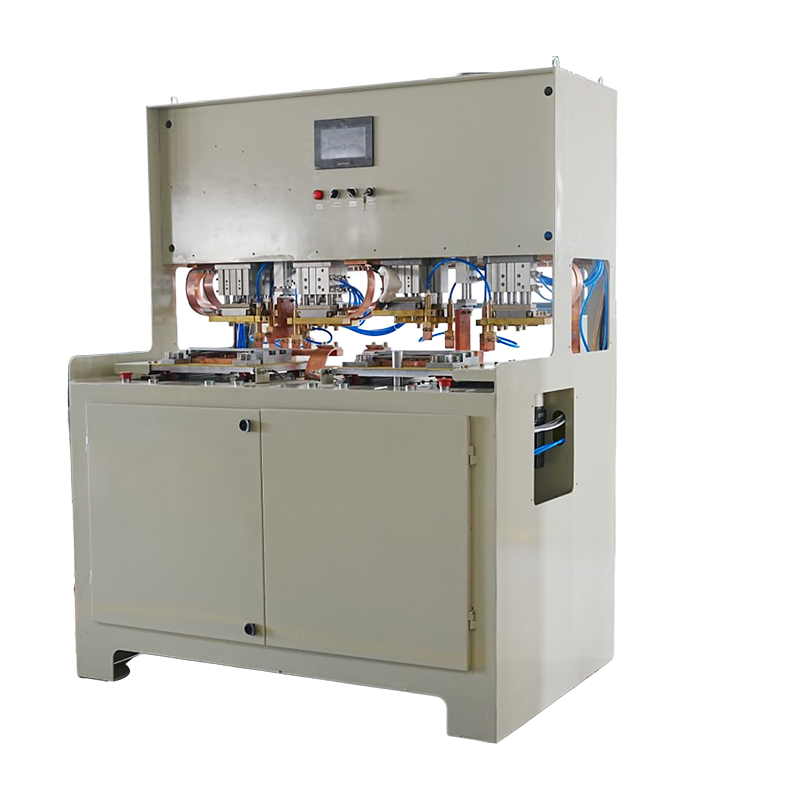
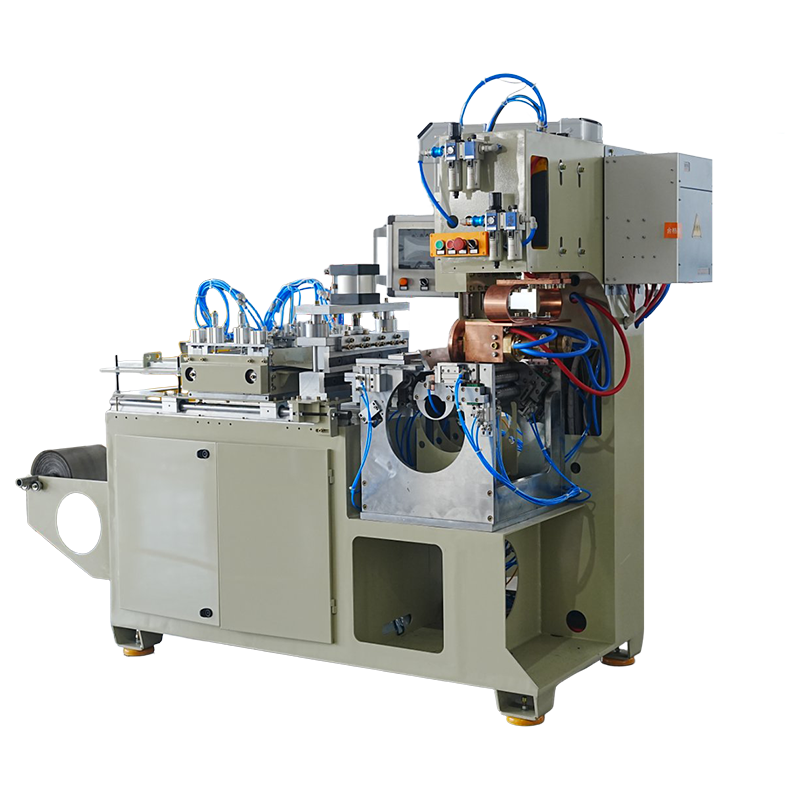
The AC Resistance Butt Welding Machine is an industrial welding system that joins metal components by applying pressure and passing low-voltage, high-current electricity through their contacting ends. The resistance to current generates controlled heat, bringing the metal surfaces to forging temperatures and forming a robust joint without filler material. Equipped with advanced control units such as PLCs or microprocessor controllers, this machine offers precise regulation of welding parameters for consistent, repeatable results. Its welded joints are clean, strong, and free of spatter or deformation, making it ideal for high-volume production environments. This type of machine is widely used in hardware fabrication, mechanical component manufacturing, automotive parts production, and other sectors demanding high reliability and efficiency in butt welding operations.
Product Features
Stable Resistance Butt Welding Performance
Low-voltage, high-current electrical energy hits the contact surface of the workpieces directly. That generates heat right at the joint area, and once pressure comes into play, a strong metallurgical bond takes shape.
- Strong welding strength
- Clean joint appearance
- Low welding spatter
- No filler wire required
- Reduced surface deformation
- Suitable for repeated welding cycles
Pneumatic Clamping System
Workpieces stay locked in place during welding thanks to the pneumatic clamping structure, which keeps both ends aligned and steady from start to finish.
- Accurate positioning
- Smooth clamping action
- Stable pressure control
- Lower operator fatigue
- Better repeatability in production
Adjustable Welding Parameters
The control system puts welding settings in the operator's hands, letting adjustments follow material type, section size, and process requirements.
- Welding current
- Welding time
- Clamping pressure
- Upsetting pressure
- Holding time
- Cooling time
That kind of flexibility is what lets the machine handle different metals and workpiece specifications without missing a beat.
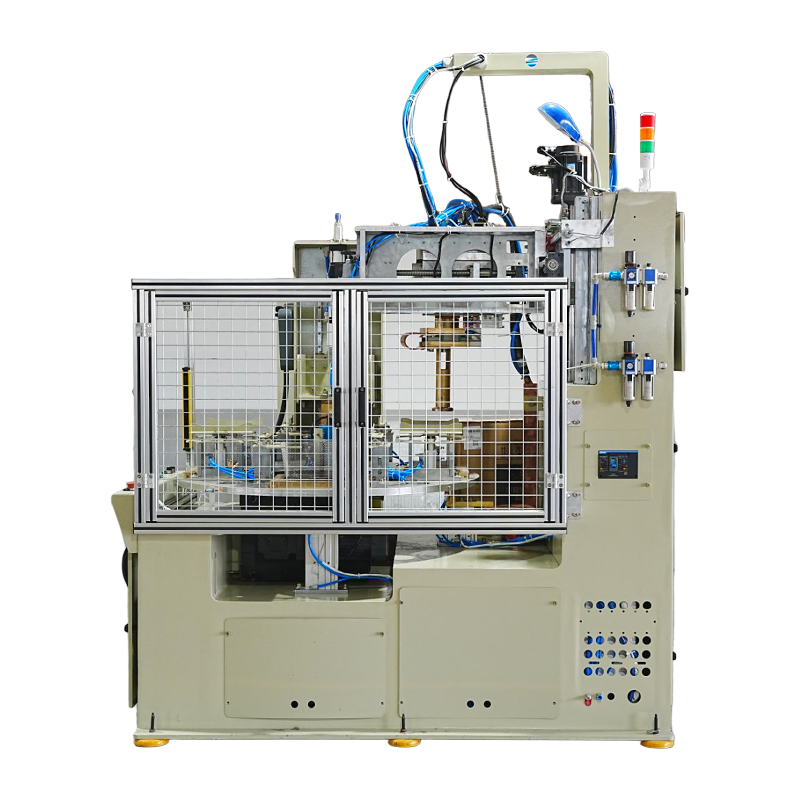
Compact Industrial Structure
A cabinet-style machine body backs the welding mechanism with solid support while keeping internal electrical components shielded from the outside.
- Strong machine frame
- Space-saving design
- Easy daily operation
- Convenient maintenance access
- Suitable for workshop production lines
Efficient Welding Without Consumables
Heat and pressure alone bring metal parts together in resistance butt welding. Most applications skip the welding rod, solder, gas, and filler wire entirely.
- Lower consumable cost
- Cleaner working process
- Less post-weld finishing
- Higher production efficiency
Frequently Asked Questions
What materials can this machine weld? It can weld carbon steel, iron, stainless steel, copper, aluminum, galvanized steel, and other conductive metal materials. The actual welding range depends on material thickness, section size, and machine power.
Does the machine need filler wire? No. The welding process joins the metal ends directly through resistance heat and pressure, so filler wire is not normally required.
Can it weld different workpiece sizes? Yes. Different sizes can be welded within the rated machine capacity. Fixtures, electrodes, and welding parameters may need adjustment.
Is the weld joint strong? Yes. When the welding current, pressure, and time are properly matched, the machine can produce strong and stable butt welds suitable for industrial use.
Can the fixture be customized? Yes. Fixtures can be customized according to the workpiece shape, size, and welding position.
Is it suitable for continuous production? Yes. The stable cabinet structure, pneumatic clamping system, and adjustable control system make it suitable for repeated production tasks.
What information is needed before selecting the machine? Material, size, workpiece drawing, sample photo, welding strength requirement, production capacity, and power supply information are helpful for selecting the proper model.

 EN
EN

 English
  русский
  Français
  Español
  عربى
عربى 
 Get a Quote



 +86-15268688035
 jx12@4006796688.com
 NO.99,Huaxi Road,Chengxi New District,Yongkang city,Zhejiang China.
