100KVA AC Spot Welding Machine with Special Electrodes
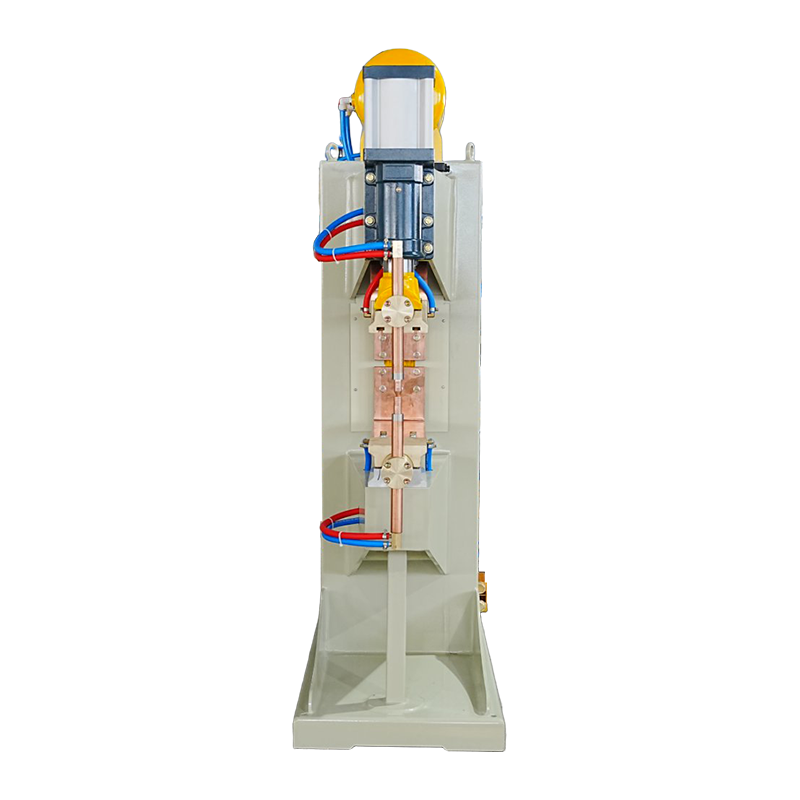
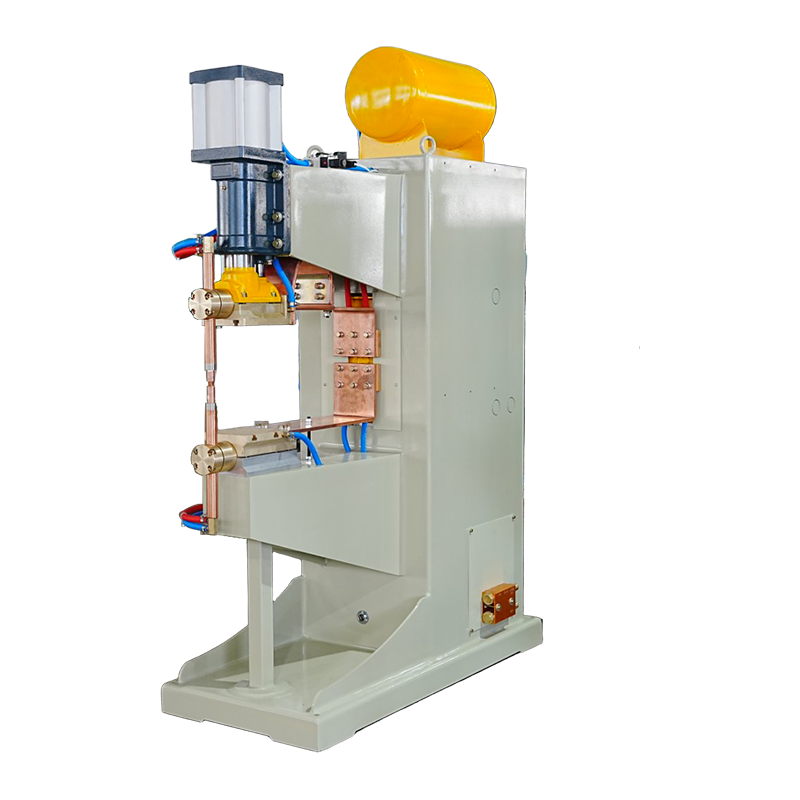
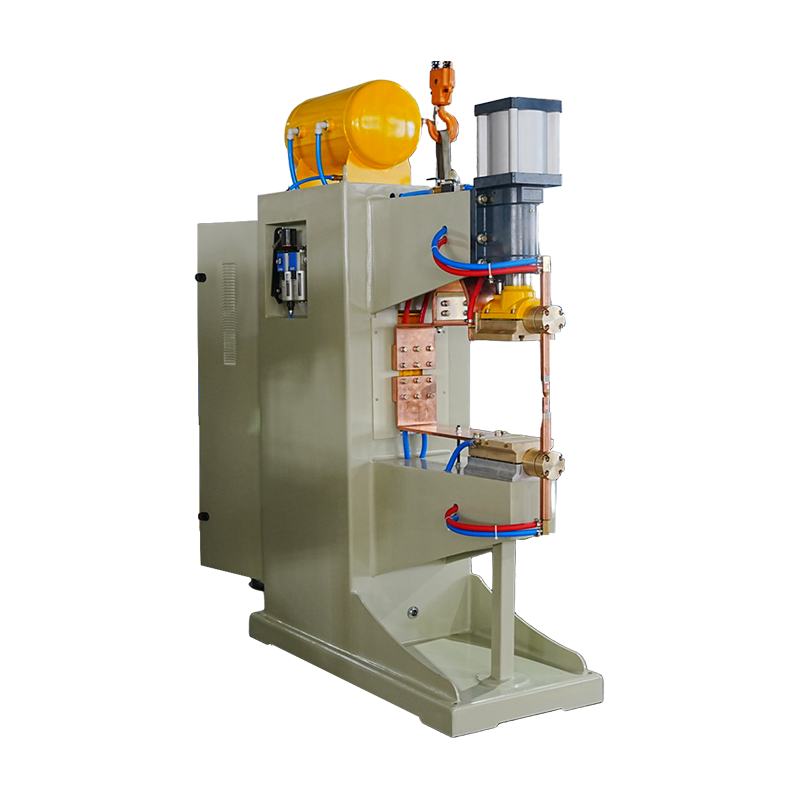
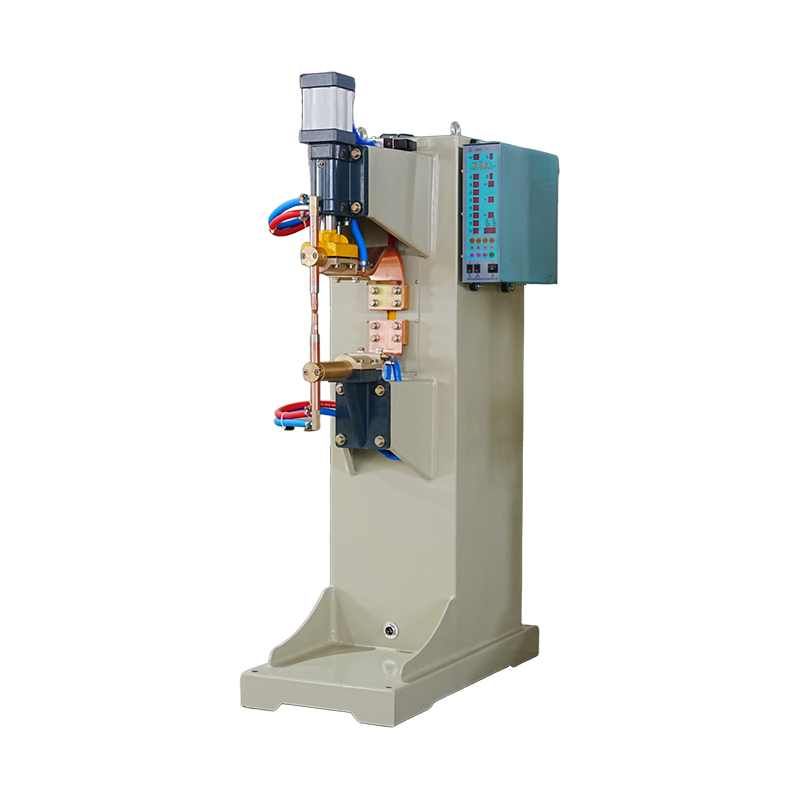
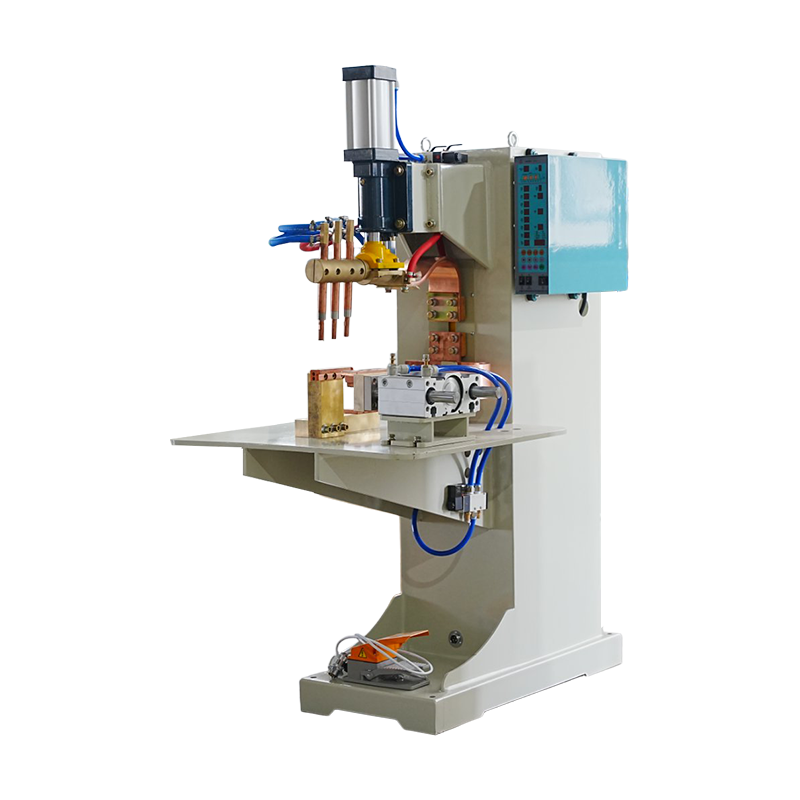
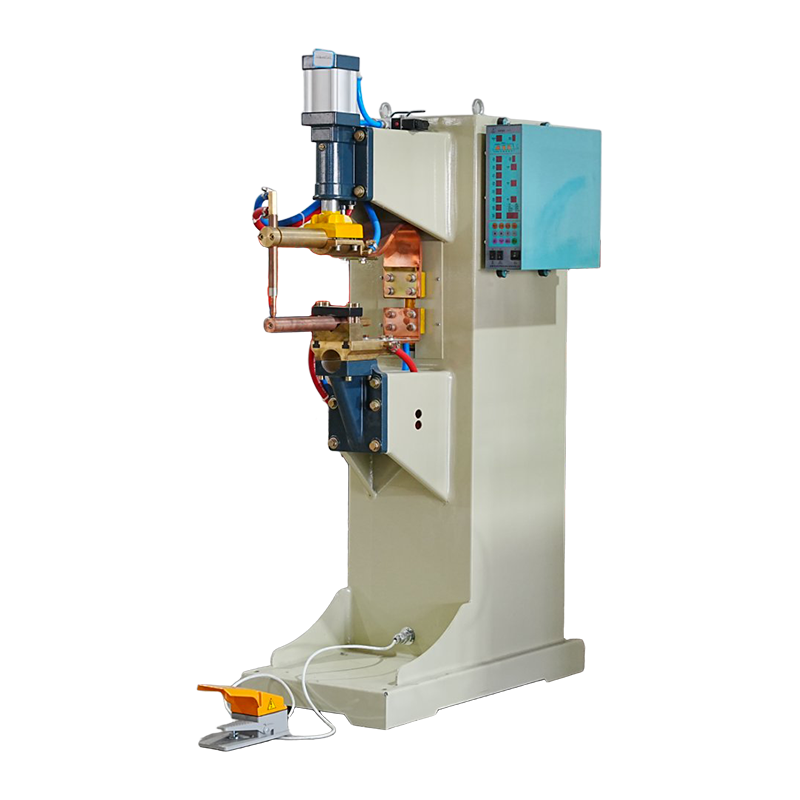
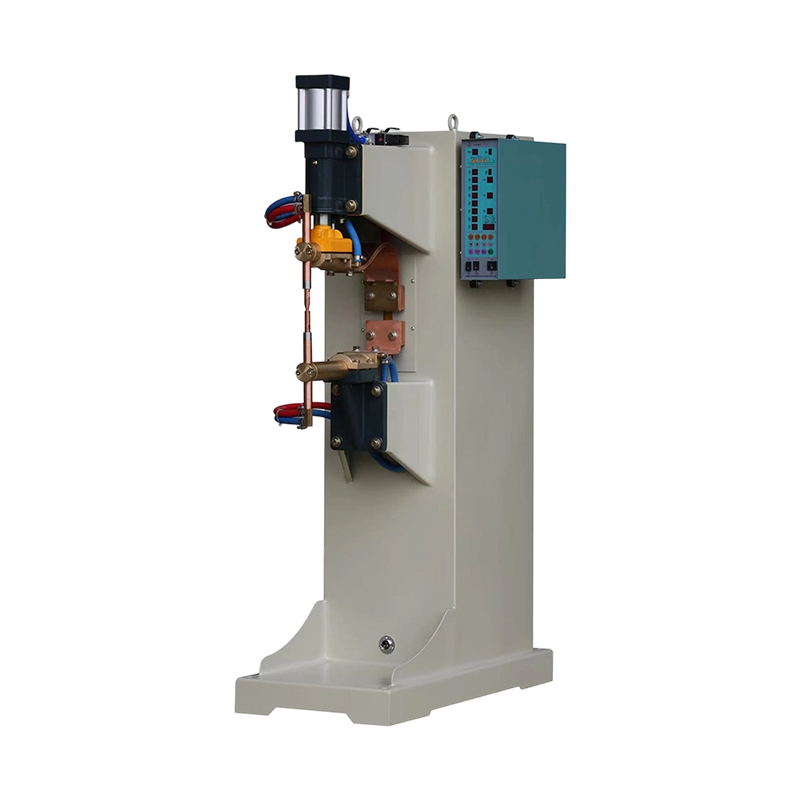
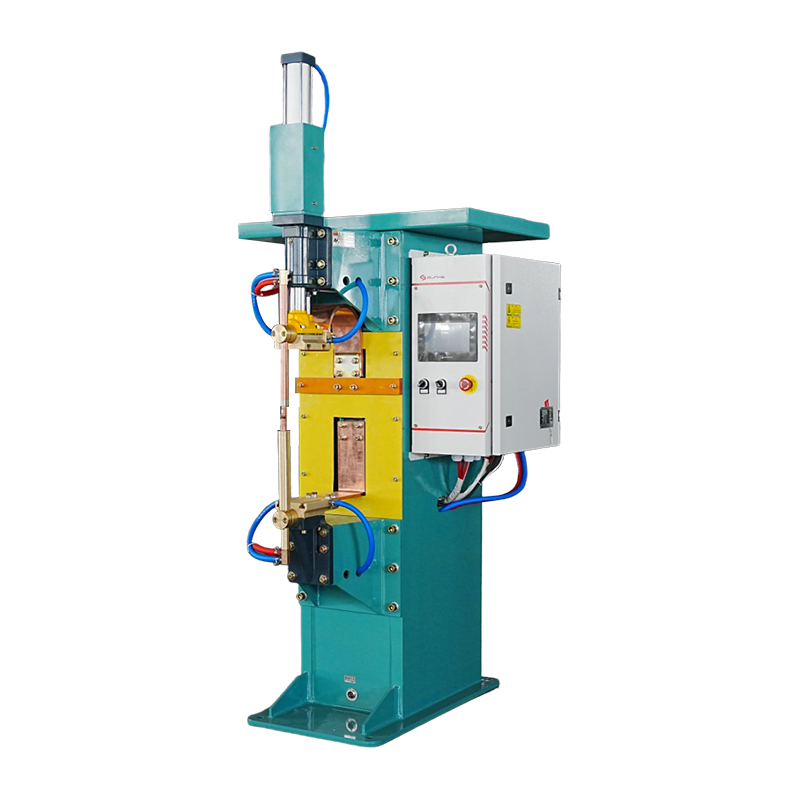
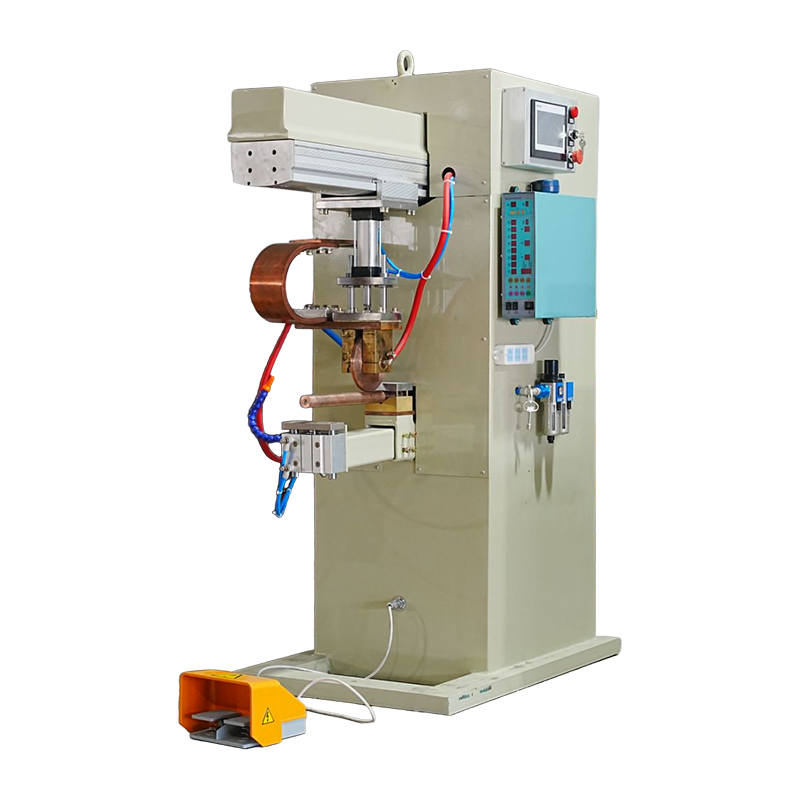
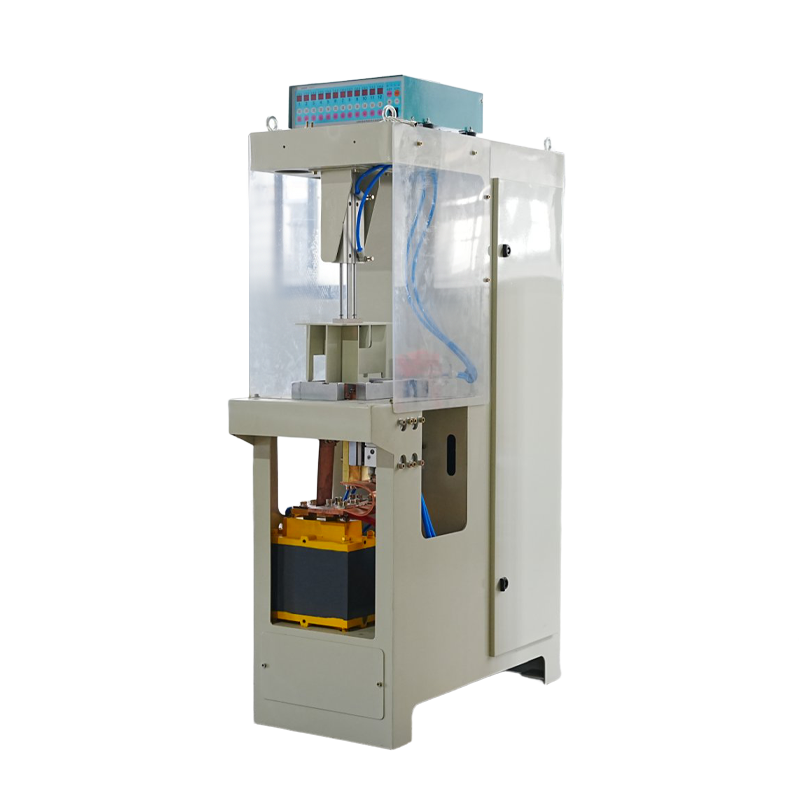
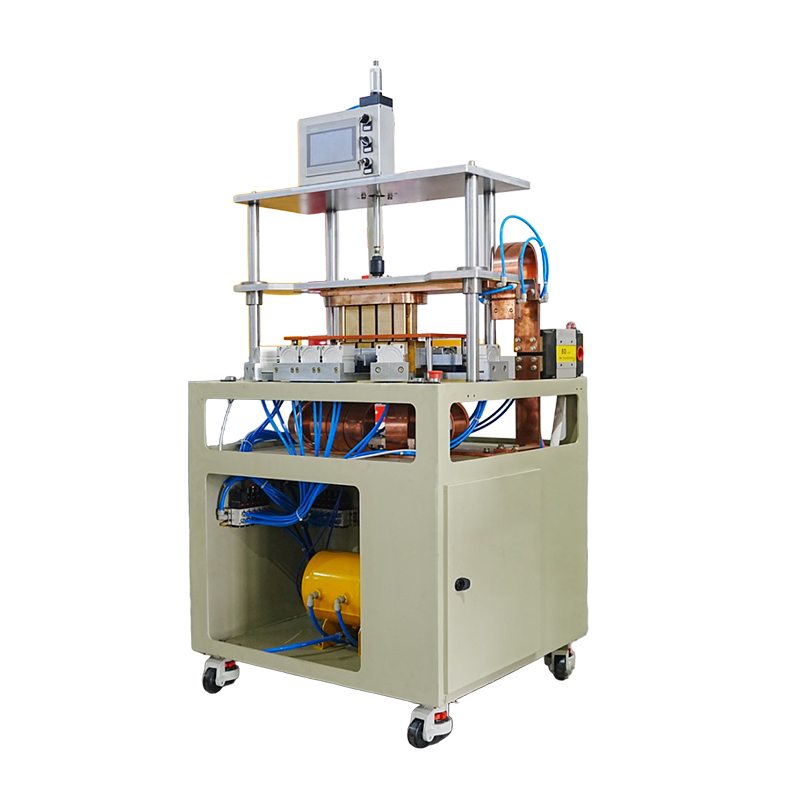
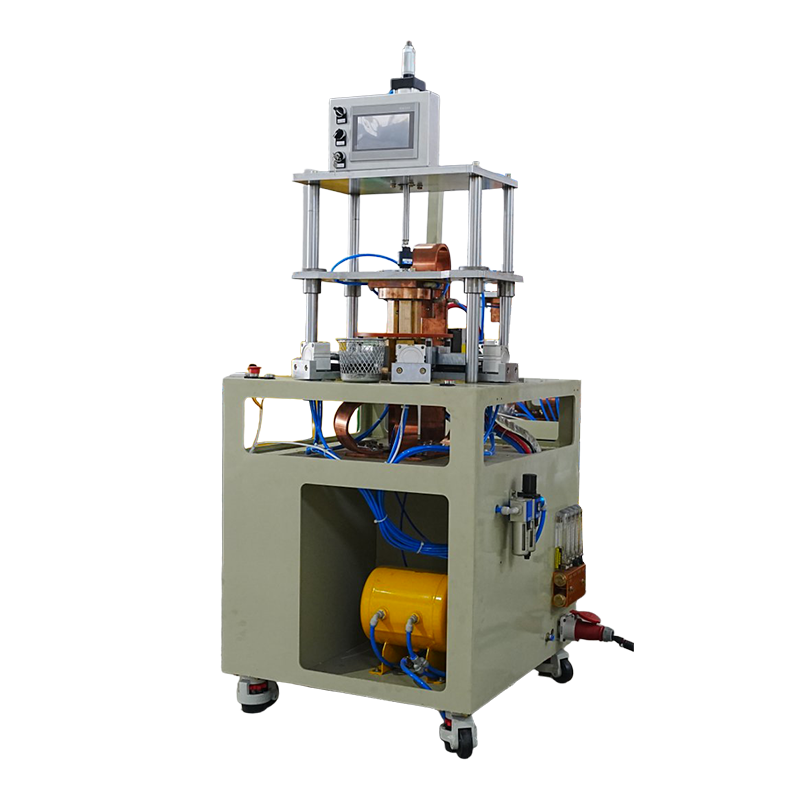
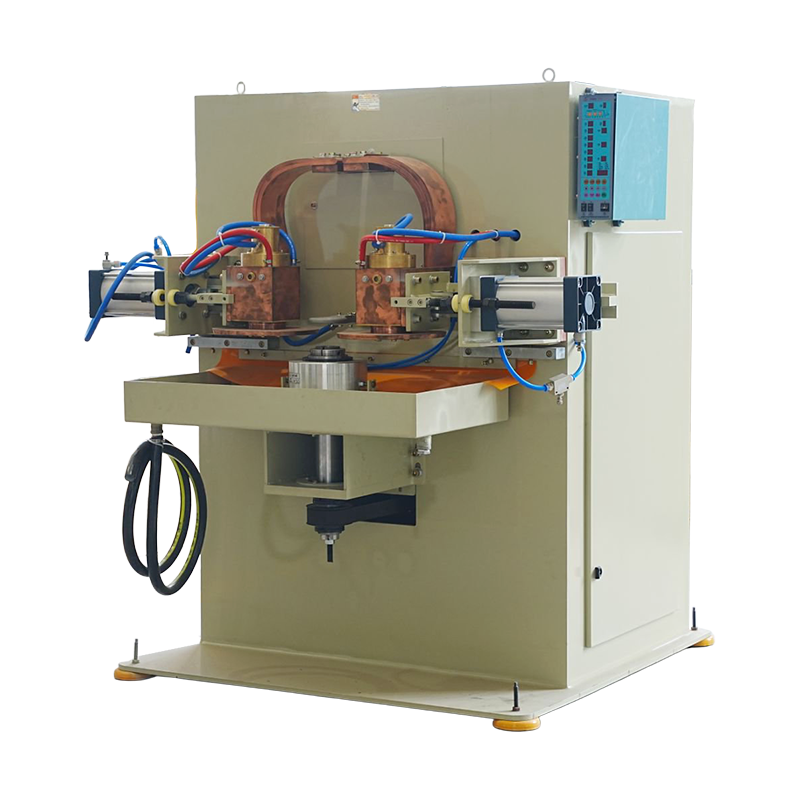
The 100KVA AC spot welding machine with special electrodes features advanced electrode designs for welding thicker materials, high-strength parts, and complex geometries. High-conductivity, heat-resistant electrodes improve energy transfer and heat dissipation, resulting in strong, reliable welds.
With adjustable welding parameters, this machine can be quickly configured for diverse materials and production conditions. It is especially suitable for automotive body components, metal frames, large enclosures, and complex assemblies, enhancing weld consistency and overall yield.
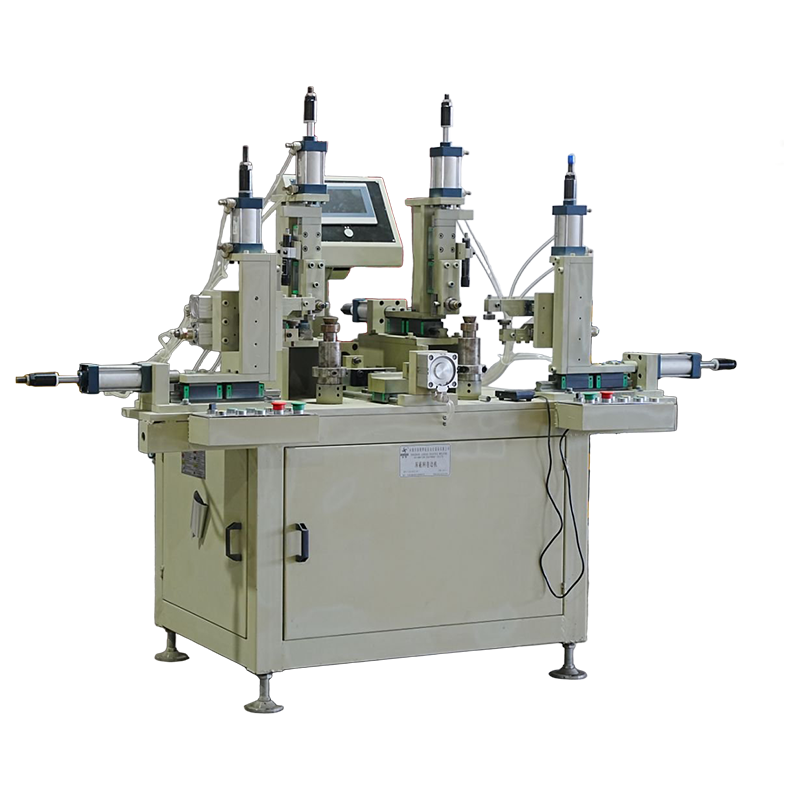
When paired with automated fixturing, it significantly boosts production line efficiency and quality standards.
Why Special Electrodes Matter for Heavy-Duty Welding
Special electrodes matter most when the parts being welded have complex geometry, since the weld outcome hinges heavily on how pressure and current actually enter the joint area. Once the electrode shape stops matching the part, problems tend to follow — unstable welds, visible indentation, uneven heating, or joints that simply don't hold as much strength as they should.
Customized electrode tooling works through these problems directly:
Improves contact across irregular surfaces
Directs current more accurately to the welding point
Balances pressure evenly across the joint area
Cuts back on local overheating and surface damage
Supports welding in deep or offset positions that standard electrodes can't reach
Improves weld consistency across repeated parts
Helps limit deformation on formed components
Extends welding capability to more complex assemblies
For automotive structures, metal frames, large enclosures, and heavy sheet metal parts, special electrodes often end up being the deciding factor — the difference between a welding process that fights you at every step and one that runs stable and production-ready.
Custom Automation & Tooling Support
Jiaxiao provides machine configuration and tooling development built around each part's actual requirements. Before the welding process gets designed, the engineering team works through product drawings, sample parts, material thickness, welding point layout, production rhythm, and joint strength standards.
Support available includes:
- Custom copper electrodes
- Special electrode geometry
- Extended electrode arms
- Offset electrode structures
- Projection welding tooling
- Nut and stud welding fixtures
- Dedicated positioning fixtures
- Pneumatic clamping systems
- Rotary positioning fixtures
- Semi-automatic welding stations
- PLC control system integration
- Safety guarding and interlock design
- Sample welding process testing
- Non-standard resistance welding equipment development
This level of engineering support pays off in better welding repeatability, fewer defects, simpler operation, and production performance that holds up reliably over the long term.
FAQ
1. Can the special electrodes be customized for different workpieces?
Yes. The special electrodes can be customized according to the workpiece drawing, sample part, welding position, material thickness, and required weld strength.
Jiaxiao can provide custom copper electrodes, extended electrode arms, offset electrode structures, projection welding tooling, and positioning fixtures. This helps the 100KVA AC spot welding machine with special electrodes match complex parts, thick sheet metal, irregular surfaces, and limited welding spaces more accurately.
2. What information is needed to recommend the right machine configuration?
To recommend a suitable configuration, the engineering team usually needs the following details:
- Workpiece drawings or photos
- Material type
- Material thickness
- Welding point quantity and position
- Required weld strength
- Production capacity requirement
- Available workshop voltage and air supply
- Whether manual, semi-automatic, or automated operation is needed
With this information, Jiaxiao can suggest the proper electrode design, arm length, welding controller, fixture structure, pressure system, and cooling configuration.
3. What quality checks are performed before shipment?
Each machine is inspected and tested before leaving the factory. The inspection process includes machine structure checking, electrical system testing, pneumatic system testing, transformer performance checking, welding output testing, cooling system checking, and trial welding when sample parts are available.
Jiaxiao follows full-process quality control from raw materials to finished equipment. The company has long-term experience in resistance welding machines, special welding machines, and welding automation equipment, with product standards supported by CE and 3C certification.
4. Can this machine be supplied with fixtures or semi-automatic welding solutions?
Yes. Besides the standard machine, Jiaxiao can provide customized fixtures and semi-automatic welding workstation solutions.
Available options include:
- Positioning fixtures
- Pneumatic clamping devices
- Rotary fixtures
- Custom worktables
- Special electrode tooling
- PLC control systems
- Safety guarding
- Automatic loading support according to the part structure
This is useful for applications requiring stable positioning, repeated welding accuracy, and higher production efficiency.
5. How is the machine packed for export transportation?
The machine is usually packed with protective wrapping and a reinforced wooden case suitable for long-distance transportation. Key parts such as electrodes, control panels, copper components, pneumatic parts, and external accessories are protected to reduce the risk of damage during handling and shipping.
For customized equipment or machines with fixtures, the packing method can be adjusted according to machine size, accessory quantity, and transportation requirements.
6. What after-sales support is available after installation?
Jiaxiao provides technical support for machine installation, parameter adjustment, welding process setup, electrode maintenance, and daily operation. Remote guidance can be provided through videos, photos, drawings, and online communication.
Support may include:
- Machine installation guidance
- Welding parameter setting advice
- Electrode replacement guidance
- Fixture adjustment support
- Troubleshooting assistance
- Spare parts supply
- Operation and maintenance documents
This helps the equipment enter production faster and maintain stable welding performance over long-term use.

 EN
EN

 English
  русский
  Français
  Español
  عربى
عربى 
 Get a Quote



 +86-15268688035
 jx12@4006796688.com
 NO.99,Huaxi Road,Chengxi New District,Yongkang city,Zhejiang China.
