
 EN
EN

 English
  русский
  Français
  Español
  عربى
عربى 
 Get a Quote
How Does a Welding Controller Coordinate Current and Weld Time
Date:Sep 04, 2026
Welding requires more than applying current to two pieces of material. The amount of heat created during a weld is closely related to both current and the length of time that current is applied. When either condition changes, the result of the welding process can change with it. For this reason, current and weld time are normally considered together when a welding process is set up.
A Welding Controller provides a way to coordinate these settings within a defined welding cycle. Rather than treating current and time as isolated values, the control process links them to the sequence of the operation. This makes it possible to establish repeatable conditions for different welding tasks while allowing settings to be adjusted when material or production requirements change.
The relationship becomes particularly important in resistance welding, where heat is generated at the contact area between materials. Current needs to be applied for an appropriate period, while the surrounding conditions also need to remain suitable for the intended weld. Looking at current and time together therefore provides a clearer view of how the welding process is controlled.
Why Are Welding Current and Weld Time Controlled Together
Current determines how much electrical energy is supplied during the welding process, while weld time determines how long that energy is applied. Neither setting should normally be considered without the other.
A change in current can alter the amount of heat produced during a weld. A change in weld time can also alter the heat developed at the joining area. If the current remains unchanged but the application period changes, the welding condition changes. The same applies when the time remains constant while current is adjusted.
This relationship can be viewed through several practical considerations:
- Current affects the intensity of heating at the contact area.
- Weld time determines the duration of that heating.
- Material properties influence how the supplied energy behaves.
- Electrode contact affects how current passes through the workpieces.
- The welding sequence determines when current is applied and released.
The purpose of coordinating these conditions is not simply to increase or decrease one setting. Instead, the control process needs to establish a suitable relationship between them for the particular welding operation.
For production equipment, this coordination also helps keep the welding cycle consistent. When the same process is repeated, the controller can apply the programmed conditions in the same sequence rather than relying on manual timing for every operation.
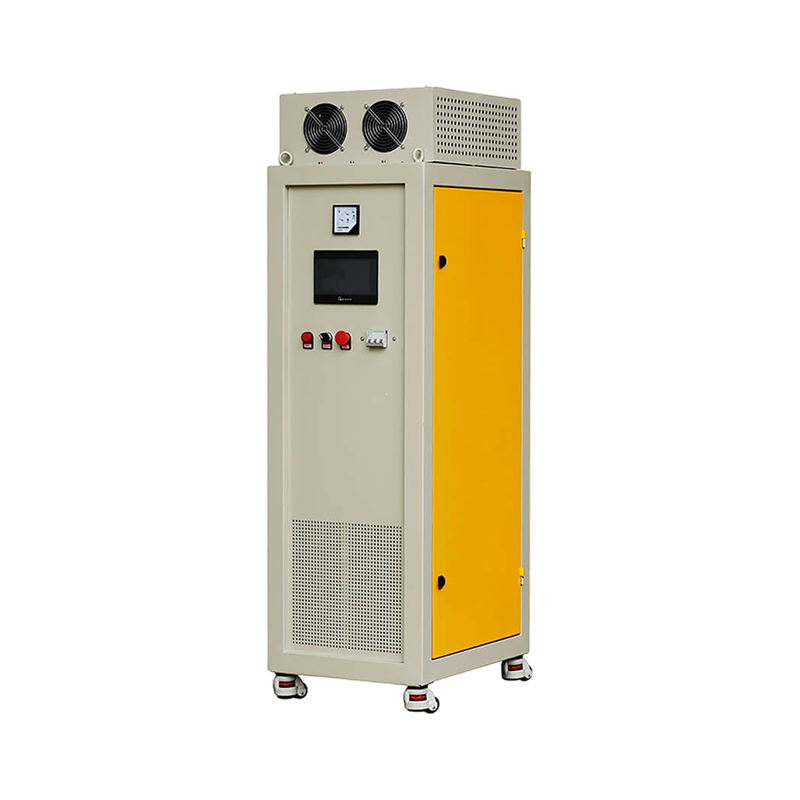
How Does a Welding Controller Set Current During a Weld Cycle
Current control begins with the welding conditions selected for a particular application. The controller receives the required settings and uses them to manage when current is supplied during the welding cycle.
A typical cycle involves more than simply switching current on and off. The operation may include a preparation stage, a current application stage, and a release stage. The exact sequence depends on the equipment and welding process.
During the current application stage, the controller coordinates the selected current with the programmed weld time. This gives the equipment a defined operating sequence instead of leaving the timing to separate manual actions.
The control process can be viewed as:
Preparation → Current application → Hold or release → End of cycle
The timing between these stages matters because the workpieces and electrodes need to be in the intended position before current is applied. Once the current has been supplied for the selected period, the cycle moves to its next stage.
This is where the relationship between current and time becomes practical. A setting for current has little meaning without knowing when and for how long it will be applied. Likewise, weld time needs to be considered alongside the amount of current being delivered.
A Welding Controller therefore acts as the coordinating element between the selected settings and the sequence of the welding operation.
What Determines the Appropriate Welding Time for Different Materials
Welding time cannot always be transferred directly from one application to another. Materials respond differently to heat, and differences in thickness or surface condition can also influence the welding process.
Material thickness is one consideration. A thicker workpiece can require a different heating period from a thinner one. Material composition also affects how heat is generated and distributed around the joining area.
The condition of the contact surfaces matters as well. Clean, stable contact allows current to pass through the intended area more consistently. Changes at the contact point can alter the way heat develops, even when the selected current and time remain unchanged.
| Welding Condition | Possible Influence on Weld Time |
|---|---|
| Material thickness | May require adjustment to the heating period |
| Material type | Can change how heat develops |
| Surface condition | Can affect current flow at the contact area |
| Electrode contact | Can influence heat distribution |
| Joint arrangement | Can affect how the workpieces respond during welding |
The goal is not to establish one setting for every material. Instead, the control settings need to correspond with the physical conditions of the workpieces and the intended welding process.
This also explains why production equipment may need different stored settings for different parts. When the material or joint arrangement changes, the current and time relationship may need to change as well.
How Does Current Control Change Throughout a Welding Cycle
Current does not necessarily have to be treated as a single uninterrupted action. A welding cycle can contain different stages, with each stage serving a particular purpose.
At the beginning, the workpieces and electrodes are brought into the required position. Current is then applied according to the selected welding conditions. After the heating stage, current is stopped while the materials remain in position as required by the process.
The timing of these stages affects how the heat develops and how the joining area responds. If current is introduced before proper contact has been established, the process may not behave as intended. If current continues beyond the required stage, additional heating can occur.
Some welding applications therefore use more than one current stage. A preliminary current stage may prepare the joining area, followed by the main welding stage. Other processes may use a controlled transition before or after the primary heating period.
The exact sequence depends on the equipment and application, but the underlying principle remains similar: current needs to be coordinated with time and position within the welding cycle.
A programmable control system can keep these stages in a defined order. This reduces the need for separate manual actions and makes it easier to repeat the same sequence across production operations.
How Does Feedback Help Control Welding Current and Time
Setting current and time is only part of process control. Conditions during welding can change because of material variation, electrode condition, electrical supply, or contact between the workpieces.
Feedback allows the control system to observe aspects of the welding process while the cycle is taking place. The information can be used to compare actual conditions with the selected settings.
For example, current monitoring can provide information about whether the intended current is being maintained during the welding period. If the observed condition changes, the control system may identify the difference rather than treating every cycle as identical.
This creates a basic control relationship:
Selected setting → Welding process → Current information → Control response
Feedback is particularly useful when repeatability matters. Without process information, a controller can only apply the settings it has been given. With suitable monitoring, the system has a way to observe what is happening during operation.
The role of feedback is therefore not simply to add another function to the control system. It connects the programmed welding conditions with the actual process, giving operators and equipment a clearer basis for maintaining consistent operating conditions.
How Can One Welding Controller Manage Multiple Weld Programs
Different workpieces may require different relationships between current and weld time. Using the same settings for every application can therefore be impractical when a production line handles several types of parts.
A programmable controller can store separate welding programs so that the required conditions can be selected according to the workpiece being processed. Each program can contain its own combination of current, weld time, and sequence settings.
This approach can be useful when:
- Different materials are processed on the same equipment.
- Workpiece thickness changes between production tasks.
- Different joint arrangements require different welding conditions.
- Several welding stages are required for one type of part.
- Production equipment needs to switch between established process settings.
Program management also helps separate one welding condition from another. Instead of repeatedly changing individual settings, the operator can select the appropriate program for the intended operation, where the equipment supports this function.
The important point is that program storage does not remove the need for proper process setup. Each setting still needs to correspond with the material, joint design, electrode arrangement, and equipment being used.
How Does a Welding Controller Work With a Welding Transformer
The controller and welding transformer perform different functions within the same equipment system. The transformer is associated with the electrical supply used for welding, while the controller manages when and how the welding operation is carried out.
Their relationship is therefore important when current needs to be applied according to a defined welding cycle. The controller sends the required control signals, and the transformer supplies the electrical conditions needed by the welding circuit.
The relationship can be viewed in simple terms:
| System Element | Main Role in the Welding Process |
|---|---|
| Welding Controller | Manages settings, timing, and welding sequence |
| Welding Transformer | Provides the electrical conditions used by the welding circuit |
| Electrodes | Transfer current to the workpieces |
| Workpieces | Form the joining area where heat is generated |
| Feedback system | Provides process information for control |
Compatibility between these elements matters because the controller needs to operate within the requirements of the welding equipment. The selected control method, electrical arrangement, and signal connections all need to correspond with the equipment configuration.
This is also relevant when an existing welding system is modified. Replacing one control component does not necessarily mean that the rest of the system can be treated independently. The controller, transformer, electrodes, and associated electrical components operate as part of one process.
How Does Coordinated Control Support Repeatable Welding Processes
The relationship between current and weld time becomes most useful when it is considered as part of the complete production cycle. A repeatable welding process depends on more than selecting a current setting and a time setting. The sequence, material condition, electrode contact, and equipment response also influence the result.
When these conditions are coordinated, the welding equipment can follow an established process from one cycle to the next. The control system provides the timing, current settings, and sequence needed for the selected operation, while monitoring can provide information about changes during the cycle.
Several elements work together:
- Current defines the electrical input used for heating.
- Weld time defines the duration of current application.
- The welding cycle determines when each stage occurs.
- Program settings allow different operating conditions to be stored.
- Feedback provides information about actual process conditions.
- The transformer and other equipment components support the electrical operation.
This coordinated approach gives manufacturers a structured way to manage welding conditions without treating current and time as separate adjustments. When the material, joint arrangement, or production task changes, the relevant settings can be adapted to match the new conditions.
The result is a welding process in which electrical input, timing, equipment operation, and process conditions are considered together. By coordinating these elements within the welding cycle, a Welding Controller provides a structured way to manage current, weld time, and process settings for repeatable production tasks.
Related products
-
-
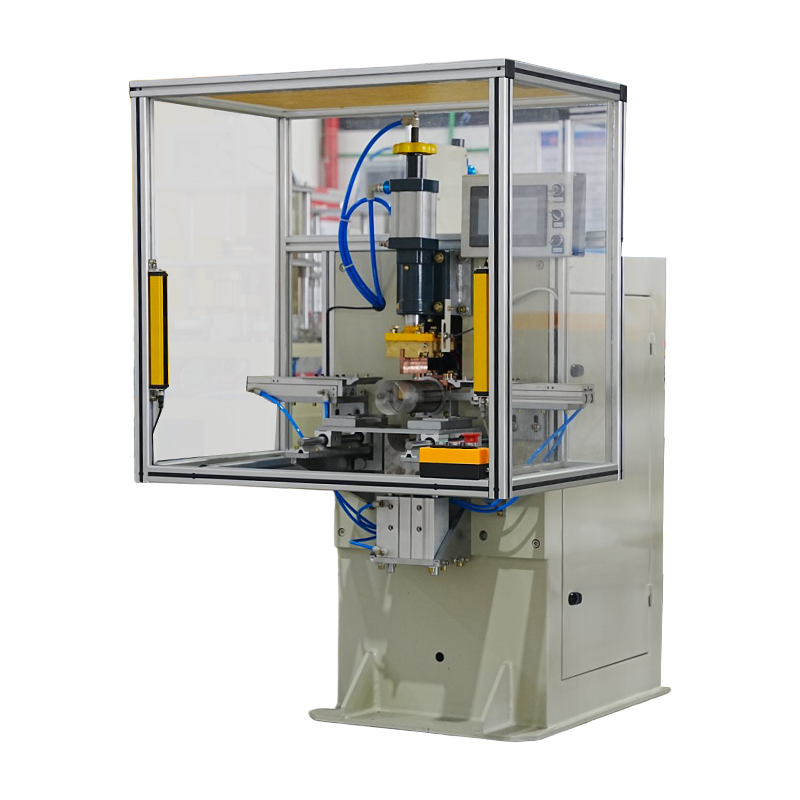
The Roll & Weld Integrated Machine for Pen Holder seamlessly combines rolling and welding in a single automated process. With servo‑driven precision and tailored tooling, this machine transforms f...
See Details -
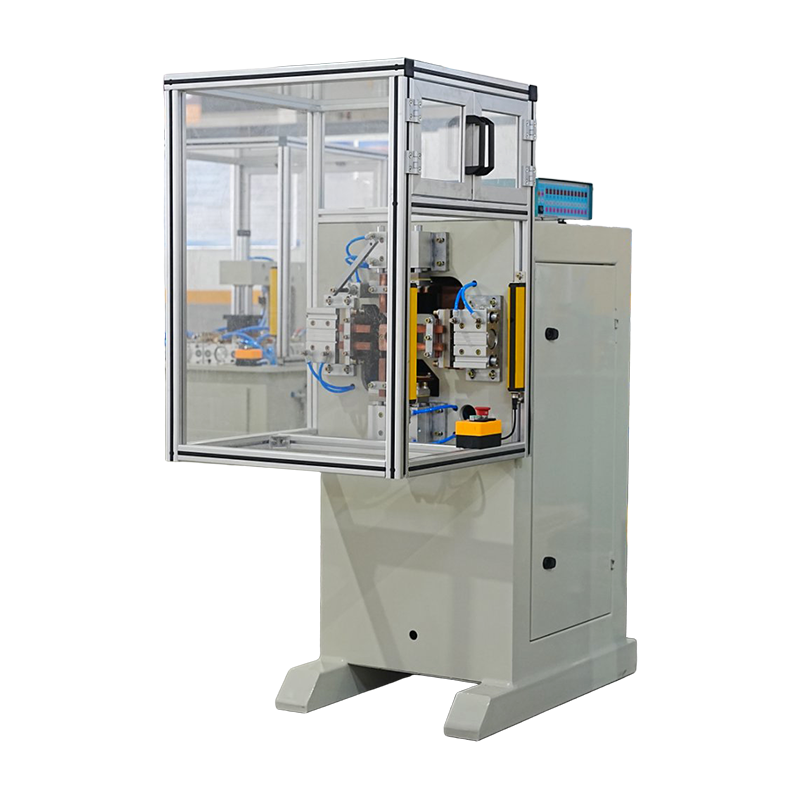
The Welding Machine for Square Pen Holder Bottom is optimized for welding the bottom of square pen holders. Featuring precise positioning and efficient welding modules, it ensures robust weld points a...
See Details -
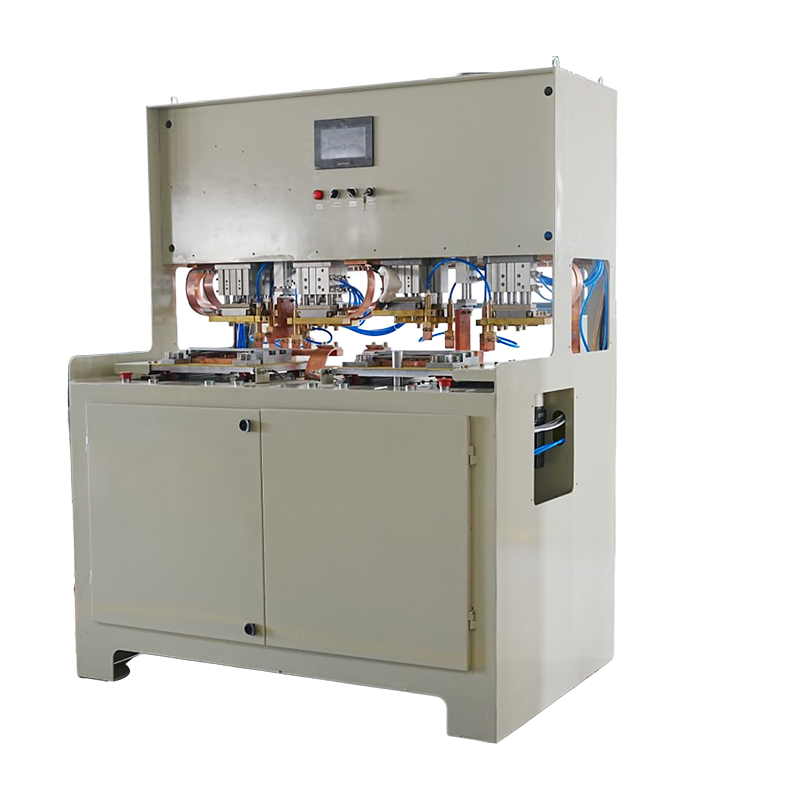
The Document Tray Bracket & Slot Rail Welding Machine is designed specifically for welding connections between tray brackets and slot rails.
See Details -
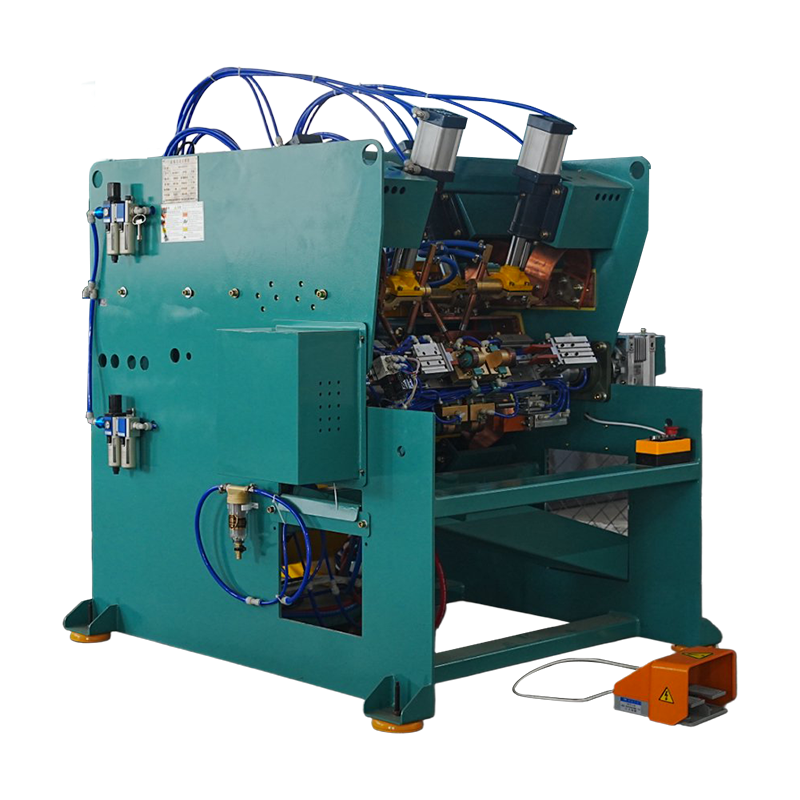
The 3‑Head Automatic Rotary Welding Machine for Hot Glue Gun is engineered for high‑volume welding of plastic or metal components on glue gun assemblies.
See Details -
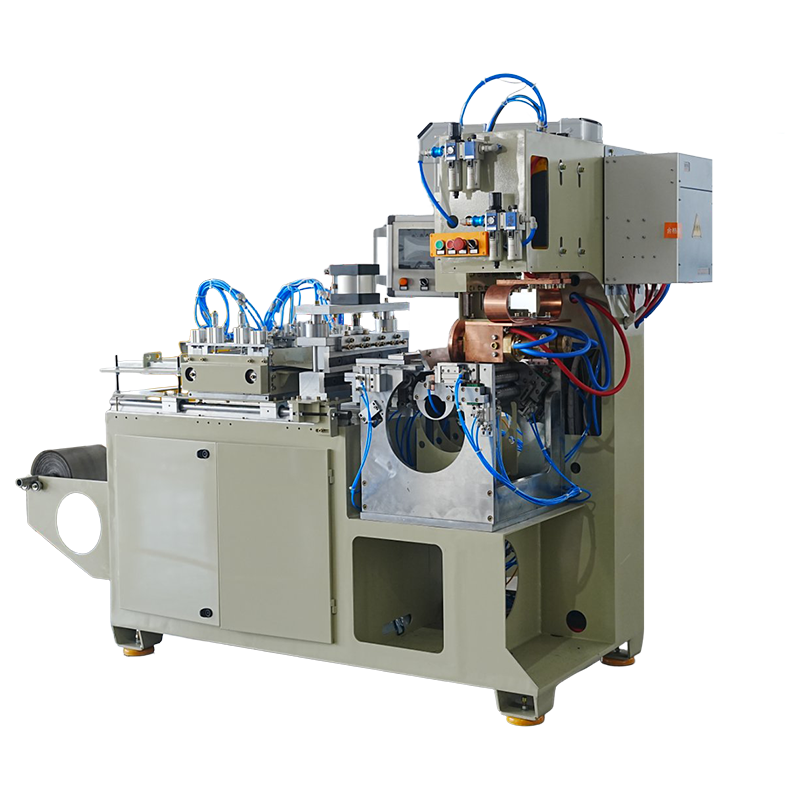
The Drum Roll Mesh Welding Integrated Machine combines drum body welds and wire mesh attachments in a single automated workflow, streamlining assembly processes for mesh‑reinforced drums or filtration...
See Details -
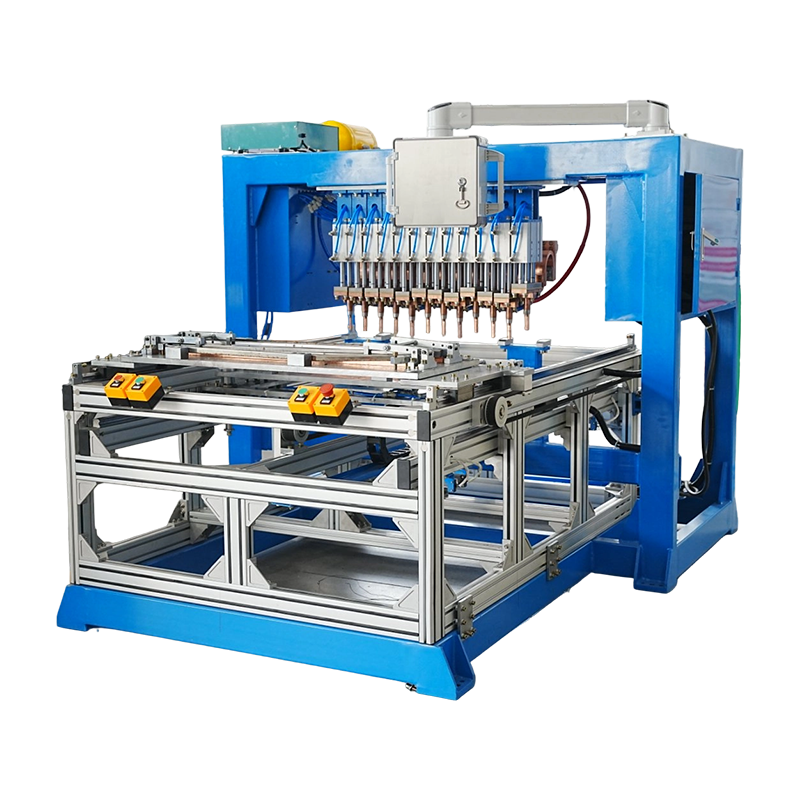
The Alternating Gantry Spot Welding Machine is an automated dual‑station resistance welding solution that maximizes productivity by enabling one station to weld while the other is being loaded or prep...
See Details



 +86-15268688035
 jx12@4006796688.com
 NO.99,Huaxi Road,Chengxi New District,Yongkang city,Zhejiang China.
Message Us Right Now!
Copyright © Yongkang Jiaxiao Welding Automation Equipment Co., Ltd. All Rights
Reserved
China Welding Equipment Manufacturer
