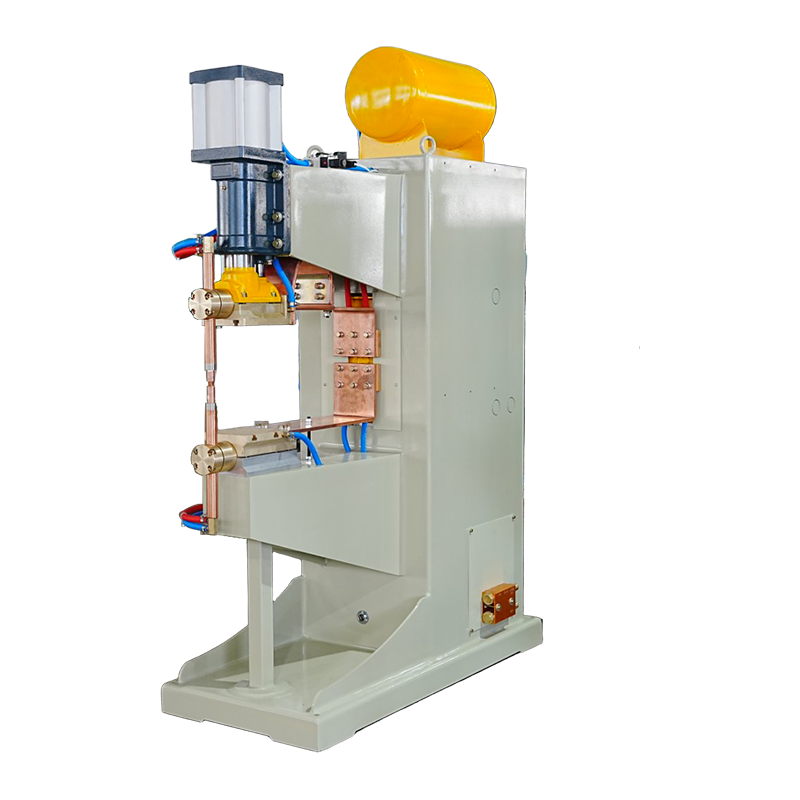
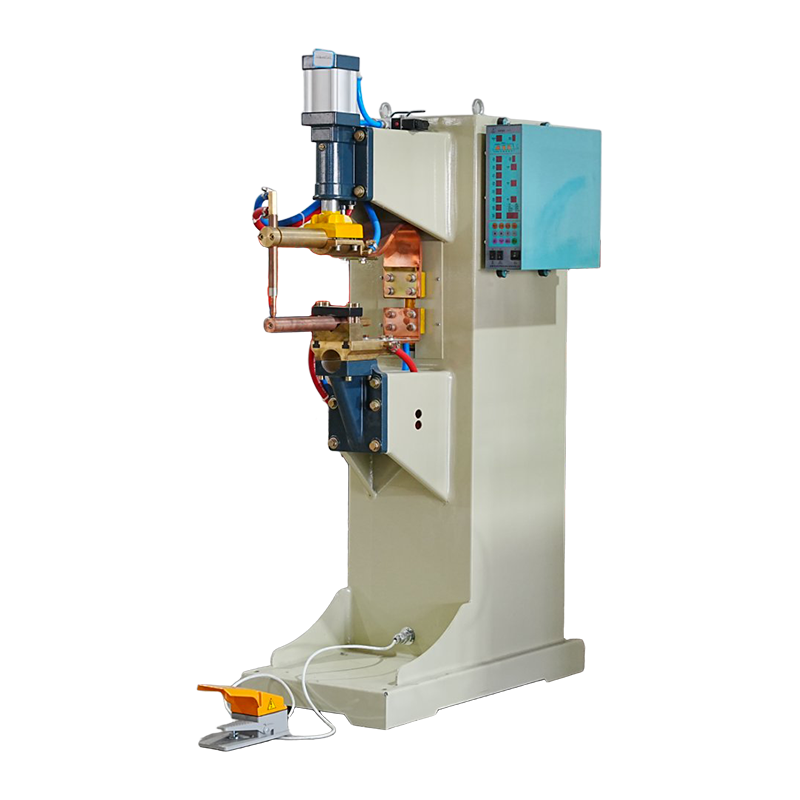
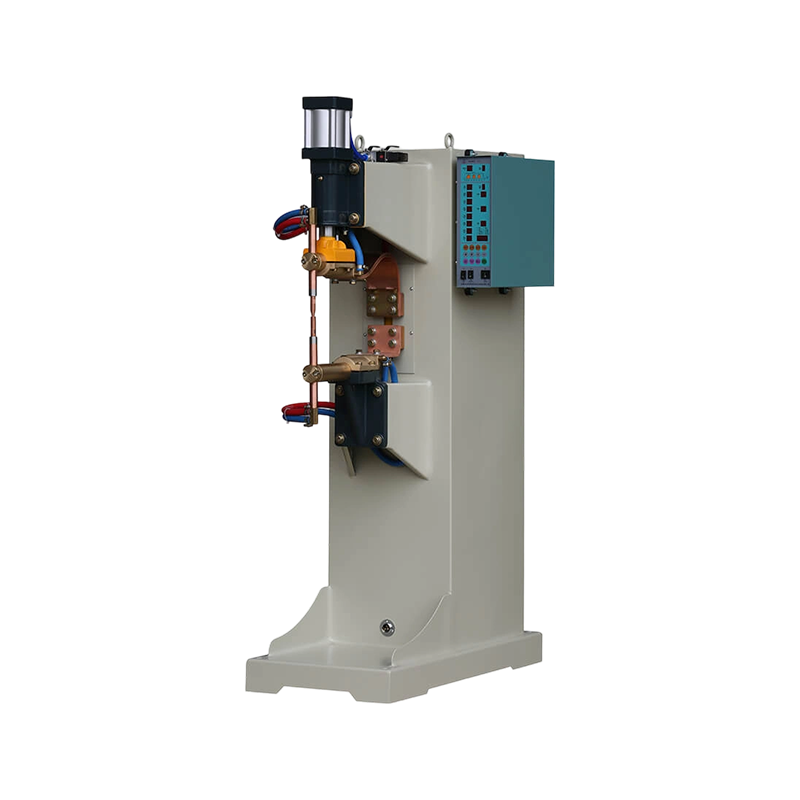
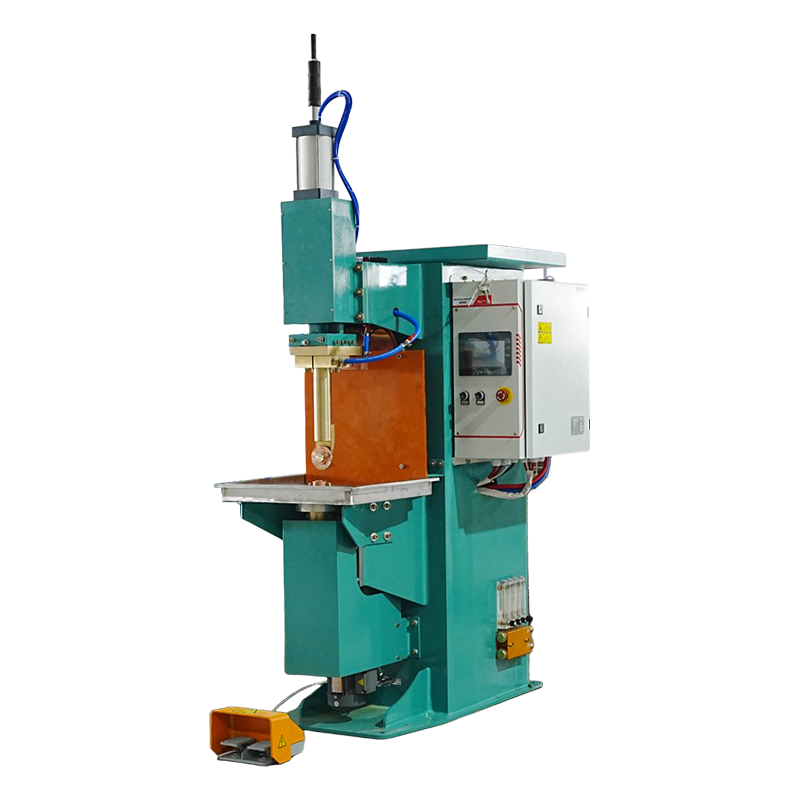
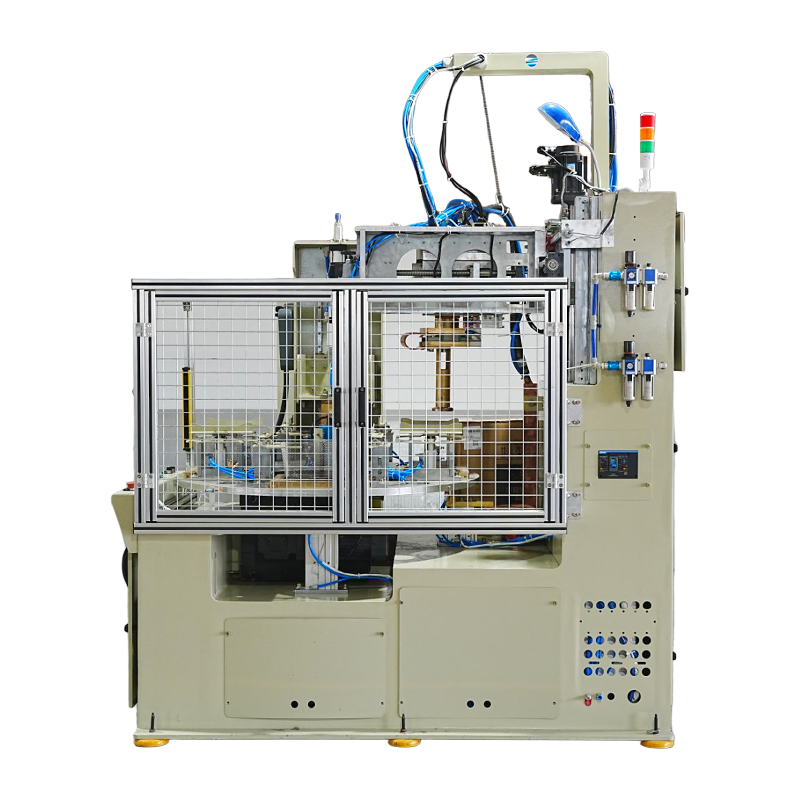
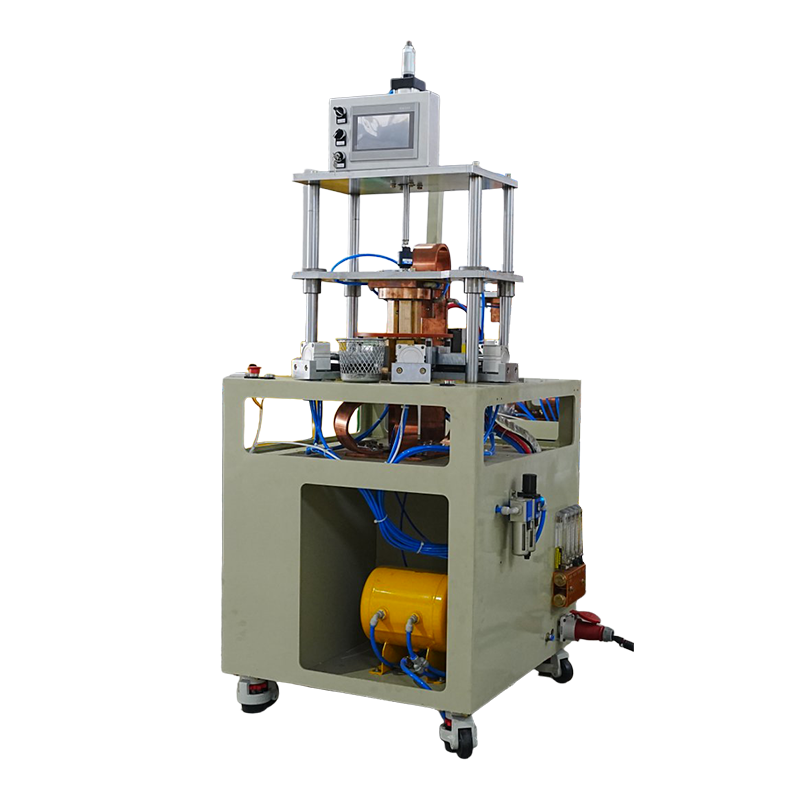
Every main structure of the 20000J capacitor discharge spot welder plays a specific role in keeping the weld stable, the current efficient, and the machine reliable over long production runs.
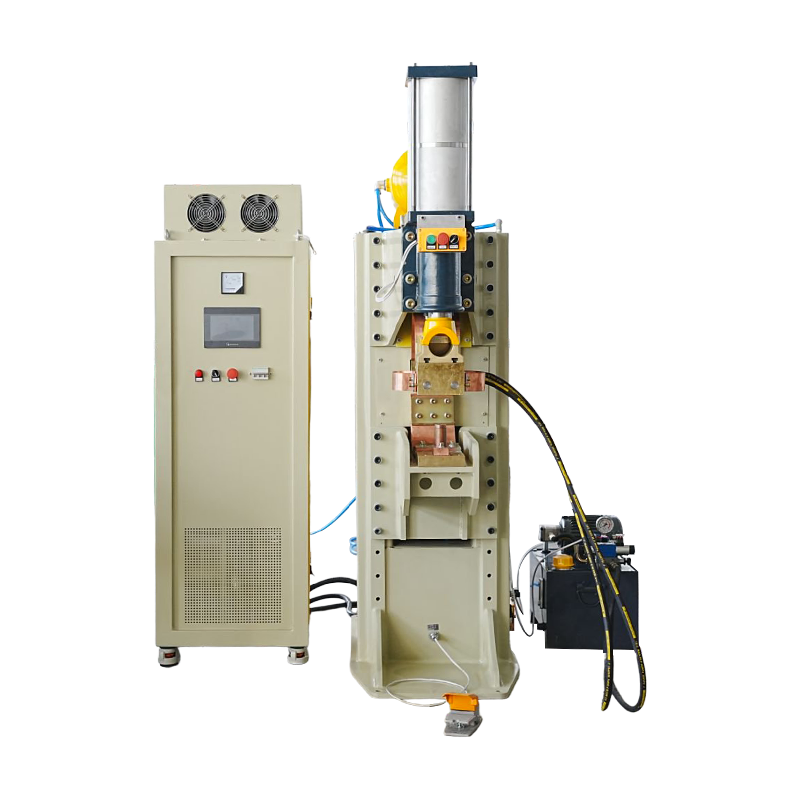
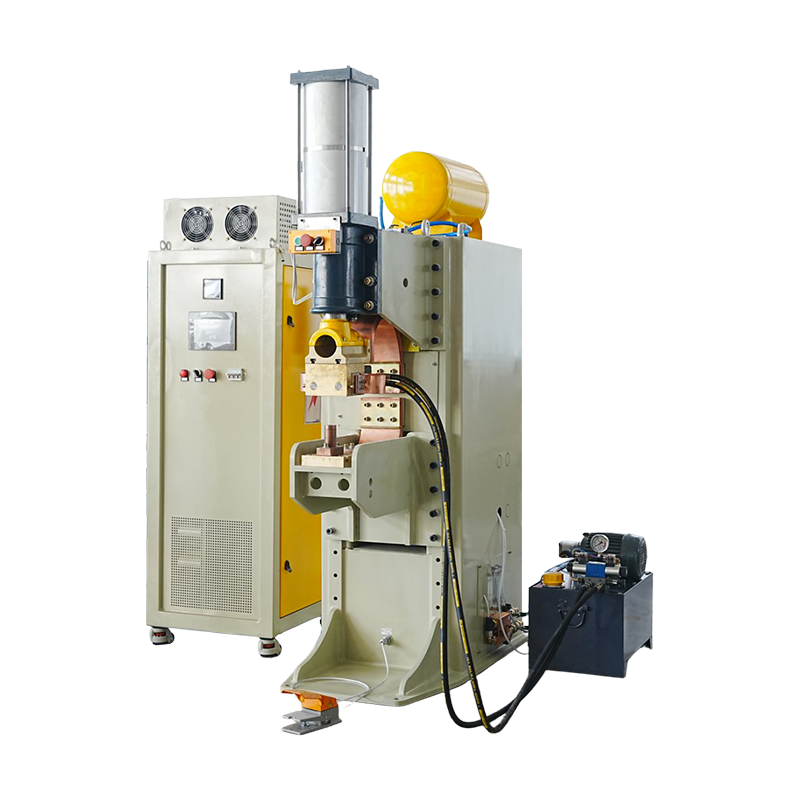
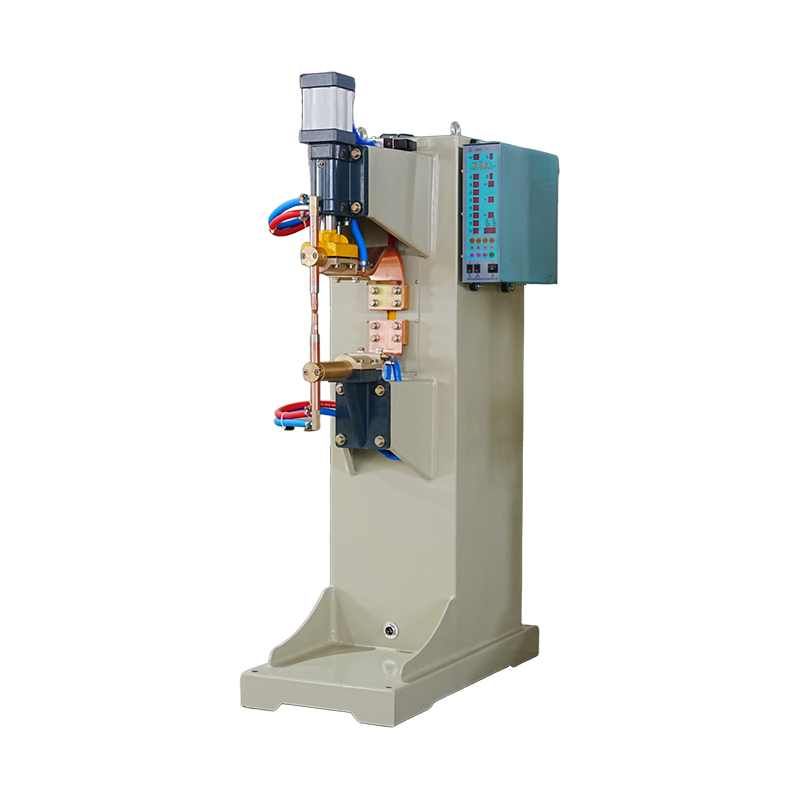
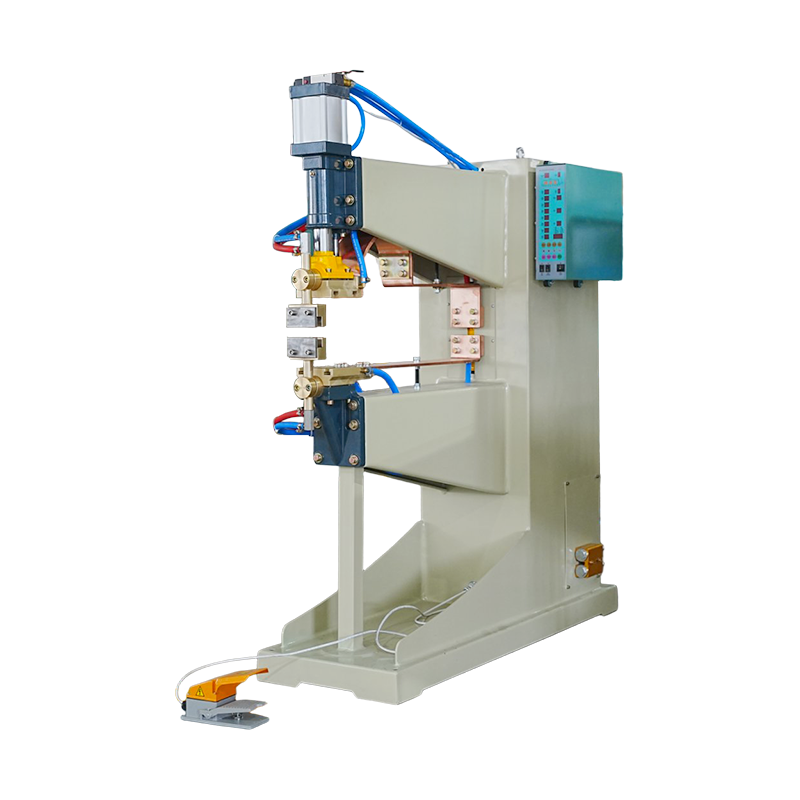
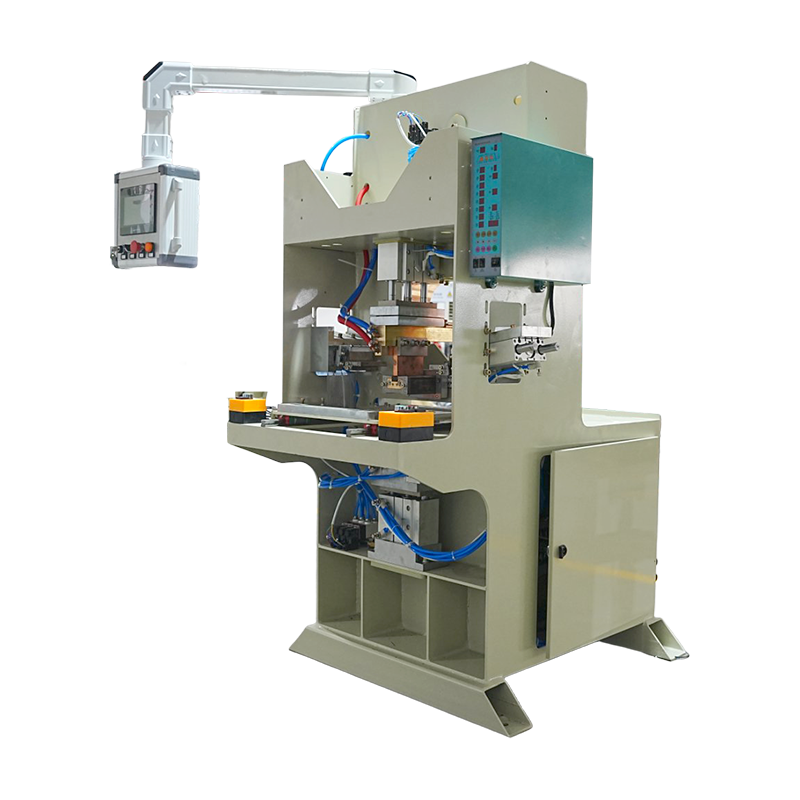
Rigid Vertical Frame Built from high-strength material, the vertical frame holds both the welding head and the workpiece in a fixed position while pressure is applied and current discharges. This rigidity cuts down on vibration, keeps the electrodes properly aligned, and helps weld quality stay consistent even during extended continuous operation.
Capacitor Energy Storage System This system stores welding energy ahead of time, then releases it in a single instant during the weld cycle. Because the discharge draws from stored capacitance rather than pulling directly from the power line, the machine can deliver a strong current pulse while placing far less strain on the incoming power supply — which keeps the whole process both more stable and more energy-efficient.
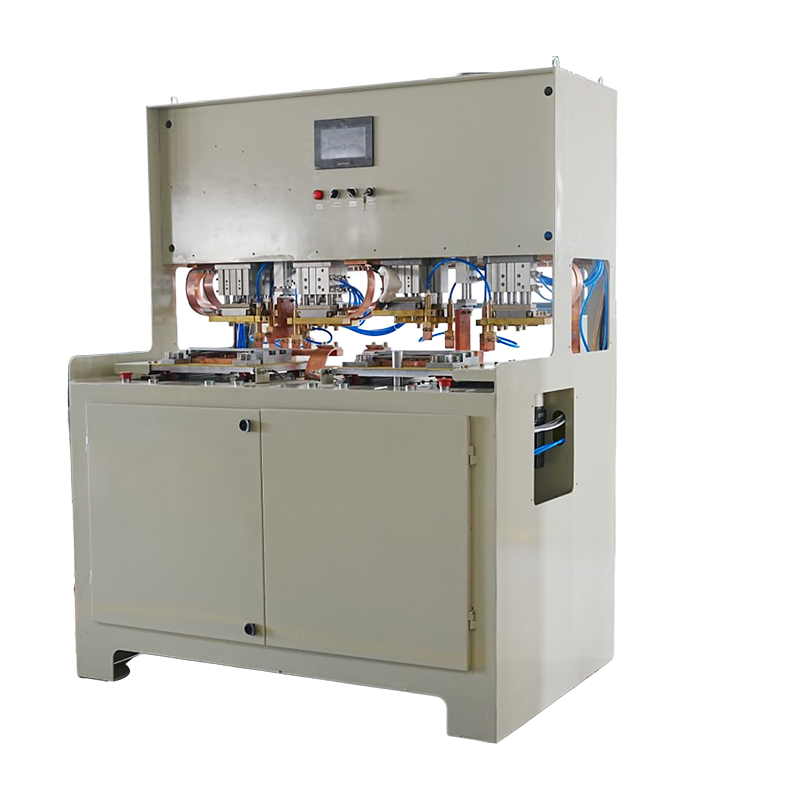
Precision Welding Head During spot and projection welding, the welding head governs how much pressure gets applied and how consistently. That pressure control directly affects nugget formation: steady, repeatable pressure means fewer weak welds and joint strength that holds up the same way across different workpieces, not just on the first few samples.
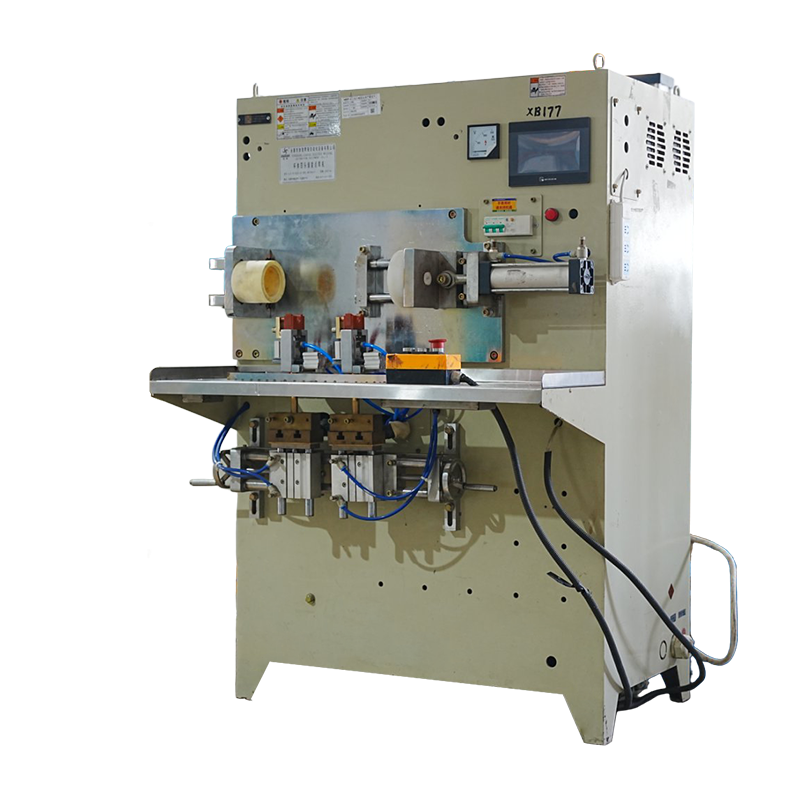
Copper Electrode and Conductive Structure Current has to travel from the machine to the actual weld point, and high-conductivity copper components are what keep that transfer efficient. Less resistive loss along the way translates into better discharge efficiency and a stronger, more complete weld at the joint.
Independent Control Cabinet Housed separately from the mechanical welding head, the control cabinet is where welding energy, pressure settings, and discharge parameters get adjusted, along with real-time monitoring of operating status. This separation gives operators the process control needed to handle different materials, thicknesses, and welding requirements without reconfiguring the whole machine.
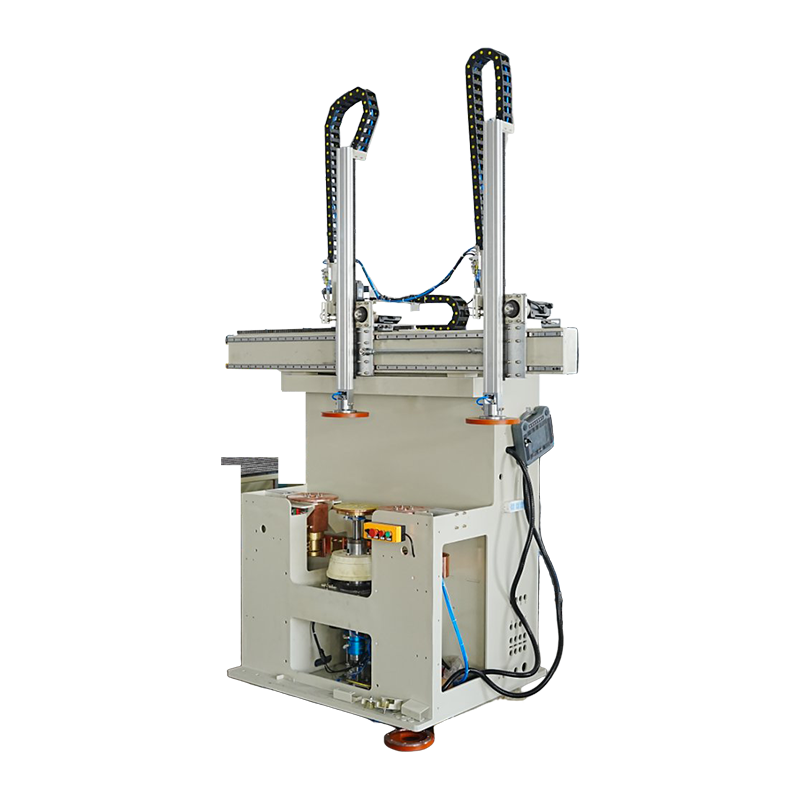
Hydraulic Power Unit Heavier welding tasks need pressure that doesn't fade partway through the cycle, and that's what the hydraulic power unit supplies. It's built for the larger components, thicker materials, and higher-force applications that lighter clamping systems simply can't hold steady.
Safety Protection System Reinforced insulation combined with a safety interlock design keeps the machine safe to operate shift after shift. In continuous industrial settings, these protections aren't an afterthought — they're what makes sustained, unattended operation practical in the first place.

 EN
EN

 English
  русский
  Français
  Español
  عربى
عربى 
 Get a Quote



 +86-15268688035
 jx12@4006796688.com
 NO.99,Huaxi Road,Chengxi New District,Yongkang city,Zhejiang China.
