
 EN
EN

 English
  русский
  Français
  Español
  عربى
عربى 
 Get a Quote
 |
|
 |
|
 |
|
 |
|
 |
|
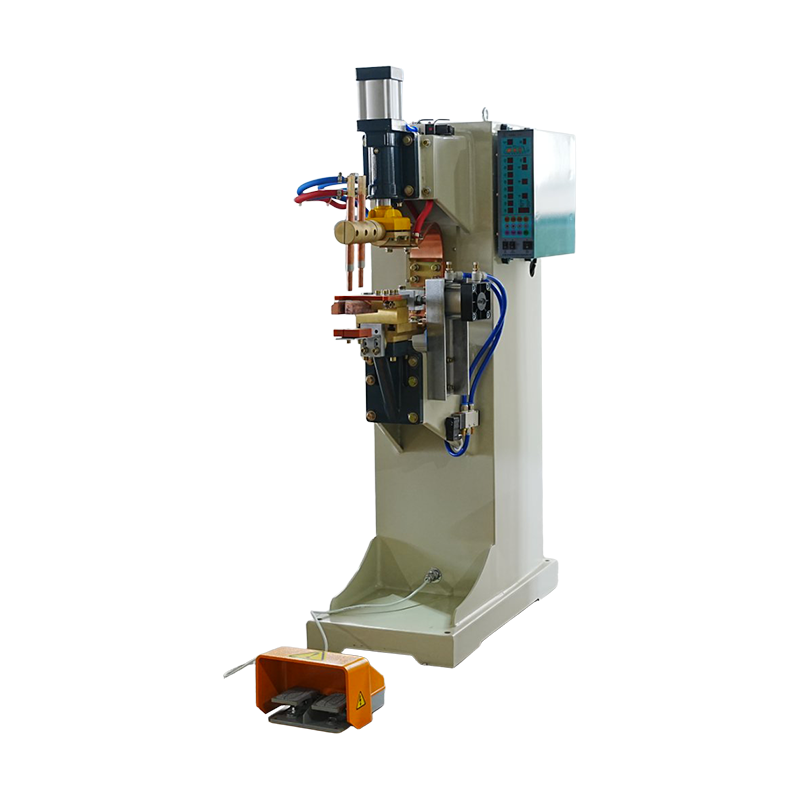 |
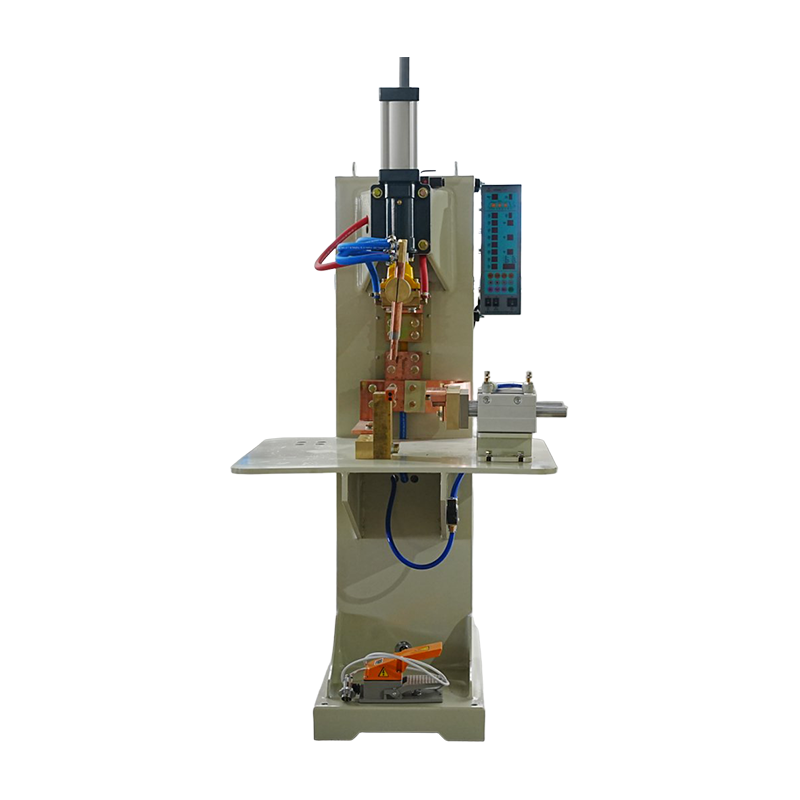
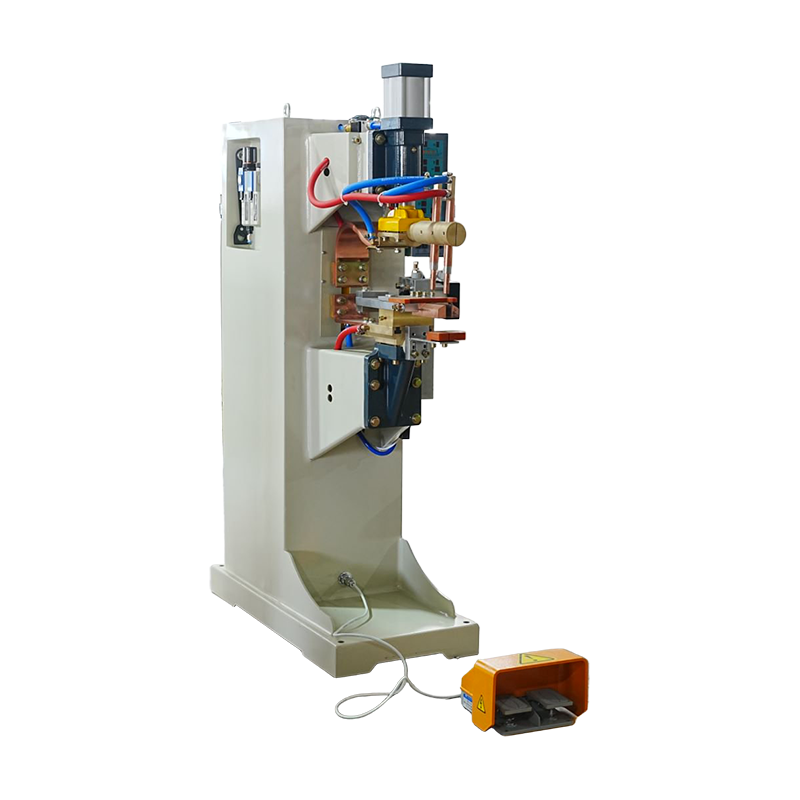
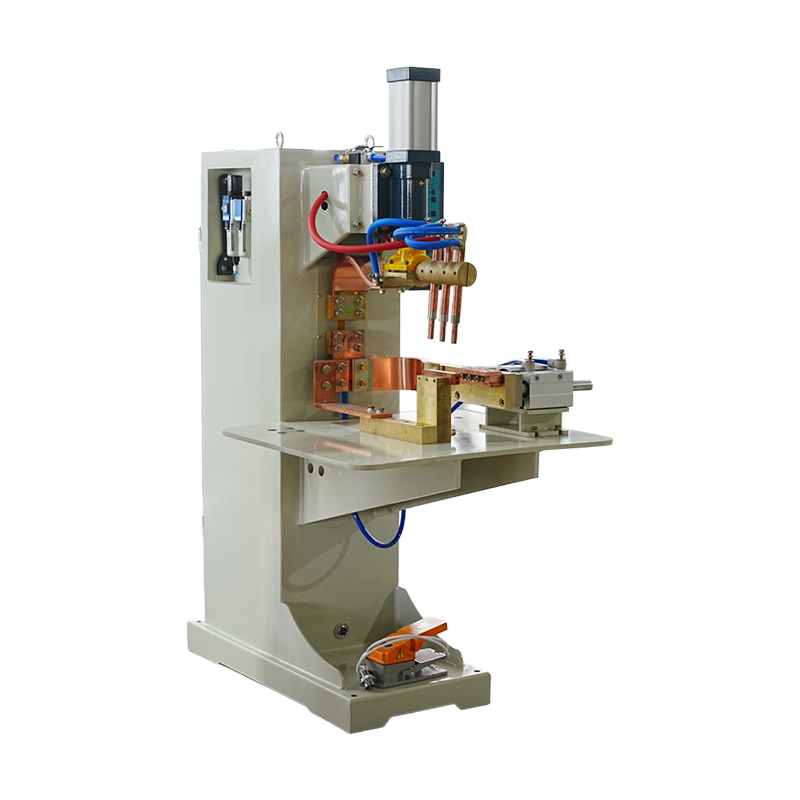
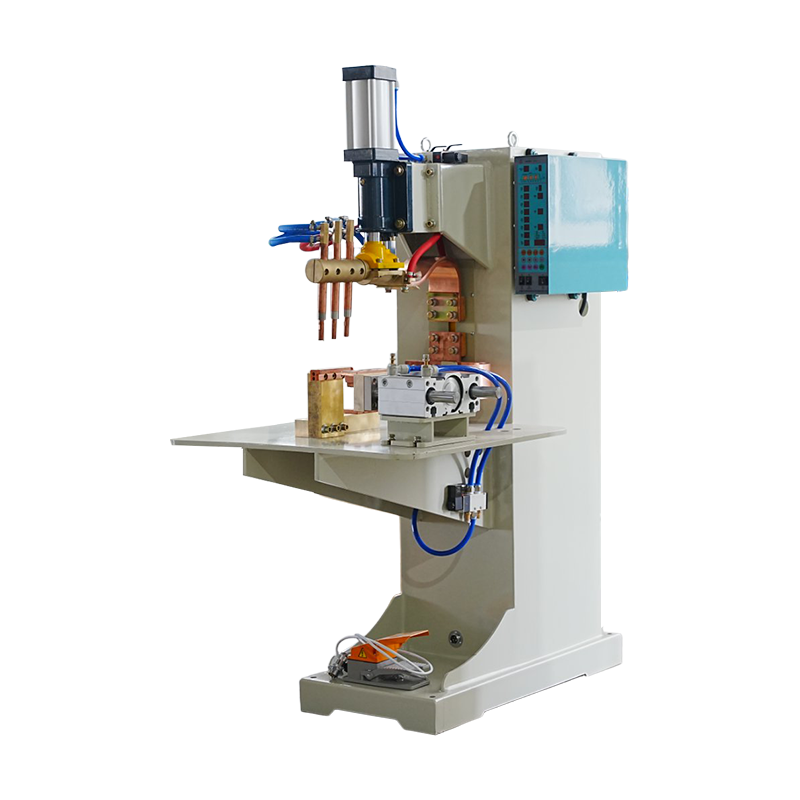
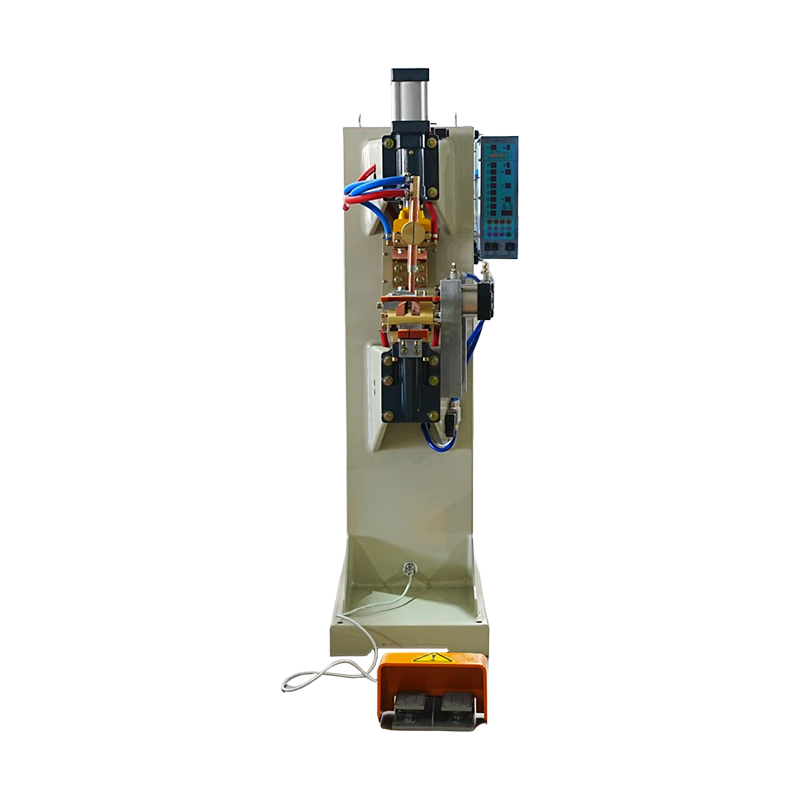
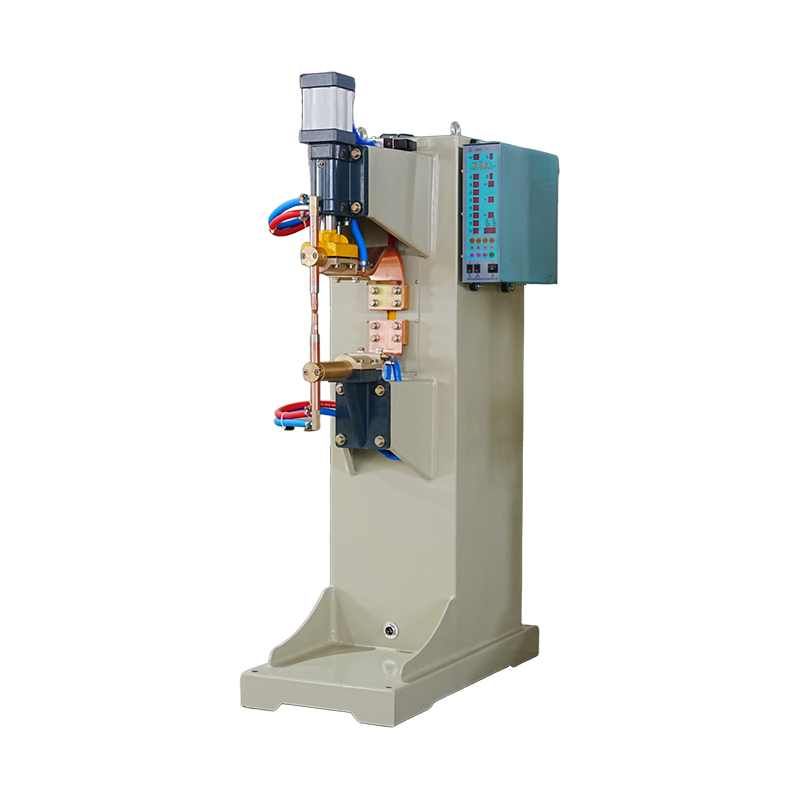
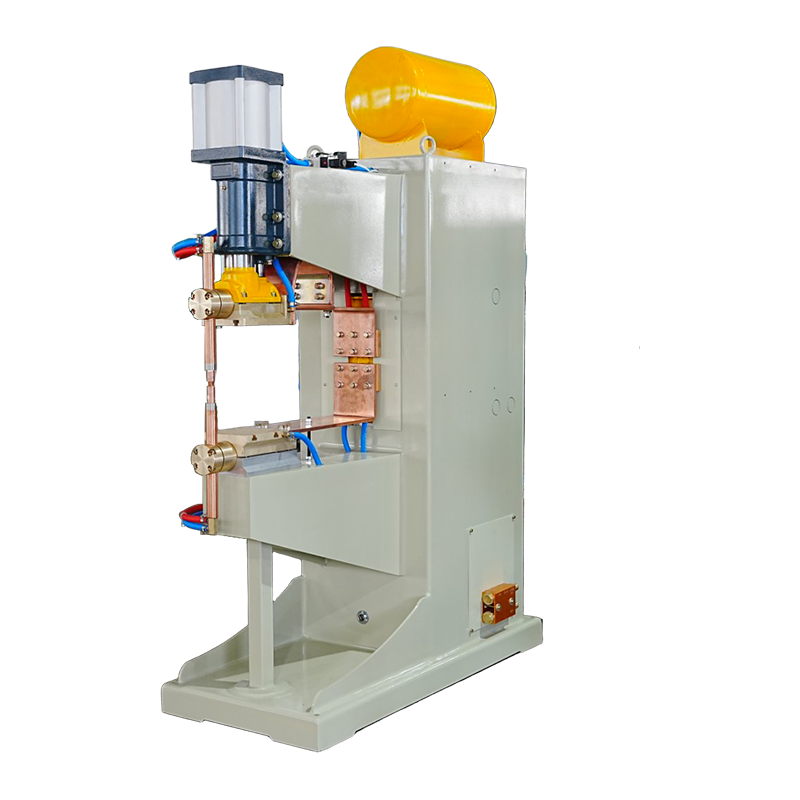
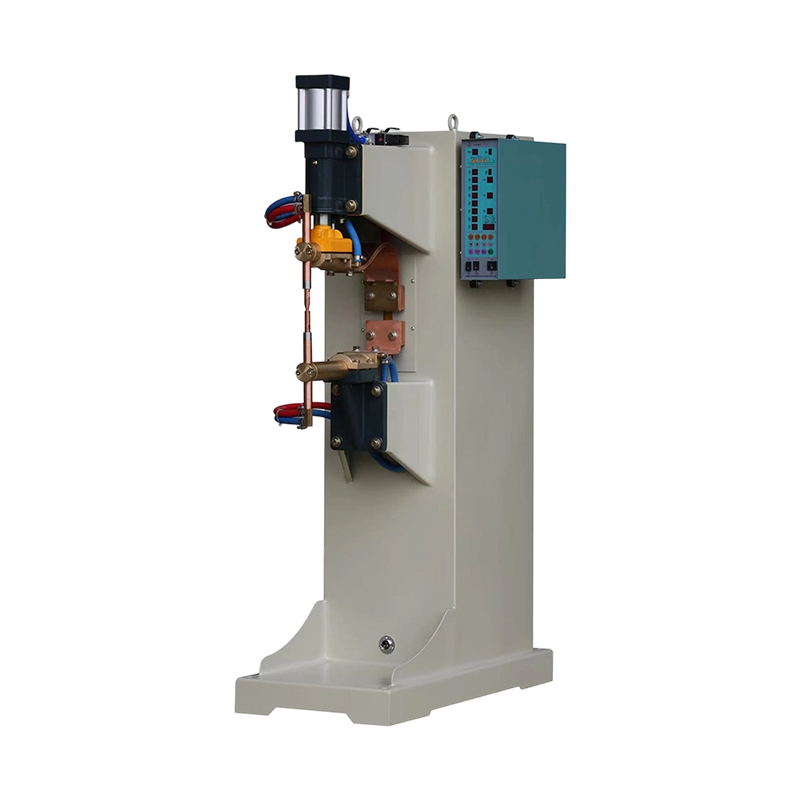
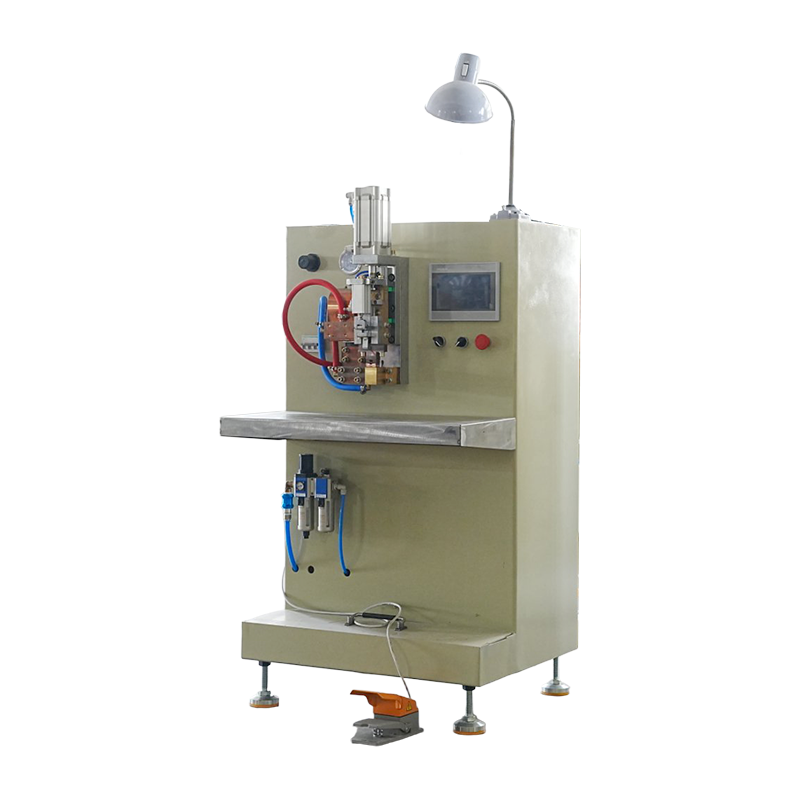
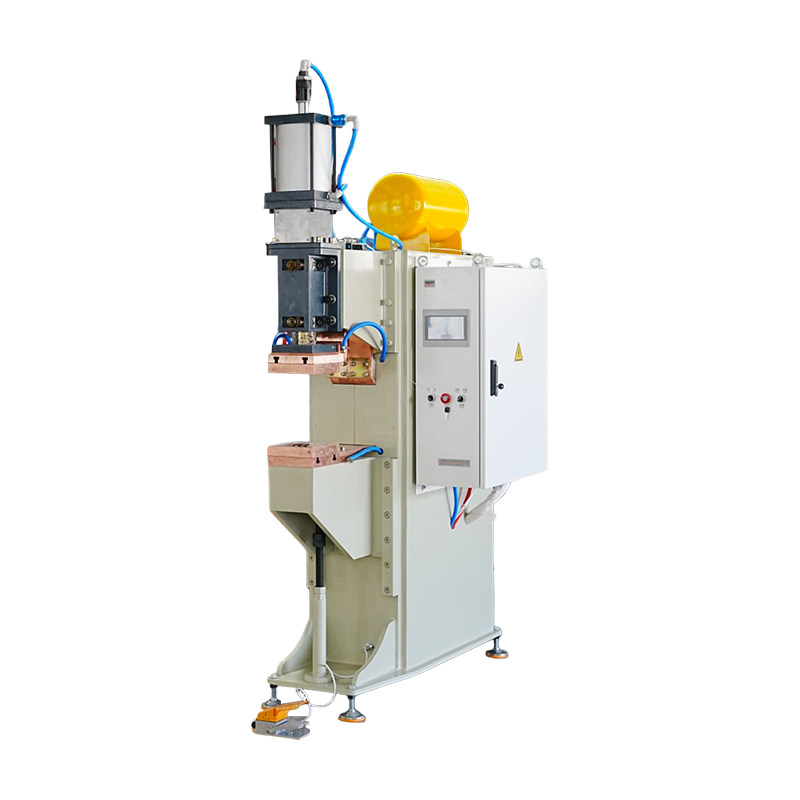
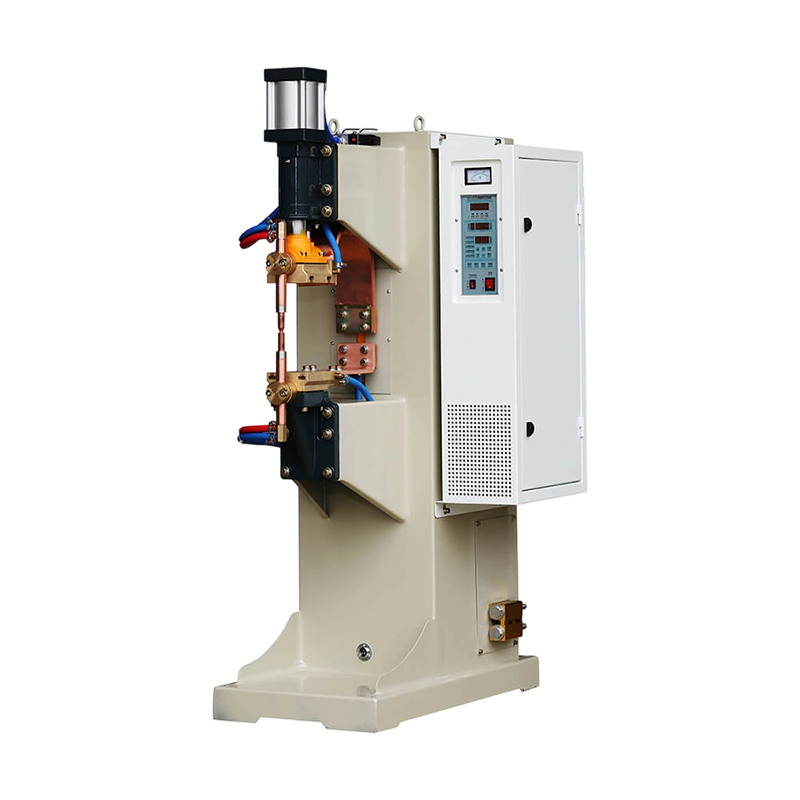
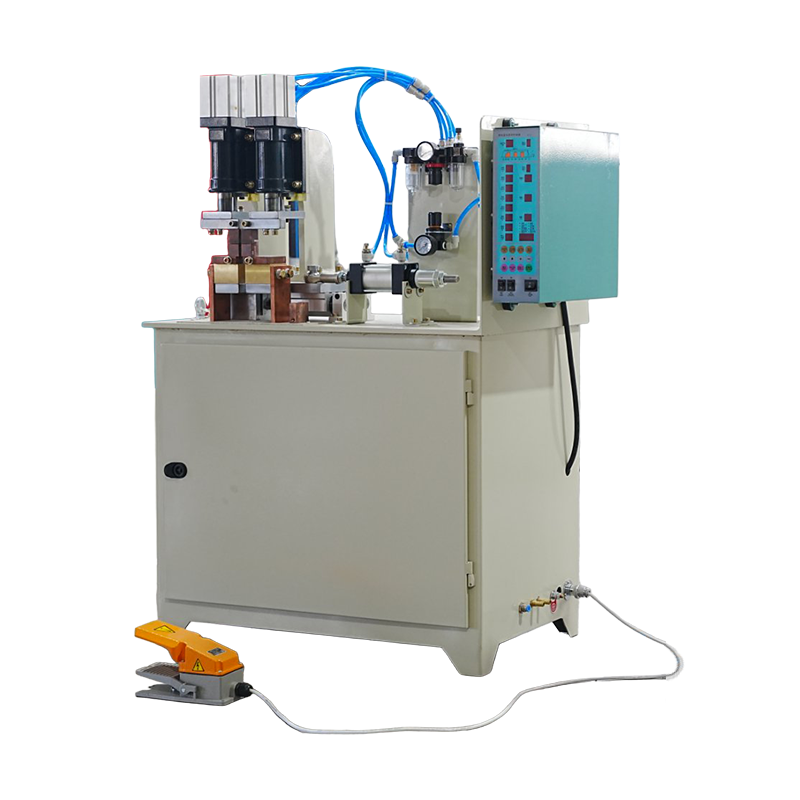
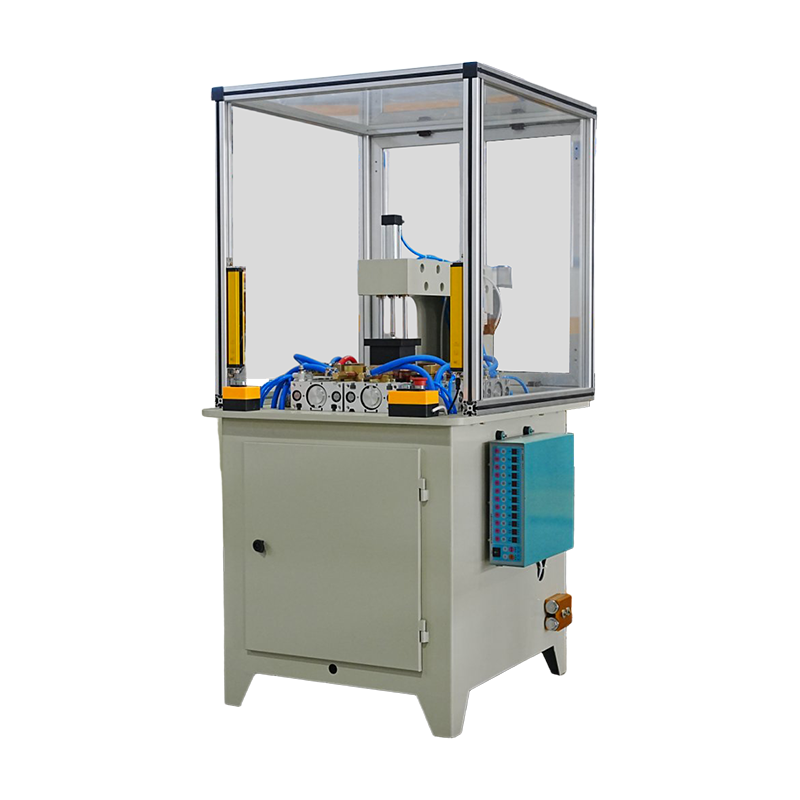
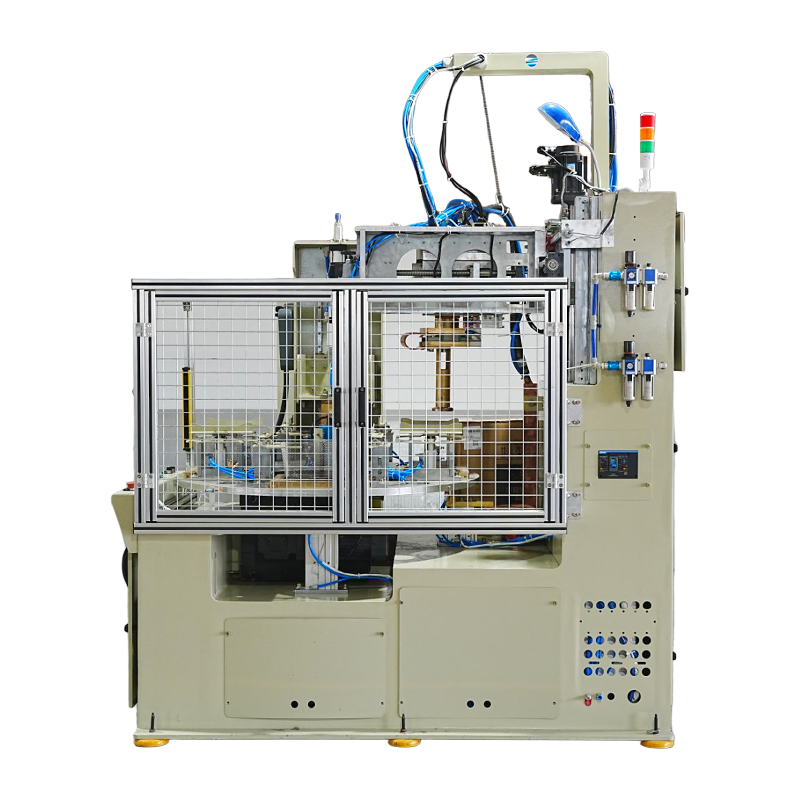
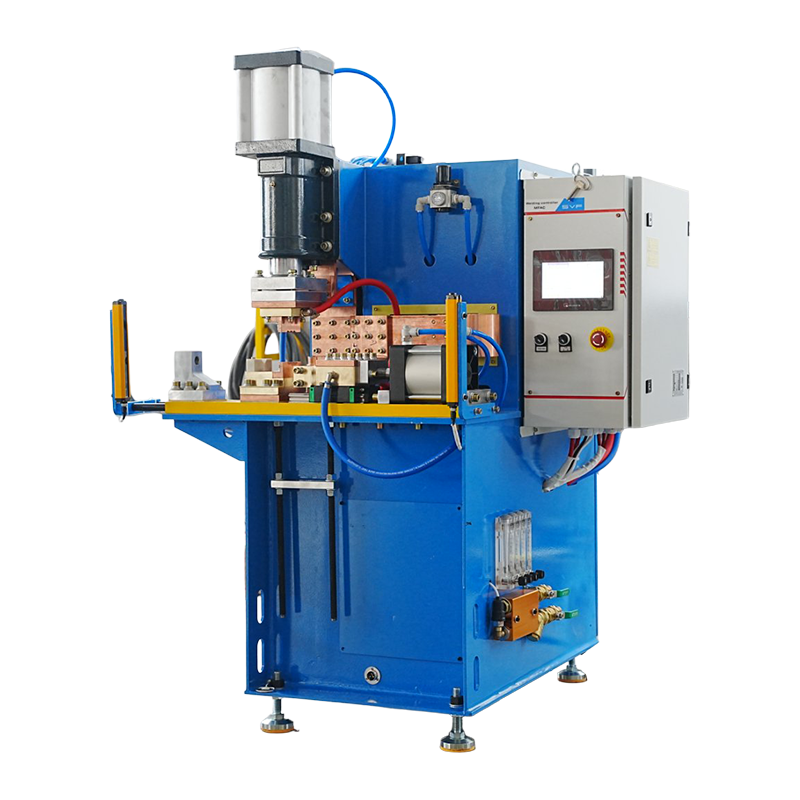
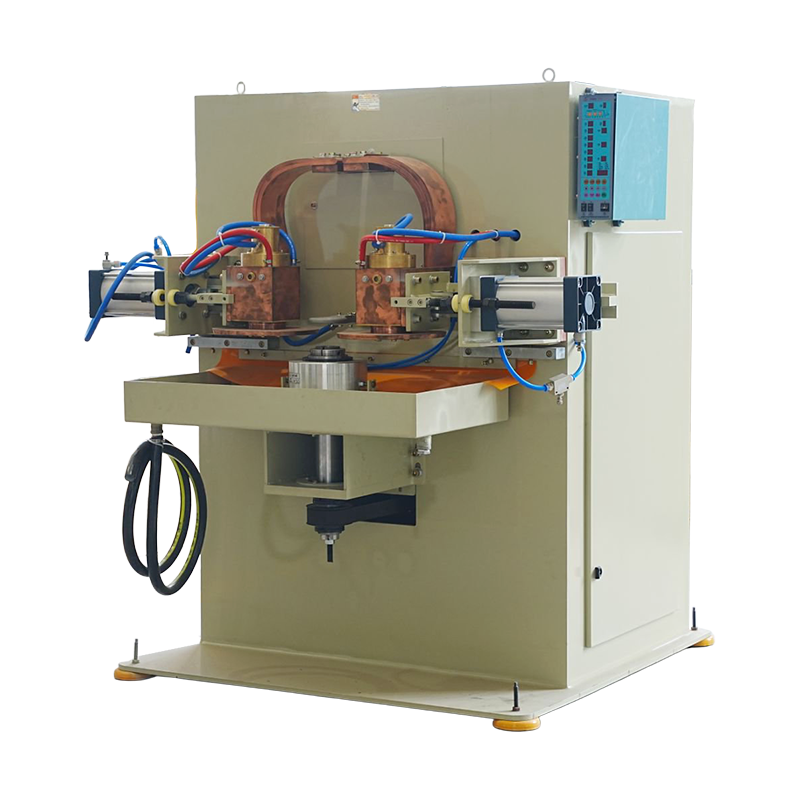
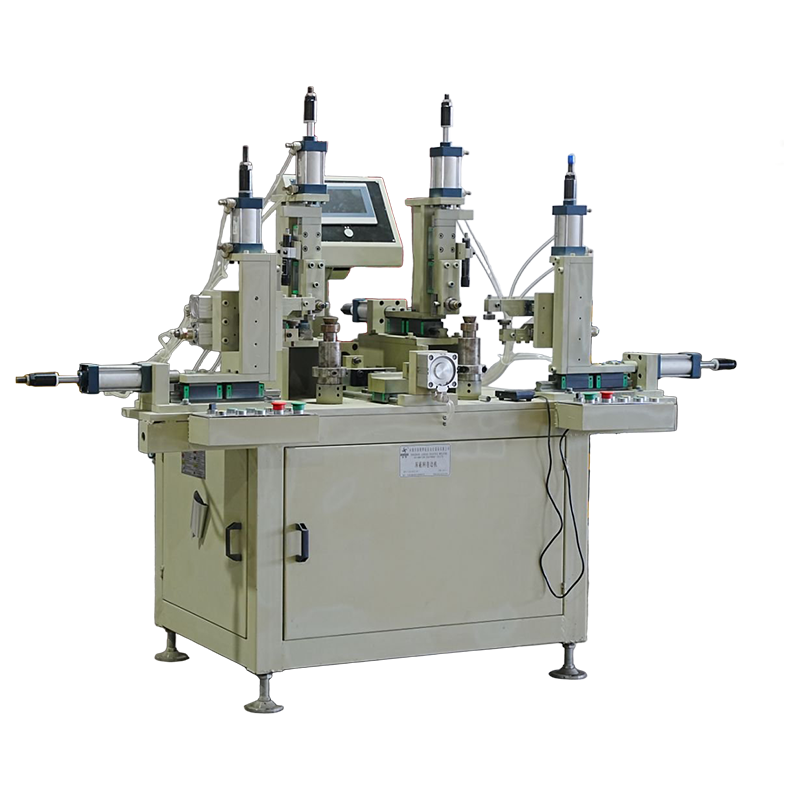
Pneumatic Spot Metal Mesh Row Welding Welding Machine
About Us
Yongkang Jiaxiao Welding Automation Equipment Co., Ltd.
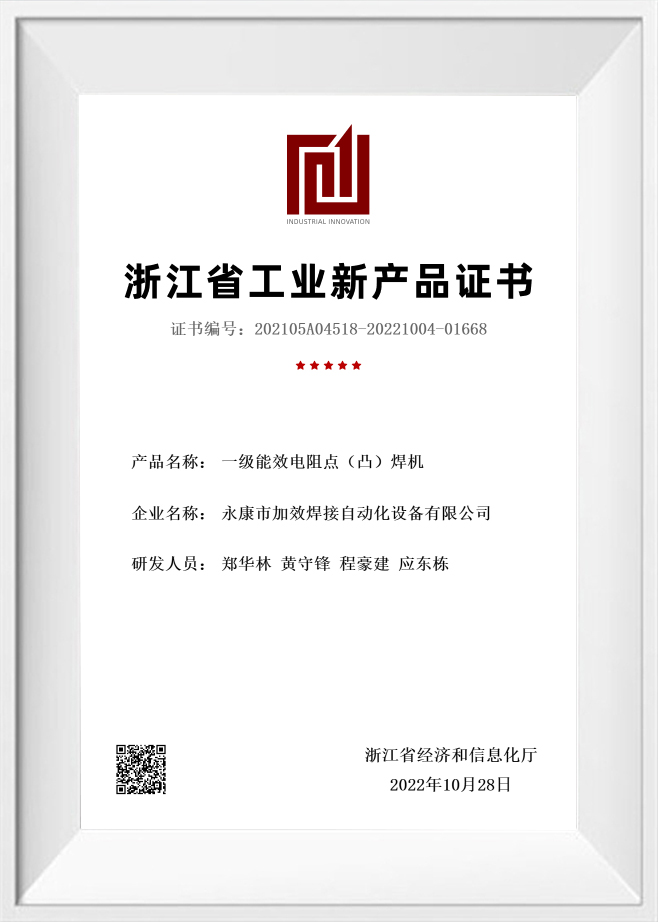
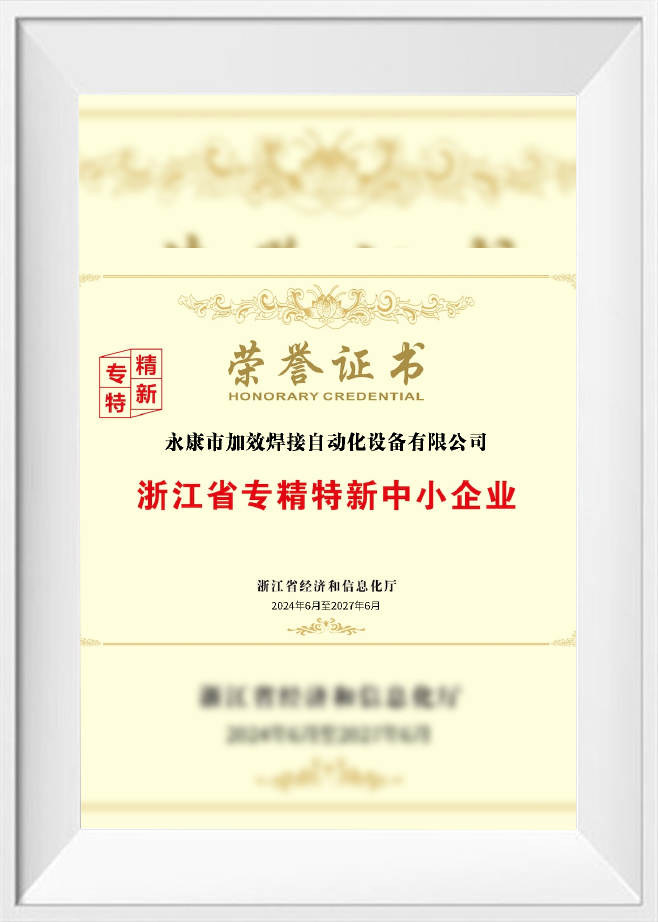
Since its establishment 30 years ago, Yongkang Jiaxiao Welding Automation Equipment Co., Ltd. has specialized in the research, development, manufacturing, sales, and service of resistance welding machines, specialized welding machines, 35KVA AC Spot Welding Machine with Special Electrodes , and automated stamping equipment for materials such as copper, aluminum, iron, and stainless steel. The wholesale AC Spot Welding Machine factory boasts a dedicated R&D team led by experts and comprised of diverse engineers. Its products have passed both the Chinese 3C and European CE certifications, and the company holds dozens of national patents. The company is a leading domestic manufacturer of resistance and automatic welding machines.
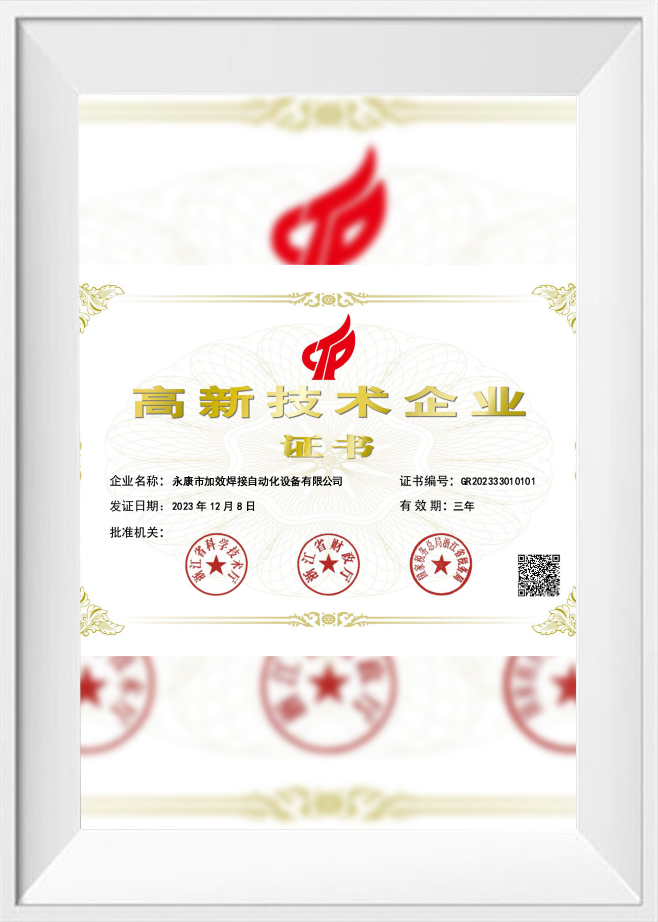
Certificate Of Honour
News



 +86-15268688035
 jx12@4006796688.com
 NO.99,Huaxi Road,Chengxi New District,Yongkang city,Zhejiang China.
Message Us Right Now!
Copyright © Yongkang Jiaxiao Welding Automation Equipment Co., Ltd. All Rights
Reserved
China Welding Equipment Manufacturer
