
 EN
EN

 English
  русский
  Français
  Español
  عربى
عربى 
 Get a Quote
Spot Welding Machine
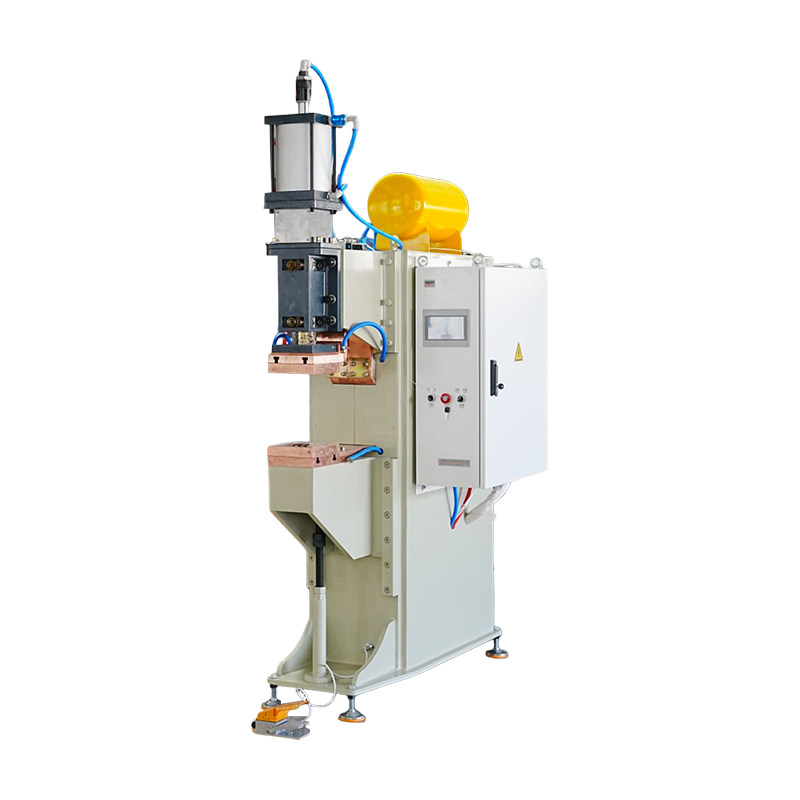
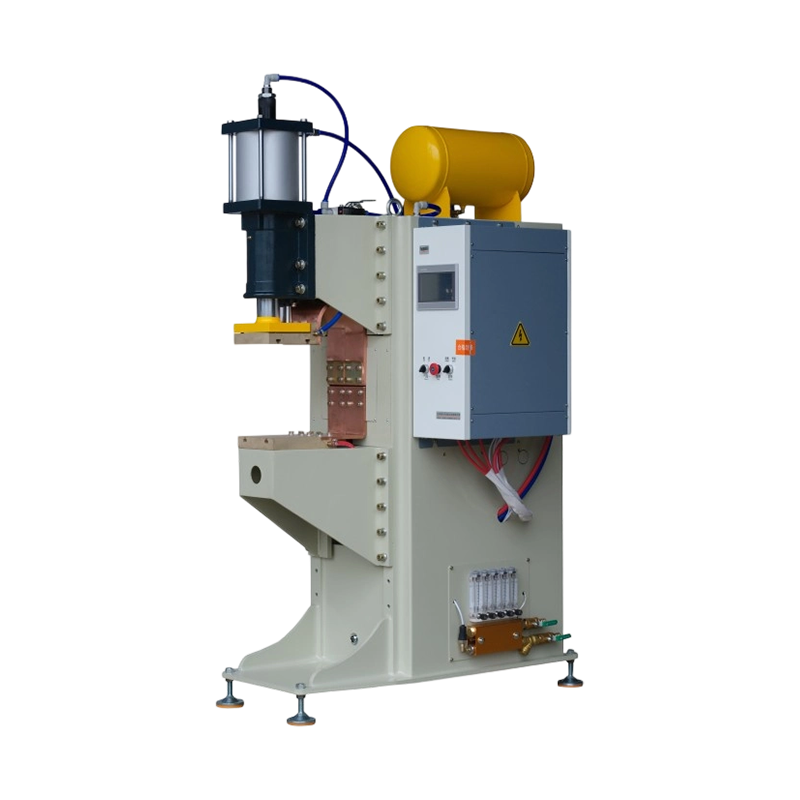
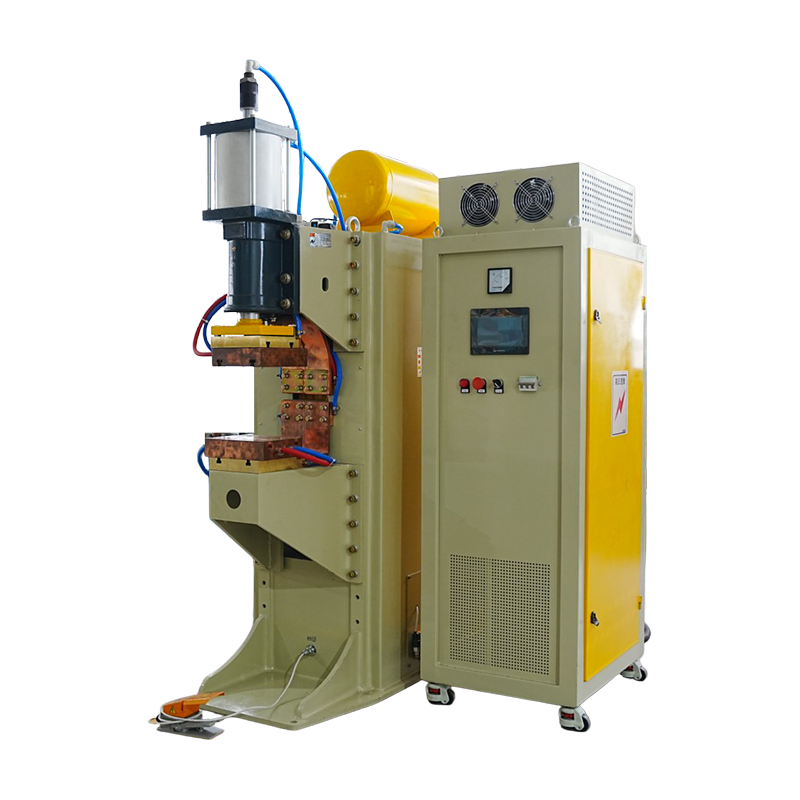
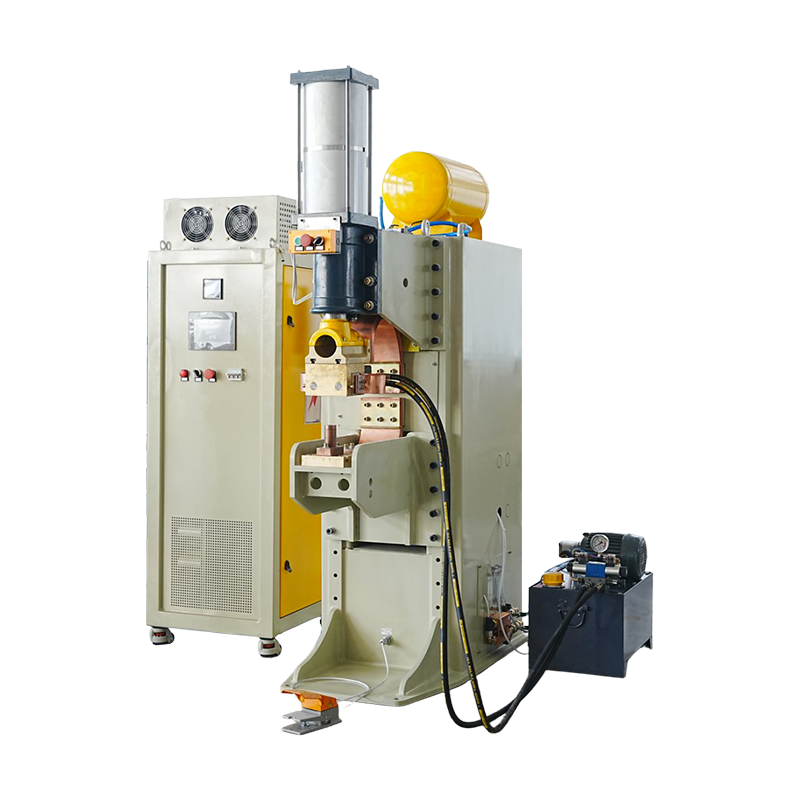
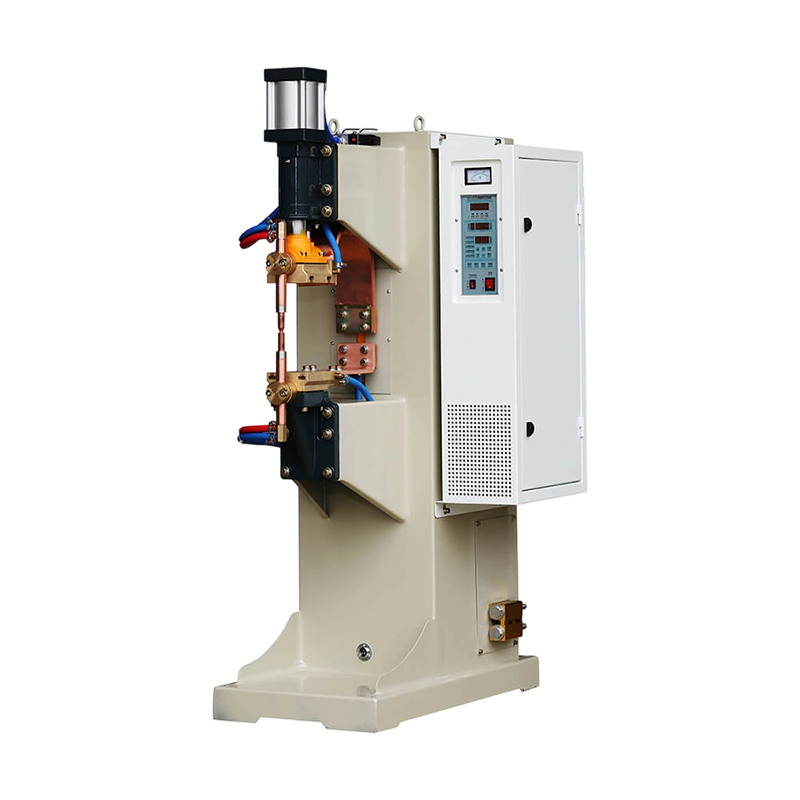
Spot welding machines use resistance heat generated by current passing through the weld area to rapidly heat metal under applied pressure and form strong weld nuggets. They feature fast welding speed, small deformation, and stable welding strength. These machines are widely used in sheet-metal fabrication, home appliances, automotive parts, and stainless-steel products. According to different power supplies and control methods, spot welding machines can be divided into power-frequency spot welding machines, medium-frequency spot welding machines, and capacitive discharge spot welding machines to meet various materials and process requirements.
About Us
Yongkang Jiaxiao Welding Automation Equipment Co., Ltd.
Since its establishment 30 years ago, Yongkang Jiaxiao Welding Automation Equipment Co., Ltd. has specialized in the research, development, manufacturing, sales, and service of resistance welding machines, specialized welding machines, Spot Welding Machine China, and automated stamping equipment for materials such as copper, aluminum, iron, and stainless steel. The Spot Welding Machine manufacturer boasts a dedicated R&D team led by experts and comprised of diverse engineers. Its products have passed both the Chinese 3C and European CE certifications, and the company holds dozens of national patents. The company is a leading domestic manufacturer of resistance and automatic welding machines.
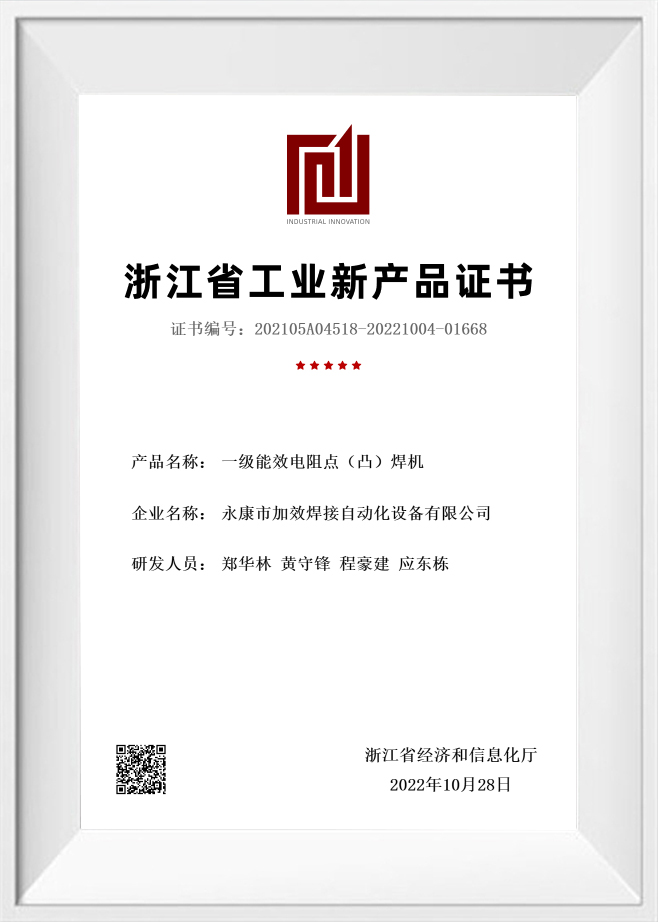
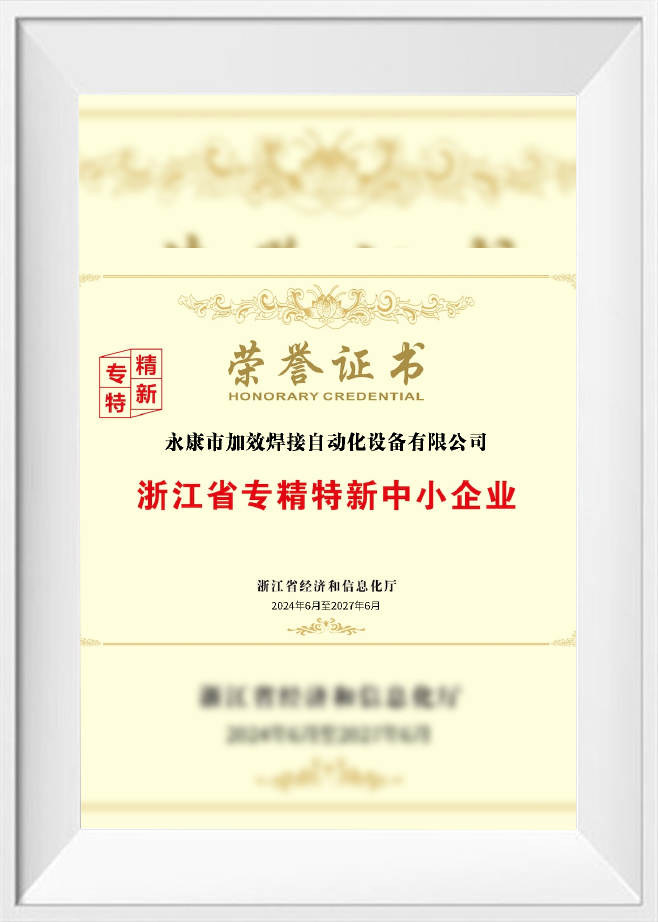
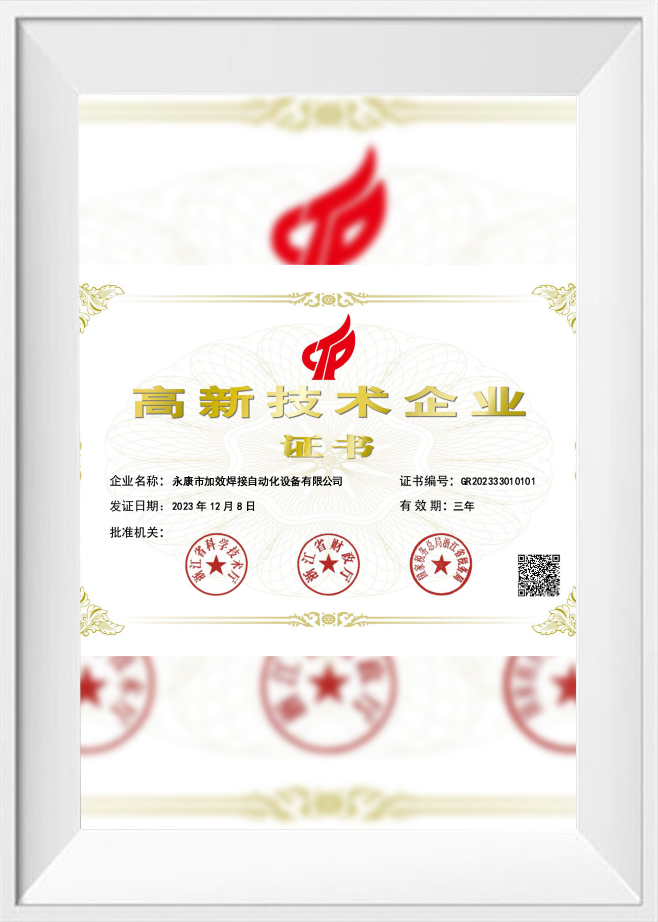
Certificate of Honour
News
Message Feedback
Spot Welding Machines for Sheet Metal, Hardware, Automotive Parts and Appliance Manufacturing
Metal manufacturing relies heavily on spot welding machines, which join overlapping metal parts by combining controlled current, resistance heat, and electrode pressure. For procurement teams, equipment distributors, OEM/ODM projects, and production engineers, settling on the right spot welding machine goes well beyond just comparing machine power. Material type, sheet thickness, weld point layout, production capacity, appearance requirements, and the automation level needed all factor into the decision.
This category page walks through how spot welding machines operate, covers the machine types commonly seen in the field, explains where they typically get used, and outlines the technical details worth confirming before making an equipment selection.
What Is a Spot Welding Machine?
A spot welding machine falls under the resistance welding category, built specifically for joining metal parts at defined points. The welding action starts with two copper electrodes pressing the workpieces firmly together. A controlled electric current then flows through the contact area, generating heat through resistance. That heat, combined with electrode pressure, forms a weld nugget right at the contact point, fusing the metal layers into one.
Spot welding shows up regularly in:
- Sheet metal joining
- Metal brackets
- Wire products
- Stamped parts
- Electrical enclosures
- Stainless steel components
- Metal frames
- Hardware fittings
- Appliance shells
- Automotive metal parts
This process fits a wide range of production environments largely because it skips the need for filler material in most cases. Once material, electrode, pressure, and current settings are properly matched, spot welding delivers stable weld strength, keeps cycle time relatively short, and leaves behind a clean joint.
Manufacturers often choose spot welding for metal products because it handles repeated weld points well, works smoothly with fixture-based positioning, and integrates without much difficulty into semi-automatic or fully automatic production systems.
Main Types of Spot Welding Machines
Different spot welding machines get built around different materials, workpiece structures, precision demands, and production methods. Getting a handle on these differences helps technical teams steer clear of underpowered machines on one end, or unnecessarily complex equipment on the other.
AC Spot Welding Machine
An AC spot welding machine runs on alternating current and typically handles general sheet metal, low-carbon steel, iron parts, and hardware components.
Typical features include:
- Practical structure
- Easy operation
- Suitable for many general metal parts
- Commonly used in workshops and production lines
- Cost-effective for standard welding tasks
You'll find this machine type frequently used for sheet metal products, brackets, cabinets, wire frames, and hardware assemblies — cases where the weld needs to be reliable without being highly specialized.
Medium Frequency Spot Welding Machine
A medium frequency spot welding machine, sometimes referred to as an MFDC spot welder, relies on inverter control to deliver more stable current output. This makes it a good fit for applications that demand better welding consistency, lower heat influence, and tighter energy control.
Common applications include:
- Automotive parts
- Stainless steel components
- Galvanized sheet metal
- Appliance parts
- Precision stamped parts
- Multi-point welding systems
When measured against traditional AC welding, medium frequency welding tends to offer stronger current control, which is why it often gets chosen for jobs demanding higher consistency or for automated welding stations.
Capacitor Discharge Spot Welding Machine
A capacitor discharge spot welding machine works by storing energy in capacitors, then releasing that energy rapidly during the welding action. It is well suited for products that need short welding times and minimal heat spread.
Typical applications include:
- Precision metal parts
- Thin sheet components
- Electrical contacts
- Small hardware parts
- Battery connection tabs, depending on process requirements
- Copper or brass components under suitable conditions
This machine type earns its place whenever heat control, small weld marks, and fast energy release matter to the final product.
Pneumatic Spot Welding Machine
A pneumatic spot welding machine uses air pressure to manage electrode movement and welding pressure. Set against foot-operated machines, pneumatic models deliver noticeably more consistent electrode force.
It works well for:
- Repeated production
- Medium-volume manufacturing
- Sheet metal parts
- Hardware fittings
- Appliance components
- Stainless steel products
Because pneumatic pressure control takes the guesswork out of electrode force, it helps cut down on operator-to-operator variation and improves repeatability across production runs.
Pedal Spot Welding Machine
A pedal spot welding machine typically runs on foot pedal operation. This fits simple welding tasks, small production batches, repair work, or products that call for flexible manual positioning.
Common uses include:
- Small sheet metal parts
- Metal clips
- Light hardware
- Simple brackets
- Sample welding
- Workshop maintenance tasks
When production volume stays modest and workpiece positioning can be managed by hand, this machine type turns out to be a practical fit.
Automatic Spot Welding Machine
An automatic spot welding machine brings welding together with automatic feeding, fixture positioning, indexing, clamping, or unloading. This setup gets used regularly when products need repeated weld positions, higher output, or less manual handling overall.
Typical configurations include:
- Automatic feeding
- Multi-point welding
- Rotary indexing table
- Servo positioning
- PLC control
- Touchscreen parameter setting
- Safety enclosure
- Robot or conveyor integration
Automatic spot welding shows up often across automotive parts, appliance components, metal frames, wire products, and metal assemblies that demand high repeatability.
Projection Welding Machine
A projection welding machine stands apart as a specialized resistance welding machine, built for parts that carry raised projections or designed contact points. Rather than welding across a flat overlap area, current gets concentrated right at the projection.
Common applications include:
- Nut welding
- Stud welding
- Bracket welding
- Stamped metal parts
- Automotive fastener components
- Electrical metal fittings
Projection welding proves useful whenever weld position control, fastener attachment, or several small weld points need to be handled precisely.
Common Applications of Spot Welding Machines
Spot welding machines show up across a broad spread of metal product industries, and the requirements shift from one application to the next — weld strength, appearance standards, deformation control, and how fast the line needs to move all play a part.
Automotive Parts
Brackets, clips, stamped parts, seat components, wire parts, nuts, small assemblies — automotive production runs through spot welding on all of these. What tends to matter most here is weld strength that holds up consistently, positioning that repeats reliably, and process control that does not drift over long runs.
Suitable equipment may include:
- Medium frequency spot welding machines
- Projection welding machines
- Multi-point welding systems
- Customized automatic spot welding stations
Home Appliances and Electrical Enclosures
Sheet metal joining for appliance shells, internal brackets, panels, and electrical enclosures relies heavily on spot welding. Because a lot of these parts end up visible or need to fit together precisely during assembly, appearance and deformation control move higher up the priority list.
Common equipment includes:
- AC spot welding machines
- Pneumatic spot welding machines
- Medium frequency spot welding machines
- Semi-automatic welding fixtures
Stainless Steel Kitchenware
Cookware, kitchen racks, shelves, handles, containers made of stainless steel — clean weld appearance and tightly managed heat input matter a lot in this space. Push the heat too far and you end up with marks, warping, or surface discoloration that ruins the finish.
Suitable equipment may include:
- Medium frequency spot welding machines
- Capacitor discharge spot welding machines
- Pneumatic spot welding machines
- Custom electrode fixtures
Sheet Metal and Metal Cabinets
Cabinets, housings, covers, panels, enclosures — these products often need a whole series of weld points spaced consistently. Depending on size, the workpiece might demand deeper throat depth, longer electrode reach, or a fixture built specifically for the job.
Common solutions include:
- Stationary spot welding machines
- Pneumatic spot welders
- Custom-arm spot welding machines
- Multi-point welding equipment
Hardware and Metal Furniture
Hinges, brackets, chair frames, shelves, table frames, and other hardware or furniture components need welds that hold firm while keeping production moving at a reasonable pace.
Suitable equipment may include:
- AC spot welding machines
- Pneumatic spot welding machines
- Projection welding machines
- Customized multi-station welding systems
Office Supplies and Wire Products
Pen holders, memo boxes, wire baskets, file racks, organizer components — this category runs through wire-to-wire, wire-to-sheet, and sheet-to-sheet joining, all handled through spot welding.
Suitable solutions include:
- Spot welding machines
- Multi-point welding fixtures
- Automatic wire product welding systems
- Forming and welding integrated machines
Precision Metal Parts and Battery Connection Components
Thin conductive parts, small connectors, contact pieces, battery-related metal tabs — these need energy input kept under tight control, with heat influence limited as much as possible.
Possible equipment options include:
- Capacitor discharge spot welding machines
- Medium frequency spot welding machines
- Precision pneumatic spot welders
- Custom fixtures for small parts
Which equipment actually fits best comes down to the material combination involved, thickness, conductivity, and how much weld strength the finished part needs to carry.
How to Choose the Right Spot Welding Machine
Choosing the right spot welding machine requires both product analysis and production planning. A suitable machine should match the material, weld point design, output target, and workshop conditions.
Key selection factors include:
- Material type
- Sheet thickness or wire diameter
- Number of weld points
- Weld point spacing
- Product size and shape
- Distance from edge to weld point
- Welding strength requirement
- Appearance requirement
- Single-point or multi-point welding
- Manual, pneumatic, semi-automatic, or automatic operation
- Required production capacity
- Factory power supply
- Cooling method
- Electrode structure
- Fixture requirement
- Maintenance cost
- Future product change possibility
General Selection Guide
| Production Requirement | Suggested Machine Type |
|---|---|
| General sheet metal welding | AC spot welding machine |
| Stable repeated welding | Pneumatic spot welding machine |
| Higher weld consistency | Medium frequency spot welding machine |
| Thin parts or low heat influence | Capacitor discharge spot welding machine |
| Nut, stud, or raised-point welding | Projection welding machine |
| Multiple weld points per part | Multi-point spot welding machine |
| High-volume repeated production | Automatic spot welding machine |
| Special product structure | Customized spot welding automation |
This table is only a starting point. Final selection should be based on actual drawings, materials, thickness, weld strength, and production conditions.
Manual, Pneumatic, and Automatic Spot Welding Solutions
Spot welding equipment comes in several automation levels, and picking the right one hinges on product complexity, production volume, how labor is arranged on the floor, and how tight the consistency requirements are.
Manual Spot Welding Machines
Manual machines fit well into flexible production settings — think product samples, simple components, and small batches. They are straightforward to operate and can handle a variety of parts with nothing more than basic tooling.
They are commonly used for:
- Repair work
- Sample making
- Small hardware
- Simple sheet metal parts
- Low-volume production
Pneumatic Spot Welding Machines
Pneumatic machines rely on air pressure to control electrode force, which keeps welding pressure noticeably more stable than manual pressing and cuts down on variation between operators.
They are suitable for:
- Repeated production
- Medium-volume manufacturing
- Stainless steel parts
- Hardware fittings
- Appliance components
- Sheet metal parts
Semi-Automatic Spot Welding Machines
Semi-automatic machines often bring in pneumatic clamping, dedicated fixtures, PLC control, or programmed welding sequences. Operators still handle loading and unloading, but the welding cycle itself runs under much tighter control.
They are suitable for:
- Products with fixed weld positions
- Medium to high production volume
- Parts requiring fixture positioning
- Multi-point welding with manual loading
Automatic Spot Welding Machines
Automatic systems can pull together feeding, indexing, positioning, welding, unloading, and safety control into one workflow. These get chosen when stable mass production, multiple weld points, and minimal manual handling top the list of priorities.
Typical features include:
- Automatic feeding
- Multi-station welding
- Rotary table
- Servo positioning
- PLC control
- Touchscreen operation
- Robot interface
- Conveyor connection
- Safety enclosure
When consistency, cycle time, and production rhythm sit at the center of the decision, automatic solutions tend to be the natural fit.
Key Components That Affect Welding Quality
Spot welding quality comes down to more than just machine power. The core components inside the system have a direct hand in current stability, electrode pressure, how consistent each weld point turns out, and how easy the machine is to maintain over time.
- Welding Transformer The welding transformer supplies the current that drives the weld. Its capacity needs to line up with material thickness, weld area, and duty cycle. Go underpowered, and welds come out weak; oversize it, and you are paying for cost and power demand you do not actually need.
- Welding Controller The welding controller handles welding current, welding time, pulse settings, and pressure sequencing. When the controller runs stable, weld quality stays repeatable across different products and across different production batches.
- Copper Electrodes Copper electrodes carry both current and pressure into the workpiece. Electrode shape, material choice, surface condition, and how well they are cooled all shape weld nugget formation, surface marks left behind, and how long the electrodes last in service.
- Pneumatic Cylinder The pneumatic cylinder governs electrode movement and pressing force. Keeping that pressure stable cuts down on weak welds, splash, excessive indentation, and weld strength that swings from one part to the next.
- Fixture A fixture holds the workpiece in place before welding starts. Well-designed fixtures cut down on part movement, weld offset, and operator-to-operator variation — this matters even more for multi-point or irregularly shaped products.
- Cooling System Cooling protects electrodes, transformers, cables, and other conductive parts through continuous production runs. When cooling falls short, electrode wear speeds up and welding stability starts to suffer.
- Conductive Copper Parts Copper arms, connectors, holders, and flexible copper strips all play a role in how current gets transmitted through the machine. Loose or worn conductive parts tend to bring heat loss, unstable current, or weld results that are not consistent.
- Machine Frame A rigid machine frame carries welding pressure and keeps everything aligned. For large parts or high-pressure welding jobs, frame stability becomes essential for keeping electrode contact repeatable weld after weld.
Common Spot Welding Quality Problems and Improvement Methods
Spot welding problems usually come from incorrect parameters, poor electrode condition, unstable pressure, surface contamination, or inaccurate positioning. The table below summarizes common issues and practical improvement directions.
| Quality Problem | Possible Cause | Improvement Direction |
|---|---|---|
| Weak weld | Low current, short welding time, low pressure, dirty surface | Increase current or time, clean material, check pressure |
| Burn mark | Excessive current, long welding time, poor electrode shape | Reduce heat input, dress electrode, improve cooling |
| Excessive indentation | Too much pressure, small electrode tip, high heat | Adjust pressure, increase electrode contact area |
| Splash | High current, poor surface condition, unstable pressure | Adjust parameters, clean surface, stabilize clamping |
| Unstable weld nugget | Current fluctuation, electrode wear, poor fixture positioning | Check controller, dress electrode, improve fixture |
| Sheet deformation | Excessive heat, poor clamping, thin material | Reduce welding time, improve fixture, use suitable electrode |
| Electrode sticking | Surface coating, overheating, insufficient cooling | Improve cooling, clean surface, select proper electrode |
| Uneven welding strength | Inconsistent pressure, part gap, electrode misalignment | Adjust fixture, align electrodes, check pneumatic system |
Process optimization usually starts with current, time, pressure, electrode condition, and part positioning. For coated materials, electrode maintenance and surface consistency are especially important.
Information Purchasers Should Provide Before Quotation
Accurate technical information helps the manufacturer recommend a suitable spot welding machine model, transformer capacity, controller configuration, electrode structure, fixture design, and automation level.
Useful information includes:
- Product drawings
- Sample photos or videos
- Material type
- Material thickness
- Surface coating or plating
- Product dimensions
- Weld point position
- Number of weld points
- Weld point spacing
- Required weld strength
- Appearance requirements
- Whether deformation control is important
- Required production capacity
- Manual, pneumatic, semi-automatic, or automatic preference
- Whether automatic feeding is needed
- Whether multi-station welding is needed
- Factory voltage and frequency
- Compressed air condition
- Cooling water condition
- Available workshop space
- Estimated project budget
- Target delivery schedule
For automated spot welding projects, videos of the current production process are helpful. They allow engineers to understand loading actions, positioning difficulties, cycle time, and possible automation layout.
FAQ
- 1. What materials can a spot welding machine weld? Spot welding machines are commonly used for low-carbon steel, stainless steel, galvanized steel, iron sheet, cold-rolled steel, nickel-plated steel, and some copper, brass, or aluminum parts under suitable process conditions. Final performance depends on material thickness, conductivity, coating, and weld design.
- 2. What is the difference between an AC spot welding machine and a medium frequency spot welding machine? An AC spot welding machine is commonly used for general metal welding applications. A medium frequency spot welding machine provides more stable current control and is often selected for applications requiring better consistency, reduced heat influence, or automated production.
- 3. When should capacitor discharge spot welding be used? Capacitor discharge spot welding is suitable for thin materials, precision parts, electrical contacts, small metal components, and applications requiring short welding time with limited heat spread.
- 4. How should spot welding machine power be selected? Machine power should be selected according to material type, thickness, weld area, number of layers, weld strength requirement, production speed, and duty cycle. Product samples or drawings are usually needed for accurate evaluation.
- 5. Can spot welding machines be equipped with custom fixtures? Yes. Fixtures can be designed according to workpiece size, welding position, loading method, and required positioning accuracy. Custom fixtures are especially useful for multi-point welding and irregular parts.
- 6. Can spot welding be automated? Yes. Spot welding can be combined with automatic feeding, pneumatic clamping, rotary indexing, servo positioning, multi-head welding, robotic loading, conveyor systems, and PLC control.
- 7. How can welding deformation be reduced? Welding deformation can be reduced by controlling welding current and time, improving fixture clamping, using suitable electrode shapes, applying proper cooling, and arranging weld sequence correctly.
- 8. How can weld strength be improved? Weld strength can often be improved by adjusting current, welding time, electrode pressure, electrode contact area, surface cleanliness, and fixture positioning. For critical parts, sample testing is recommended.
- 9. What information is needed before receiving a technical proposal? Important information includes drawings, material type, thickness, weld point layout, product size, strength requirement, appearance requirement, production capacity, automation preference, voltage, air supply, cooling water condition, and workshop layout.
Spot welding machines are suitable for a wide range of metal joining applications, including automotive parts, appliance components, stainless steel kitchenware, sheet metal cabinets, hardware fittings, metal furniture, office supply parts, wire products, and precision metal components. The right equipment should be selected according to material type, thickness, weld point design, production capacity, automation level, and factory conditions.
For standard applications, AC, pneumatic, medium frequency, or capacitor discharge spot welding machines may be suitable. For multi-point parts, high-volume production, special workpiece structures, or production line integration, customized spot welding automation can provide better process control and more stable repeatability.
For standard applications, AC, pneumatic, medium frequency, or capacitor discharge spot welding machines may be suitable. For multi-point parts, high-volume production, special workpiece structures, or production line integration, customized spot welding automation can provide better process control and more stable repeatability.



 +86-15268688035
 jx12@4006796688.com
 NO.99,Huaxi Road,Chengxi New District,Yongkang city,Zhejiang China.
Message Us Right Now!
Copyright © Yongkang Jiaxiao Welding Automation Equipment Co., Ltd. All Rights
Reserved
China Welding Equipment Manufacturer
