
 EN
EN

 English
  русский
  Français
  Español
  عربى
عربى 
 Get a Quote
Power Frequency Spot Welding Machine
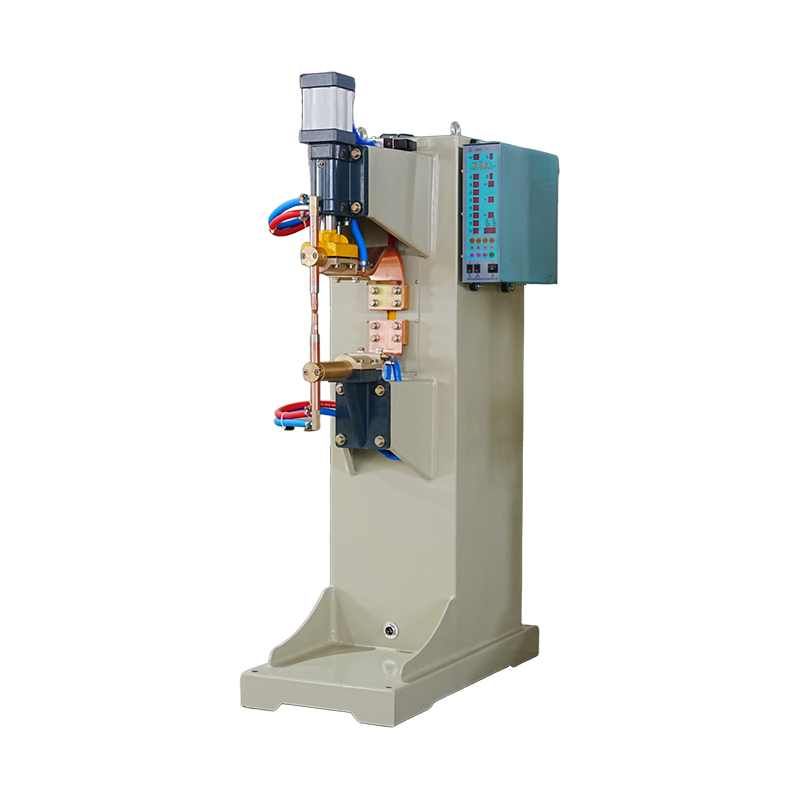
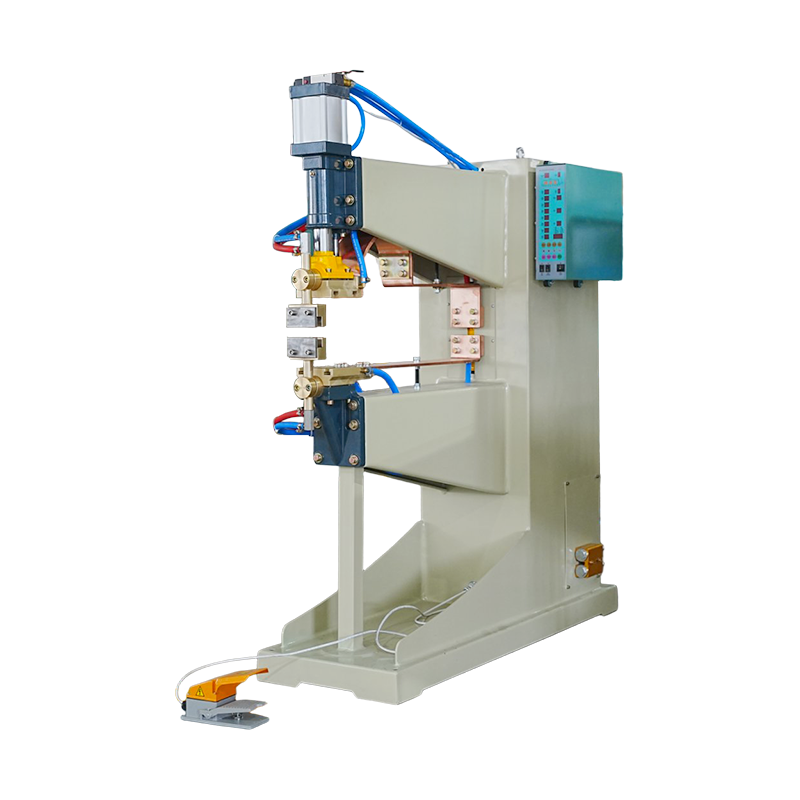
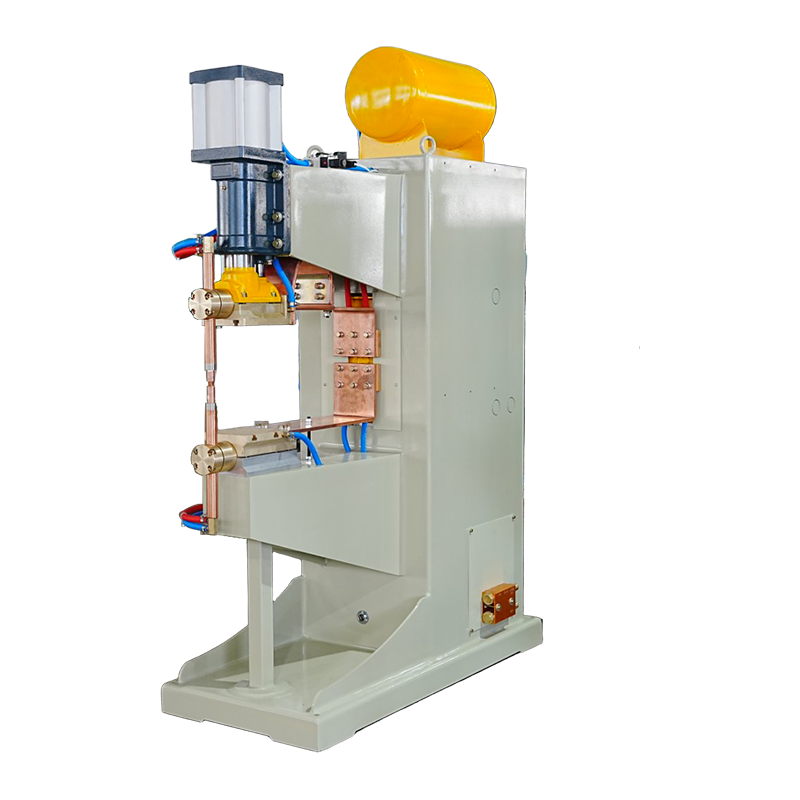
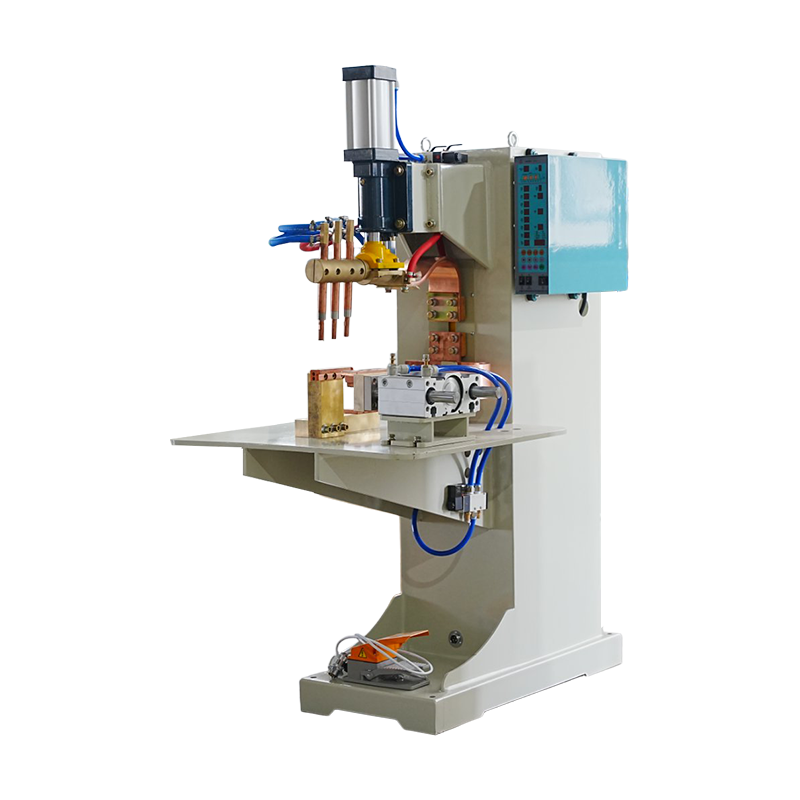
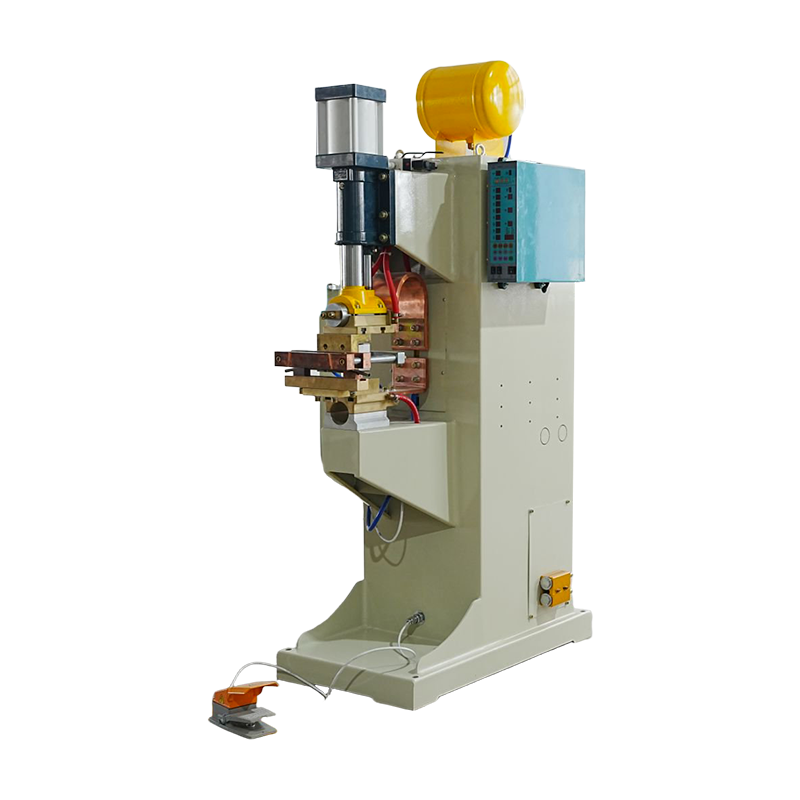
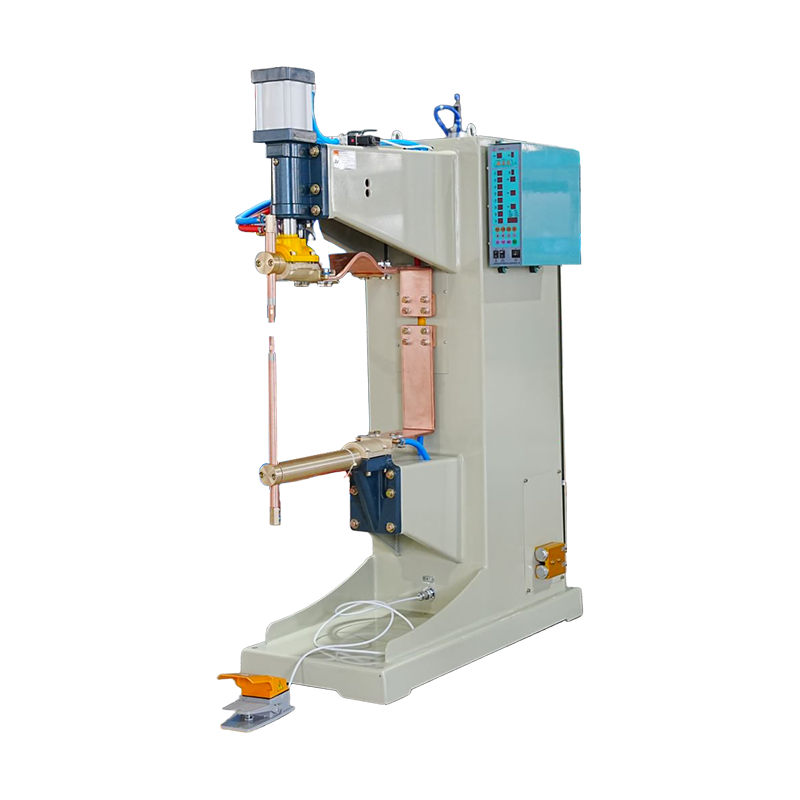
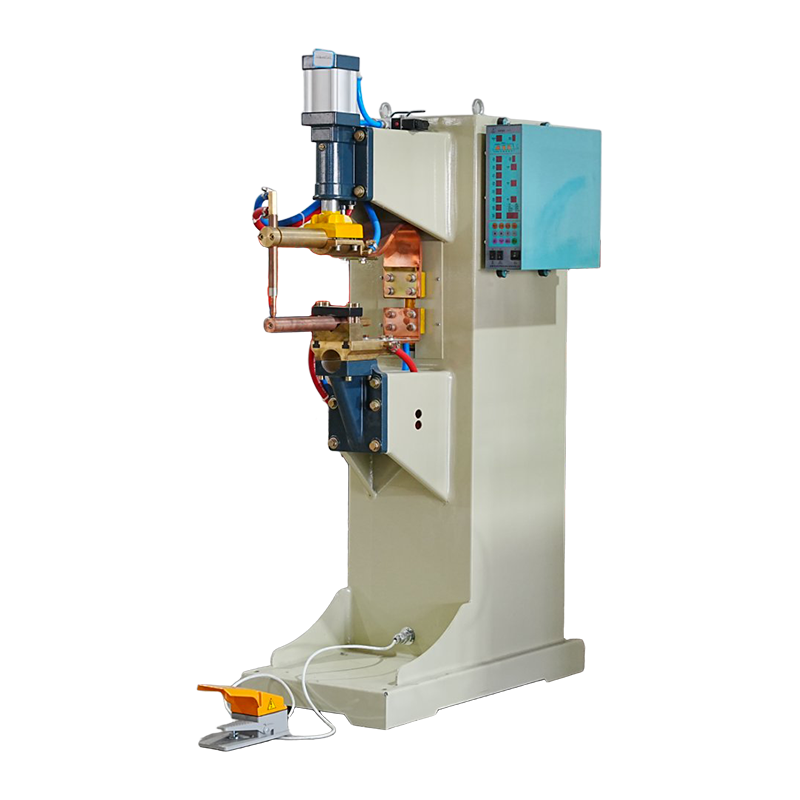
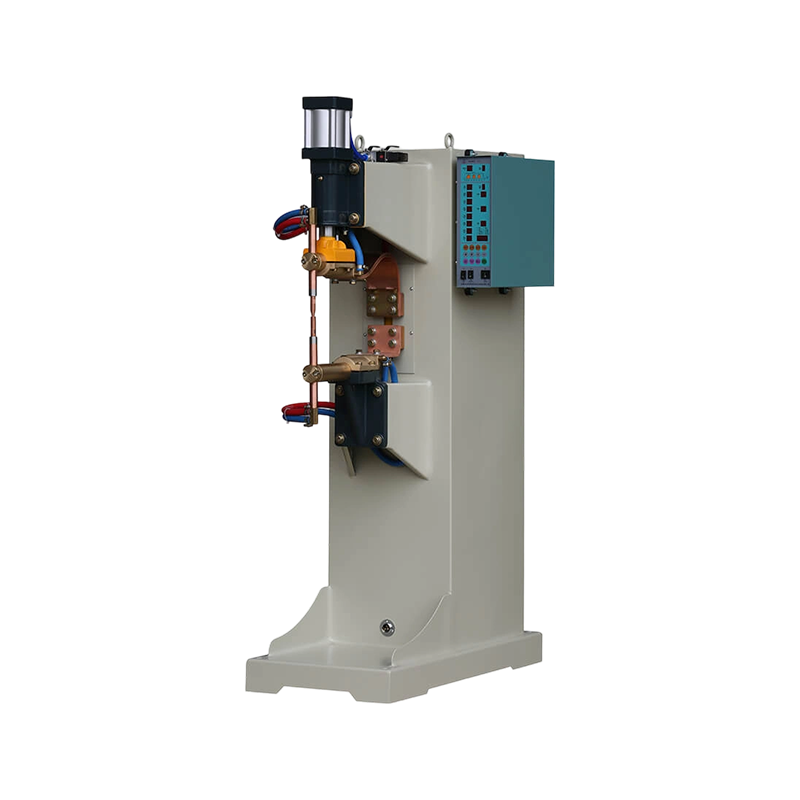
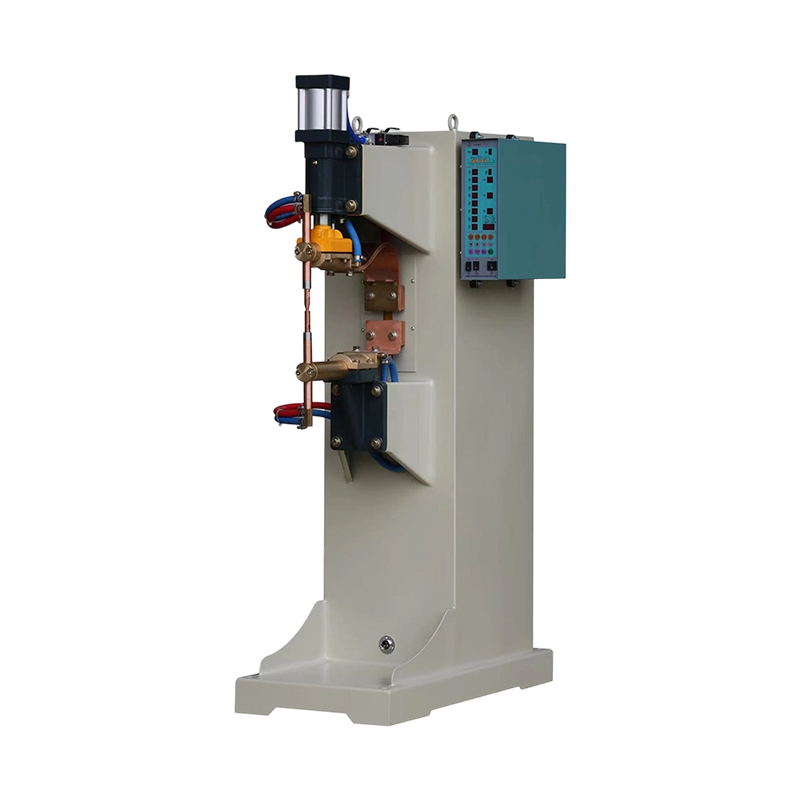
Power frequency spot welding machines use 50/60 Hz mains power as the welding power source. They have mature structure, stable performance, simple maintenance, and low operating cost. They are suitable for welding thin plates of carbon steel and low-alloy steel and are widely used in sheet-metal components, small hardware, and wire products. With affordable equipment cost and easy operation, they are commonly adopted as entry-level and general-purpose spot welding solutions.
About Us
Yongkang Jiaxiao Welding Automation Equipment Co., Ltd.
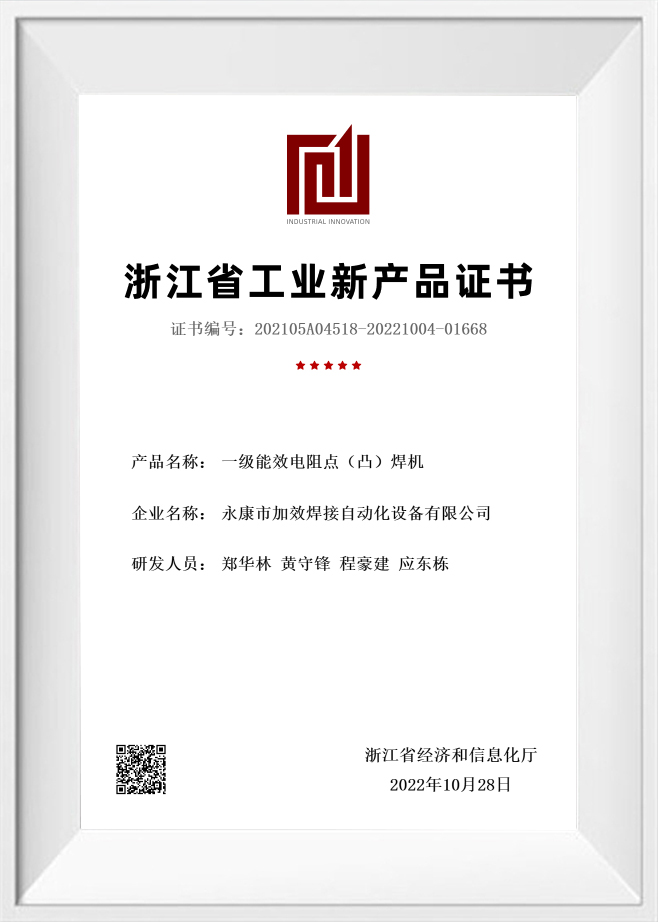
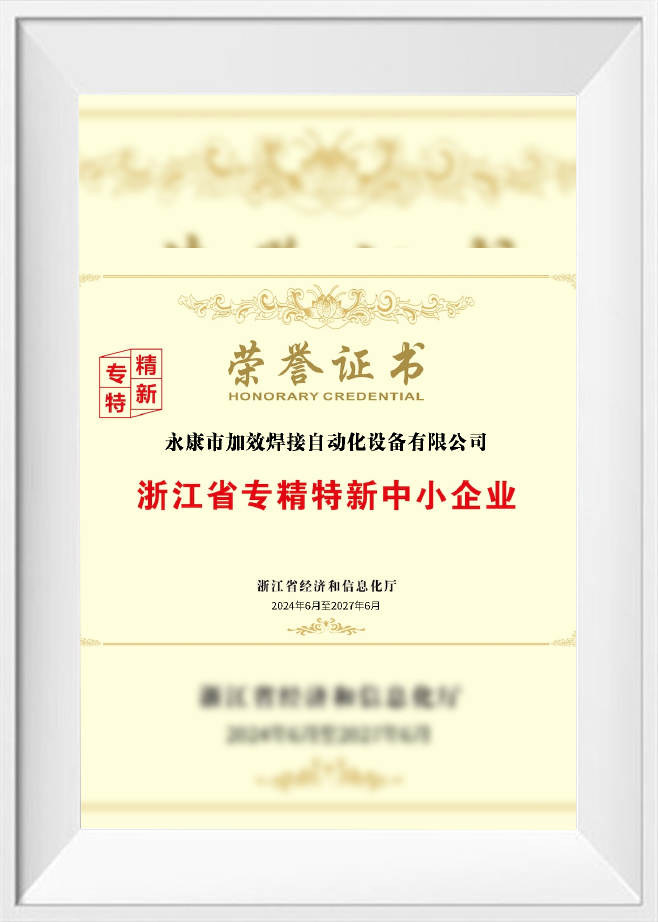
Since its establishment 30 years ago, Yongkang Jiaxiao Welding Automation Equipment Co., Ltd. has specialized in the research, development, manufacturing, sales, and service of resistance welding machines, specialized welding machines, custom Power Frequency Spot Welding Machine, and automated stamping equipment for materials such as copper, aluminum, iron, and stainless steel. The China Spot Welding Machine manufacturers boasts a dedicated R&D team led by experts and comprised of diverse engineers. Its products have passed both the Chinese 3C and European CE certifications, and the company holds dozens of national patents. The company is a leading domestic manufacturer of resistance and automatic welding machines.
Certificate of Honour

News
Message Feedback
Power Frequency Spot Welding Machine Selection Guide for Manufacturing Applications
Power frequency spot welding machines see widespread use in general metal joining applications, thanks to a mature structure, practical operation, and resistance welding performance that holds up reliably across many common workpieces. Known also as AC spot welding machines, this equipment turns up regularly in sheet metal fabrication, hardware production, wire products, home appliance components, small automotive metal parts, metal furniture, and office supply metal parts.
For procurement teams and manufacturing engineers, landing on a suitable power frequency spot welding machine takes more than lining up machine capacity numbers side by side. Material type, thickness, weld point layout, workpiece size, production rhythm, operating method, fixture design, and maintenance requirements all deserve a close look before settling on a manual, pneumatic, or semi-automatic configuration.
What Is a Power Frequency Spot Welding Machine?
A power frequency spot welding machine is a type of resistance spot welding machine that uses standard industrial AC power frequency, usually 50Hz or 60Hz, to generate welding current through a welding transformer. It is therefore often called a 50Hz spot welding machine, 60Hz spot welding machine, or AC spot welding machine.
During welding, two copper electrodes press the metal workpieces together. The welding transformer outputs high current and low voltage through the electrodes. Resistance at the contact area generates heat, and the metal layers form a weld nugget under pressure.
This process is commonly used for overlapping metal parts, including:
- Sheet metal components
- Carbon steel plates
- Iron parts
- Cold-rolled steel sheets
- Small hardware parts
- Wire products
- Metal brackets
- Appliance parts
- Office supply metal components
- General industrial metal assemblies
A power frequency spot welder is often selected for common metal joining tasks where the welding process is stable, the product structure is not overly complex, and the required automation level is moderate.
How Power Frequency Spot Welding Works
The power frequency spot welding process runs through four main stages: electrode pressing, current output, weld nugget formation, and holding for cooling.
- 1. Electrode Pressing The upper and lower copper electrodes clamp down on the workpieces right at the welding position. Steady electrode pressure sets up good electrical contact and keeps problems like splash, weak welds, and uneven indentation at bay.
- 2. Current Output Once the workpieces press together, the welding controller signals the transformer to send out AC welding current. That current runs through the workpiece contact area and builds up resistance heat.
- 3. Weld Nugget Formation As heat builds in the contact area, the metal softens and a weld nugget takes shape under electrode pressure. Welding current, welding time, electrode force, material thickness, and surface condition all shape nugget size and strength.
- 4. Holding and Cooling Once the current cuts off, the electrodes stay pressed down for a short stretch. That gives the weld nugget time to cool and solidify before the electrodes finally let go.
Getting the process stable comes down to matching current, time, pressure, electrode shape, and fixture positioning to each other.
Main Advantages of Power Frequency Spot Welding Machines
Power frequency spot welding stays widely used because it fits so many standard metal joining tasks in practical terms. Its worth stands out clearly in general-purpose production environments.
- Mature Machine Structure An AC spot welding machine follows a structure that has been established for a long time. Main components like the welding transformer, welding controller, copper electrodes, pneumatic cylinder, and machine frame are familiar territory for many maintenance teams.
- Stable Performance for Common Materials Low-carbon steel, iron sheet, cold-rolled steel, low-alloy steel, and plenty of general metal parts get stable welding performance out of a properly selected power frequency spot welder.
- Simple Operation Manual and pneumatic models do not demand much of a learning curve. Operators adjust welding time, current level, and electrode pressure to match whatever the product calls for.
- Convenient Maintenance The machine structure stays relatively straightforward. Maintenance work typically involves electrode dressing, checking copper connections, inspecting pneumatic components, and keeping cooling water flowing properly.
- Practical Equipment Cost Set against some medium frequency or high-precision energy storage systems, a general purpose spot welding machine usually comes with a lower initial equipment cost. That makes it a good fit for production sites that need solid welding capability without diving into complex automation.
- Suitable for Flexible Production Swap in the right electrodes and fixtures, and one machine can handle different parts within its rated capacity. Factories producing a mix of hardware, sheet metal, or wire product components find real value in that flexibility.
Power Frequency Spot Welding vs Medium Frequency and Capacitor Discharge Welding
Different resistance welding technologies serve different production needs. Power frequency, medium frequency, and capacitor discharge spot welding should be selected according to material, thickness, appearance requirement, energy control, and production method.
| Welding Type | Main Characteristics | Typical Applications |
|---|---|---|
| Power Frequency Spot Welding | Uses 50/60Hz AC power, mature structure, practical for general metal welding | Carbon steel parts, sheet metal, hardware, wire products |
| Medium Frequency Spot Welding | Inverter current control, more stable output, suitable for higher consistency requirements | Automotive parts, galvanized sheets, stainless steel, automated welding |
| Capacitor Discharge Spot Welding | Stored energy discharge, short welding time, lower heat spread | Plated parts, precision parts, battery tabs, thin conductive metals |
- Power Frequency Spot Welding Machine A power frequency spot welding machine is suitable for general welding tasks where the workpiece is not highly sensitive to heat input and the production requirement is practical and stable.
- Medium Frequency Spot Welding Machine Medium frequency welding is often selected when more accurate current control, lower heat influence, or higher repeatability is required. It is common in automotive, appliance, and automated welding applications.
- Capacitor Discharge Spot Welding Machine Capacitor discharge welding is used when welding time must be very short and heat influence should be limited. It is suitable for precision metal parts, plated components, and battery-related conductive parts.
For many sheet metal, hardware, and wire product applications, an AC spot welding machine remains a practical choice. For more demanding material combinations or higher automation requirements, medium frequency or capacitor discharge welding may be considered.
Typical Application Industries
Power frequency spot welding machines find work across many industries that handle everyday metal parts. Each product type tends to call for its own electrode structure, fixture setup, and welding parameters.
- Sheet Metal Fabrication A sheet metal spot welding machine handles cabinets, boxes, panels, covers, brackets, and housings. Weld strength, indentation control, and electrode reach all sit high on the priority list here.
- Small Hardware Products A hardware spot welding machine works well for clips, handles, hinges, locks, brackets, small frames, and stamped parts. Fixtures come into play often to sharpen positioning accuracy and keep results repeatable.
- Home Appliance Manufacturing Appliance components like metal shells, support brackets, internal frames, and structural parts turn to AC spot welding for a practical way to join steel sheets.
- Automotive Small Metal Parts Small brackets, clips, stamped pieces, and auxiliary parts can go through power frequency spot welding whenever the material and quality demands line up with what the process can deliver.
- Metal Furniture Metal chairs, shelves, frames, storage racks, and furniture brackets typically need weld points that hold steady alongside production speeds that keep the line moving.
- Wire Product Manufacturing A wire product spot welding machine sees frequent use for wire racks, baskets, mesh components, hooks, grids, and light wire frames.
- Office Supply Metal Parts Metal stationery parts, pen holders, memo boxes, file racks, and small organizers rely on spot welding for wire-to-wire, wire-to-sheet, or sheet-to-sheet joining.
- General Industrial Manufacturing A general purpose spot welding machine covers plenty of metal joining tasks where the product structure stays simple and the material suits AC resistance welding.
How to Choose the Right Power Frequency Spot Welding Machine
Selecting the right machine requires matching the equipment to the product, material, and production plan.
Key factors include:
- Material type
- Sheet thickness or wire diameter
- Number of weld points
- Weld point spacing
- Required weld strength
- Workpiece size
- Distance from edge to weld point
- Single-point or multi-point welding
- Manual, pneumatic, or semi-automatic operation
- Expected production capacity
- Factory voltage and frequency
- Cooling method
- Electrode shape
- Fixture requirement
- Investment range
- Maintenance convenience
Practical Selection Guide
| Production Need | Recommended Direction |
|---|---|
| Simple parts and flexible operation | Manual spot welding machine |
| Repeated production with stable pressure | Pneumatic spot welding machine |
| Fixed weld positions and higher repeatability | Semi-automatic spot welding machine |
| Larger workpieces | Extended arm or custom throat depth design |
| Multiple weld points | Custom spot welding fixture or multi-head design |
| Wire products | Dedicated electrode and fixture design |
| Carbon steel sheet parts | AC spot welding machine with suitable transformer capacity |
| General workshop use | Entry-level spot welding machine within rated capacity |
A machine should not be selected only by rated power. The workpiece shape, electrode access, duty cycle, and fixture design are equally important.
Key Components That Affect Welding Quality
Spot welding quality traces back to both machine configuration and process control working together. The components below carry direct influence over weld strength, appearance, and how stable results stay over the long run.
- Welding Transformer The welding transformer takes input power and converts it into high welding current paired with low voltage. Its capacity shapes weldability, duty cycle, and how much heat gets generated along the way.
- Welding Controller The welding controller oversees welding time, current output, pressure timing, and the overall welding sequence. Keep control stable, and weld points stay repeatable.
- Copper Electrodes Copper electrodes carry both current and pressure through to the workpiece. Electrode material, tip shape, contact area, wear condition, and cooling all leave their mark on weld appearance and nugget formation.
- Pneumatic Cylinder In pneumatic and semi-automatic machines, the cylinder governs electrode pressure. Keeping that pressure steady cuts down on weak welds, splash, and indentation that runs too deep.
- Fixture A fixture built for the specific spot welding job holds parts exactly where they need to sit. Solid fixture design means less weld offset and less variation between operators.
- Cooling System Cooling keeps electrodes, transformers, conductive copper parts, and welding cables protected through repeated welding cycles. Skimp on cooling, and electrode wear climbs while process stability takes a hit.
Common Welding Problems and Optimization Methods
Power frequency spot welding problems often come from unsuitable parameters, poor surface condition, worn electrodes, unstable pressure, or inaccurate positioning.
| Problem | Possible Cause | Improvement Direction |
|---|---|---|
| Weak weld | Low current, short welding time, low pressure, dirty surface | Increase current or time, clean material, adjust pressure |
| Excessive indentation | High pressure, high current, small electrode tip | Optimize pressure, reduce heat input, adjust electrode shape |
| Splash | Excessive current, poor coating condition, unstable pressure | Reduce current, clean surface, stabilize electrode force |
| Burn marks | Long welding time, poor cooling, worn electrode | Shorten time, improve cooling, dress electrode |
| Uneven weld strength | Fixture movement, electrode wear, current fluctuation | Improve fixture, maintain electrodes, check controller |
| Sheet deformation | Excessive heat input, poor clamping, thin material | Reduce welding time, improve fixture, use suitable electrode |
| Electrode sticking | Overheating, coating buildup, poor electrode maintenance | Improve cooling, clean electrode, dress tip regularly |
| Unstable weld nugget | Poor contact, oxide layer, incorrect pressure | Clean surface, align electrodes, adjust pressure |
A practical optimization sequence is:
- Check material surface condition
- Inspect electrode shape and alignment
- Confirm electrode pressure
- Adjust welding current and time
- Review fixture positioning
- Test weld strength and appearance
- Verify performance during continuous operation
Information to Provide Before Quotation
Accurate technical information helps engineers recommend the correct power frequency spot welding machine, transformer capacity, electrode structure, fixture design, controller configuration, and cooling method.
Useful information includes:
- Product drawings
- Product photos or videos
- Material type
- Sheet thickness or wire diameter
- Surface coating condition
- Product length, width, and height
- Weld point location
- Number of weld points
- Weld point spacing
- Required weld strength
- Appearance requirement
- Acceptable indentation level
- Manual, pneumatic, or semi-automatic preference
- Expected production capacity
- Factory voltage and frequency
- Compressed air condition
- Cooling water condition
- Workshop space
- Fixture requirement
- Target delivery schedule
- Estimated investment range
For new products, sample welding tests can help confirm parameter range, electrode structure, and fixture feasibility.
Jiaxiao power frequency spot welding machine offers a practical resistance welding option for general metal joining work. Factories reach for this industrial spot welder when handling sheet metal parts, carbon steel components, hardware fittings, wire products, metal furniture, appliance parts, and office supply metal components.
Set against medium frequency and capacitor discharge welding, power frequency spot welding brings a mature structure, straightforward operation, easy maintenance, and equipment cost that stays practical for most standard applications. Landing on the right equipment ultimately comes down to material type, thickness, weld point layout, production capacity, operation method, fixture design, and the conditions on your factory floor.
Set against medium frequency and capacitor discharge welding, power frequency spot welding brings a mature structure, straightforward operation, easy maintenance, and equipment cost that stays practical for most standard applications. Landing on the right equipment ultimately comes down to material type, thickness, weld point layout, production capacity, operation method, fixture design, and the conditions on your factory floor.



 +86-15268688035
 jx12@4006796688.com
 NO.99,Huaxi Road,Chengxi New District,Yongkang city,Zhejiang China.
Message Us Right Now!
Copyright © Yongkang Jiaxiao Welding Automation Equipment Co., Ltd. All Rights
Reserved
China Welding Equipment Manufacturer
